
Equine
NCHA Great American Insurance Group Summer Cutting Spectacular

FORT WORTH – The National Cutting Horse Association (NCHA) is excited to welcome the return of the NCHA Great American Insurance Group Summer Cutting Spectacular held July 16 through August 5 at the historic Will Rogers Coliseum in Fort Worth, Texas. The Summer Spectacular is the final jewel on the NCHA Triple Crown and is contested over 21 days with more than 2 million dollars up for grabs! The Summer Spectacular is a family-friendly event with something for everyone to enjoy including competition, shopping, and children’s events.
In conjunction with the Summer Spectacular is the NCHA Holy Cow Performance Horses Youth World Finals held July 25 through July 27. During these three days, 30 National Youth Cutting Horse Association (NYCHA) members from around the United States and Canada will vie for the Junior and Senior Youth world champion titles. Additionally, eligible youth members will compete for $30,000 in scholarship funds at the NCHA Foundation Scholarship Cutting with the finals held on July 27.
NCHA is proud to partner once again with BraveHearts for the 2022 NYCHA BraveHearts Shootout on July 27. During this event, United States veterans from the BraveHearts Therapeutic Riding program will show a world class cutting horse with the help of NCHA professional trainers and youth members. Be sure to come out and show your support for our veterans and youth!
Open daily at 9:30, the Best of the West Trade Show is located in the Amon G. Carter Jr. Exhibit Hall and is home to 70 unique vendors with all the latest in western fashion, custom jewelry, home décor, and more!
In addition to the shopping, the Best of the West Trade Show will host two special events for attendees to enjoy. On Saturday, July 16, join us for a free petting zoo sponsored by Willow Springs Ranch, LLC. Fashion and live music will take center stage on Friday, July 22, at the complementary NCHA Western Runway Fashion Show sponsored by Beau Galyean Stallion Services and Ghostwood Blended Bourbon.
Lastly, children of all ages can enter to compete in the Dummy Roping Competition produced by EquiBrand on July 24. Prizes will be awarded to the top five in each age division.
Whether you want to enjoy a day full of action-filled competition or stop by for some afternoon shopping, come by these FREE events and immerse yourself in the most unique experience in the horse industry!
To learn more about the NCHA Summer Spectacular or to view a complete schedule of events, visit nchacutting.com/summerspectacular.
By OKFR Staff
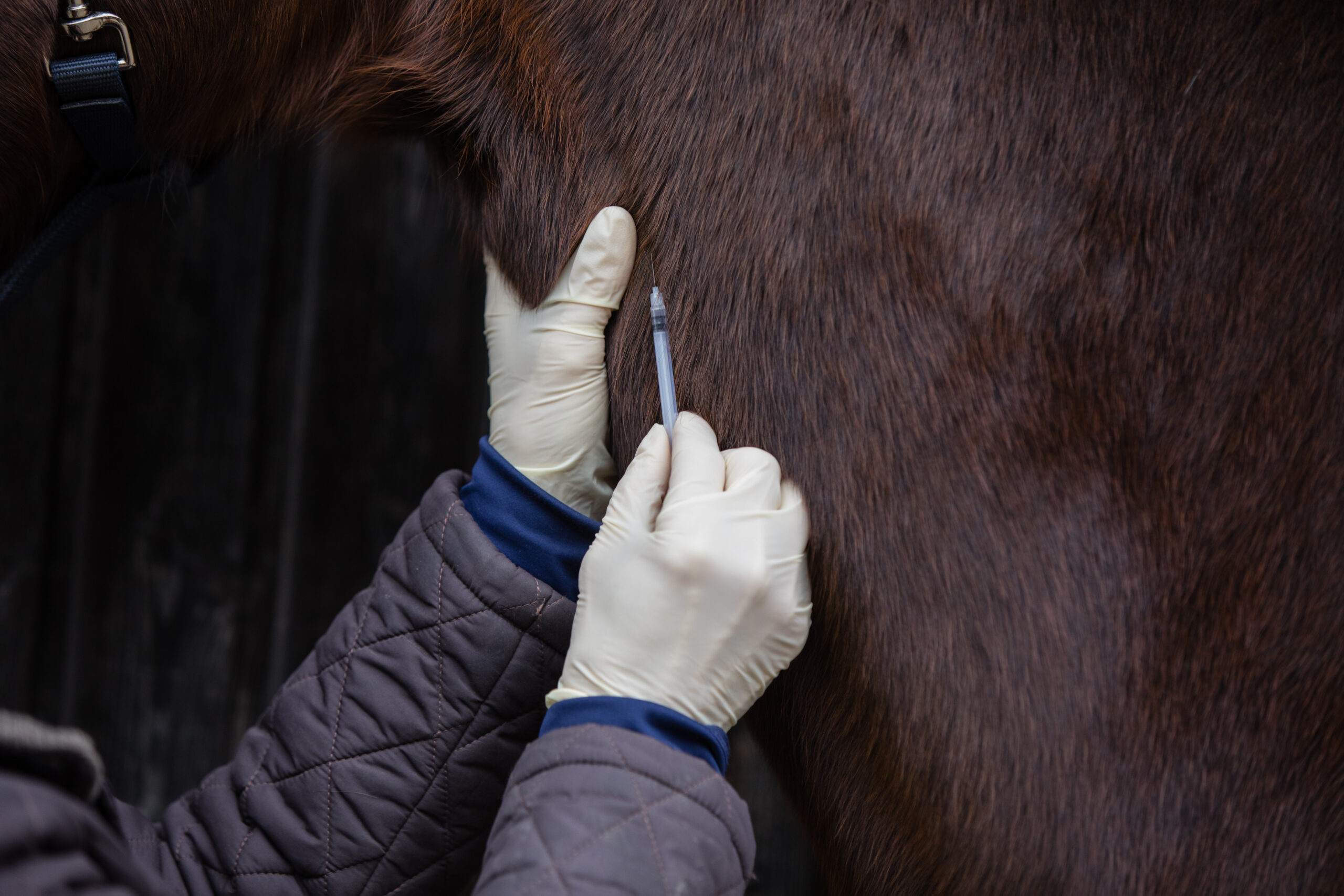
Vaccinations may not prevent every illness, but they remain one of the most effective tools horse owners have for reducing the risk of serious and sometimes fatal disease. The right vaccination program depends on the horse, where it lives, how often it travels and the animals it may encounter.
The American Association of Equine Practitioners (AAEP) divides vaccines into two categories: core and risk-based. The AAEP recommends core vaccines for all horses because these diseases pose a significant health risk, may affect public health or spread through sources owners cannot fully control.
The core vaccines for horses are tetanus, Eastern and Western equine encephalomyelitis, West Nile virus and rabies.
Tetanus bacteria live in soil and manure. The organism can enter through puncture wounds, cuts, surgical sites and other damaged tissue, so even a minor-looking wound can lead to infection.
Previously vaccinated adult horses generally receive a tetanus booster once a year. Your veterinarian may recommend an additional booster after a penetrating injury or before surgery if more than six months have passed since the horse’s last dose.
Mosquitoes spread Eastern and Western equine encephalomyelitis and West Nile virus. These diseases attack the nervous system and may cause weakness, loss of coordination, behavior changes, difficulty standing or death.
Horses generally receive these vaccines before mosquito season begins. In regions with long mosquito seasons, a veterinarian may recommend boosters more than once a year.
Rabies is uncommon in horses, but it is fatal and can pass to people. Horses may be exposed through contact with infected wildlife, including bats, skunks, raccoons and foxes. Because horses spend so much time with owners, veterinarians, farriers and other handlers, annual rabies vaccination protects more than the individual animal.
Risk-based vaccines depend on a horse’s individual circumstances. These may include vaccines for equine influenza, equine herpesvirus, strangles, leptospirosis, botulism and other diseases. A horse that stays on one farm with a closed herd may need different protection than a show horse that travels regularly, shares barns with unfamiliar horses and meets animals from several states.
Owners commonly consider influenza and equine herpesvirus vaccines for horses that travel or meet new horses often. Equine influenza spreads quickly through respiratory droplets and contaminated equipment. Horses at higher risk may need boosters every six months, and some competitions and facilities require proof of recent vaccination.
Timing matters. Vaccines do not provide immediate protection, and an unvaccinated horse may need an initial series of two or more doses. The AAEP recommends completing the primary series and any needed boosters at least 14 days before likely exposure. Vaccinating the day before a show or hauling trip does not give the immune system enough time to respond.
Mild soreness, swelling or a temporary fever can occur after vaccination. Serious reactions are rare, but call your veterinarian if a horse develops significant swelling, breathing difficulty, hives, weakness or other concerning signs.
No single vaccination schedule fits every horse. Age, pregnancy, health, travel, local disease activity and vaccination history all affect the plan. Your veterinarian can build a schedule around those factors and make sure vaccines are properly stored, given and recorded.
Vaccination works best alongside good management. Clean equipment, limited contact with unfamiliar horses, isolation of new arrivals and prompt attention to illness all still matter. Together, vaccination and basic biosecurity give horses a stronger defense against preventable disease.
By Ann Asher
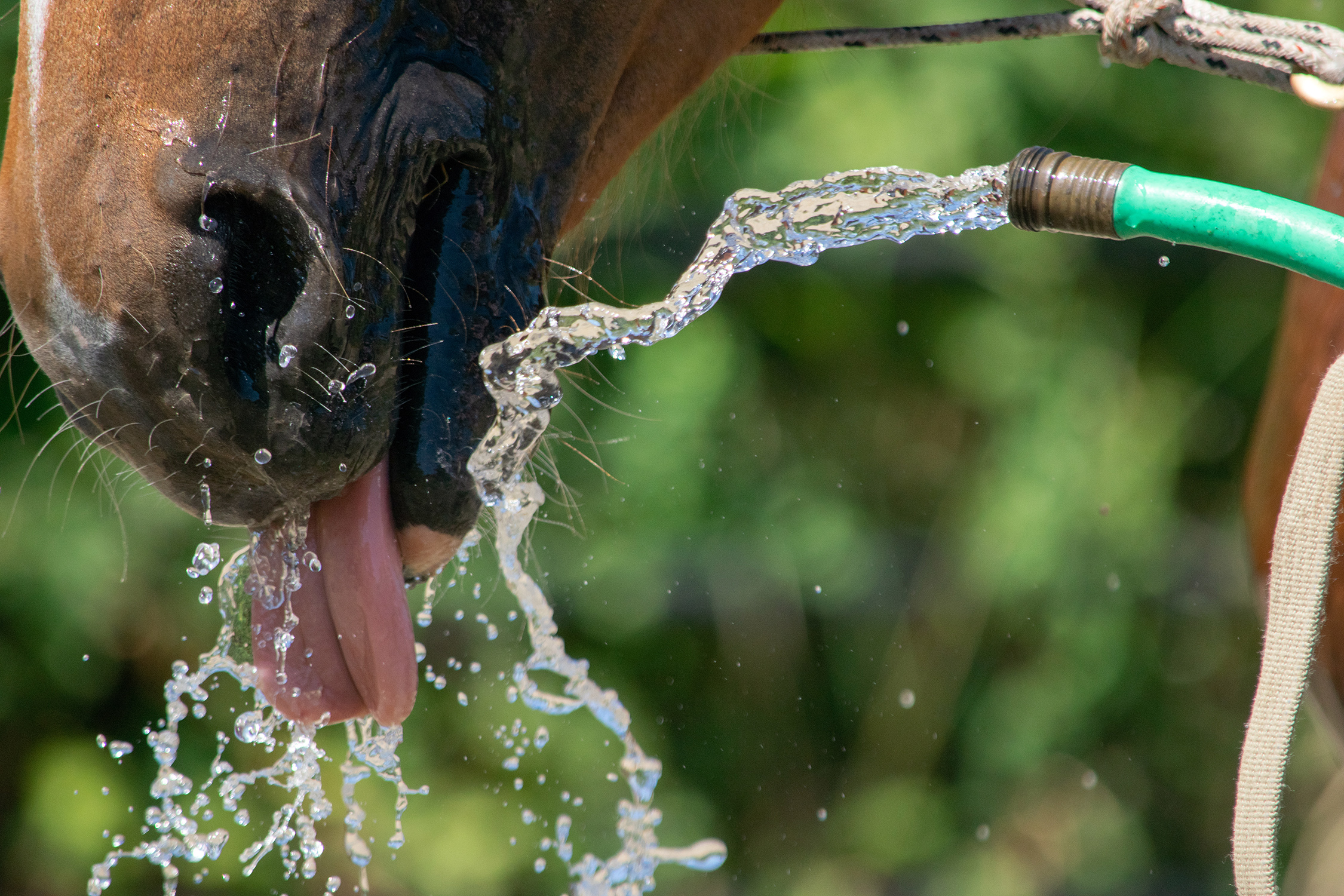
Good horse care usually starts with the basics: clean water, quality forage, a balanced ration and common sense. Still, water alone may not be enough to help a horse recover from hard work, hauling or heavy sweating. Electrolytes can help in those situations.
Electrolytes are minerals that help the body manage fluid balance, muscle function and nerve function. In horses, the main electrolytes of concern are sodium, chloride, potassium, calcium and magnesium. A sweating horse loses these minerals along with water, especially sodium and chloride. That loss is one reason a horse can seem tired, dull or slow to recover after a long ride, a hard workout or a hot day in the trailer.
For most horses in light work, electrolytes do not need to be complicated. A horse on a good forage-based diet will usually get most of the minerals he needs from hay, pasture and feed. The one thing commonly missing is salt. Horses should have access to salt every day, through a plain white salt block, loose salt or salt added to the feed. Some horses do not lick enough from a block, so loose salt can work better for horses that need encouragement.
Electrolyte supplements differ from plain salt because they usually contain a blend of minerals designed to replace what the horse loses in sweat. They can help horses in regular training, horses that travel, horses competing in hot weather, heavy sweaters and horses expected to work hard for long periods. They may also help after an unusual amount of fluid loss, though illness, diarrhea, signs of colic or a horse that is not drinking always call for a veterinarian.
Plan ahead and follow the label. You can give electrolytes in feed, mix them into water or administer them as a paste. Many horse owners find that adding them to a small amount of feed works best, because the horse is less likely to reject his water. If you add electrolytes to a water bucket, always provide a second bucket of plain water. Never put a horse in a situation where the only water available tastes salty or unfamiliar.
Electrolytes support hydration. They do not replace water, and they work best when the horse has free access to fresh, clean water before and after he receives them. Giving electrolytes to a horse that cannot or will not drink can make a bad situation worse. If a horse is dehydrated, depressed, showing signs of colic, refusing water or not recovering normally after exercise, call your veterinarian instead of reaching for a supplement.
More electrolytes do not mean better care. Overuse may cause a horse to refuse feed or water, and too much salt without enough water can irritate the digestive tract and add to dehydration problems. Avoid stacking several electrolyte products at once, especially if the horse already receives a fortified feed, mineral supplement or extra salt. Read labels, too. A good electrolyte product should be built around sodium, chloride and other major sweat minerals, with little sugar or filler.
Timing matters, too. Electrolytes do the most good when they match actual need. A horse standing in the pasture and barely sweating may need only salt and water. A horse hauled several hours, ridden hard, worked in humid weather or sweating through a saddle pad may benefit from an electrolyte product before, during or after the event, depending on the situation and the product directions. For competition horses, test any electrolyte routine at home first. Show day is a bad time to find out a horse dislikes a certain powder or will refuse treated water.
Electrolytes are only one part of managing heat and hydration. Shade, ventilation, fitness, rest breaks, cooling with water and avoiding hard work during the worst heat all matter. An out-of-shape horse asked to do too much can get into trouble even after receiving electrolytes. Likewise, a fit horse still needs time to cool down and rehydrate after heavy work.
Used correctly, electrolytes are a practical tool. They can replace minerals lost in sweat and support normal recovery after a horse has been working, hauling or sweating hard. Used carelessly, they can create problems, especially when owners give them without enough water or use them in place of veterinary care.
Provide salt every day, keep clean water available at all times, save electrolyte supplements for horses that need them and follow the product label. When in doubt, especially with a horse that is not drinking or does not seem right, call the veterinarian. Electrolytes work best as part of good horsemanship and should never stand in for it.
By NTFR Staff
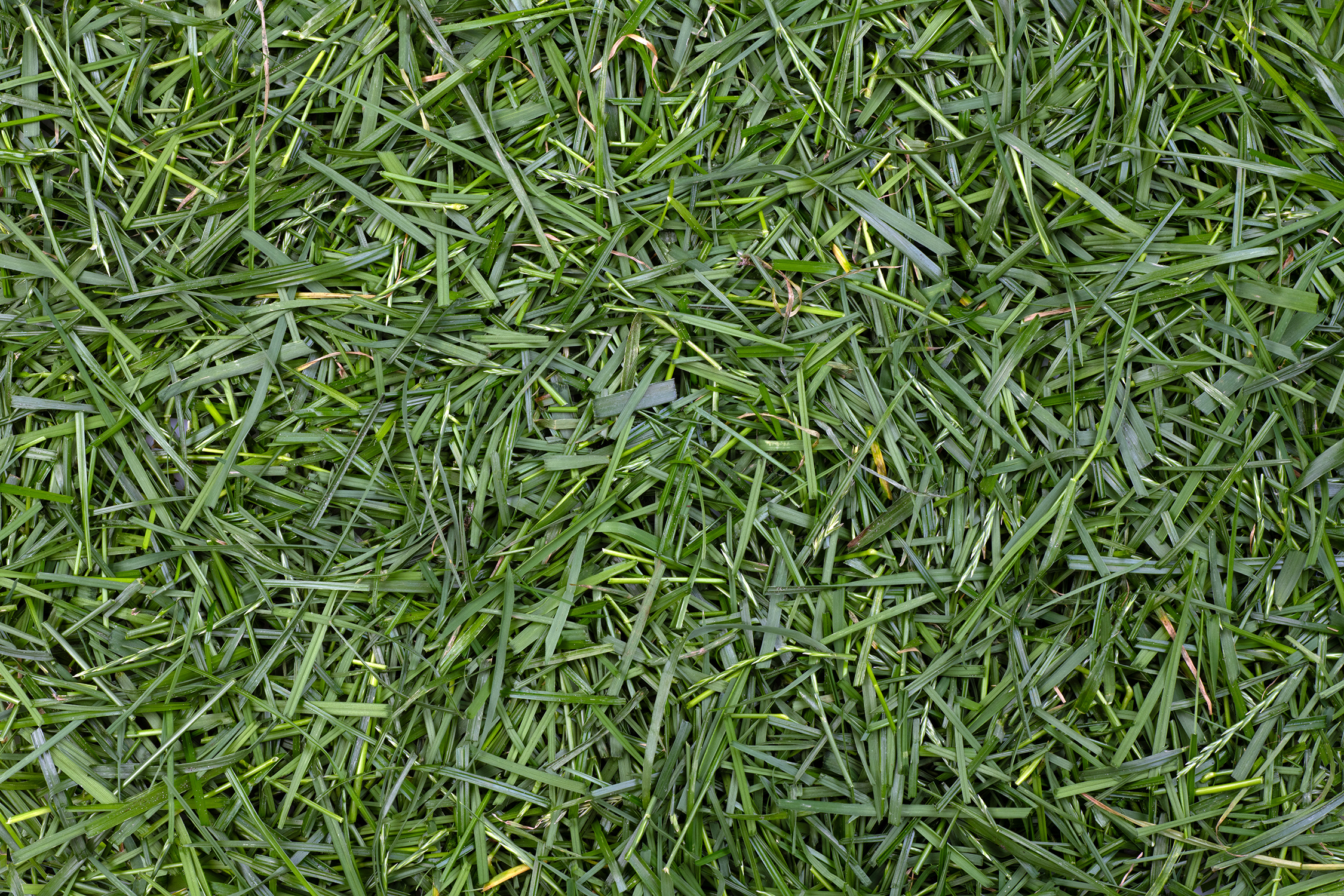
Every summer, as lawn mowers start making their rounds, the same warning comes up among horse owners: “Don’t throw those grass clippings over the fence.” For many people, the explanation has always been that fresh grass clippings will cause an impaction. Like a lot of horse barn wisdom, the advice is sound, but the reason behind it isn’t quite what most people think.
Veterinarians and equine nutritionists generally agree that you should never intentionally feed horses lawn clippings. Their main worry isn’t impaction. Grass is highly digestible and holds a lot of moisture. Impaction colic is more commonly tied to dehydration, poor-quality forage, low water intake or other factors that slow the movement of feed through the intestines.
The bigger problem is how fast horses eat clippings. A grazing horse spends hours taking small bites of forage throughout the day. A pile of freshly cut grass lets a horse eat a large amount in minutes. That sudden intake can upset the balance of microbes in the horse’s hindgut, raising the risk of digestive upset, gas colic and, in some horses, laminitis.
Choke is another concern. Because clippings are already chopped short, horses often gulp them without chewing as thoroughly as they would in a pasture. If a large mouthful lodges in the esophagus, the horse can choke, and that needs prompt veterinary attention.
Grass clippings also start to change quickly once they are piled together. Heat builds as the clippings begin to ferment, and mold can develop fast, particularly in warm, humid weather. Never feed spoiled or moldy forage, and grass clippings are no exception.
One easy-to-miss hazard has nothing to do with the grass itself. Many residential lawns have been treated with herbicides, insecticides, fertilizers or other lawn care products that are not meant for grazing animals. Even if the grass looks healthy, chemical residues can remain on the clippings. A well-meaning neighbor tossing extra clippings over the fence may have no idea he is putting a dangerous substance into a horse’s diet.
Mowing a horse pasture is different from dumping a pile of lawn clippings into a pen. When you clip a pasture, the small pieces spread across the field, and horses keep grazing normally. They eat only small amounts of the clipped grass along with the standing forage. The concentrated pile creates the greatest risk, not the fact that someone cut the grass.
Rapid eating, digestive upset, spoilage and possible chemical contamination together make grass clippings a risk not worth taking. If your lawn needs mowing, keep the clippings out of the horse pasture. Compost them, bag them or dispose of them another way, but don’t treat them as a free snack.
Some horse advice gets passed from one generation to the next for good reason, and this old warning still deserves a place around every barn.




-

 Country Lifestyles4 years ago
Scott & Stacey Schumacher: A Growth Mindset
-
 Country Lifestyles10 years ago
Style Your Profile – What your style cowboy hat says about you and new trends in 2017
-
 Horsefeathers12 years ago
Mount Scott: Country Humor with David Gregory
-
 Country Lifestyles10 years ago
June 2016 Profile – The man behind the mic: Bob Tallman
-
 Outdoor11 years ago
Buttercup or Primrose?
-
 Country Lifestyles10 years ago
December 2016 Profile, Rusty Riddle – The Riddle Way
-
 HOME10 years ago
Grazing North Texas – Wilman Lovegrass
-
 The Natural Horseman9 years ago
This is why we do what we do — RayeAnn and Cisco