
Farm & Ranch
The First Frost and Forage

By NTFR Staff
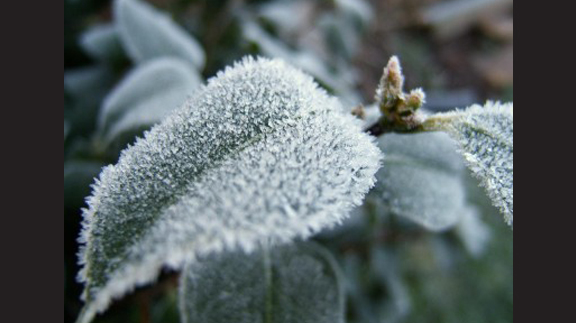
The first frost feels like a clean break between seasons, but for cattle producers it can open a short window when familiar forage deserves a second look. Frost can change plant chemistry, end active growth and upend grazing plans almost overnight. The bigger concern is what frost does to certain plants, particularly members of the sorghum family.
Johnsongrass, forage sorghum, sorghum-sudangrass hybrids and related plants can contain compounds that release hydrogen cyanide, commonly called prussic acid, when plant tissue is damaged. Drought stress can raise the risk, and frost can make it worse. Frost ruptures plant cells and brings the compounds that form prussic acid into contact, creating forage that can be dangerous even though it may still look green and palatable.
Prussic acid acts fast. The rumen releases it, and it is absorbed into the bloodstream, where it keeps cells from using oxygen properly. Signs may include rapid breathing, muscle tremors, salivation, staggering, convulsions and collapse. In severe cases, producers may find a dead animal before seeing any obvious symptoms.
That is why Oklahoma State University recommends keeping cattle off frost-damaged susceptible forage for at least seven days after a killing frost, and until the plants are completely dry and brown. A light frost can be trickier. If the plant survives, new shoots or tillers may emerge, and that young regrowth can be especially high in prussic acid. Don’t turn cattle back in just because a few warm afternoons followed the frost.
The practical question is always the same: Is this field risky? Species matters. Johnsongrass and sorghum-type forages deserve attention. Pearl millet and foxtail millet, by comparison, have much lower prussic acid potential. If you aren’t sure what is growing in a field, identify it before you make a grazing decision.
Prussic acid vs. nitrates
Nitrate toxicity is a separate issue. Producers sometimes lump nitrates and prussic acid together because both are associated with stressed forage, but they behave differently. Prussic acid can dissipate as forage dries. Nitrates don’t simply disappear after frost, wilting or baling. Nitrate can remain in hay and other stored forage. When drought, heavy nitrogen fertilization, cloudy weather or other stresses have raised concerns, a lab test is the safest way to know what your cattle are getting.
Frost also changes how you should think about haying or baling suspect forage. Prussic acid is volatile and can dissipate during proper curing, so well-cured hay from a sorghum-type crop is generally a different risk than freshly frost-damaged grazing. Nitrates are the opposite problem. They stay in the forage after baling, so a nitrate test can matter more than appearance. Ensiling can lower nitrate concentration somewhat, but it doesn’t guarantee safety. Testing is still the better choice.
The toxins also sit in different parts of the plant. Prussic acid potential is often greatest in young leaves and new growth, while nitrate tends to build up in the lower stem. That matters when you are deciding whether to graze, cut high, bale or sample a field. A lab result is only useful if the sample represents the forage your cattle will eat.
Don’t use color as a safety test, either. A plant can look dry while nitrate remains, and a green plant isn’t automatically high in prussic acid. Species, recent stress and lab testing carry more weight than appearance. When the forage is valuable enough to graze or feed, a test is cheap compared with losing cattle.
A management checkpoint
The first frost also changes ordinary pasture management. Warm-season grasses stop putting on meaningful new growth, and what is standing becomes a finite supply. Cattle that have spent months picking the best leaves may start taking lower-quality stems and plants they used to ignore.
A killing frost can also open up plants cattle previously passed by. Leaves drop, stems turn brittle, and cattle may reach low spots along fence rows or ditches. If johnsongrass has been growing unnoticed at the edge of a pasture, frost is a good reason to notice it now. The same goes for volunteer sorghum in crop residue or waterways.
For cow-calf producers, the first frost makes a convenient checkpoint. Fall-calving cows may be entering peak nutritional demand. Spring-calving cows may be in mid-gestation and easier to keep up, but thin cows still need time to gain condition before winter. Reassess body condition, available forage and whether you need to start supplementing. Waiting until cows lose condition makes the fix more expensive.
Check water, too. Cooler weather may reduce how much you see cattle drink, but they still need ready access to clean water. A sudden cold snap can expose leaking floats, weak heaters or water systems nobody has checked since last winter.
North Texas weather rarely changes in a straight line in the fall. A frost may be followed by warm afternoons, then another cold front, so the plants tell you more than the calendar does. When susceptible forage is involved, give frost-damaged plants time to cure, and remember that new growth can restart the clock.
The simplest first-frost plan is to walk the pasture before moving cattle. Identify sorghum-type plants and johnsongrass. Look for patches that were already drought-stressed. Check whether a light frost has triggered new growth. If you have any doubt, keep cattle out and have suspect forage tested through a qualified lab or Extension office.
The most dangerous part of first-frost management is assuming cold weather solved a forage problem. Prussic acid responds to time and curing. Nitrates don’t go away on their own, and ordinary pasture quality keeps declining even when plenty of standing material remains. Frost marks the start of a new management season. A few minutes spent identifying plants and thinking through the previous week’s weather before you open a gate can prevent a problem that develops in minutes once hungry cattle start grazing.
By NTFR Staff
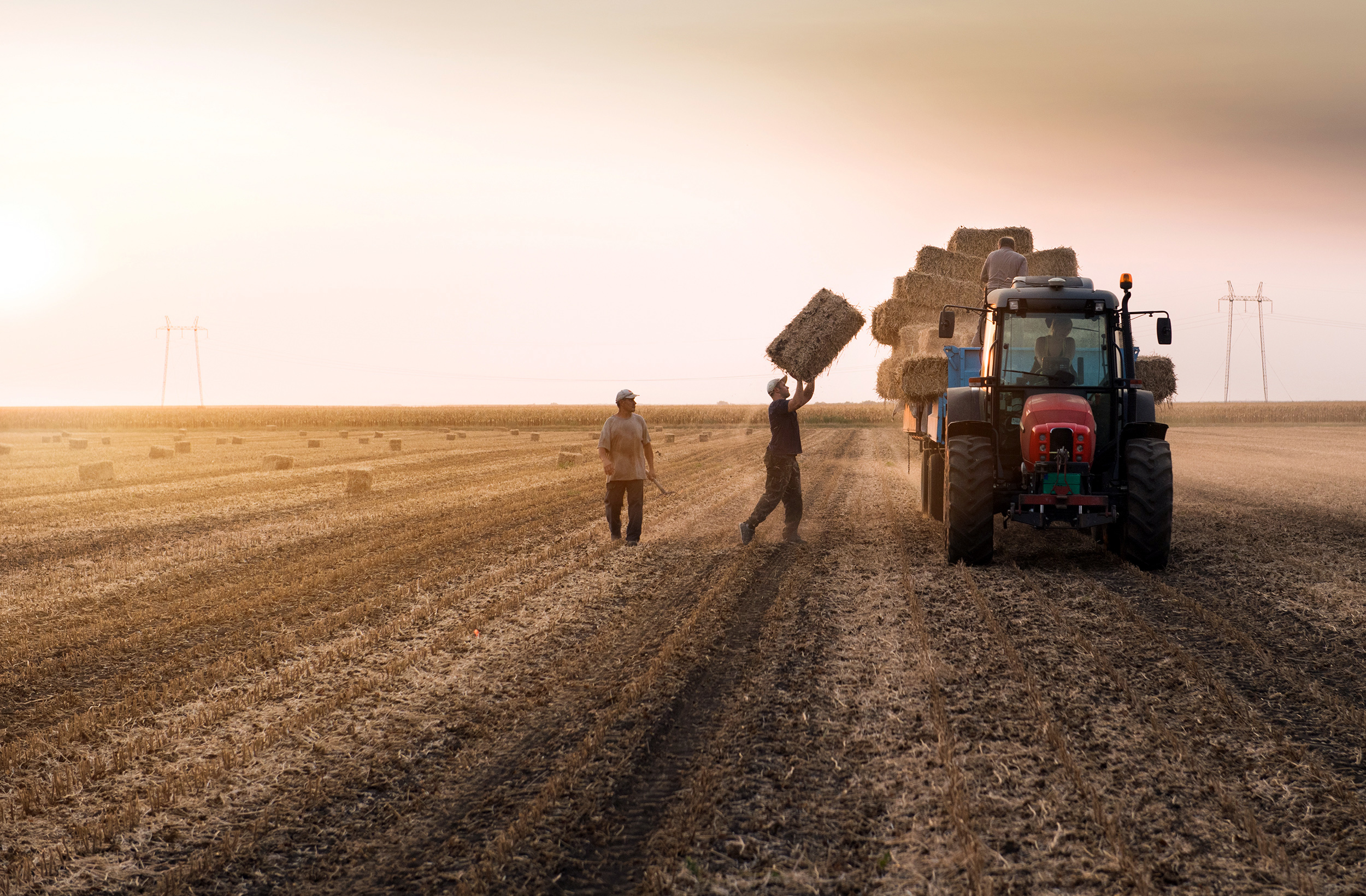
Farm country has never been short on rules that begin with “My granddad always said.” Some grew out of years of careful observation. Others survived because they were memorable, even if they were never accurate. Fall is a good time to sort a few of them out.
Take the old advice to feed livestock before bad weather. It makes real sense, especially when cold, wind and moisture raise an animal’s energy needs. For cattle and horses, good-quality forage also creates heat through digestion. The useful part of the saying is that animals heading into cold stress need water, forage, shelter and enough energy available before conditions get bad. A full belly won’t protect them from a storm by itself.
Then there is the belief that animals can predict the weather. Cattle lying down don’t reliably forecast rain. Horses running the pasture aren’t a dependable sign that a front is coming. Animals do respond to changes in temperature, wind, insects and barometric pressure, and experienced stockmen often notice behavior before they notice the weather. That still falls short of a proven forecast.
Persimmon seeds are another favorite. Split the seed and, according to folklore, a spoon-shaped kernel means heavy snow, a knife means cutting cold and a fork predicts a mild winter. It’s a fun tradition, but the shape inside a persimmon seed is the developing plant embryo. It can’t model a season’s weather.
The same goes for woolly worms. People have long used the width of the brown band on woolly bear caterpillars to predict how hard the winter will be. Entomologists haven’t found evidence that the color pattern can forecast months of weather. The band can vary with the insect’s age, species and growing conditions.
Some sayings are based on real natural signals but are too broad to use literally. “When the leaves turn early, winter will be hard” confuses plant stress with forecasting. Early color can come from drought, disease, heat or local conditions. Likewise, unusually thick coats on horses or cattle may reflect genetics, day length, age and health rather than an animal preparing for a particular winter.
Bird and insect behavior inspires plenty of predictions, too. Large flocks, low-flying birds or busy squirrels may coincide with changing weather because animals respond to current conditions. That doesn’t mean wildlife can predict a whole winter months ahead. Pay attention to what animals are doing now, but don’t build a seasonal forecast from it.
The same caution applies to other signs. A red sunrise may point to moisture under some conditions, but it isn’t a guarantee. A big acorn crop doesn’t prove a hard winter is coming. Livestock lying down doesn’t mean rain is on the way. Trouble starts when observation turns into certainty.
The sayings that hold up
Other old advice has held up much better. “Don’t turn hungry cattle onto lush pasture” is still sound management. Hungry animals eat fast and are more likely to overeat unfamiliar or risky forage. Gradual transitions are still recommended when cattle move to high-quality forage, grain or pastures where bloat or plant toxicity is a concern.
“Make hay while the sun shines” also deserves its reputation. Hay quality depends heavily on curing conditions. Rain after cutting can leach nutrients, shatter leaves and raise the chance of mold when hay is baled too wet. Modern equipment makes hay faster, but you still need a good weather window.
One of the most useful pieces of old farm wisdom is simply to watch what is normal. A cow that hangs back, a horse that leaves feed, a water trough that empties faster than usual or a patch of pasture cattle suddenly avoid can all be early clues. Producers who work with the same animals and ground every day build a baseline no phone app can replace.
Another old rule worth keeping: fix small problems before weather makes them big. A loose gate hinge in September becomes a gate on the ground during a north wind. A slow water leak becomes an ice problem. A thin cow that looks acceptable in warm weather may lose condition fast once her maintenance requirements rise. That is the advantage of doing work while conditions are still forgiving.
The strongest farm sayings tend to be the least magical. “Never let the water tank go dry.” “Buy the best hay you can afford, then waste as little as possible.” “A good fence is cheaper than a bad neighbor.” They survive because they point toward management, not prophecy.
Some old advice also survives because it was built for a world with less margin for error. If the well failed, no delivery truck was coming with water. If hay spoiled, you couldn’t always replace winter feed with a phone call. Preparing early was risk management, and that part still translates. Technology gives producers better forecasts, better diagnostics and faster communication, but none of it fixes a broken water line during an ice storm.
There is value in keeping the folklore anyway. Weather signs and sayings are part of rural culture, and they often start conversations about how people watched the seasons before radar apps and seven-day forecasts. The trick is knowing which sayings belong in the toolbox and which belong around the coffee pot.
The persimmon seed can stay, as long as nobody mistakes it for the National Weather Service. The old rule most worth keeping may be the simplest: pay attention early enough that you still have choices.
By Tony Dean, tonydean.tx1@gmail.com
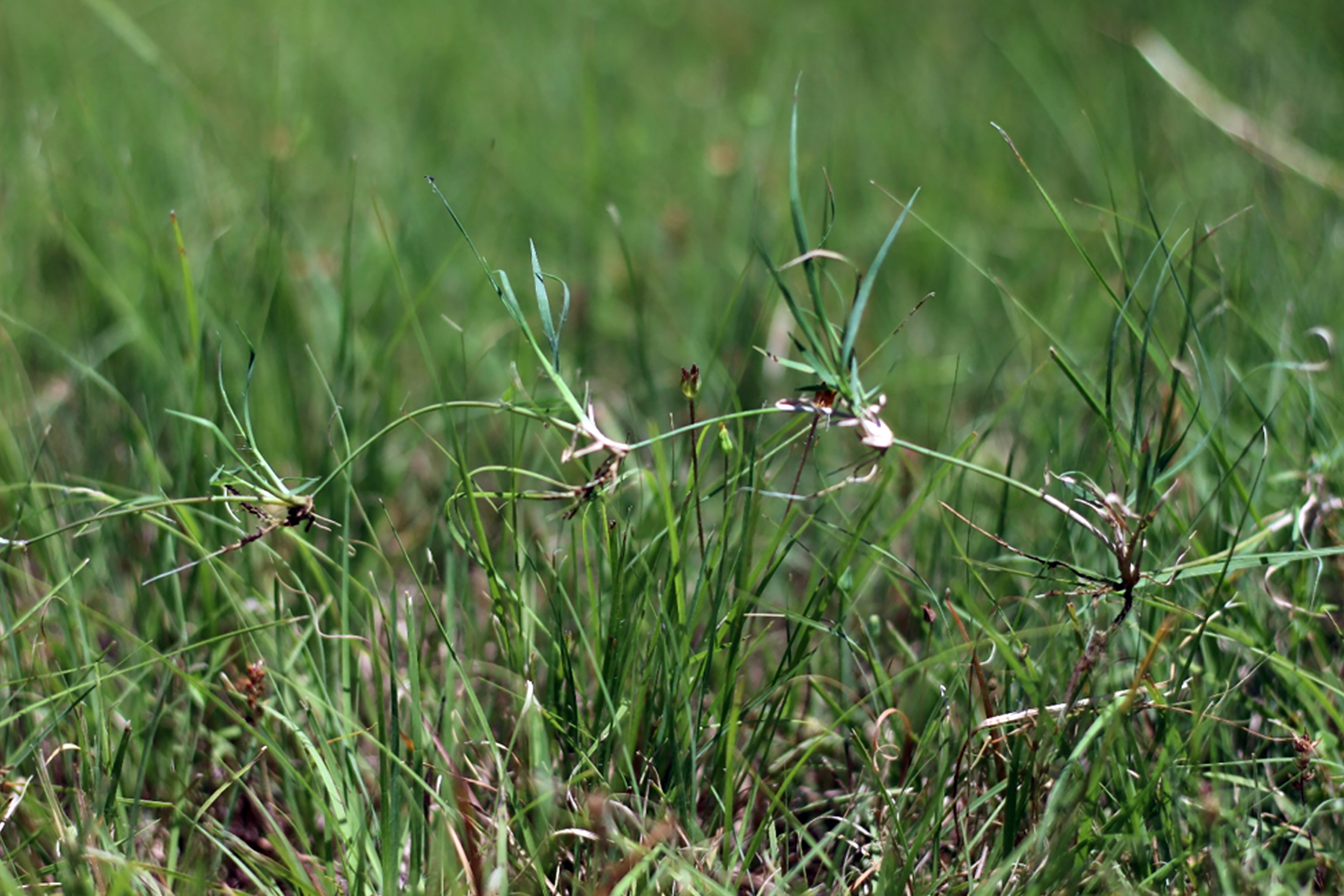
Buffalograss is one of the historically important grasses of the plains. It is adapted to a wide area of the central U.S., from Texas to Montana, and it was an important source of grazing for the vast herds of bison that roamed the plains. It is still an important forage resource for cattle and other grazing animals today.
Buffalograss is a low-growing, warm-season perennial. It is adapted to clay and loamy soils and grows best in the 15- to 30-inch rainfall belt. In Texas, you rarely see it in far East Texas or on deep sandy soils. During the growing season it has a soft grayish-green color, then turns straw-colored when dormant.
It can grow across large areas in a virtually solid stand or blend with other grasses if conditions allow. In Texas, its companions normally include blue grama, hairy grama, Texas grama and possibly sideoats grama.
Buffalograss doesn’t produce much volume, growing no more than 5 to 8 inches tall, but cattle strongly prefer it. Crude protein during the summer months runs 10 to 12 percent, and it cures well during the winter dormant season. Cattle will choose it in most pastures but usually don’t overgraze it heavily because of its short growth form. It keeps its vigor if grazed no shorter than 2 to 3 inches.
Male and female plants
Buffalograss is one of the few native grasses that produces male and female plants separately. The small seed heads, or flags, mark the male plants. Buffalograss sometimes forms small colonies a few square feet in size dominated by either male or female plants. The female plants produce the seed, a hard bur that sits low among the leaves near the ground.
Buffalograss reproduces by seed and by runners called stolons. Stolons grow along the soil surface and can root down at the nodes. A good way to identify buffalograss is the many stolons growing from both male and female plants. Stolons from male plants are male, and stolons from female plants are female.
Those stolons give buffalograss added erosion control. It is considered a sod-forming grass.
Telling it apart
People sometimes confuse buffalograss with curly mesquite, another low-growing grass. Before flowering, you can tell them apart by pulling up a stolon and running the stretch between the nodes across your lips. If it feels rough like sandpaper, it is curly mesquite. If it is smooth, it is buffalograss.
In the yard
Besides its value as forage, buffalograss is often used in lawns designed to tolerate drought. With irrigation and fertilizer, it doesn’t get much taller, but it forms a denser sod and turns darker green. During drought, it fades to a lighter straw color but can survive long dry periods if it has a healthy root system. It isn’t particularly shade tolerant and doesn’t do well in high-traffic areas.
Seed is available for planting, and treated seed usually germinates more readily than untreated seed. Soil temperatures in May normally favor germination, but the seed won’t germinate until it has adequate moisture.
By Savannah Magoteaux
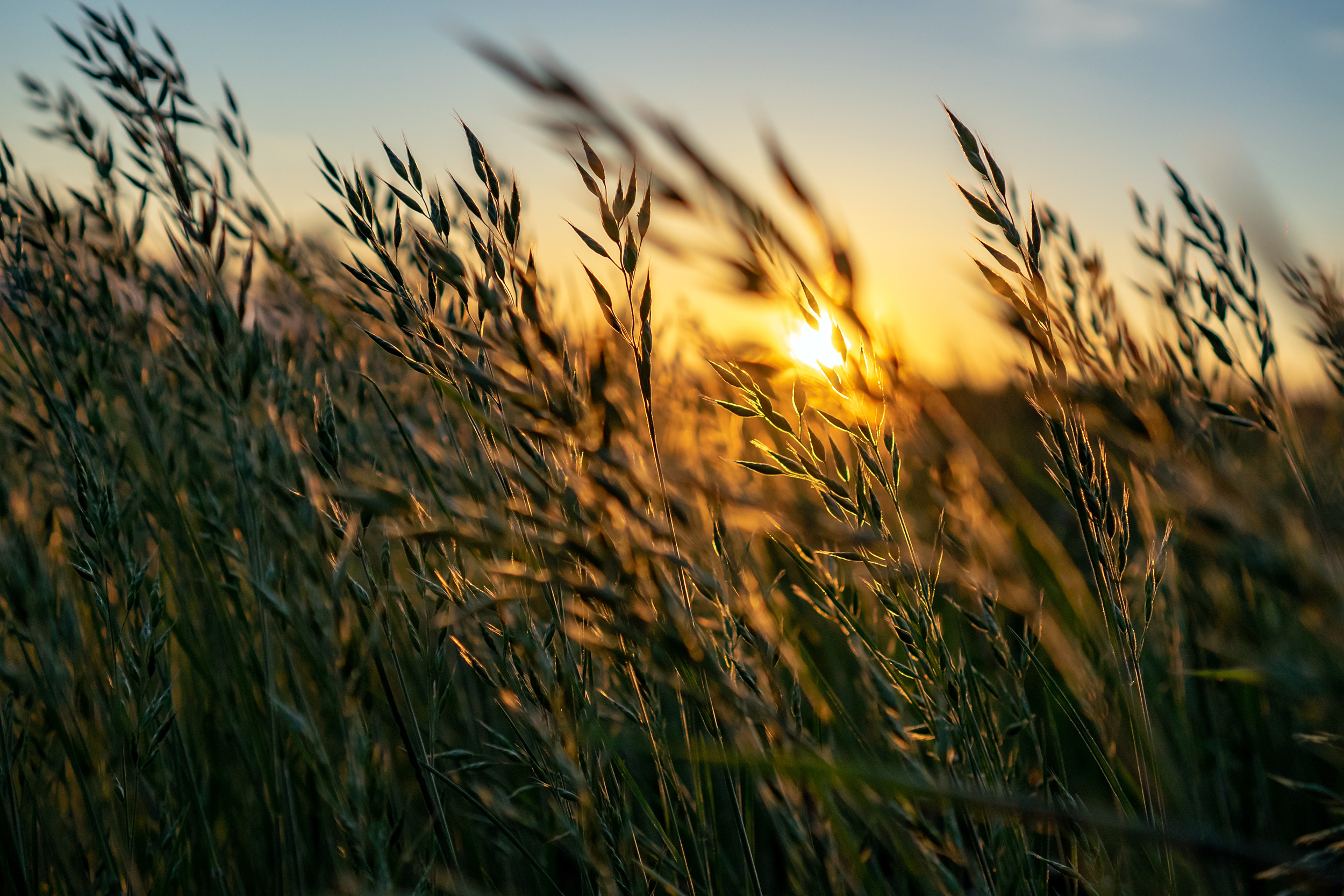
Two bales can look almost identical and feed very differently. Color, smell and leafiness tell part of the story, but a forage test tells you what your cattle are actually being offered. If you buy hay by the ton or are trying to stretch winter feed, that little lab sheet can be one of the cheapest management tools on the place.
Reading the report
Start with dry matter. Hay contains water, and labs report nutrients either “as fed” or on a dry-matter basis. Feeds are easiest to compare on a dry-matter basis because it takes moisture out of the comparison. Hay that is 90 percent dry matter is about 10 percent water.
Crude protein, usually abbreviated CP, is the number most people recognize. It estimates protein from the forage’s nitrogen content. Higher isn’t automatically better. The goal is to match the hay to the animal. A dry, mature cow in mid-gestation doesn’t need the same protein as a lactating cow, a growing replacement heifer or a young calf.
Energy matters just as much. Beef cattle forage reports commonly estimate energy as total digestible nutrients, or TDN. Low-TDN hay may fill a cow up before it supplies enough energy, particularly when her requirements rise late in gestation or during lactation. That is when you may need better forage, an energy supplement or a different feeding plan.
Fiber numbers explain why some hay looks coarse and why animals may not be able to eat enough of it. Neutral detergent fiber, or NDF, is closely tied to intake. As NDF climbs, cattle generally eat less because the forage moves through the digestive tract more slowly. Acid detergent fiber, or ADF, is tied to digestibility. Higher ADF generally means lower digestibility.
Some reports also include relative feed value or relative forage quality. These indexes help compare lots of forage, particularly alfalfa and mixed hay, but they aren’t a complete ration. They don’t replace looking at protein, energy, minerals, animal class and expected intake.
Then come the numbers you hope are boring. Nitrate testing matters when drought, heavy nitrogen fertilization, cloudy weather or other conditions have stressed the forage enough to cause nitrate accumulation. Sorghum-type forages, johnsongrass, corn and some weeds deserve particular attention. Nitrates stay in hay after it is cut and baled, so a risky crop doesn’t become safe just because it dried.
Minerals deserve a look, but this is where a hay report gets harder to interpret. Calcium, phosphorus, potassium, magnesium and other minerals may be listed, yet a complete mineral program depends on water, other feeds and local conditions. A high number isn’t always an advantage. Excessive potassium, for example, can interfere with magnesium use under some circumstances. If you are balancing a ration for high-risk animals, work with a nutritionist or Extension specialist rather than treating the lab sheet as a stand-alone mineral prescription.
Moisture tells another story. Hay baled too wet is at greater risk of heating and mold, and very wet hay can become a fire hazard as microbial activity raises its internal temperature. A test taken months later can’t reconstruct every storage problem, so inspect the stack, too. A musty odor, visible mold, unusual heat and dark discoloration are all reasons to investigate.
Getting a good sample
A hay test is only as good as the sample, and sampling is the step most likely to ruin a good analysis. A handful pulled from the outside of one convenient bale doesn’t represent a stack of 100 bales. Round bales aren’t uniform from the outside to the center, and one bale may not represent the whole cutting.
Texas A&M AgriLife recommends using a hay probe and collecting cores from multiple bales in a lot, then combining them into one representative sample. A coring probe reaches through the layers of the bale and gives the lab a much better cross-section. Test different cuttings, fields or hay types separately, and don’t blend samples from separate fields or cuttings to save the cost of a test if you will feed them as separate lots.
Putting the numbers to work
The most useful way to read the report is backward from the cattle. What class of animal will eat this hay, at what stage of production, and how much is she likely to eat? Once you answer those questions, the lab numbers start to mean something.
A mature dry cow in good body condition can often use lower-quality forage than a first-calf heifer nursing a calf. Young cattle need nutrients for growth on top of maintenance, and cold stress raises energy demand. A hay test becomes valuable when you pair it with those real-world differences.
Remember that price per bale isn’t the same as price per unit of nutrition. A cheap bale with very low energy and protein may require expensive supplementation, and better hay can turn out to be the lower-cost feed once you count waste and supplements.
Before buying, try putting two hay reports side by side. Compare dry matter, crude protein, TDN and fiber first. Then add delivered cost and likely feeding waste. A heavier, denser bale isn’t automatically more economical, and a greener bale isn’t automatically more nutritious. The numbers make the comparison fair.
Testing is especially valuable after a hard weather year. Drought hay may be lower in yield and higher in nitrate risk. Mature, rain-damaged hay may test lower in protein and energy than it looks. Hay cut from a fertilized field after stress may deserve a safety screen before it ever reaches a feeder.
A forage test won’t make poor hay better. It shows you where the gaps are before your cattle show them through lost condition or lower performance. One report can’t answer every feeding question, but it replaces several guesses with measurements, and that makes winter nutrition planning much more accurate.



-
 Country Lifestyles4 years ago
Scott & Stacey Schumacher: A Growth Mindset
-
 Country Lifestyles10 years ago
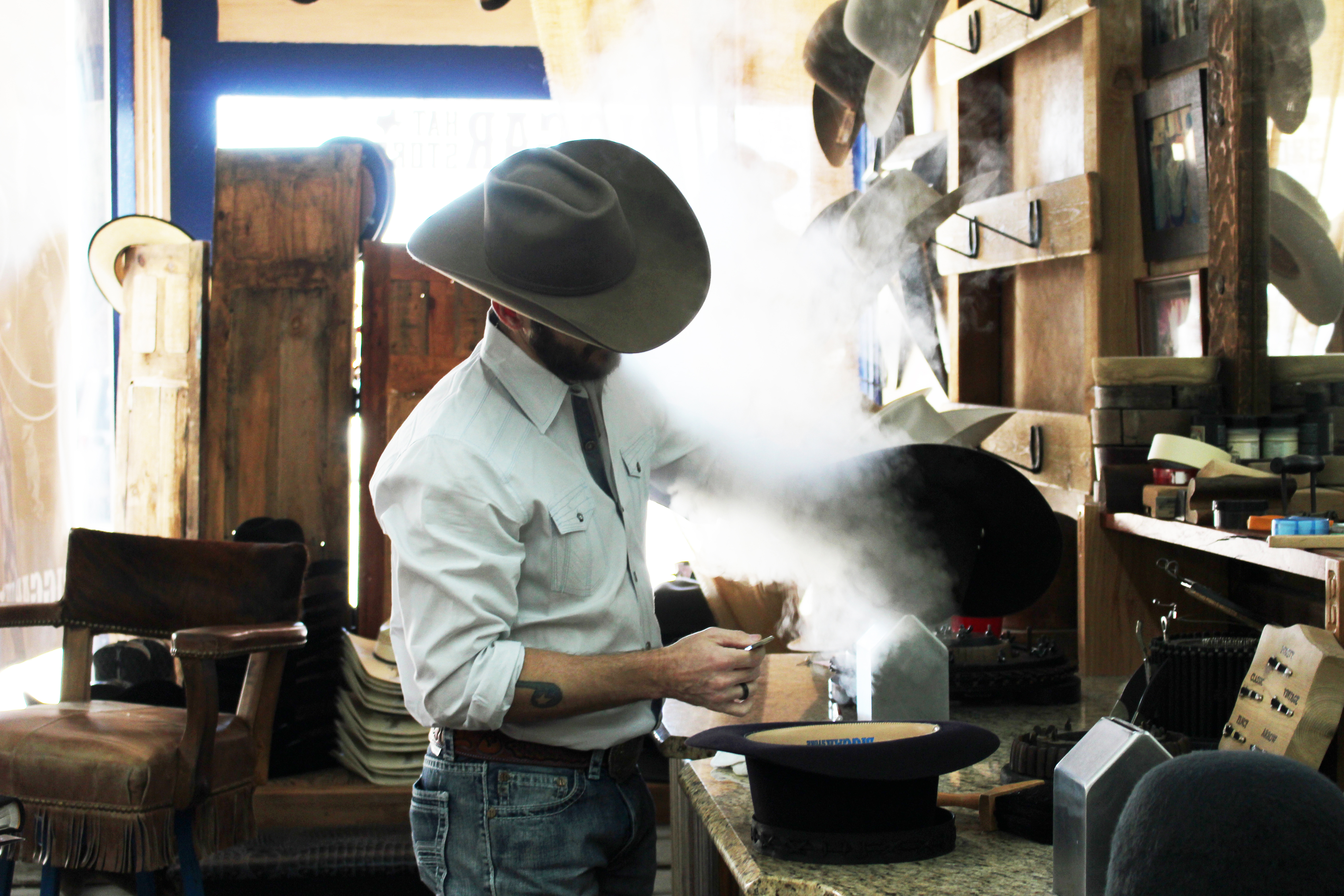
Style Your Profile – What your style cowboy hat says about you and new trends in 2017
-
 Horsefeathers13 years ago
Mount Scott: Country Humor with David Gregory
-
 Outdoor11 years ago
Buttercup or Primrose?
-
 Country Lifestyles10 years ago
June 2016 Profile – The man behind the mic: Bob Tallman
-
 HOME10 years ago
Grazing North Texas – Wilman Lovegrass
-
 Country Lifestyles10 years ago
December 2016 Profile, Rusty Riddle – The Riddle Way
-
 The Natural Horseman9 years ago
This is why we do what we do — RayeAnn and Cisco