
HOME
The Natural Horseman – Bruce Lee

By Steve Stevens
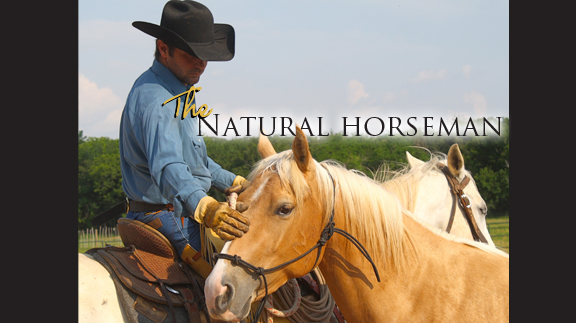
Bruce Lee might have been the greatest horseman and nobody knows it.
Although I cannot find many pictures of Bruce Lee riding horses, his philosophies on life and martial arts transcend genres. And if you can read between the lines, his messages not only work in life and martial arts but also in horsemanship.

Bruce Lee was a pioneer of breaking stereotypes by teaching his ways—very guarded old world techniques—to outsiders while keeping his mind open to teach change.
That change and the never ending learning curve of life must always stay open. What we today call mixed martial arts, most popularly with the UFC, is athletes training in all aspects of the martial arts: boxing, Karate, Judo, Jiu Jitsu, and so on.
Bruce Lee went on a journey a little over 40 years ago to learn how to combine the best of all of those techniques to make a perfect artist.
Martial arts, like horsemanship, goes back thousands of years and is grounded in deep world traditions. So for Lee, to challenge that was no easy feat.
Each style of martial arts believed their way was better than the others and were stuck in a “my way or the highway” state of mind.
Lee was the first to start to break down those walls and today it is shown that one style can not defeat someone who has the knowledge of all of the styles.
I feel like this has a correlation with horsemanship. Although today, there are many starting to understand cross training techniques in horsemanship, there are still many stuck in old way traditions and styles. Being an advocate for the horse, I think Bruce Lee’s concept of taking the best from each world would be highly appreciated from our fellow horse and not getting stuck with one idea if it is not working.
He also talks a lot about using the technique that is the most simplistic, not the most beautiful or impressive, just the most simple. We have a tendency to miss the most basic and functional of techniques because we are too busy trying to show off.
Staying simple is the quickest way to create harmony with your horse.
He also talks a lot about finding truth in yourself, and if one can’t admit their fears, frustrations and motive, they are doomed to relive it over and over again. Does this sound familiar with horse training?
This could never be more pertinent than in regards to the horse because to me, he is the giver of truth. He knows all of your emotions, whether you choose to admit to them or not. The problem lies in when you can’t be honest with your emotions and your truth. It becomes hard to make a breakthrough in your training, your horsemanship and yourself.
The greatest trainers I have ever known had understood and maybe not put it this way, but that horsemanship is an art form and it is a never ending opportunity to learn about your horse and more importantly about yourself. Once you have quit learning, to me you have nothing left to offer the horse.
So those horsemen and horsewomen who work every day at striving to become better themselves will in turn be better for the horse. There is no finality to it. The learning will never end.
Bruce Lee believed that to be the best artist, you had to be one hundred percent truthful with yourself so you could live in the moment with no ego.
That is the only way you can react and see the full picture clearly with horses and life. Tough to do riding horses, but I think it should be the goal of all horsemen and horsewomen.
Horses are our greatest teacher and I can promise you that if Bruce Lee worked with horses he would be their greatest student.
From Bruce Lee’s handwritten essay entitled “Toward Personal Liberation (Jeet Kune Do),” circa 1971—-
A learned man once went to a Zen master to inquire about Zen. As the Zen master talked, the learned man would frequently interrupt him with remarks like, “Oh, yes, we have that too,” and so forth.
Finally the Zen master stopped talking and began to serve tea to the learned man; however, he kept on pouring and the tea cup over-flowed. “Enough! No more can go into the cup!” the learned man interrupted. “Indeed, I see,” answered the Zen master. “If you do not first empty your cup, how can you taste my cup of tea?”

By Landon Moore
The holidays are coming up, and for many people this is a favorite time to do canning. Whether it is putting up the last harvest from the garden or making a unique gift for family and friends, canning is often on the mind. However, there is some confusion when it comes to certain kinds of canned goods. Many people use the terms “jam” and “jelly” interchangeably, and when you add in “butters,” “preserves,” and “conserves,” it can become a recipe for confusion. To clear things up, let’s take a look at what these different forms of canned goods are and what sets them apart.
This article focuses on jellied fruit products. Other canned goods such as pickles, chutneys, and fruit in syrup will not be discussed. The goal is to explain the forms of canned goods that are essentially the same thing with only minor variations. The word “form” is used intentionally, since many of these are the same basic product with a few small changes, extra ingredients, or longer cooking times. Before we dive into each variety, it helps to understand the process that allows these spreads to form in the first place.
As fruit cooks, its cells break down and release pectin, a material that gives the fruit structure. When enough sugar and acid are present, the pectin will resolidify as it cools, creating the gel-like consistency that makes a spreadable product. This is how canning was originally done. It is time-consuming and easy to burn, since it must be cooked to just the right consistency. The long, slow cooking gives the finished product a distinct caramel-like flavor. If it is taken off the heat too soon, it will not set. If it stays on too long, the result can be hard candy or burned sugar. Some fruits also lack enough pectin to gel properly, but powdered pectin is now available and makes canning much easier. Still, certain products such as fruit butters must be cooked the traditional way and are best attempted once you have a little experience.
The simplest form of canned goods is jam. At its most basic, jam can be made with nothing more than crushed fruit and sugar. Many berry jams contain only these two ingredients. This kind is often called “old-fashioned jam.” To make sure enough pectin is present, it helps to use about one-quarter slightly under-ripe fruit. Even then, old-fashioned jam tends to be a bit softer than those made with added pectin. The long cooking time allows the water to slowly evaporate. Too much water, and the jam will not set. Too little, and you will have made hard candy. The jam thickens gradually as the water cooks off. Recipes may give a general idea of cooking time, but it depends on your stove. Some cooks use a candy thermometer, while others rely on watching the consistency.
For fruits that do not have enough natural pectin, or for those who do not have the time or patience for the trial and error of cooking old-fashioned jam, powdered pectin is the solution. It greatly shortens the cooking time and makes it easier to get consistent results. To make a traditional jam, the crushed fruit and pectin are combined in a pot before turning on the stove. Once it reaches a boil, sugar is added all at once and the mixture is brought back to a boil for a short time, usually about a minute. After that, it can be taken off the heat and poured into jars. Liquid pectin is another option, but it usually requires much more sugar and can make the finished product overly sweet.
Preserves are only slightly different from jam. They contain larger pieces of fruit suspended in jelly. While jam is made from completely crushed fruit, preserves are made from roughly chopped pieces. Pectin helps shorten the cooking time and keeps the chunks of fruit from breaking down too much.
Conserves are another variation, though not as common. They are essentially jam that includes dried fruit and nuts. Conserves are often spiced and served at breakfast. They usually feature one main fruit as the base, with added dried fruit, nuts, and sometimes citrus for extra flavor.
Marmalade is a more familiar term. It consists of fruit pieces and small slices of citrus peel suspended in a jelly. The long cooking time softens the peel, but leaves a slight bitterness that contrasts with the sweetness of the jelly, creating a complex flavor. Orange marmalade is the best known, but the original was actually made with quince. Marmalades can also be made with apples, onions, chiles, or tomatoes. While they might sound intimidating, they are easier to make than many people expect.
Jelly is made from strained fruit juice and sugar. It is clear, firm, and smooth. Though beautiful and delicious, jelly can be time-consuming and somewhat wasteful, since it takes a lot of fruit to make a small batch. The fruit is usually simmered in a small amount of water, then poured through a cheesecloth-lined sieve to drain for several hours. Only a few fruits have enough natural pectin to set without added pectin, but traditional jellies made this way have a rich and distinctive flavor.
For those who like a challenge, fruit butters are worth trying. They are not difficult, but they require attention and patience. When made correctly, fruit butter is silky smooth with a deep caramelized flavor. When made incorrectly, it can turn into a pot of scorched sugar and wasted fruit. To make fruit butter, puree the fruit, usually with spices, and cook it slowly for an hour or more. This reduces the water content while caramelizing the mixture. It is finished when a spoonful holds its shape and spreads smoothly on a chilled plate.
Finally, there are fruit honeys and syrups. Fruit honey is made by cooking crushed fruit and juice until it reaches the thickness of real honey. Pear honey is the most common example. Syrups are similar but thinner, made to remain pourable. Some recipes include corn syrup to increase thickness without making the result too sweet.
Even within this small area of canning, there are many directions a person can go. From soft jams to smooth butters and glossy jellies, the possibilities are endless. Canning combines creativity with science, and the results are as varied as your imagination.

By: Landon Moore
Landon Moore is the Wise County 4-H President and a member of the Wise County 4-H County Council. He is involved in beekeeping, as well as raising rabbits and poultry.
This essay was one that he wrote, and it was named the champion for both the Texas and National chapters of the Foundation For The Preservation of Honey Bees.
Varietal honey is honey that comes from a single source.
This honey has a flavor derived from the source flower and can even have a similar scent. In general, lighter colored honeys have a more subtle taste and dark honeys are more intense. Varietal honey has been compared to wine, in that honeys produced in different years can be distinguished, even if they come from the same flower and location.
This phenomenon is called terroir and is responsible for the individual taste of each honey harvest.
To read more, check out the digital edition of the 2024 October issue North Texas Farm & Ranch magazine. To subscribe by mail, call 940-872-5922.
By: Norman Winter | Horticulturist, Author, Speaker
Early in the summer, I was sent a press release that caused one of those holy wow moments. The headline said it all, “Proven Winners ColorChoice Expands Catalog with the Addition of Hollywood Hibiscus.”
I had already become familiar with the Hollywood Hibiscus series and was thrilled that the Proven Winners was adding this to their lineup.
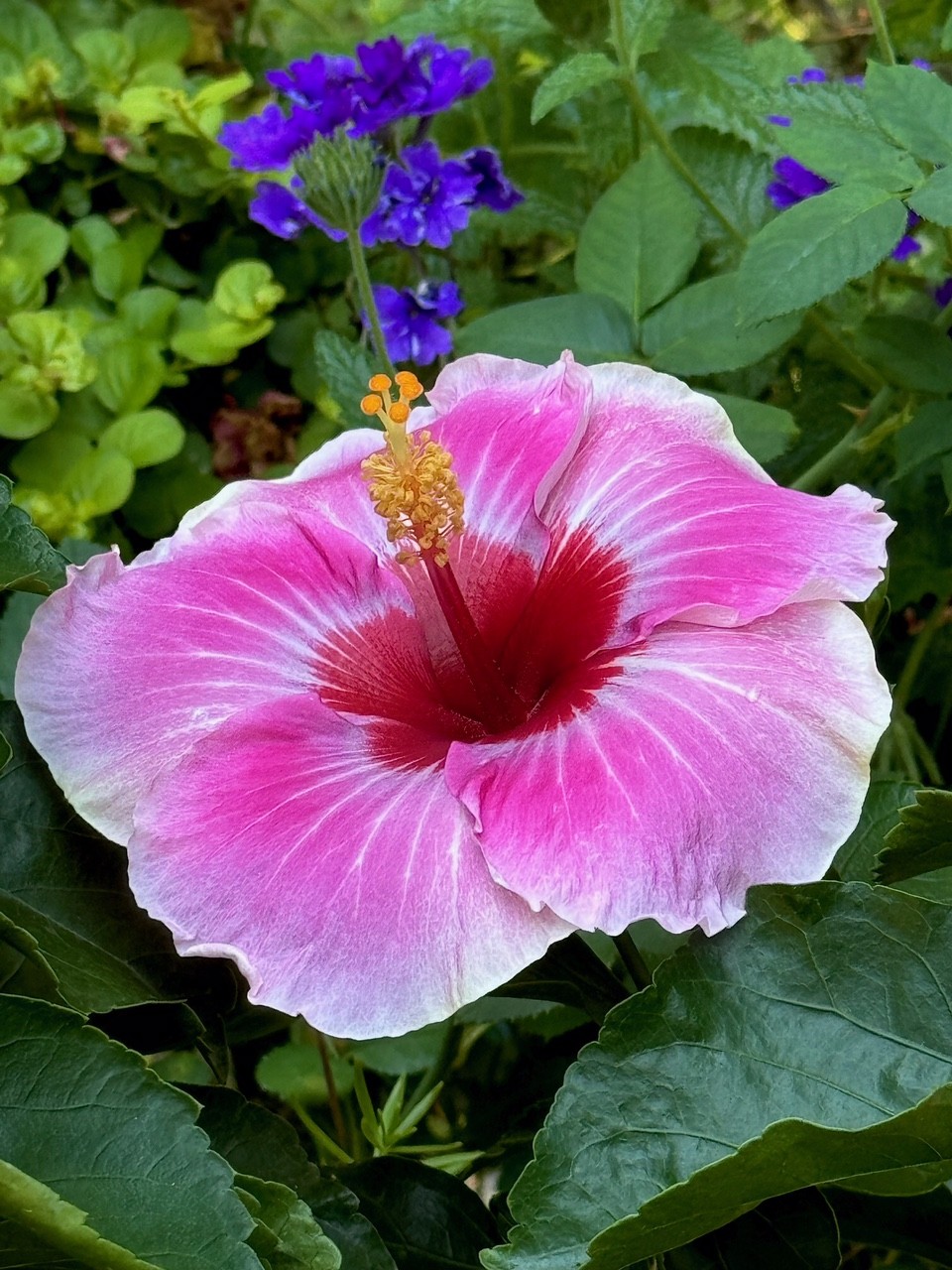
This flower is nothing short of beautiful and exhibits prolific flower production. The flowers show three distinct colors, deep red in the very center, then the majority which is a rich rose pink with lighter pink to white along the margins.
To read more, read the 2024 October digital edition of North Texas Farm & Ranch magazine. To subscribe by mail, call 940-872-5922.




-

 Country Lifestyles3 years ago
Scott & Stacey Schumacher: A Growth Mindset
-
 Country Lifestyles9 years ago
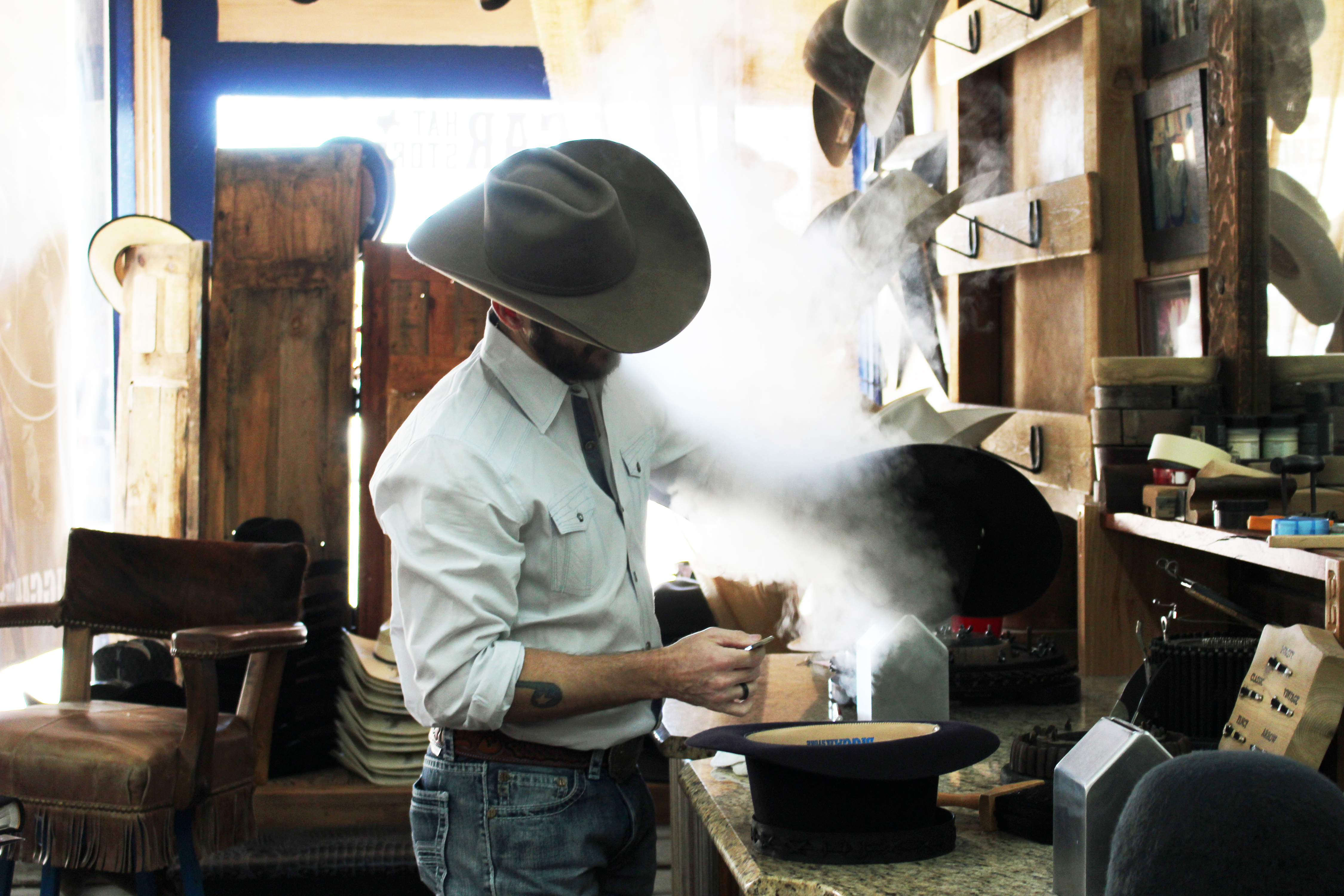
Style Your Profile – What your style cowboy hat says about you and new trends in 2017
-
 Horsefeathers12 years ago
Mount Scott: Country Humor with David Gregory
-
 Country Lifestyles10 years ago
June 2016 Profile – The man behind the mic: Bob Tallman
-
 Country Lifestyles10 years ago
December 2016 Profile, Rusty Riddle – The Riddle Way
-
 Outdoor11 years ago
Buttercup or Primrose?
-
 HOME9 years ago
Grazing North Texas – Wilman Lovegrass
-
 The Natural Horseman9 years ago
This is why we do what we do — RayeAnn and Cisco