
Equine
Winter Water Solutions


Winter brings its own set of challenges. For ranchers and horse owners, few are more pressing than keeping water available. Cold weather, frozen tanks, and ice buildup can cut animals off from the single most important nutrient. Cattle can survive on short pasture and horses can get by on hay, but without water, everything stops. Hydration affects digestion, body temperature regulation, and overall health. That’s why every winter, producers across Oklahoma and North Texas turn their focus to one essential question: how do you keep water flowing when the mercury drops?
The struggle against frozen water isn’t new. Generations before electricity, rural families learned to outsmart the cold with ingenuity and grit.
Chopping Ice – One of the oldest solutions was also the most labor-intensive: grabbing an ax or a bar and breaking ice daily. While effective, this method demands constant attention and becomes impractical during long cold snaps. Horses and cattle can quickly fall behind on intake if a rancher misses even a few hours.
Windmills and Groundwater – Traditional windmills pumping from underground aquifers often provided water that was warmer than surface tanks, since groundwater stays at a relatively stable temperature year-round. Many old ranches still rely on this method, though windmill upkeep is a challenge in itself.
Insulated or Buried Lines – Families learned to bury water lines below the frost line or wrap them with insulating material. That practice continues today, and it remains one of the most effective long-term strategies for preventing frozen pipes.
Floating Devices – Ranchers also improvised with floating logs, balls, or even old tires in stock tanks. The movement helped keep ice from sealing solid and gave livestock a space to drink. While not foolproof, the idea is still used in remote areas.
These methods show the persistence of rural people, but modern technology has added new tools to the fight.
Today, ranchers and horse owners have a wide menu of winter water solutions, ranging from simple add-ons to major investments.
Heated Waterers – Electric or propane-powered waterers remain the most reliable way to ensure animals never face ice. Available in tank heaters, floating units, or fully enclosed automatic waterers, they keep temperatures above freezing even during prolonged cold. The trade-off is cost: electricity bills can spike, and in rural areas, running lines to distant tanks may not be practical. Still, for barns, lots, and heavily used pastures, heated waterers are a standard tool.
Solar Solutions – Where electricity isn’t available, solar-powered heaters have gained traction. Panels run small heating elements or pumps, reducing reliance on grid power. Though initial costs are high, they provide independence and sustainability, especially in sunny but cold climates.
Geothermal Systems – Some operations use earth’s steady underground temperature to keep water from freezing. By burying lines or tanks and tapping into geothermal exchange, water stays at safe levels without heavy energy use. These systems are especially effective when designed into new construction.
Automatic Waterers with Constant Flow – In some cases, ranchers use systems that keep water trickling constantly. Movement prevents ice buildup, though it can waste water if not carefully managed. This method works best where water supply is abundant and low-cost.
Tank Additives – While chemicals are never recommended for human or animal safety, some producers use nontoxic dyes or floating covers to limit algae and ice. These are niche options, but they illustrate the creativity at play.
Practical Ranch Hacks – Many ranchers mix and match. Submersible de-icers paired with insulated tank covers, old truck hoods repurposed as windbreaks, or even placing tanks on south-facing slopes to maximize sun exposure can make the difference between usable and frozen water.
Why does all this matter so much? Because winter dehydration can have cascading effects. Horses, for instance, are prone to impaction colic when water intake drops. Cattle that can’t drink freely eat less feed, lose weight, and struggle to maintain body condition. Calves and older animals are especially vulnerable. Even wildlife around a farm benefits from accessible water sources.
Beyond animal health, reliable winter water reduces labor stress. Instead of breaking ice in multiple tanks at dawn and dusk, producers with dependable systems can focus on feeding, calving prep, or other winter tasks. In a season where daylight is short and weather unpredictable, those saved hours are invaluable.
Water is the lifeblood of the ranch, and winter tests every producer’s ability to keep it flowing. From chopping ice with an ax to installing solar-powered heaters, solutions have evolved, but the goal is the same: hydration without interruption.
For some, a floating log and a good bar might still get the job done. For others, investment in heated automatic waterers pays off every year. The choice depends on herd size, geography, and budget. What unites them is the understanding that winter water is not optional. It is essential, and it always will be.
References
Oklahoma State University Extension. Winter Livestock Water Management. https://extension.okstate.edu
Texas A&M AgriLife Extension. Cold Weather Livestock Care. https://agrilifeextension.tamu.edu
University of Minnesota Extension. Horse Hydration and Colic in Winter.
USDA Natural Resources Conservation Service. Livestock Watering Systems.
Aermotor Windmill Company. Windmills and Water Supply.
By NTFR Staff
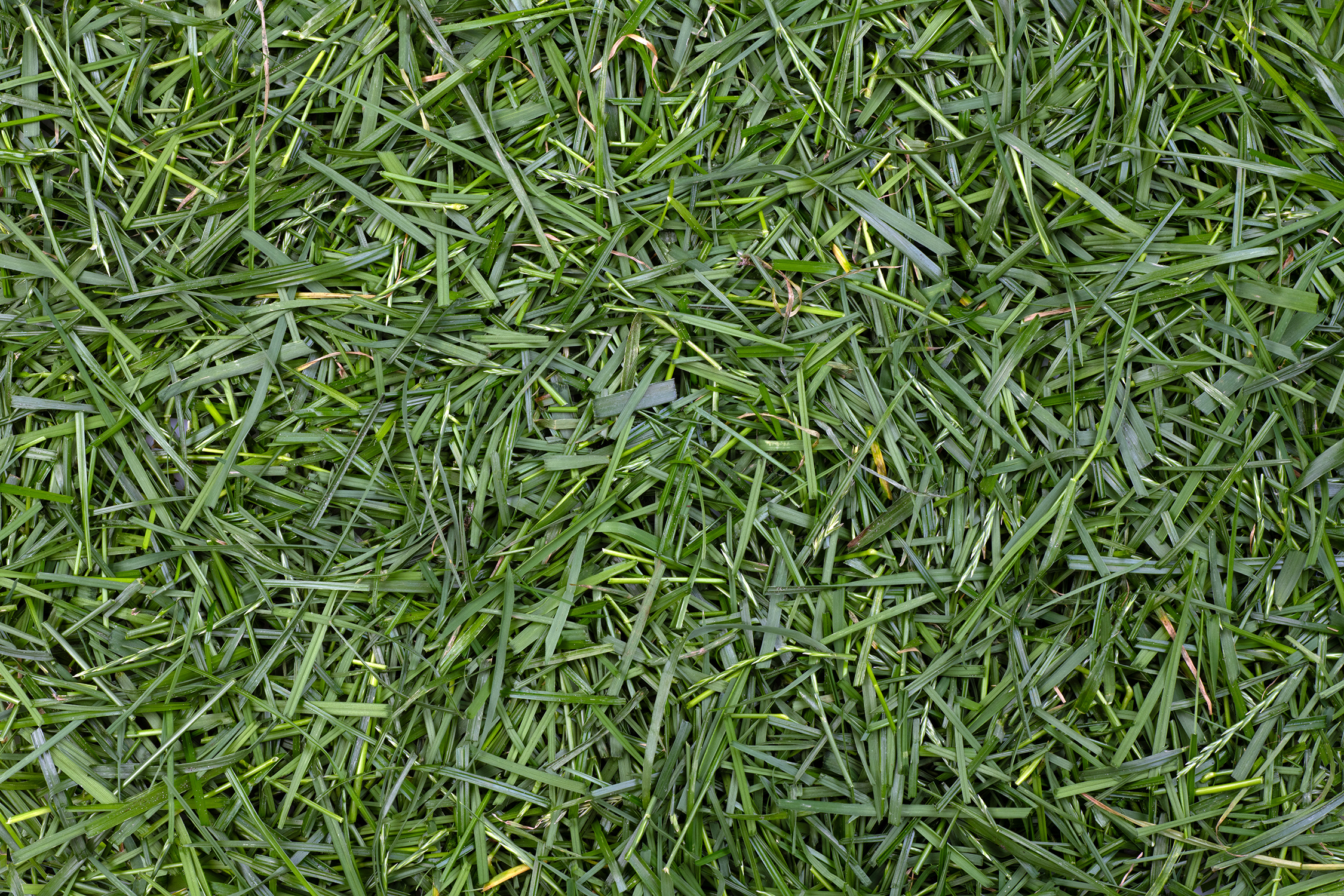
Every summer, as lawn mowers start making their rounds, the same warning seems to surface among horse owners: “Don’t throw those grass clippings over the fence.” For many people, the explanation has always been that fresh grass clippings will cause an impaction. Like many pieces of horse barn wisdom, the advice is sound, but the reason behind it isn’t exactly what most people think.
Veterinarians and equine nutritionists generally agree that horses should never be intentionally fed lawn clippings. However, the concern is not that chopped grass is likely to plug up the digestive tract. In fact, grass is highly digestible and contains a significant amount of moisture. Impaction colic is more commonly associated with dehydration, poor-quality forage, inadequate water intake, or other factors that slow the movement of feed through the intestines.
The real problem is how horses consume grass clippings. A grazing horse spends hours slowly eating small bites of forage throughout the day. A pile of freshly cut grass, on the other hand, allows a horse to consume a large amount in just a matter of minutes. That sudden intake can upset the delicate balance of microbes in the horse’s hindgut, increasing the risk of digestive upset, gas colic, and, in some horses, even laminitis.
Another concern is choke. Because grass clippings are already chopped into short pieces, horses often gulp them without chewing as thoroughly as they would standing in a pasture. If a large mouthful becomes lodged in the esophagus, the horse may develop choke, which requires prompt veterinary attention.
Grass clippings also begin to change quickly once they are piled together. Heat builds as the clippings start to ferment, and mold can develop surprisingly fast, particularly during warm, humid weather. Feeding spoiled or moldy forage is never recommended, and grass clippings are no exception.
One hazard that is easy to overlook has nothing to do with the grass itself. Many residential lawns have been treated with herbicides, insecticides, fertilizers, or other lawn care products that are not intended for grazing animals. Even if the grass looks healthy, chemical residues can remain on the clippings. A well-meaning neighbor tossing extra clippings over the fence may have no idea they are introducing a potentially dangerous substance into a horse’s diet.
There is one important distinction worth making. Mowing a horse pasture is not the same as dumping a pile of lawn clippings into a pen. When a pasture is clipped, the small pieces are spread across the field, and horses continue grazing normally. They consume only small amounts of the clipped grass as
they eat the standing forage. The concentrated pile, not the fact that the grass has been cut, is what creates the greatest risk.
Just remember that it isn’t an impaction horse owners should be worried about. It’s the combination of rapid consumption, digestive upset, spoilage, and potential chemical contamination that makes grass clippings a risk not worth taking.
The takeaway is simple. If your lawn needs mowing, keep the clippings out of the horse pasture.
Compost them, bag them, or dispose of them another way, but don’t be tempted to treat them as a free snack.
Sometimes the best horse advice has been passed from one generation to the next for good reason. In this case, the old warning still deserves a place around every barn.
By Savannah Magoteaux
Walk down the aisle of any horse trailer after a summer jackpot, ranch rodeo or trail ride, and you’ll probably see the same thing: saddle pads draped over gates, fences and trailer doors, drying in the afternoon sun. Some will be soaked through with sweat. Others will already be stiff with dried salt, caked hair and arena dust.
It’s easy to think of a saddle pad as just another piece of tack, but it has one of the hardest jobs on your horse.
Every ride, it cushions the saddle, helps distribute pressure across your horse’s back, absorbs sweat and allows heat to escape.
A quality saddle pad can last for years, but only if it’s properly maintained.
Allowing sweat, dirt and hair to build up doesn’t just shorten the life of the pad.
Over time, those materials compress the fibers, reduce the pad’s ability to wick moisture and create stiff spots that can rub against your horse’s back. Even the best-made pad can’t do its job if it has become hard as a board.
One of the simplest habits horse owners can develop is cleaning the pad after every ride. Knock off loose dirt, brush away hair and allow the pad to dry completely before putting it back in the tack room or trailer.
Storing a damp pad encourages mildew, odors and bacterial growth while also breaking down many of the materials over time.
While every saddle pad serves the same basic purpose, the material it’s made from determines both its performance and how it should be cared for.
For many western riders, wool felt remains the standard
One of its greatest advantages is that it gradually conforms to the horse’s back without losing its structure. To care for a wool felt pad, remove hair with a curry comb or stiff brush after each ride and let it dry thoroughly. When it does need a deeper cleaning, use cool water and a mild wool-safe detergent if recommended by the manufacturer.
High-pressure washers, harsh detergents and excessive heat can damage the wool fibers and reduce the pad’s performance.
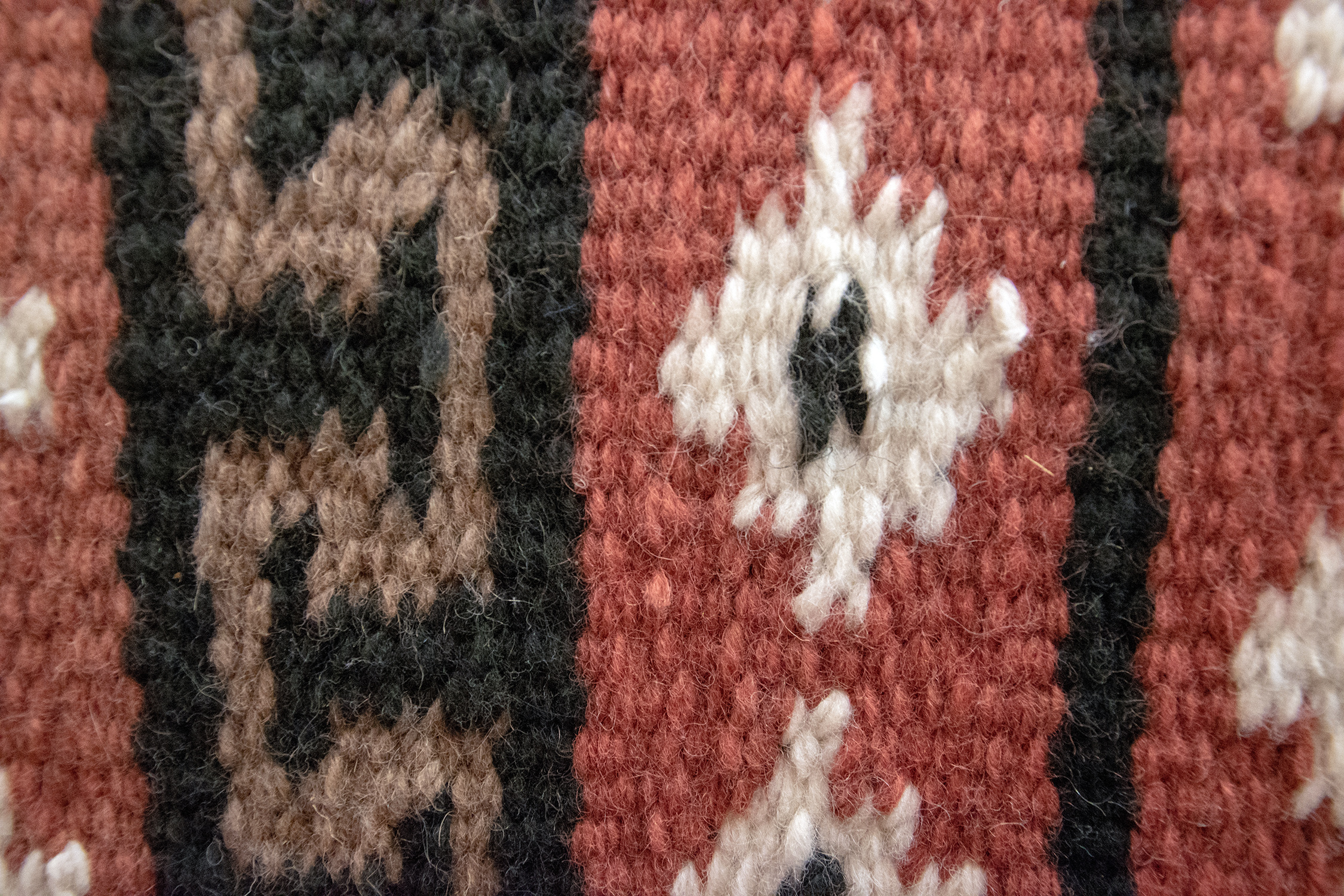
Traditional woven wool blankets are still popular, particularly beneath ranch saddles or as a top blanket over a felt pad. They should be shaken out regularly, brushed clean and washed gently when necessary. Most should be allowed to air dry rather than being placed in a dryer, which can shrink natural fibers.
Neoprene pads have become common because they’re durable, lightweight and easy to clean. Unlike wool, they don’t absorb moisture. Instead, many feature textured or waffle-patterned surfaces that help move sweat away from the horse while allowing airflow beneath the saddle.
Most can simply be rinsed with a hose after riding and washed occasionally with mild soap. Once clean, they should be allowed to dry completely before storage, and prolonged exposure to intense heat or direct sunlight should be avoided since neoprene can become brittle over time.
Foam, gel and memory foam inserts are frequently found in performance pads designed to provide additional shock absorption or relieve pressure points. These materials can be excellent for cushioning, but many retain more heat than wool.
Care varies considerably from one manufacturer to another, making it important to follow the cleaning instructions provided with the pad rather than assuming all synthetic materials can be washed the same way.
Synthetic fleece pads are another common option, particularly for everyday riding.
They are generally easier to clean than natural wool, and many can be machine washed on a gentle cycle before being air dried.
Regular brushing between washings helps keep the fleece from becoming matted and packed with hair.
Regardless of what type of saddle pad you choose, no pad is designed to make up for a saddle that doesn’t fit correctly. Even the thickest pad cannot eliminate pressure points created by an improperly fitting saddle.
Instead, think of the pad as a partner to proper saddle fit, helping protect your horse while allowing the saddle to perform as intended.
Before your next ride, flip your saddle pad over and run your hand across the side that rests against your horse. If it feels rough, stiff or covered in dried sweat and hair, imagine how it feels after an hour in the saddle.
Spending just a few minutes cleaning and drying your pad after each ride will help it last longer, protect your investment and, most importantly, keep your horse more comfortable every time you swing a leg over the saddle.

By Garrett Metcalf, DVM
Splint bone issues in horses are a common problem across various ages and disciplines. These injuries can be caused by excessive work in young horses or by traumatic injuries. The splint bones play an important role in the stability of the joints they help form at the knee or hock level. This article will discuss the different types of splint bone injuries and their treatments.
The splint bones are small bones that are intimately attached to the inside and outside of the cannon bone. To understand which section is injured, it’s helpful to break the splint bone down into three parts: the head, the mid-body section, and the button. The head of the splint bones forms part of the carpus (knee) in the forelimb and part of the hock in the hindlimb. Research has demonstrated the important role splint bones play in the stability of these joints. A study conducted at Colorado State College of Veterinary Medicine noted that when larger portions of the splint bone were removed, rotational stability in the carpus was significantly impacted, and other directional forces were also affected.
Diagnosing splint bone injuries is generally straightforward with radiographs, though in some cases, ultrasound can also be helpful. Bone or callus formation around these splint bone injuries can compress the suspensory ligament, leading to chronic pain and lameness issues.
Popped Splints
“Popped splints” refer to injuries that generally occur in younger horses entering training and work. These injuries typically affect the inside forelimb splints and can be quite painful, leading to loss of training time. A popped splint is the result of tearing the ligament that holds the splint bone to the cannon bone, known as the interosseous ligament. When the ligament is torn, bleeding can occur, disrupting the periosteum of the bones and causing a callus or firm bony lump.
The inside splint on the forelimb is more prone to injury because it bears direct load with the second carpal bone at the head of the splint bone. This places direct force on the splint bone, while other splint bones share the load with adjacent carpal or hock bones.
Popped splints are often painful, with noticeable swelling near the splint bone and heat present. When palpated, a moderate amount of pain will be elicited.
Treatment for popped splints typically includes rest, systemic anti-inflammatory drugs, and local anti-inflammatory treatments. Acute inflammation can be soothed with ice, cold therapies, and bandaging. Alternative therapies such as cold laser therapy, MagnaWave, or shockwave therapy can also be incorporated into the treatment plan. In more extreme cases, surgical removal of the bone callus may be necessary to prevent compression of the suspensory ligament.
Splint Bone Fractures
Splint bone fractures can occur at any level of the splint bone, but some areas are more commonly fractured. The distal one-third of the splint bone is most often fractured in the forelimbs. These fractures are occasionally associated with forelimb suspensory ligament issues. The suspensory ligament has a small attachment to the button of the splint bone, and when the lower limb is heavily extended, bending forces on the lower part of the splint bones can lead to fractures.
In the hind limb, the outside (lateral) splint bone is the most commonly fractured. These fractures often result from kicking injuries. When two horses don’t get along and kick at each other, the lateral splint bone is often the one that gets broken. These injuries are particularly problematic due to the open wounds that are heavily contaminated with manure, hair, and dirt, as well as injuries to flexor tendons.
Fractures near the head of the splint are especially problematic and can sometimes be career-ending or life-threatening. These fractures can involve the joints of the carpus or hock, leading to septic arthritis, severe lameness, and possibly serious instability of the corresponding joint. The rule of thumb for equine veterinarians when surgically removing damaged or fractured splint bones is the “two-thirds, one-third rule.” This means the lower two-thirds of the splint bone can be safely removed, but the upper one-third should be preserved whenever possible. Complete removal of the upper one-third of the splint bone can lead to chronic lameness or, worse, catastrophic joint dislocation when the horse attempts to rise from anesthesia. In some cases, the fractured upper one-third of the splint can be repaired using plates and screws to maintain stability in the joint.
Smaller traumatic injuries to the splint bone often occur from interference injuries or when the horse’s own feet hit the inner splint bones during work. These injuries can be prevented with the use of splint boots on the lower limbs during exercise. Some lower limb boots provide support to the fetlock and suspensory ligament, which can help prevent distal splint bone fractures, although they are not always fully protective.
Conclusion
Some splint bone injuries are relatively simple and common issues that many horse owners can address. However, more serious traumatic fractures and wounds related to splint injuries should be examined by a veterinarian. If you suspect a splint bone injury, it’s best to consult a professional to ensure proper treatment and prevent further complications.
Read more in the September 2025 issue of North Texas Farm & Ranch.




-

 Country Lifestyles4 years ago
Scott & Stacey Schumacher: A Growth Mindset
-
 Country Lifestyles10 years ago
Style Your Profile – What your style cowboy hat says about you and new trends in 2017
-
 Horsefeathers12 years ago
Mount Scott: Country Humor with David Gregory
-
 Country Lifestyles10 years ago
June 2016 Profile – The man behind the mic: Bob Tallman
-
 Outdoor11 years ago
Buttercup or Primrose?
-
 Country Lifestyles10 years ago
December 2016 Profile, Rusty Riddle – The Riddle Way
-
 HOME10 years ago
Grazing North Texas – Wilman Lovegrass
-
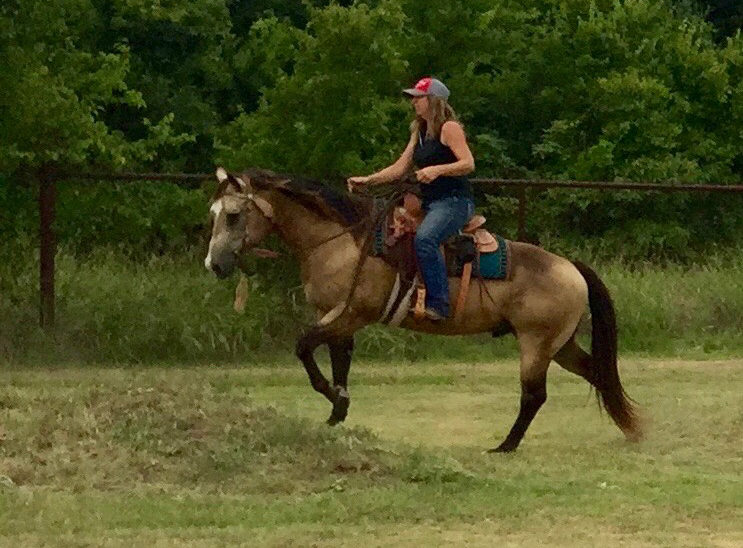 The Natural Horseman9 years ago
This is why we do what we do — RayeAnn and Cisco