Summer Sounds – Roger Creager

Gainesville
TX 76240
USA
06/24
Summer Sounds – Roger Creager
Historic Downtown Gainesville Square
Gainesville, TX
Downtown Gainesville brings you summer sounds, a summer concert series on the historic courthouse square. From 5 p.m. to 11 p.m. Come spend a night out on the brick streets enjoying amazing musicians under the stars. Refreshments and seating begin and 5 p.m. and live music at 6:15 p.m.


Gainesville
TX 76240
USA
By Ann Asher
Every spring, garden centers fill with shoppers loading young trees onto trailers and into pickup trucks. It makes sense. The weather is warming, everything is turning green and planting season feels like it has arrived.
But ask an arborist or Extension horticulturist when they would rather plant a tree, and you’ll probably hear a different answer: fall.
It may seem backward at first, but in North Texas and central Oklahoma, experts widely consider the months between late September and early winter the best time of year to plant most trees. The leaves may be getting ready for winter, but the roots keep growing below the surface long after top growth has slowed. That lets a young tree establish itself before the next hot summer arrives.
That’s a tremendous advantage in a region where summer temperatures routinely climb into the 90s and beyond.
A newly planted tree has one job: grow roots. A tree planted in spring has only a short window before it must also support a flush of new leaves while enduring months of heat, drying winds and occasional drought. That combination can put significant stress on a young tree before its roots have had time to spread into the surrounding soil.
A fall-planted tree has a much easier assignment.
As air temperatures cool, the soil often stays warm for weeks. Those conditions encourage continued root growth without asking the tree to produce new leaves or long shoots. Instead of splitting its energy between growth above and below ground, the tree can put most of its effort into building a healthy root system. By spring, it has settled into its new home and is better prepared for warm weather. Research and recommendations from both Oklahoma State University Extension and Texas A&M AgriLife Extension support fall as an ideal planting season for many landscape trees in this region.
You still can’t dig a hole and walk away.
Choosing the right location is just as important as choosing the right tree. Consider the mature height and spread, not the size of the sapling you’re bringing home. A small oak, pecan or cedar elm may fit comfortably today, but in a few decades it could tower over a house or tangle with utility lines if you plant it without a plan. Likewise, trees that prefer moist soils may struggle in dry, exposed spots, while drought-tolerant native species often need far less maintenance once established.
When it’s time to plant, dig a hole two to three times wider than the root ball, but no deeper.
One of the most common mistakes homeowners make is planting too deep. The point where the trunk begins to flare into the roots should sit at or just above the finished soil level. Burying that flare can lead to poor growth and long-term health problems.
Backfill with the native soil that came out of the hole instead of rich potting soil or heavy amendments. It may seem like a kindness, but surrounding the roots with very different soil can discourage them from growing outward into the ground where they’ll ultimately need to survive.
Water thoroughly after planting, then keep watering deeply as needed during dry periods through fall and winter. Even dormant trees need moisture while their roots continue to develop. A layer of mulch two to four inches deep around the base helps conserve soil moisture, regulate temperature and reduce weed competition. Keep the mulch pulled back several inches from the trunk. The familiar “mulch volcano” piled against the bark may look tidy, but it can trap moisture, encourage decay and attract insects.
If you’re unsure what to plant, consider species well adapted to the Southern Plains. Bur oak, chinkapin oak, cedar elm, Shumard oak, bald cypress, Mexican plum, eastern redbud and native pecan are all excellent choices in many parts of North Texas and central Oklahoma, depending on soil conditions and available space. Native trees generally handle local weather extremes better and provide valuable habitat for birds, butterflies and other wildlife.
Planting a tree is one of the few gardening projects that benefits future generations. Long after this year’s tomatoes are forgotten and next season’s flowers have come and gone, that tree will still be growing. It may shade a porch, shelter wildlife, lower summer cooling costs or become the backdrop for family photographs that haven’t been taken yet.
Spring may get most of the attention, but fall gives young trees their best chance to thrive. Give them a strong start now, and they’ll spend the years ahead returning the favor.
Gainesville
TX 76240
USA
By Tony Dean, tonydean.tx1@gmail.com
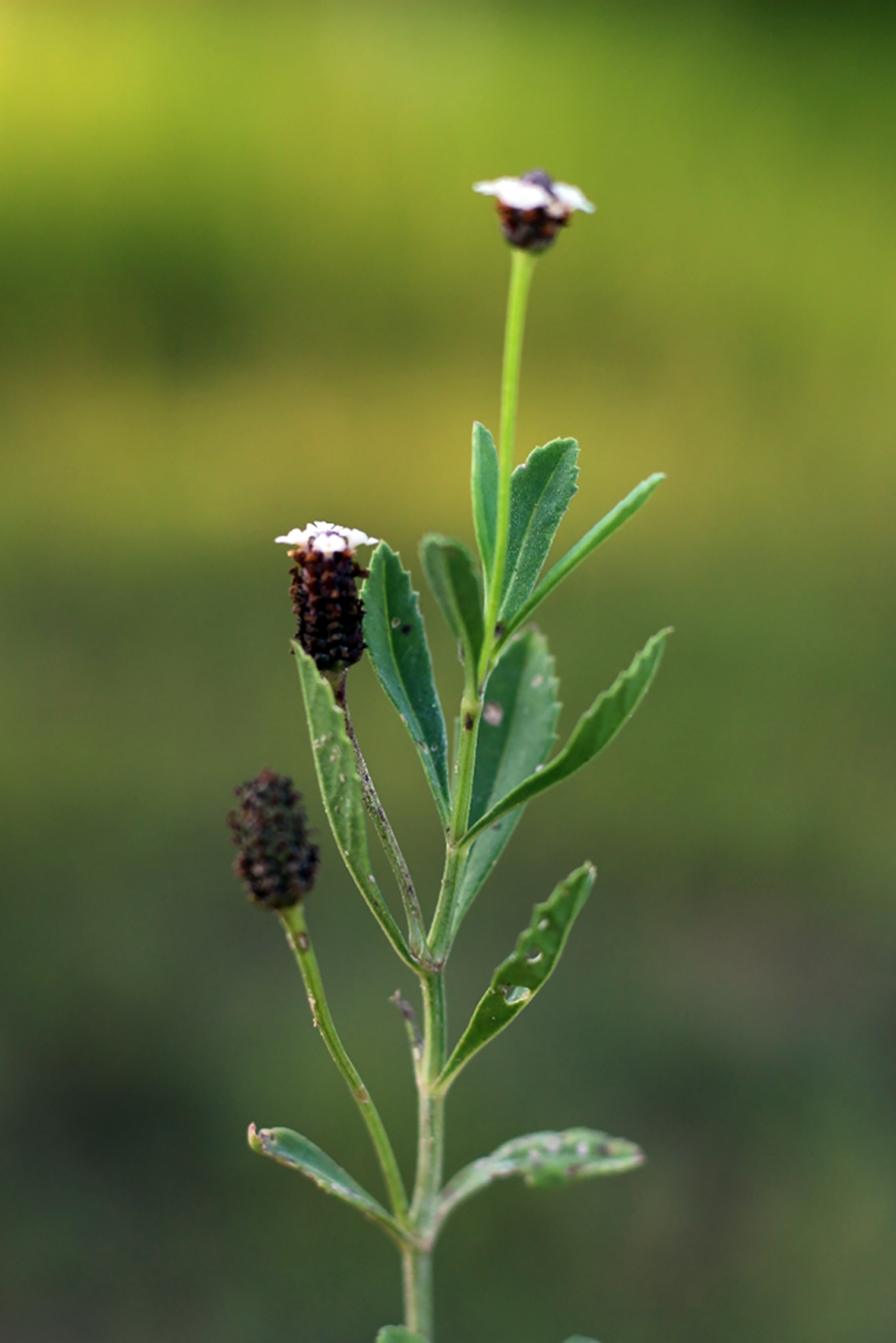
Frog fruit is a native, low-growing perennial forb adapted to most of the eastern U.S., but few grazers know it well. It contributes more to our plant communities than we realize. It generally grows no more than a few inches tall and roots at the nodes. It can form dense mats several feet across and develop runners up to 3 feet long.
The leaves are thick, one to two inches long and 3/8 inch wide, and toothed from the middle to the tip. Tiny white flowers form a ring around a flower head, and the head then elongates into a cylinder an inch long or longer. Frog fruit has a four-angled stem.
Frog fruit can grow almost anywhere in Texas and on many soil types. It can grow in drier soils and likes good drainage, but it needs additional moisture to survive the hottest months. You can find it almost anywhere in a pasture, though it often grows in depressions and near water sources.
“Frog fruit is used as forage by livestock and deer. I recall an instance when I was moving cattle from one pasture to the next on a Jack County ranch. As I opened the gate, I stood by a beautiful green plant of switchgrass which I expected to be immediately grazed down. The cattle walked right by the switchgrass and stuck their heads in a small patch of frog fruit a few feet away,” Dean said.
Frog fruit is gaining popularity as a ground cover for homes and gardens for these reasons:
- Frog fruit grows quickly, maybe too quickly. If it gets out of bounds, you can always trim it back.
- Frog fruit is low maintenance. Once you get it established with adequate watering, it can survive with little care.
- Frog fruit has a long bloom period, from April to October.
- It is a host plant for several butterfly species and other insects.
Gainesville
TX 76240
USA
By Barry Whitworth, DVM
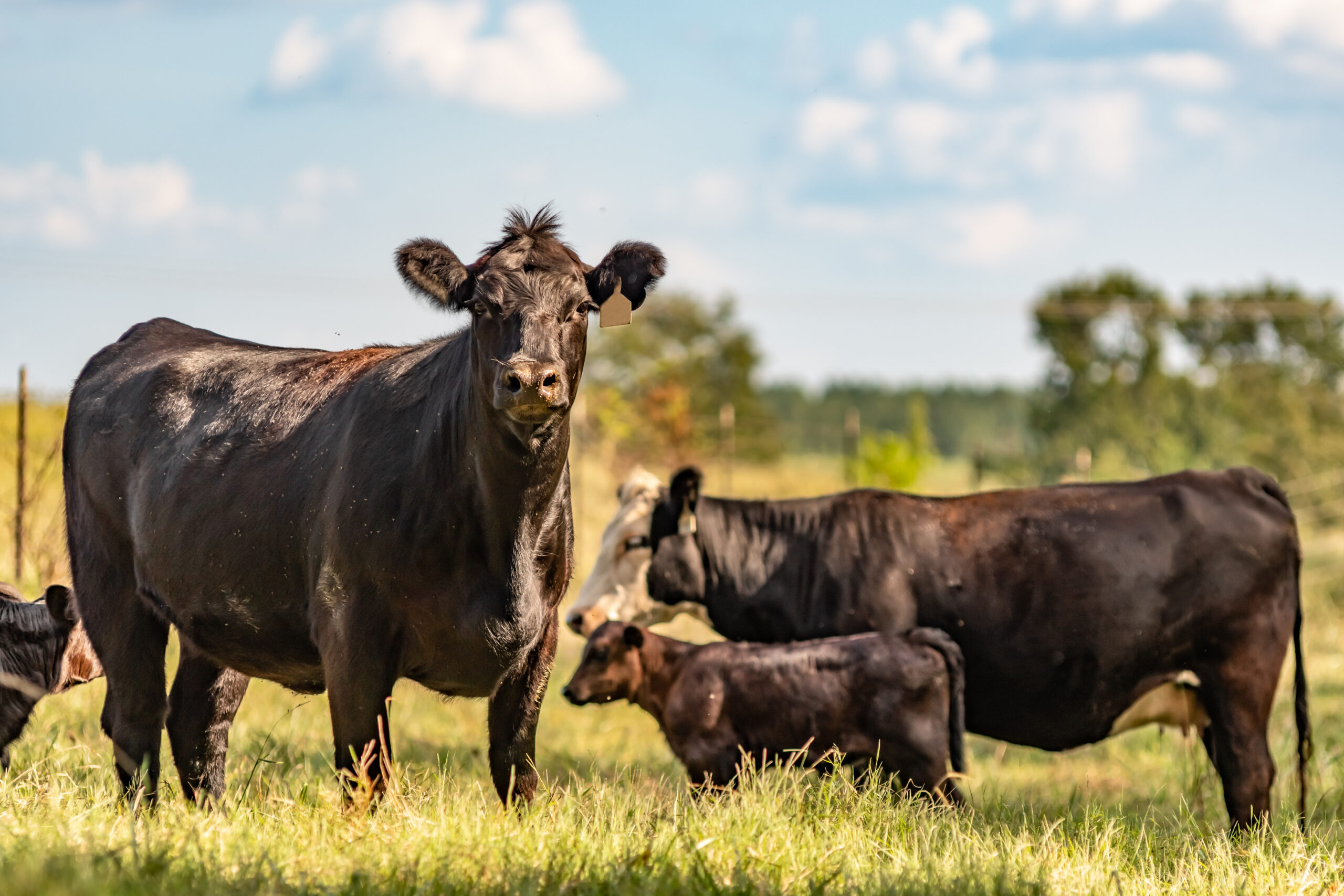
Over the past few years, veterinarians have detected Theileria orientalis in Oklahoma cattle. Early cases were primarily diagnosed in adult cattle, but more recent Oklahoma cases have been identified in stocker cattle. All cattle producers should be familiar with the clinical signs of this disease and check their cattle daily for signs of trouble.
The first U.S. case of theileriosis was identified in Virginia in August 2017. Those cattle showed weakness and anemia, and veterinarians made an initial diagnosis of anaplasmosis. Blood samples from the animals were tested for Anaplasma, Babesia and Leptospira. Results were negative for all three, but the tests revealed a blood protozoan, later identified as T. orientalis genotype Ikeda. Since that first herd outbreak, the organism has been detected in several states.
Cattle sick with T. orientalis genotype Ikeda may show fever, weakness, anorexia and exercise intolerance. If forced to move, affected cattle may stagger and gasp for air. If stressed excessively, they may collapse and die. On examination, the gums, eyes or vaginal mucosa may appear pale (white) or yellow. Reproductive losses, including stillbirths and late-term abortions, may occur, along with a drop in milk production.
Clinical signs reported in adult cattle in Oklahoma include anemia, sudden death, weight loss, abortion, failure to thrive and failure to calve. In stocker cattle, producers have reported weight loss, anemia, poor performance and sudden death.
Because Anaplasma marginale and T. orientalis genotype Ikeda produce similar clinical signs, telling the two apart can be difficult. One difference is that clinical signs are more common in young cattle infected with T. orientalis than in young cattle infected with A. marginale. Cattle with anaplasmosis also often display aggression, while those with T. orientalis genotype Ikeda typically do not. A laboratory test is required to tell the two diseases apart with certainty.
Researchers have identified Haemaphysalis longicornis as a possible vector of T. orientalis genotype Ikeda. In 2017, the U.S. Department of Agriculture’s (USDA) National Veterinary Services Laboratories (NVSL) confirmed the presence of H. longicornis, commonly called the Asian longhorned tick (ALT) or bush tick. While trying to determine how the tick arrived in the United States, USDA officials discovered it had been present in West Virginia as early as 2010. The tick has now been confirmed in at least 26 states, including Oklahoma. Some evidence suggests other insect vectors may also transmit T. orientalis genotype Ikeda. Needle transfer is another possible route of transmission.
The ALT has been identified in Craig and Mayes counties in Oklahoma. This tick thrives in areas with high humidity, such as wooded regions, brush or tall grass. Ticks are often found where large numbers of wildlife gather, such as along deer trails. Producers can find more information about the ALT on the USDA website at https://www.aphis.usda.gov/livestock-poultry-disease/cattle/ticks/asian-longhorned.
Other countries have developed treatments for T. orientalis, but no approved treatments are available in the United States, and no vaccine exists for this disease. The best defense is prevention: buying cattle free of the organism, avoiding blood transfer between animals and using effective tick control. Producers should purchase cattle from reputable sources. Clean instruments between animals during procedures such as castration or dehorning, and change needles between every animal. Control external parasites with appropriate insecticide treatments. Pasture management also helps, such as rotating cattle away from wooded or brushy areas where ticks thrive. Patch burning may also help reduce tick populations.
Theileria orientalis remains a concern for some cow/calf and stocker producers in Oklahoma. Producers who want more information about T. orientalis genotype Ikeda should contact their local veterinarian or Oklahoma State University County Extension agriculture educator.
References
Hammer, J. F., Emery, D., Bogema, D. R., & Jenkins, C. (2015). Detection of Theileria orientalis genotypes in Haemaphysalis longicornis ticks from southern Australia. Parasites & Vectors, 8, 229.
Oakes, V. J., Yabsley, M. J., Schwartz, D., LeRoith, T., Bissett, C., Broaddus, C., Schlater, J. L., Todd, S. M., Boes, K. M., Brookhart, M., & Lahmers, K. K. (2019). Theileria orientalis Ikeda genotype in cattle, Virginia, USA. Emerging Infectious Diseases, 25(9), 1653-1659.
Spickler, Anna Rovid. (2019). Theileriosis. Retrieved from http://www.cfsph.iastate.edu/DiseaseInfo/factsheets.php.
Watts, J. G., Playford, M. C., & Hickey, K. L. (2016). Theileria orientalis: A review. New Zealand Veterinary Journal, 64(1), 3-9.




-

 Country Lifestyles4 years ago
Scott & Stacey Schumacher: A Growth Mindset
-
 Country Lifestyles10 years ago
Style Your Profile – What your style cowboy hat says about you and new trends in 2017
-
 Horsefeathers12 years ago
Mount Scott: Country Humor with David Gregory
-
 Country Lifestyles10 years ago
June 2016 Profile – The man behind the mic: Bob Tallman
-
 Outdoor11 years ago
Buttercup or Primrose?
-
 HOME10 years ago
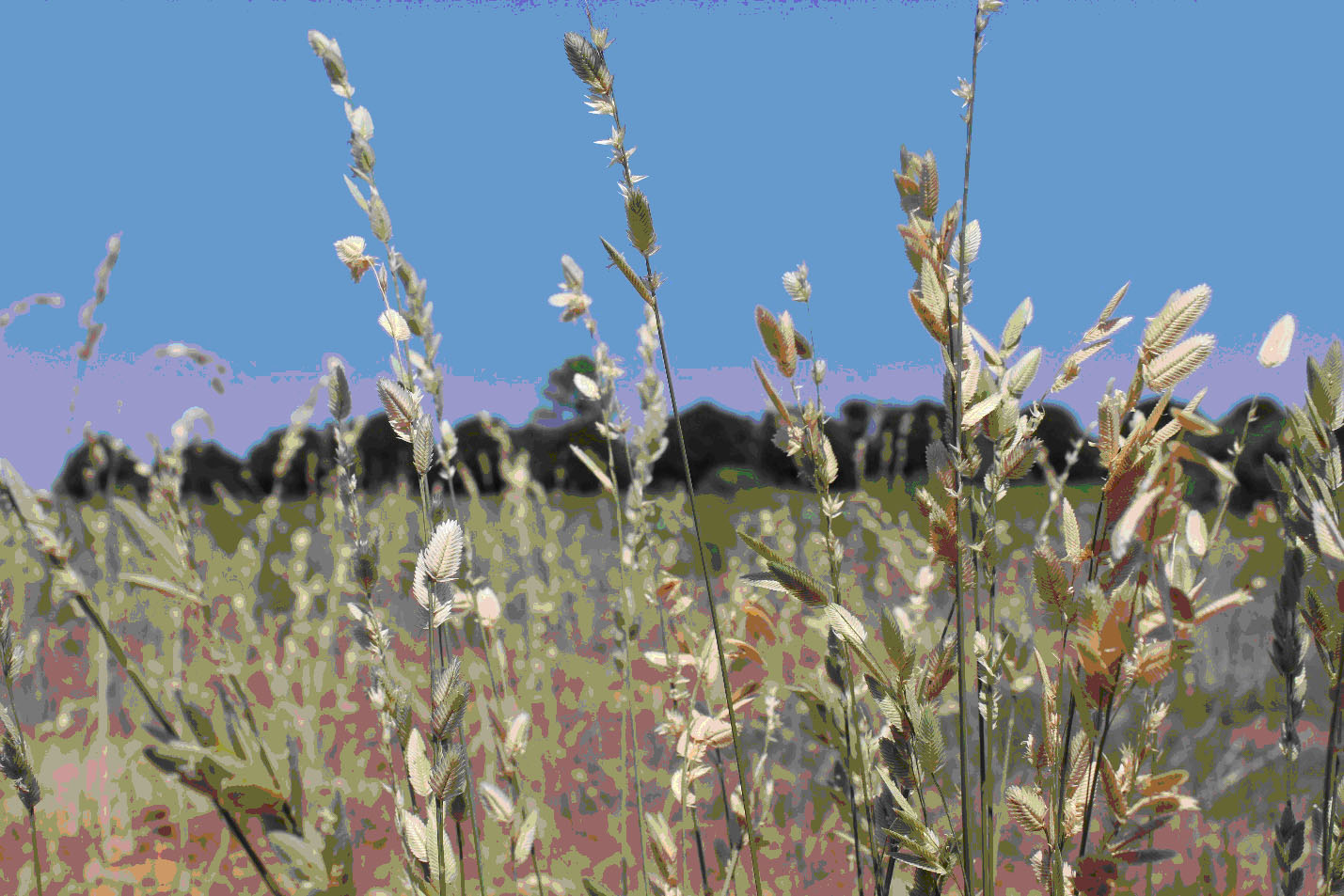
Grazing North Texas – Wilman Lovegrass
-
 Country Lifestyles10 years ago
December 2016 Profile, Rusty Riddle – The Riddle Way
-
 The Natural Horseman9 years ago
This is why we do what we do — RayeAnn and Cisco