MSU-BURNS FANTASY OF LIGHTS 5K & 1-MILE FUN RUN

MSU-BURNS FANTASY OF LIGHTS 5K & 1-MILE FUN RUN
Dec. 2 • WICHITA FALLS
Midwestern State University, 3410 Taft Blvd., Wichita Falls, TX 76308. Start your day with the sights and sounds of the MSU-Burns Fantasy of Lights. In addition to the race, compete to win best holiday themed male and female! Both runs start at 9 a.m. with check-in and on-site registration to begin at 8:30 a.m. All those that register by Nov. 21 will receive an MSU-Burns Fantasy of Lights T-Shirt. 5K Run Registration fee is $25 1-Mile Fun Run Registration fee is $15. Call 940-397-4972 for more info.

By Ann Asher
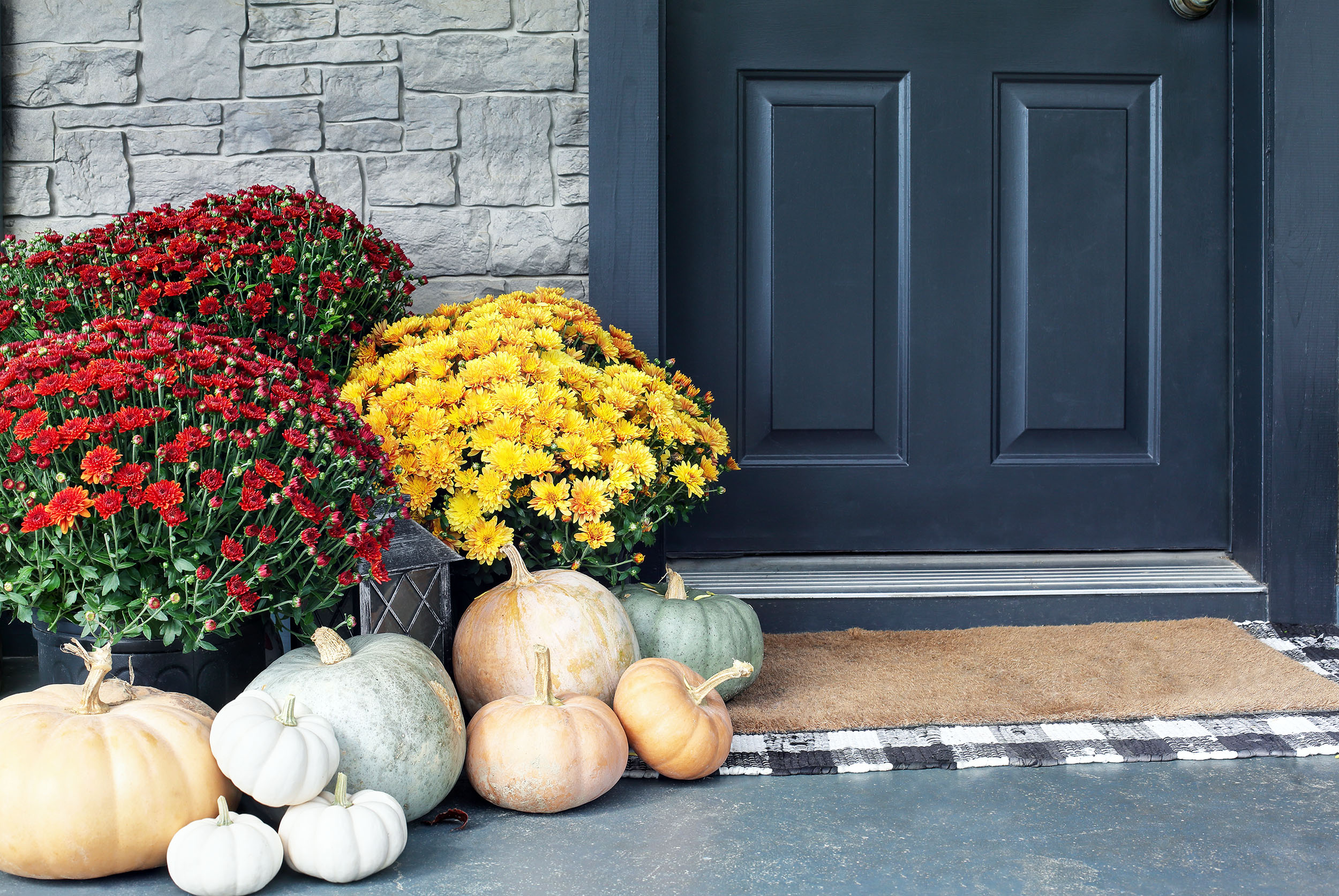
Long before the first pumpkin-spice sign appears in a store, pumpkins start showing up on porches. Some are carved, some are stacked beside mums and hay bales, and some stay right where they were placed until the first hard freeze turns them soft. The tradition feels thoroughly American, but its story crosses the Atlantic.
People in Ireland and other parts of the British Isles carved lanterns from turnips and other root vegetables long before pumpkins became the standard. The practice became tied to Halloween customs and stories of wandering spirits. Carvers hollowed out the vegetables, gave them faces and lit them from within.
Immigrants brought those traditions to North America, where they found a much better carving material. Pumpkins were native to the Americas and were grown here for food long before European settlement. Compared with a hard turnip, a large pumpkin was easier to hollow out and offered a much bigger surface for a face.
The pumpkin has an American agricultural story that predates Halloween by thousands of years. Indigenous peoples domesticated squashes in the genus Cucurbita and grew them for food long before European colonization. Early European settlers quickly adopted squash and pumpkins because they stored well and provided reliable calories.
By the 19th century, pumpkins were increasingly tied to American autumn imagery. They were harvest food, livestock feed and a symbol of rural abundance. American writers were already using them as symbols of country life and harvest. Washington Irving’s 1820 story “The Legend of Sleepy Hollow” famously ends with a shattered pumpkin, although it doesn’t describe a carved jack-o’-lantern. Later 19th-century newspapers and magazines increasingly connected carved pumpkins with Halloween celebrations. Halloween grew into a widely celebrated community holiday, and the jack-o’-lantern became one of its most recognizable decorations.
The porch pumpkin that never gets carved owes as much to harvest decorating as to Halloween. Corn shocks, gourds, apples and pumpkins once represented what had come out of fields and gardens. Today’s fall porch may be more decorative than practical, but it still borrows from the look of harvest.
The modern porch display blends several threads that developed separately: harvest decoration, Halloween lanterns and the pumpkin’s long place in American agriculture. That is why the same pumpkin can look perfectly at home beside a scarecrow in early October and become a jack-o’-lantern by the end of the month.
Commercial pumpkin production eventually reinforced the tradition. Growers selected varieties for carving size, strong stems, unusual colors and long display life as well as eating quality. The pumpkin patch became an attraction of its own, turning harvest into a family outing.
Oklahoma farms now sell everything from classic orange carving pumpkins to white, blue-gray and deeply ribbed heirloom types. The porch display may look modern, but it still depends on a crop bred and grown to handle fall weather better than most garden produce.
Pumpkins also fit the season unusually well. They keep for weeks when handled carefully, come in enough shapes and colors to satisfy any decorator and can move from porch to kitchen if they are edible varieties. Afterward, you can compost sound, undecorated pumpkins instead of sending them to the landfill.
One caution: don’t offer painted or chemically treated pumpkins to livestock or wildlife, and don’t dump even plain pumpkins in large quantities for wild animals. Local rules may also prohibit intentional wildlife feeding.
A pumpkin on an Oklahoma porch may look like nothing more than seasonal decoration. Behind it is a mix of Indigenous agriculture, European folk custom, immigration and American harvest culture. That is a lot of history for something we eventually cut a smile into.
By Norman Winter | Horticulturist, Author, Speaker
In 2006, I wrote about what I thought was the most beautiful mix of pansies ever created. Now, 20 years later, the Matrix Coastal Sunrise Mix is still the clear winner. With all the pansies, colors and mixes available, I find it amazing that I can pick out this selection while speeding by at 60 or 70 miles per hour.
That it is still in demand today is another testament to its beauty. It is also a great statement about the Matrix series of pansies. Twenty years is a long time for a series to stay on the market, and yet, wherever I go, growers and, in turn, garden centers have made it an integral part of their cool-season inventory.
If you aren’t familiar with the Matrix series, know that it loads up with large, colorful flowers. For those of you who think bigger is better, especially when it comes to pansies, the Matrix series is for you. It isn’t the largest pansy, but it is an amazing performer.
The plants branch quickly, giving you an even more colorful show because of the sheer number of flowers. They reach nearly 8 inches tall with an equal spread.
They have short stems that hold those large flowers above the plant, creating a terrific landscape display. They also resist stretching, so as you enter the warm days of spring, Matrix pansies keep performing.
All of that would make you want to plant Matrix pansies, which come in an abundance of colors and mixes. But when you see the Coastal Sunrise Mix, you may become mesmerized by its colors.
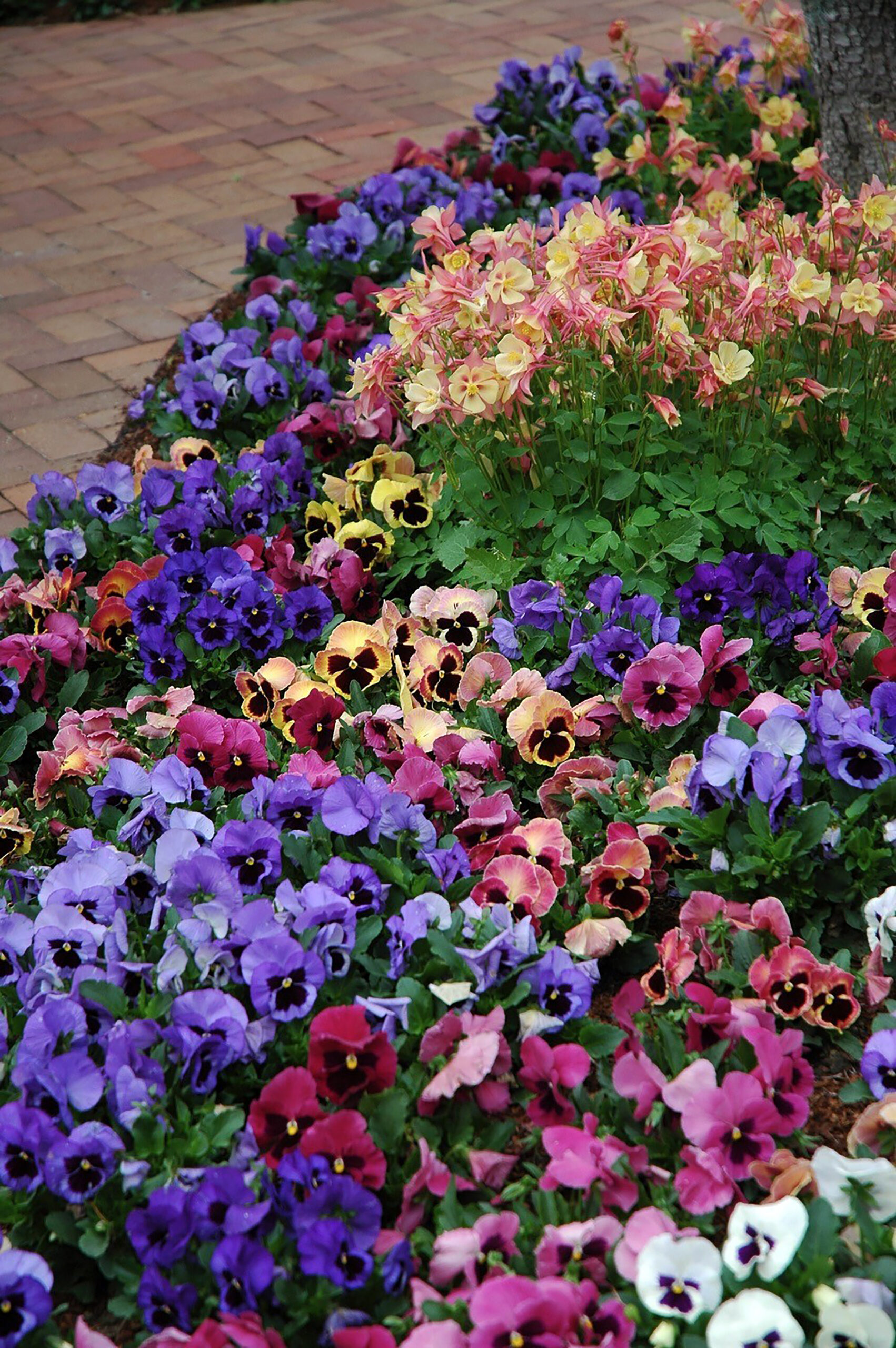
In a planting of Matrix Coastal Sunrise Mix, you’ll see rich shades of blue, rose, peach and creamy yellow. You might think, “Sure, give me those colors and I’ll put the mix together,” but it is also about the quantity of each. Believe me, this was done with a true artist’s touch.
You’ll first notice the shades of blue that remind you of that time you were in a boat and went from clear, shallow water to the deep blue. Then you see the rose that reminds you of night giving way to a new day. Next come the creams and yellows, along with what appears to be a rusty rose reminiscent of the sunrise.
Fertile, well-drained soil is important to your success with pansies, so work in 3 to 4 inches of organic matter while preparing the bed. Make sure the bed gets plenty of sunlight. Plant pansies at the same depth they were growing in their containers, and add a layer of mulch to conserve moisture and stabilize winter soil temperatures. Pansies need regular feeding, about once a month, for the long season ahead.
No matter where you live, you have a season when pansies reign supreme. In my area, pansy-planting time is at hand. In your area, it might be getting a little late. If so, consider planting from 6-inch containers, which have a better-developed root system.
If now is the time to plant pansies where you live, by all means give the Matrix Coastal Sunrise Mix a look. I also love the Matrix Ocean Breeze Mix and the bicolored Matrix Morpheus.
Find The Garden Guy on Facebook.
By Savannah Magoteaux, Editor
When Mary Jahn came home with the idea of opening a pumpkin patch on the family’s place near Cyril, even her husband, Jerry, wondered who would drive out into wheat pasture country to buy a pumpkin. She had two small boys, a cattle and wheat operation around her and no particular advantage when it came to growing pumpkins. She also had a picture of a place where families could spend a day together and feel welcome.
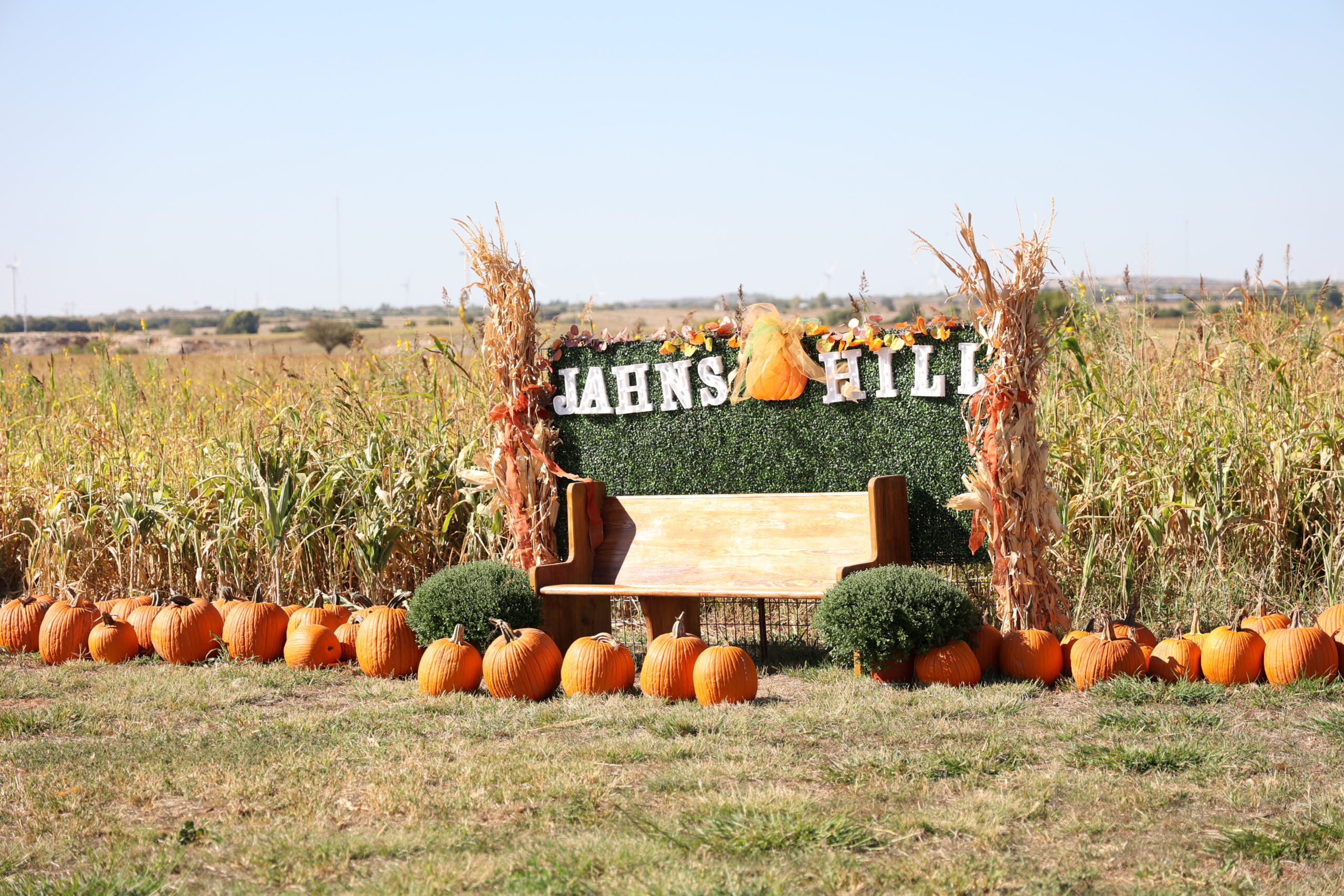
Jahn’s Pumpkin Hill opened in 2002 with some pumpkins, a rented concession wagon and a swing. Today visitors take a farm tour, feed animals, play for hours and eat pumpkin treats baked on site. The boys Mary wanted to stay home with are grown. Now she meets parents who came to the patch as children and bring children of their own.
The idea started with a practical question: How could Mary bring in income without putting Cale and Spencer in daycare? She and Jerry ran cattle on wheat pasture along with a cow-calf herd, and Jerry also worked off the farm.
After Mary and a friend took their children to a pumpkin patch, she could picture something similar at home. Jerry needed more convincing. Pumpkins were an odd proposition in cattle and wheat country, and Mary wondered what the neighbors would think. She cared more about staying home with her boys.
“I was not going to put my boys in daycare,” she said. “I just thought I’ll do this and we’ll make it.”
About 600 people came that first season, though the venture made little money at first. Mary remembers the pumpkins, a swing and a rented Coke concession wagon. “We didn’t have much,” she said. Those first 600 visitors proved that families would drive out to a pasture, pick a pumpkin and stay awhile. The Jahns set about giving them more to do.
Mary also carried a lesson from the patch that gave her the idea. She wanted her own visitors to know the Jahns were glad they came, and she built that welcome into the operation along with the pumpkins and play equipment.
Jerry is often the first person families meet when they arrive. Mary spends much of the day on trailer tours. Between trips she visits with guests, pitches in where she’s needed and passes out bites of whatever just came out of the kitchen.
The family added attractions one season at a time, usually after spotting a need. First came a concession stand, then a bigger one, then more places to play.
“We just started adding things every year,” Mary said. “We just grew it like that, very slowly and a little bit at a time.”
Over more than two decades, those small additions have changed what a visit looks like. A family can come for a pumpkin and spend the afternoon in the hay maze, on the slides, the jumping pillow and the junior zip line, with the animals and on a tour of the farm. Children have room to run, and adults can sit and watch. The patch sits out in the pasture, away from road traffic and the pace of town.
Fitting the land
Some of Mary’s early plans failed. She believed a pumpkin patch ought to grow its own pumpkins, so the Jahns planted them.
Grasshoppers went after the young plants, and the pumpkins that survived weren’t the firm, bright ones Mary wanted families to take home. “Pumpkins love sand and irrigation, and we have neither,” she said. She tells the story with the grasshoppers cheering: “Oh hallelujah! Thank you for this plant you gave us.”
Meanwhile, the pumpkins the family trucked in and set out on wheat pasture drew plenty of attention from visitors. Mary decided to stop fighting the ground and put her effort into the visit.
The Jahns now buy their pumpkins from Pumpkin Pyle, farmers from Floydada, Texas, and they don’t pretend otherwise. Their own agriculture surrounds the patch: cattle on wheat pasture, no-till farming and stocker heifers. The family also runs a trucking business that hauls gypsum rock.
Buying pumpkins let Pumpkin Hill fit the land the Jahns farm, instead of asking it for a crop that kept failing. Visitors still choose their own pumpkin, and they see a working Oklahoma farm while they’re at it.
Cale and Spencer worked the patch from the start, though their enthusiasm varied. As boys they helped with horse rides, set out pumpkins, picked up trash and did whatever else needed doing. The rest of the farm ran the same way: If their parents were working wheat ground or processing cattle, the boys went along.
When Cale got older, Mary sometimes had him lead the farm tour because he had an excellent speaking voice. He did it reluctantly. Spencer, a man of fewer words, was never a likely tour guide, and he found other ways to help.
Both sons still help, and much of what children play on carries their work. Jerry and the boys built the metal framing for the slides and other structures. This year the family built a new barn where parents and grandparents can sit out of the heat and keep an eye on the kids. Spencer’s hauling work keeps him on the road, but he helped with the barn, too. Cale has moved back home with his wife and their two young sons. The boys who once picked up trash at the patch are now building it for their own children.
What families take home
The barn is one of several additions this season. There are more saucer swings and a circular climbing net Mary calls a 16-foot spider web. Cale’s wife, Abbye, arranged a new tower of stacked pumpkins that makes a good photo spot. They join longtime favorites like the Hiney Slide, jumping pillow, junior zip line and hay maze.
Visitors can meet sheep, goats, pigs and cattle, and Mary gets a kick out of letting children feed a pig a cookie. Many young guests have never touched a pig, sheep or goat, and she likes giving them the chance.
Then there is the food. A wonderful cook handles the baking at Pumpkin Hill, and Mary talks about the treats like someone who has watched people come back for them.
The pumpkin Twinkie is a small piece of pumpkin bread split and filled with a generous layer of cream cheese icing. There are pumpkin pies, small loaves of pumpkin bread and a rotating lineup of brownies and cookies.
On a hot Oklahoma fall afternoon, the homemade lemonade may beat any dessert. Mary says visitors look forward to it, and she keeps iced tea on hand, too. When the calendar says fall and the thermometer says summer, she knows which one people will reach for.
After more than two decades, opening day still makes Mary nervous. She has never reached the point of assuming visitors will show up. “I still think, ‘Oh no! No one is going to come,’” she said.
New attractions take planning, upkeep and labor, and the family hires people to staff the concession area. Mary looks for workers who are patient and kind with guests. If families make the trip, she wants someone to talk with them, help them enjoy the day and make them feel at home.
On the trailer
The farm tour shows that approach best. Jerry refurbished an old cotton trailer with seats and steps, and a John Deere tractor pulls it around the place.
Once everyone is aboard, Mary has them for about 15 minutes, and she uses the time. She talks about the cattle they pass, what the heifers will do as they mature and how food gets from a farm to the table. She points out other products agriculture provides.
She covers local history, too, from her grandparents’ arrival in Cyril in 1940 to her own parents, a farmer and a schoolteacher. A school group may come for pumpkins and playtime, but the kids leave knowing more about the land around the patch.
“That’s one of my favorite parts,” Mary said of the tours.
Her topics change with the farm’s season and with what she can point out along the route. In past years she has talked about soil conservation, erosion and the importance of grass. She doesn’t assume children know what cattle eat, how crops are raised or why land needs care.
Many meet farm animals for the first time that day. Mary lets them feed an animal, then shows them the pasture and explains the work behind it. Agriculture gets a little more familiar, and the outing never turns into a classroom lesson.
Mary knows how easily local history slips away when nobody passes it on to the next group of children. The trailer gives her time to talk about the people who lived and worked around Cyril before them. It also gives visitors a real person to ask. Her enthusiasm doesn’t stop when the ride does. She’ll answer a question at the concession stand or stop to hear why a family came that day.
Some visits mark occasions Mary never could have imagined when she rented that concession wagon. She remembers a couple who brought their children on the day their adoption became official. When Mary learned what the day meant, she gave the children T-shirts.
Years later the mother told her the family still had one of those shirts, though the child had long outgrown it. Other families have come while facing something hard and needed an afternoon together. Mary can’t know what each guest carries through the gate. She can give them room to play, visit and spend time with the people they came with.
Mary remembers a woman who told her she first came to Pumpkin Hill as a kindergartner and had come back with the next generation of her family. Visits like that show Mary how long the Jahns have opened their pasture each fall. Her sons are grown, and she has grandsons to keep track of. Some of the children who once climbed and played at the patch now watch their own kids do the same. Mary sees the years in those faces, and she is still grateful every season when people come through the gate.
The Jahns keep farming, building and getting ready for the next crowd. Jerry greets arrivals, Mary climbs aboard the trailer, and the family tends the place that started with a few pumpkins and a swing. The details change each year, from a new barn to another spot for a child to climb.
Mary’s reasons haven’t changed. She wanted to be home with her boys and to give other families a place to be together. Those boys now help run it, and the families keep coming back.




-
 Country Lifestyles4 years ago
Scott & Stacey Schumacher: A Growth Mindset
-
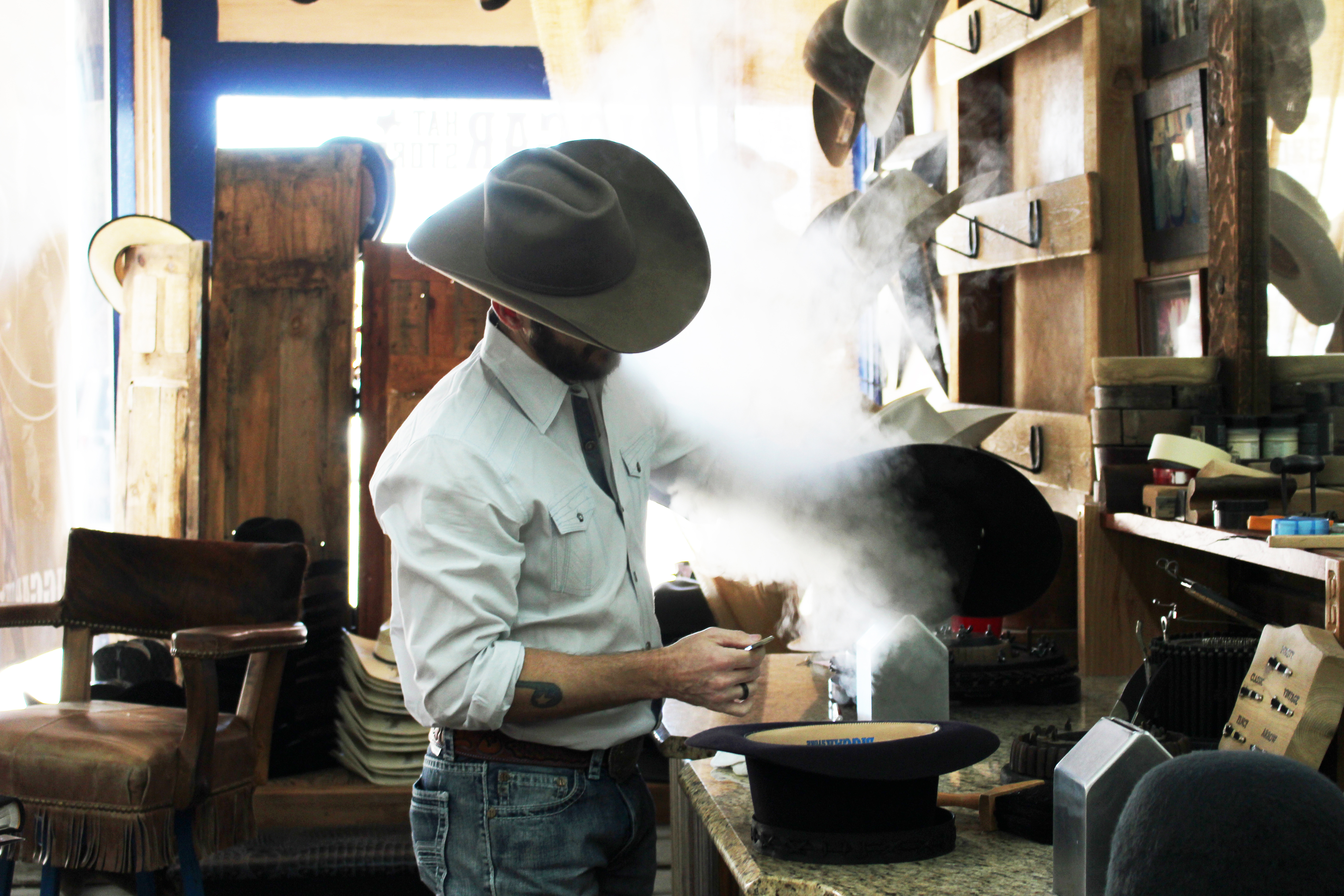 Country Lifestyles10 years ago
Style Your Profile – What your style cowboy hat says about you and new trends in 2017
-
 Horsefeathers13 years ago
Mount Scott: Country Humor with David Gregory
-
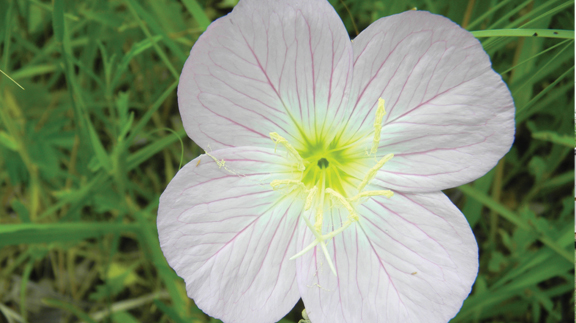 Outdoor11 years ago
Buttercup or Primrose?
-
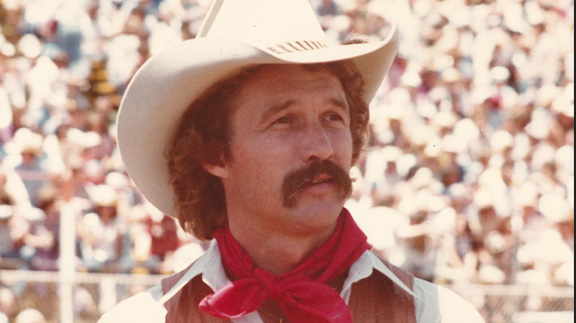 Country Lifestyles10 years ago
June 2016 Profile – The man behind the mic: Bob Tallman
-
 Country Lifestyles10 years ago
December 2016 Profile, Rusty Riddle – The Riddle Way
-
 HOME10 years ago
Grazing North Texas – Wilman Lovegrass
-
 The Natural Horseman9 years ago
This is why we do what we do — RayeAnn and Cisco