
Outdoor
When the Hummers Head South

By Ann Asher
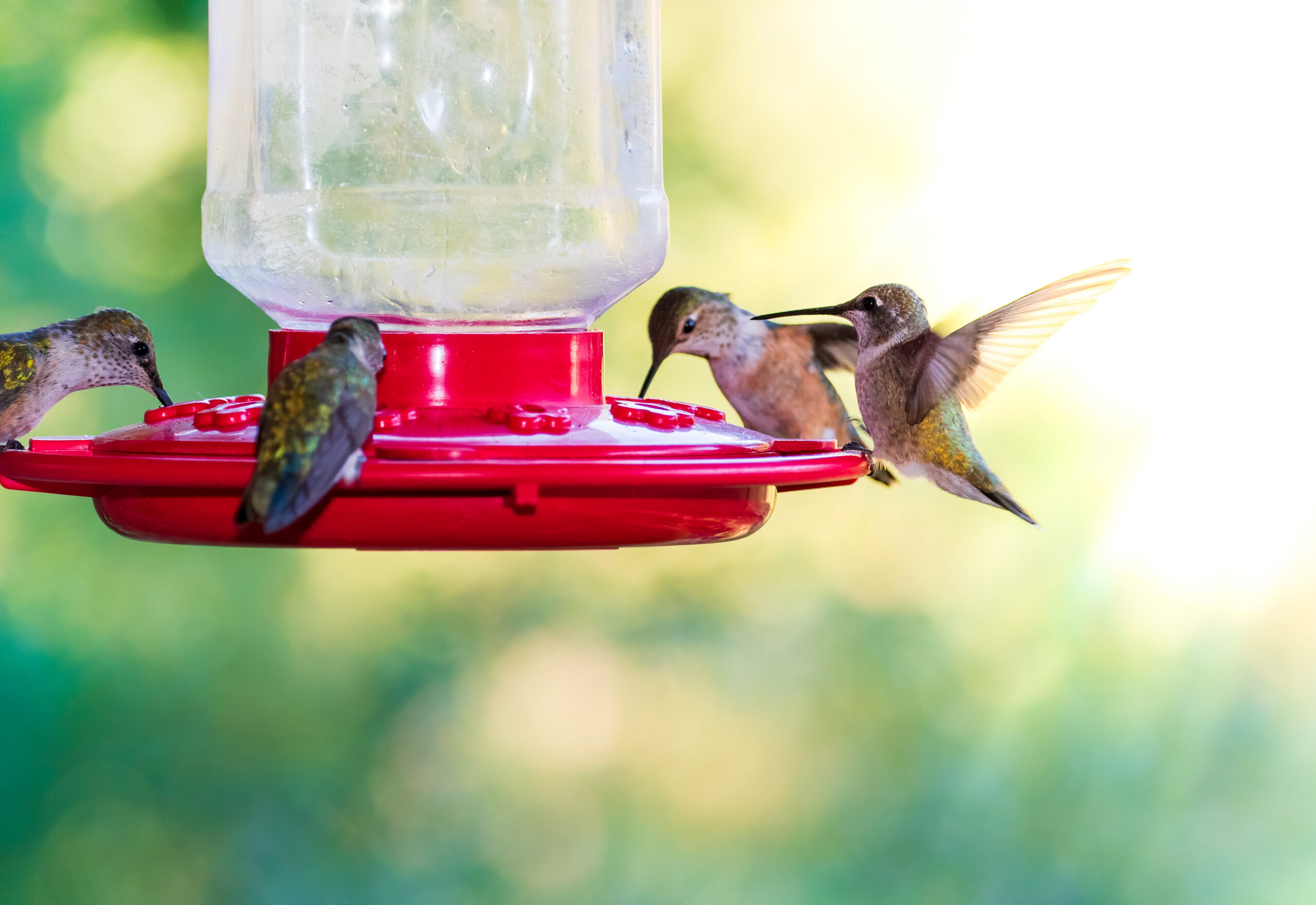
Hummingbirds may be tiny, but they rarely go unnoticed as they dart between flowers, hover at a feeder or chase another hummingbird away from whatever they have decided belongs to them.
By September, the hummingbirds visiting North Texas backyards are starting an impressive seasonal change. Fall migration is underway, and for many ruby-throated hummingbirds, Texas is an important stop on the long trip south.
Ruby-throated hummingbirds are the most familiar hummingbird across eastern Texas. By early fall, they are leaving their breeding grounds across the eastern United States and southern Canada and heading for wintering areas in Mexico and Central America. Texas Parks and Wildlife Department notes that large numbers pass through Texas during fall migration, concentrating along the Gulf Coast before continuing south.
For North Texans, that can mean more activity around feeders in September, not less. Some birds may have spent the summer nearby, while others showing up in the yard may have already traveled hundreds of miles.
Migration follows a natural order, too. Adult males generally leave first, followed later by females and young birds. So if you’ve watched a brilliant red-throated male all summer, you may suddenly notice he’s gone while other hummingbirds keep visiting the feeder. Cornell Lab researchers note that males can disappear weeks before females during fall migration.
The size of the traveler makes the trip remarkable. Ruby-throated hummingbirds generally weigh only a few grams. Before migrating, they feed heavily and can greatly increase their body weight as they build the fat reserves the trip requires. Some eventually make a nonstop flight across the Gulf of Mexico, while others follow the coastline around it.
That makes a North Texas flower bed or backyard feeder more than a convenient place to grab a meal. During migration, it can be one of many refueling stops along the way.
Keep the feeders up
One of the most persistent hummingbird myths says you should take feeders down in the fall so the birds will know it’s time to migrate.
There’s no need. Leaving a feeder up won’t convince a healthy hummingbird to skip migration. Seasonal changes, including shorter days, help trigger migratory behavior. A feeder gives a bird another food source while it prepares to leave or keeps moving south. Audubon recommends leaving feeders up as long as hummingbirds keep using them, because late migrants may still pass through after the summer residents have gone.
The bigger concern during a North Texas September is keeping the feeder fresh.
Warm weather can spoil sugar water fast. Audubon recommends cleaning feeders every day or two in hot weather and about every three days in milder conditions. Clean any feeder that shows mold or other contamination right away.
You don’t need to buy red nectar, either. A basic mix of one part plain white sugar to four parts water works well. Avoid honey, artificial sweeteners and food coloring. The red parts of the feeder are enough to attract birds.
Natural food matters just as much. Hummingbirds don’t live on nectar alone. They also eat small insects and spiders for protein.
Flowering plants offer nectar and a chance to find those tiny insects. Native plants and flowers with tubular blooms are particularly useful, and hummingbirds are commonly drawn to red, orange and pink flowers.
If you want to help fall migrants, September probably isn’t the time to deadhead every bloom and clean out every wild corner of the yard. Late-blooming flowers can provide valuable food while hummingbirds are feeding heavily.
Then, sometimes seemingly overnight, the feeder goes quiet. The bird that guarded it all summer disappears. The buzzing and chattering stop, and another North Texas summer feels a little closer to over.
There’s still no reason to rush to take the feeder down. Keep it clean, keep it filled and give the stragglers a little more time. The next hummingbird at your kitchen window may have started its trip hundreds of miles north of Texas and still have a long way to go.
By Ann Asher
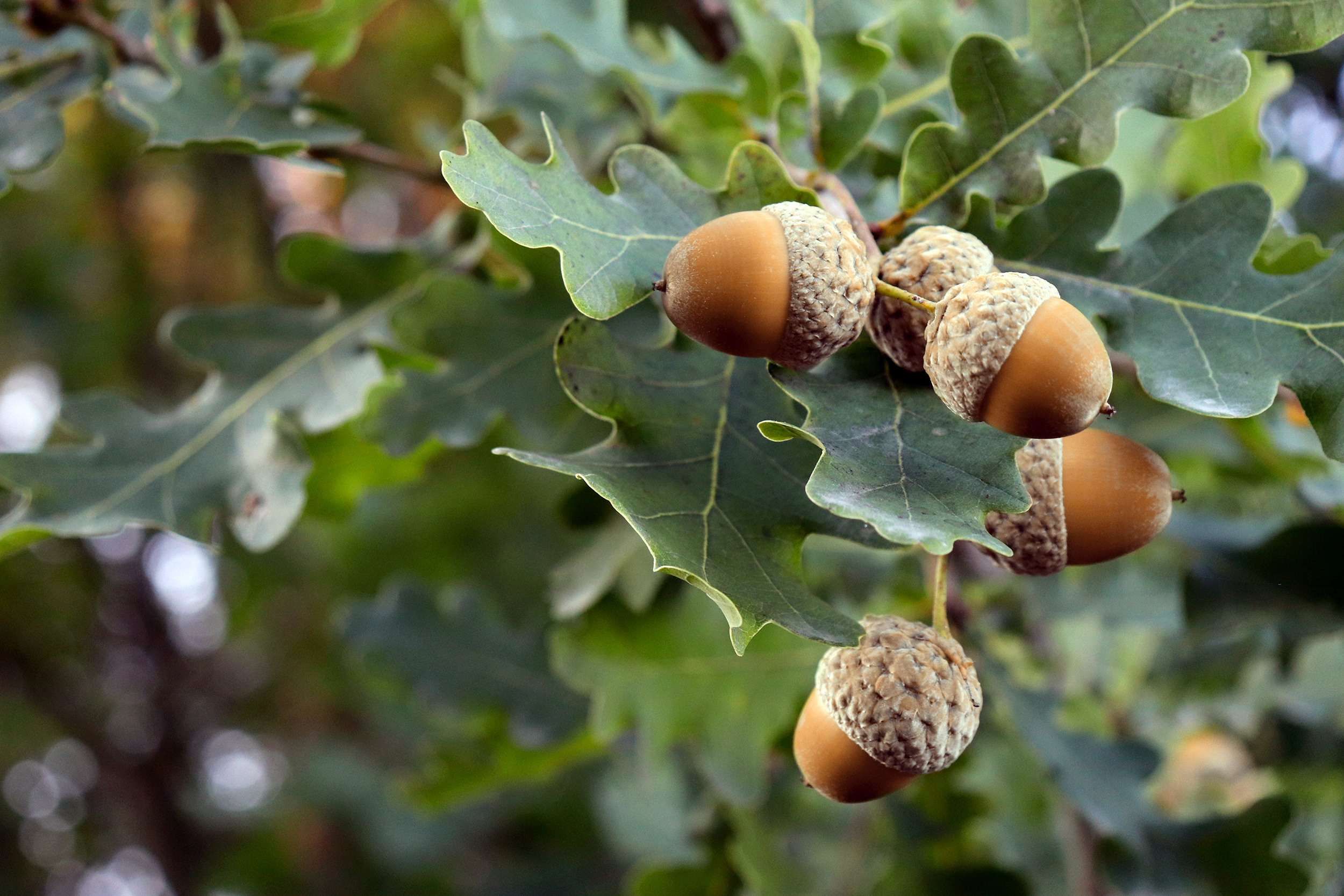
A yard full of acorns always seems to bring the same prediction: “We’re going to have a hard winter.” Oaks, unfortunately, don’t have access to a seasonal forecast.
Heavy acorn years are called mast years. Oaks can produce enormous crops in some years and very few in others. Species, tree health, pollination, weather during flowering and fruit development, and broader biological cycles scientists are still studying all influence the pattern.
The trouble with the winter-weather theory is timing. Acorns start developing months before winter arrives. A tree can’t know a February ice storm is coming and deliberately make extra acorns in response.
Weather does influence the crop, just not as a forecast. A late freeze can damage oak flowers and reduce production. Drought can stress trees. Good growing conditions can support development. Different oak groups also mature acorns on different schedules, so the crop under one tree may not match the crop under another.
Members of the white oak group generally mature acorns in one growing season, while many red oak species take two seasons from pollination to mature acorn. That means the weather that shaped this year’s crop may have hit at different stages depending on the oak.
One reason the myth feels convincing is that people remember the hits. A huge acorn crop followed by a memorable ice storm becomes a story. A huge crop followed by an ordinary winter is quickly forgotten. That is classic confirmation bias, and weather folklore is full of it.
What mast years do
Mast years do have real effects. Deer, squirrels, turkeys and other wildlife take advantage of abundant nuts. When acorns are plentiful, deer may spend less time at feeders or food plots because high-energy food is already scattered under the trees. Rodent populations can also respond to abundant mast.
Scientists study mast years for a better reason than forecasting weather. Large, synchronized seed crops can overwhelm seed predators, so more acorns survive and germinate. Mast also ripples through wildlife populations by providing a temporary burst of high-energy food.
For livestock producers, a bumper crop can be less charming. Cattle eating large amounts of acorns can develop oak toxicity, particularly when forage is scarce and animals eat acorns heavily.
In North Texas, the most useful thing a landowner can do with a heavy acorn crop is watch who is eating it. Deer may shift toward oak bottoms. Hogs can concentrate where mast is abundant. Cattle may start eating acorns if grass is short. Those are immediate management clues, unlike a guess about January temperatures.
Weather forecasting has improved because meteorologists measure the atmosphere and oceans, not because anyone found a better acorn. So enjoy the old saying, but don’t reorganize your winter feed budget around it. A ground covered in acorns tells you quite a bit about the oaks’ recent growing season and much less about weather that is still months away. The oak crop can stay where it belongs: in ecology, wildlife food and an enjoyable piece of fall folklore.
By Norman Winter | Horticulturist, Author, Speaker
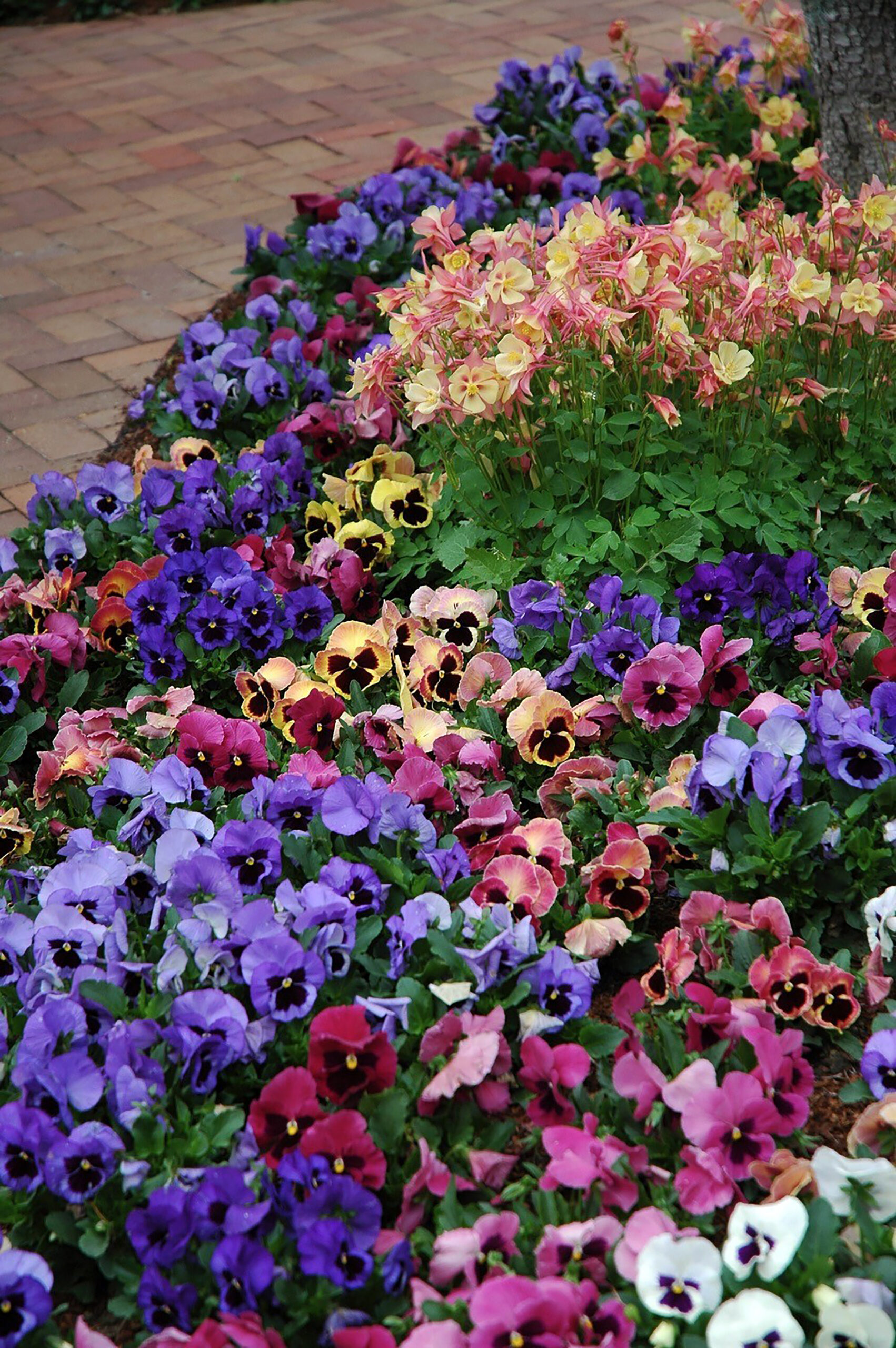
In 2006, I wrote about what I thought was the most beautiful mix of pansies ever created. Now, 20 years later, the Matrix Coastal Sunrise Mix is still the clear winner. With all the pansies, colors and mixes available, I find it amazing that I can pick out this selection while speeding by at 60 or 70 miles per hour.
That it is still in demand today is another testament to its beauty. It is also a great statement about the Matrix series of pansies. Twenty years is a long time for a series to stay on the market, and yet, wherever I go, growers and, in turn, garden centers have made it an integral part of their cool-season inventory.
If you aren’t familiar with the Matrix series, know that it loads up with large, colorful flowers. For those of you who think bigger is better, especially when it comes to pansies, the Matrix series is for you. It isn’t the largest pansy, but it is an amazing performer.
The plants branch quickly, giving you an even more colorful show because of the sheer number of flowers. They reach nearly 8 inches tall with an equal spread.
They have short stems that hold those large flowers above the plant, creating a terrific landscape display. They also resist stretching, so as you enter the warm days of spring, Matrix pansies keep performing.
All of that would make you want to plant Matrix pansies, which come in an abundance of colors and mixes. But when you see the Coastal Sunrise Mix, you may become mesmerized by its colors.
In a planting of Matrix Coastal Sunrise Mix, you’ll see rich shades of blue, rose, peach and creamy yellow. You might think, “Sure, give me those colors and I’ll put the mix together,” but it is also about the quantity of each. Believe me, this was done with a true artist’s touch.
You’ll first notice the shades of blue that remind you of that time you were in a boat and went from clear, shallow water to the deep blue. Then you see the rose that reminds you of night giving way to a new day. Next come the creams and yellows, along with what appears to be a rusty rose reminiscent of the sunrise.
Fertile, well-drained soil is important to your success with pansies, so work in 3 to 4 inches of organic matter while preparing the bed. Make sure the bed gets plenty of sunlight. Plant pansies at the same depth they were growing in their containers, and add a layer of mulch to conserve moisture and stabilize winter soil temperatures. Pansies need regular feeding, about once a month, for the long season ahead.
No matter where you live, you have a season when pansies reign supreme. In my area, pansy-planting time is at hand. In your area, it might be getting a little late. If so, consider planting from 6-inch containers, which have a better-developed root system.
If now is the time to plant pansies where you live, by all means give the Matrix Coastal Sunrise Mix a look. I also love the Matrix Ocean Breeze Mix and the bicolored Matrix Morpheus.
Find The Garden Guy on Facebook.
By Savannah Magoteaux
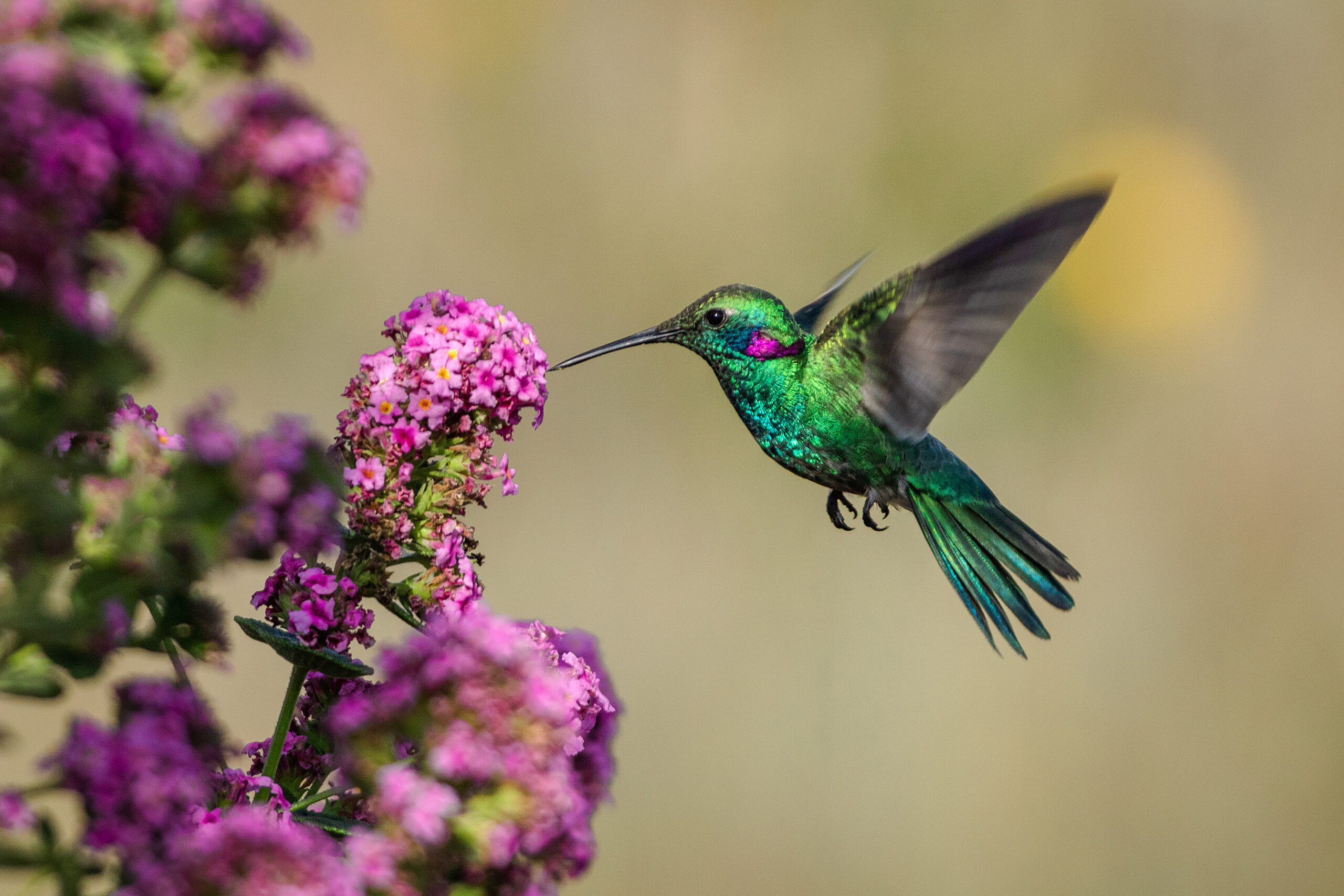
By October, a feeder that seemed to need refilling every day can suddenly go quiet. The hummingbirds haven’t disappeared. Most have headed south.
The ruby-throated hummingbird is the species most Oklahomans know best. It breeds across much of the eastern United States and Canada and migrates to wintering grounds in Mexico and Central America. Some birds cross the Gulf of Mexico in a long nonstop flight. Others follow the Gulf Coast.
Fall migration stretches over weeks rather than happening on one date. Adult males often start south before females and young birds. Hummingbirds you see later in the season may have nested farther north and are passing through Oklahoma.
That leads to one persistent myth. Feeders don’t keep hummingbirds from migrating. Changing day length and internal biological cues drive migration. A clean feeder can help late migrants refuel. In Oklahoma, it can also give you a chance to spot an unusual western hummingbird that wanders east after the main ruby-throated migration.
The standard feeder mix is plain white granulated sugar dissolved in water at about one part sugar to four parts water. You don’t need red dye. Clean feeders regularly, and more often in warm weather, when sugar water spoils faster.
Natural food matters, too. Hummingbirds feed heavily on small insects and spiders as well as nectar. Late-blooming native flowers can supply fuel when migration demands are high.
The trip south is remarkable for an animal that weighs only a few grams. Before migrating, hummingbirds enter hyperphagia, a period of intense feeding that lets them put on substantial fat reserves and carry their fuel with them. That stored fat is essential, because hovering flight takes enormous energy and long stretches of migration may offer few chances to refuel. Birds that cross the Gulf may fly hundreds of miles without stopping.
Weather can delay or speed up their movement. North winds after a cold front may help southbound migrants, while storms along the Gulf can hold birds up. That is why feeder activity can spike for a day or two even after your summer birds seem to be gone.
When the last familiar bird leaves your feeder, it may be headed to southern Mexico or Central America while another bird from Kansas or Missouri is still on its way through. A quiet feeder usually means the traffic has changed, not ended.
You can support migrants without trying to manage their schedule. Keep feeders clean, leave late-blooming flowers in place and avoid broad insecticide use around nectar plants. A hummingbird may sip at your feeder, then spend much of the next hour hunting tiny insects for protein and other nutrients.
Don’t worry if your feeder stays up after the usual migration window. The birds won’t cancel migration because sugar water is available. A feeder left out can support late birds, but keep it especially clean once visits drop, because nectar may sit longer between refills.
If you see a hummingbird well into late fall, take photographs if you can. Oklahoma occasionally hosts species more typical of the West, and documented late-season visitors can make valuable bird records.




-

 Country Lifestyles4 years ago
Scott & Stacey Schumacher: A Growth Mindset
-
 Country Lifestyles10 years ago
Style Your Profile – What your style cowboy hat says about you and new trends in 2017
-
 Horsefeathers13 years ago
Mount Scott: Country Humor with David Gregory
-
 Outdoor11 years ago
Buttercup or Primrose?
-
 Country Lifestyles10 years ago
June 2016 Profile – The man behind the mic: Bob Tallman
-
 Country Lifestyles10 years ago
December 2016 Profile, Rusty Riddle – The Riddle Way
-
 HOME10 years ago
Grazing North Texas – Wilman Lovegrass
-
 The Natural Horseman9 years ago
This is why we do what we do — RayeAnn and Cisco