60th Annual Saint Jo Rodeo

St Jo
TX 76265
USA
August 4-5
60th Annual Saint Jo Rodeo – Saint Jo Riding Club Arena, Saint Jo, Texas. Come out Aug. 4 through the 5 to watch rodeo action each night starting at 8 p.m. Events include bull riding, calf roping, cowgirl’s barrel racing, cowgirl’s breakaway roping, ranch bronc riding, saddle bronc riding, steer wrestling, team roping, tie down roping. The event is a CPRA and UPRA sanctioned event. This Saint Jo rodeo will take place. Saint Jo Riding Club and hosted by Flying C Rodeo Company. This year is the 60th Annual Saint Jo Rodeo. For more info email sjrcrodeo@gmail.com.

St Jo
TX 76265
USA
By Barry Whitworth, DVM
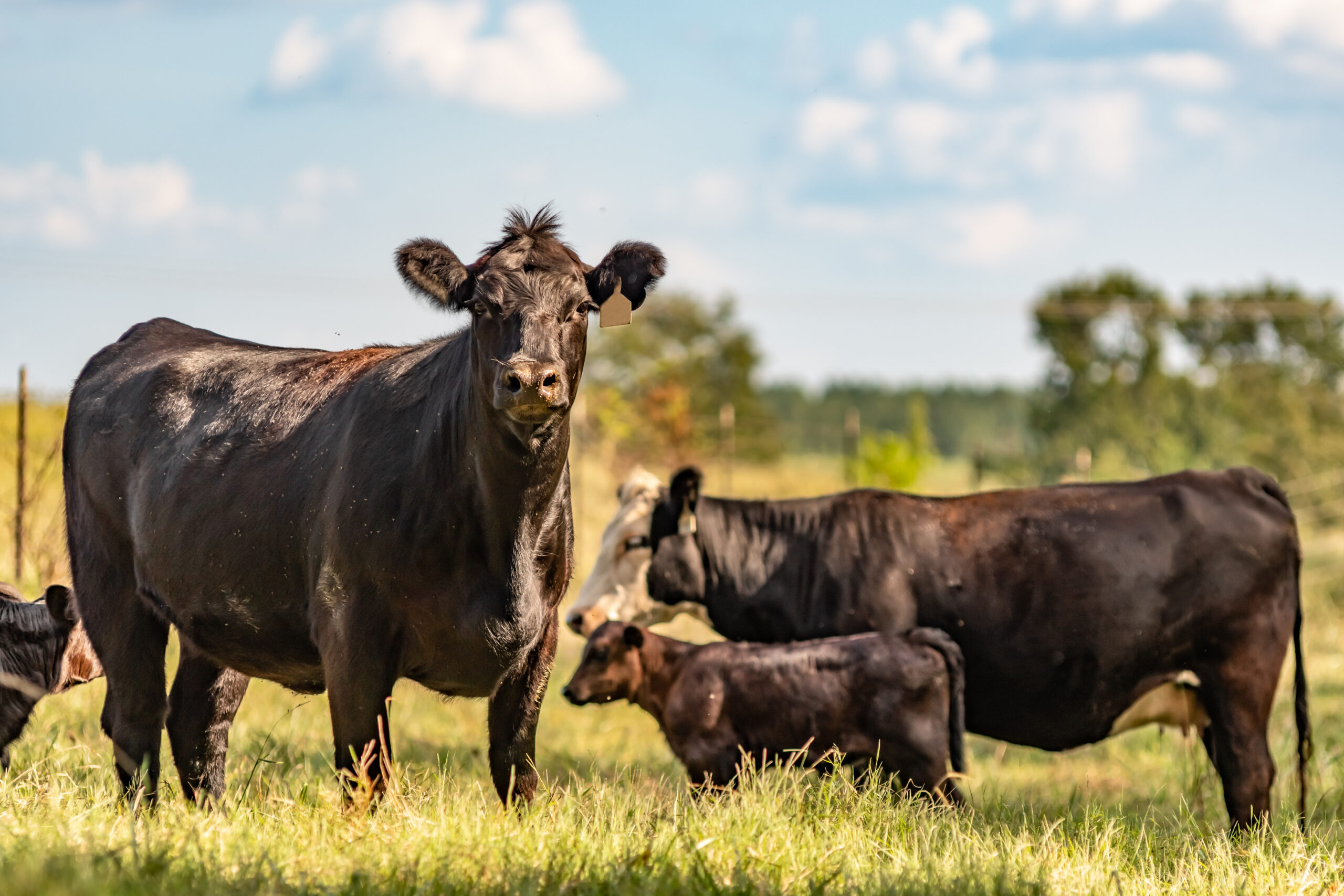
Over the past few years, veterinarians have detected Theileria orientalis in Oklahoma cattle. Early cases were primarily diagnosed in adult cattle, but more recent Oklahoma cases have been identified in stocker cattle. All cattle producers should be familiar with the clinical signs of this disease and check their cattle daily for signs of trouble.
The first U.S. case of theileriosis was identified in Virginia in August 2017. Those cattle showed weakness and anemia, and veterinarians made an initial diagnosis of anaplasmosis. Blood samples from the animals were tested for Anaplasma, Babesia and Leptospira. Results were negative for all three, but the tests revealed a blood protozoan, later identified as T. orientalis genotype Ikeda. Since that first herd outbreak, the organism has been detected in several states.
Cattle sick with T. orientalis genotype Ikeda may show fever, weakness, anorexia and exercise intolerance. If forced to move, affected cattle may stagger and gasp for air. If stressed excessively, they may collapse and die. On examination, the gums, eyes or vaginal mucosa may appear pale (white) or yellow. Reproductive losses, including stillbirths and late-term abortions, may occur, along with a drop in milk production.
Clinical signs reported in adult cattle in Oklahoma include anemia, sudden death, weight loss, abortion, failure to thrive and failure to calve. In stocker cattle, producers have reported weight loss, anemia, poor performance and sudden death.
Because Anaplasma marginale and T. orientalis genotype Ikeda produce similar clinical signs, telling the two apart can be difficult. One difference is that clinical signs are more common in young cattle infected with T. orientalis than in young cattle infected with A. marginale. Cattle with anaplasmosis also often display aggression, while those with T. orientalis genotype Ikeda typically do not. A laboratory test is required to tell the two diseases apart with certainty.
Researchers have identified Haemaphysalis longicornis as a possible vector of T. orientalis genotype Ikeda. In 2017, the U.S. Department of Agriculture’s (USDA) National Veterinary Services Laboratories (NVSL) confirmed the presence of H. longicornis, commonly called the Asian longhorned tick (ALT) or bush tick. While trying to determine how the tick arrived in the United States, USDA officials discovered it had been present in West Virginia as early as 2010. The tick has now been confirmed in at least 26 states, including Oklahoma. Some evidence suggests other insect vectors may also transmit T. orientalis genotype Ikeda. Needle transfer is another possible route of transmission.
The ALT has been identified in Craig and Mayes counties in Oklahoma. This tick thrives in areas with high humidity, such as wooded regions, brush or tall grass. Ticks are often found where large numbers of wildlife gather, such as along deer trails. Producers can find more information about the ALT on the USDA website at https://www.aphis.usda.gov/livestock-poultry-disease/cattle/ticks/asian-longhorned.
Other countries have developed treatments for T. orientalis, but no approved treatments are available in the United States, and no vaccine exists for this disease. The best defense is prevention: buying cattle free of the organism, avoiding blood transfer between animals and using effective tick control. Producers should purchase cattle from reputable sources. Clean instruments between animals during procedures such as castration or dehorning, and change needles between every animal. Control external parasites with appropriate insecticide treatments. Pasture management also helps, such as rotating cattle away from wooded or brushy areas where ticks thrive. Patch burning may also help reduce tick populations.
Theileria orientalis remains a concern for some cow/calf and stocker producers in Oklahoma. Producers who want more information about T. orientalis genotype Ikeda should contact their local veterinarian or Oklahoma State University County Extension agriculture educator.
References
Hammer, J. F., Emery, D., Bogema, D. R., & Jenkins, C. (2015). Detection of Theileria orientalis genotypes in Haemaphysalis longicornis ticks from southern Australia. Parasites & Vectors, 8, 229.
Oakes, V. J., Yabsley, M. J., Schwartz, D., LeRoith, T., Bissett, C., Broaddus, C., Schlater, J. L., Todd, S. M., Boes, K. M., Brookhart, M., & Lahmers, K. K. (2019). Theileria orientalis Ikeda genotype in cattle, Virginia, USA. Emerging Infectious Diseases, 25(9), 1653-1659.
Spickler, Anna Rovid. (2019). Theileriosis. Retrieved from http://www.cfsph.iastate.edu/DiseaseInfo/factsheets.php.
Watts, J. G., Playford, M. C., & Hickey, K. L. (2016). Theileria orientalis: A review. New Zealand Veterinary Journal, 64(1), 3-9.
St Jo
TX 76265
USA
By OKFR Staff
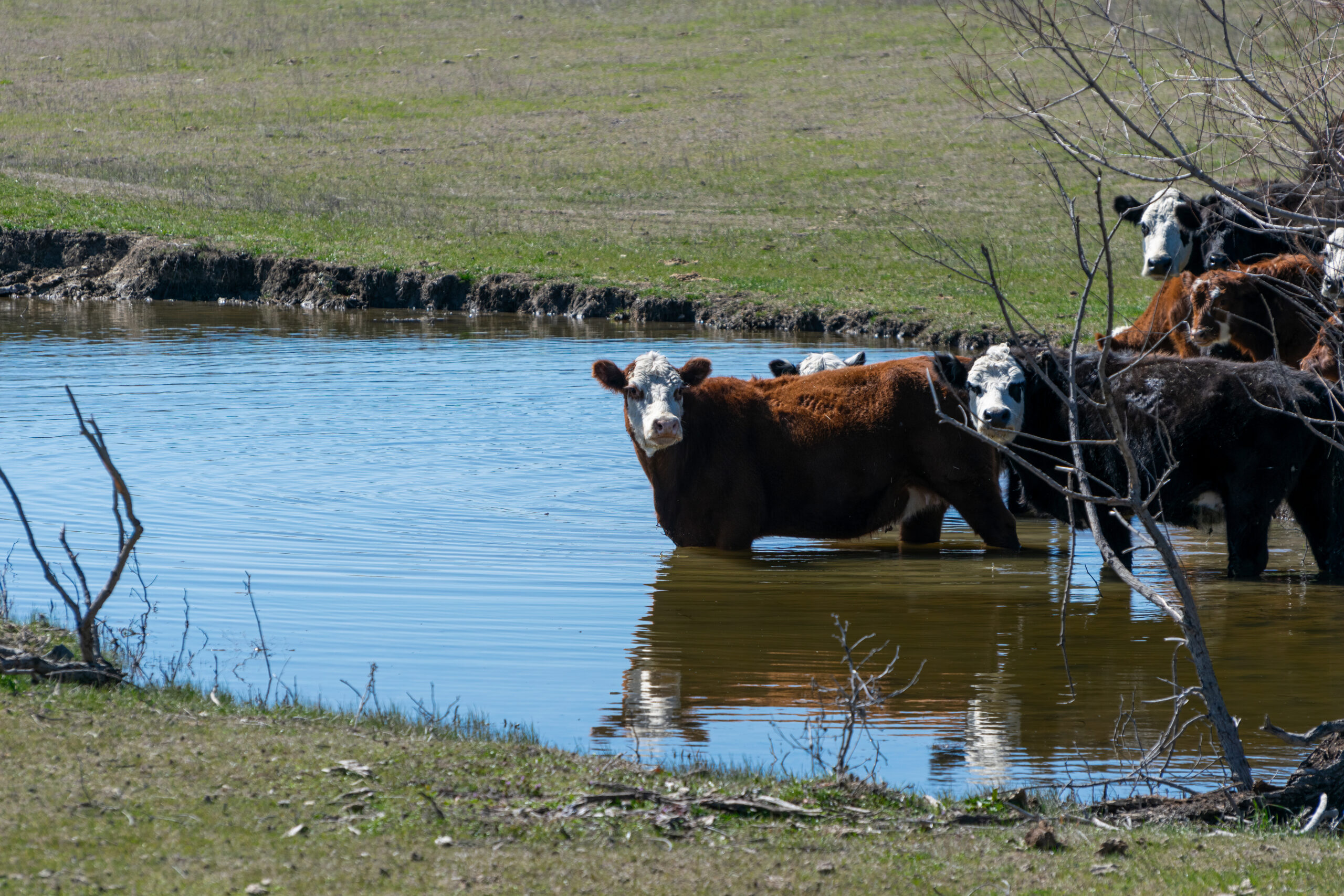
During the hottest part of summer, a farm pond can look like a welcome source of water. Cattle may be standing belly-deep along the bank, and the pond may still hold enough water to seem dependable. Looks alone won’t tell you whether that water is safe.
Hot weather, limited rainfall and falling pond levels can create water-quality problems. As water evaporates, salts, minerals, nutrients and other substances become more concentrated. Warm, still water can also encourage blue-green algae, and some forms can produce toxins capable of killing livestock.
Producers sometimes treat water as an afterthought compared to grass, hay and supplemental feed. Livestock need a dependable supply of clean water to maintain feed intake, regulate body temperature and support production. Poor-quality water can reduce consumption and performance even when it does not cause obvious poisoning.
A pond that has watered cattle for years is not safe under every set of conditions. Pay particular attention during drought, extreme heat or any period when the water level drops significantly.
Watch the Water and the Livestock
One of the most serious late-summer concerns is a bloom of cyanobacteria, commonly called blue-green algae. These organisms live naturally in many bodies of water, and most do not produce dangerous toxins. The risk rises when certain toxin-producing species multiply rapidly under favorable conditions.
According to Oklahoma State University Extension, toxic blue-green algal blooms typically develop in standing water after periods of hot, dry, calm weather. Nutrients such as nitrogen and phosphorus can fuel excessive growth. Those nutrients may reach a pond through manure, fertilizer runoff, soil erosion and decaying vegetation.
A suspicious bloom may turn the water bright green, blue-green, pea-soup green or even brownish. Scum, foam or mats may collect along the shoreline, particularly where the wind pushes floating material into one area. Some blooms look like spilled paint.
Not every green pond is poisonous. Common aquatic plants and harmless algae can also change the color or surface of the water. You usually cannot tell whether a bloom is toxic by looking at it, and a pond can contain toxin-producing cyanobacteria without showing every commonly described warning sign.
Keep livestock, horses, pets and people away from water that has an unusual color, heavy surface scum, a bad odor or unexplained dead fish or wildlife nearby. Do not let livestock drink from another part of the same pond on the assumption that the water is safe there. Wind can move a bloom, and toxin levels may vary across the pond.
Blue-green algae can produce toxins that affect the nervous system or liver. Depending on the toxin and the amount consumed, affected animals may develop weakness, staggering, difficulty breathing, tremors, convulsions, diarrhea or collapse. In severe cases, owners find animals dead near the water before realizing anything is wrong. Treatment often fails, which makes prevention especially important.
Treat any suspected poisoning as an emergency. Move the herd away from the water source without driving or stressing animals that may already be affected. Provide another clean water supply and contact a veterinarian immediately. Your county Extension office can also help you determine where and how to submit a water sample.
Blue-green algae is not the only potential problem. Pond water may contain elevated levels of dissolved salts, sulfates, nitrates, bacteria or other contaminants. Runoff can carry manure, fertilizer, pesticides and organic matter into the pond. Low water levels make some of these problems worse because the remaining water grows more concentrated.
Water with excessive dissolved solids may taste bitter or salty, so animals drink less of it. Depending on the substances involved and their concentrations, poor-quality water may contribute to diarrhea, reduced feed intake, poor weight gain or other health concerns. Young animals and livestock that are not used to the water may be more vulnerable.
Watch the cattle themselves, too. Are they reluctant to drink? Are they crowding around a different water source? Has feed intake or weight gain dropped without an obvious explanation? Are several animals having digestive problems? Changes across multiple animals can be an early clue that you need to look at the feed or water.
OSU Extension recommends collecting a representative sample and submitting it for a livestock water test whenever you suspect a water supply is harming animal health or performance. A standard livestock water test covers several characteristics, but blue-green algae can require different sampling and testing procedures. Contact the laboratory or county Extension office before collecting the sample so you take it from the right location, use the proper container and handle it correctly.
Reduce Problems Before They Develop
Good pond management cannot eliminate every water-quality problem, but it can lower the risk. One of the most effective steps is limiting the manure, soil and nutrients that enter the water.
Cattle with unrestricted access to an entire pond can damage the banks, muddy the water and deposit large amounts of manure in or near it. Hoof traffic strips vegetation and speeds erosion. Sediment fills the pond over time, while manure supplies nutrients that can encourage excessive algae growth.
Where practical, fence livestock away from most of the pond and provide a limited-access watering point. Another option is piping water to a trough below the dam or elsewhere in the pasture. OSU notes that reducing cattle manure in the pond can reduce the conditions that favor toxic algae and make the water more palatable.
A vegetated buffer around the pond can slow runoff and trap soil and nutrients before they reach the water. Apply fertilizer and manure carefully in the watershed, particularly before heavy rain, and do not let large amounts of hay, feed or organic debris pile up at the water’s edge.
Alternative watering systems need maintenance, too. Check troughs for algae, manure, drowned animals and other contamination. Install wildlife escape ramps in tanks so birds and small animals can climb out instead of drowning and fouling the water.
Be cautious about treating a pond on your own. Some owners use copper sulfate and other algaecides for algae control, but improper treatment can create new problems. Killing a large amount of algae or aquatic vegetation at once can deplete dissolved oxygen as the material decomposes, which can lead to a fish kill. Treatment may also release toxins from affected cyanobacteria into the water. Base any chemical application on proper identification and professional recommendations, not guesswork.
Livestock should always have enough water for the weather, their size and their stage of production. Demand rises sharply in hot weather, and a pond that barely meets the herd’s needs in spring may fall short in August. Check the source regularly instead of waiting for cattle to gather around a muddy shoreline.
Ponds can fool you. Crystal-clear water isn’t always safe, and a green pond doesn’t always mean toxic algae. Regular observation, testing and prevention are the best ways to keep a pond safe for your herd.
St Jo
TX 76265
USA
By OKFR Staff
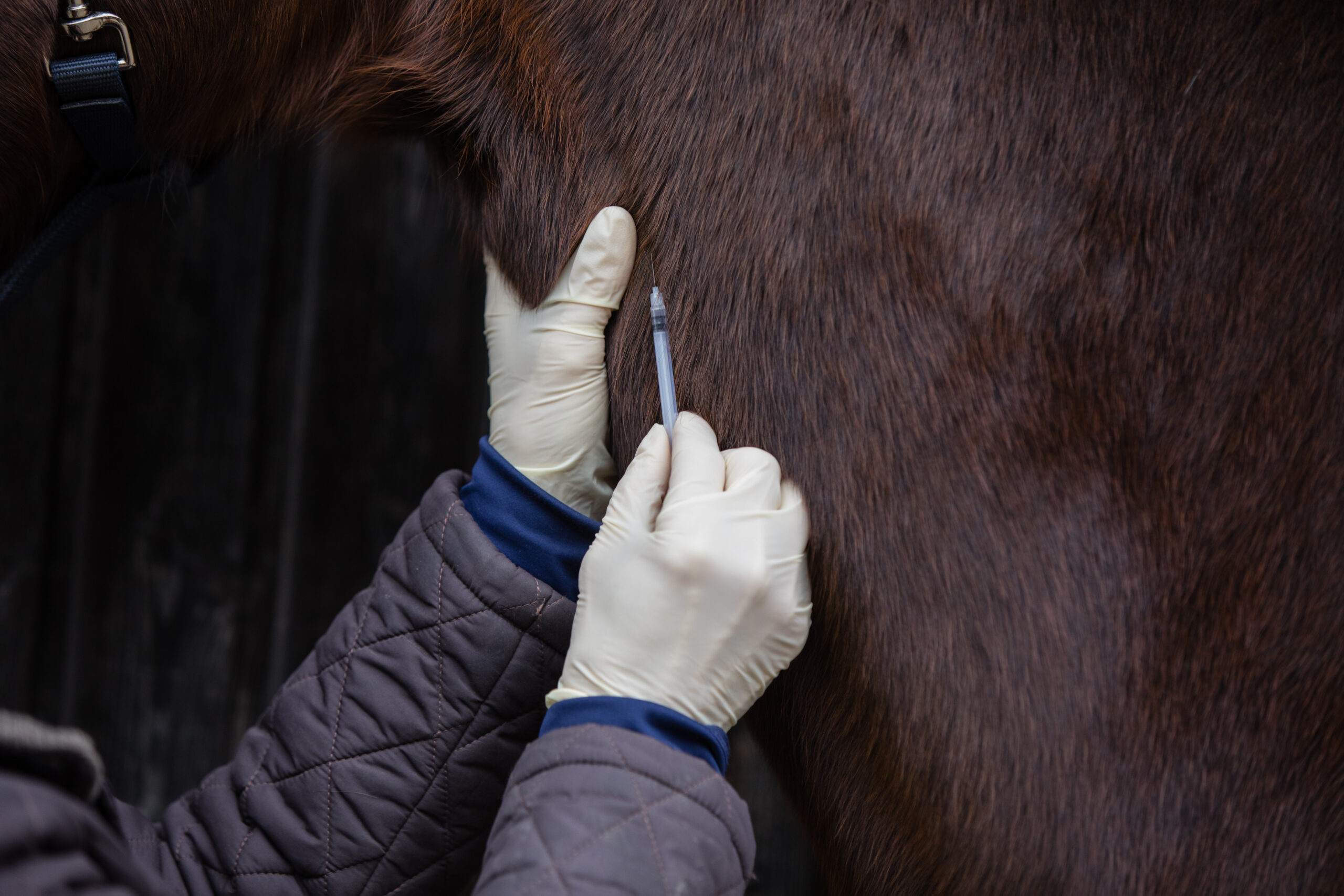
Vaccinations may not prevent every illness, but they remain one of the most effective tools horse owners have for reducing the risk of serious and sometimes fatal disease. The right vaccination program depends on the horse, where it lives, how often it travels and the animals it may encounter.
The American Association of Equine Practitioners (AAEP) divides vaccines into two categories: core and risk-based. The AAEP recommends core vaccines for all horses because these diseases pose a significant health risk, may affect public health or spread through sources owners cannot fully control.
The core vaccines for horses are tetanus, Eastern and Western equine encephalomyelitis, West Nile virus and rabies.
Tetanus bacteria live in soil and manure. The organism can enter through puncture wounds, cuts, surgical sites and other damaged tissue, so even a minor-looking wound can lead to infection.
Previously vaccinated adult horses generally receive a tetanus booster once a year. Your veterinarian may recommend an additional booster after a penetrating injury or before surgery if more than six months have passed since the horse’s last dose.
Mosquitoes spread Eastern and Western equine encephalomyelitis and West Nile virus. These diseases attack the nervous system and may cause weakness, loss of coordination, behavior changes, difficulty standing or death.
Horses generally receive these vaccines before mosquito season begins. In regions with long mosquito seasons, a veterinarian may recommend boosters more than once a year.
Rabies is uncommon in horses, but it is fatal and can pass to people. Horses may be exposed through contact with infected wildlife, including bats, skunks, raccoons and foxes. Because horses spend so much time with owners, veterinarians, farriers and other handlers, annual rabies vaccination protects more than the individual animal.
Risk-based vaccines depend on a horse’s individual circumstances. These may include vaccines for equine influenza, equine herpesvirus, strangles, leptospirosis, botulism and other diseases. A horse that stays on one farm with a closed herd may need different protection than a show horse that travels regularly, shares barns with unfamiliar horses and meets animals from several states.
Owners commonly consider influenza and equine herpesvirus vaccines for horses that travel or meet new horses often. Equine influenza spreads quickly through respiratory droplets and contaminated equipment. Horses at higher risk may need boosters every six months, and some competitions and facilities require proof of recent vaccination.
Timing matters. Vaccines do not provide immediate protection, and an unvaccinated horse may need an initial series of two or more doses. The AAEP recommends completing the primary series and any needed boosters at least 14 days before likely exposure. Vaccinating the day before a show or hauling trip does not give the immune system enough time to respond.
Mild soreness, swelling or a temporary fever can occur after vaccination. Serious reactions are rare, but call your veterinarian if a horse develops significant swelling, breathing difficulty, hives, weakness or other concerning signs.
No single vaccination schedule fits every horse. Age, pregnancy, health, travel, local disease activity and vaccination history all affect the plan. Your veterinarian can build a schedule around those factors and make sure vaccines are properly stored, given and recorded.
Vaccination works best alongside good management. Clean equipment, limited contact with unfamiliar horses, isolation of new arrivals and prompt attention to illness all still matter. Together, vaccination and basic biosecurity give horses a stronger defense against preventable disease.




-
 Country Lifestyles4 years ago
Scott & Stacey Schumacher: A Growth Mindset
-
 Country Lifestyles10 years ago
Style Your Profile – What your style cowboy hat says about you and new trends in 2017
-
 Horsefeathers12 years ago
Mount Scott: Country Humor with David Gregory
-
 Country Lifestyles10 years ago
June 2016 Profile – The man behind the mic: Bob Tallman
-
 Outdoor11 years ago
Buttercup or Primrose?
-
 HOME10 years ago
Grazing North Texas – Wilman Lovegrass
-
 Country Lifestyles10 years ago
December 2016 Profile, Rusty Riddle – The Riddle Way
-
 The Natural Horseman9 years ago
This is why we do what we do — RayeAnn and Cisco