5 Star Barrel Racing

111 Burnett St
Wichita Falls, TX 76301
USA
12/20
5 Star Barrel Racing
2 p.m. – 5 p.m.
JS Bridwell Ag Center
111 N Burnett
Wichita Falls, TX 76301
Join us for the 5 Star Barrel Racing event taking place at the J.S. Bridwell Agricultural Center. The public is invited and welcome to attend and the cost is free! For more info call Tammy Lemond 940.781.2414 or email to tammylemond@aol.com

111 Burnett St
Wichita Falls, TX 76301
USA
By Ann Asher
The first time I saved seeds, it felt a little like cheating.
After spending all spring and summer buying plants, watering them, pulling weeds and hoping they survived Oklahoma’s heat, it occurred to me that nature had figured this out long before seed catalogs showed up in my mailbox.
Every tomato, pepper, bean and flower in my garden was trying to make next year’s garden on its own.
Somewhere along the way, I had forgotten that.
Like many gardeners, I had always bought fresh seed packets every spring. Nothing is wrong with that. Seed companies offer incredible varieties bred for everything from disease resistance to better production. But once I began learning about saving seeds, I found something satisfying about planting seeds from vegetables I grew myself.
I also learned that not every seed is created equal.
One of the first lessons was the difference between heirloom and hybrid varieties. People often use the terms interchangeably, but they mean different things.
Heirloom plants are open-pollinated varieties passed from generation to generation, often for 50 years or more. Because they reproduce “true to type,” the seeds you save from a healthy heirloom tomato should produce plants very similar to the parent the following year, as long as they haven’t cross-pollinated with another variety.
Plant breeders create hybrid plants by crossing two carefully selected parent plants to combine desirable traits, such as better disease resistance, higher yields or improved vigor. Those qualities make hybrids wonderful garden plants, but their seeds don’t reliably grow into the same plant the following season. You might get something similar, or you might get a surprise.
Neither type is better than the other. Each serves a different purpose.
As a beginner, I found seed saving much easier than I expected.
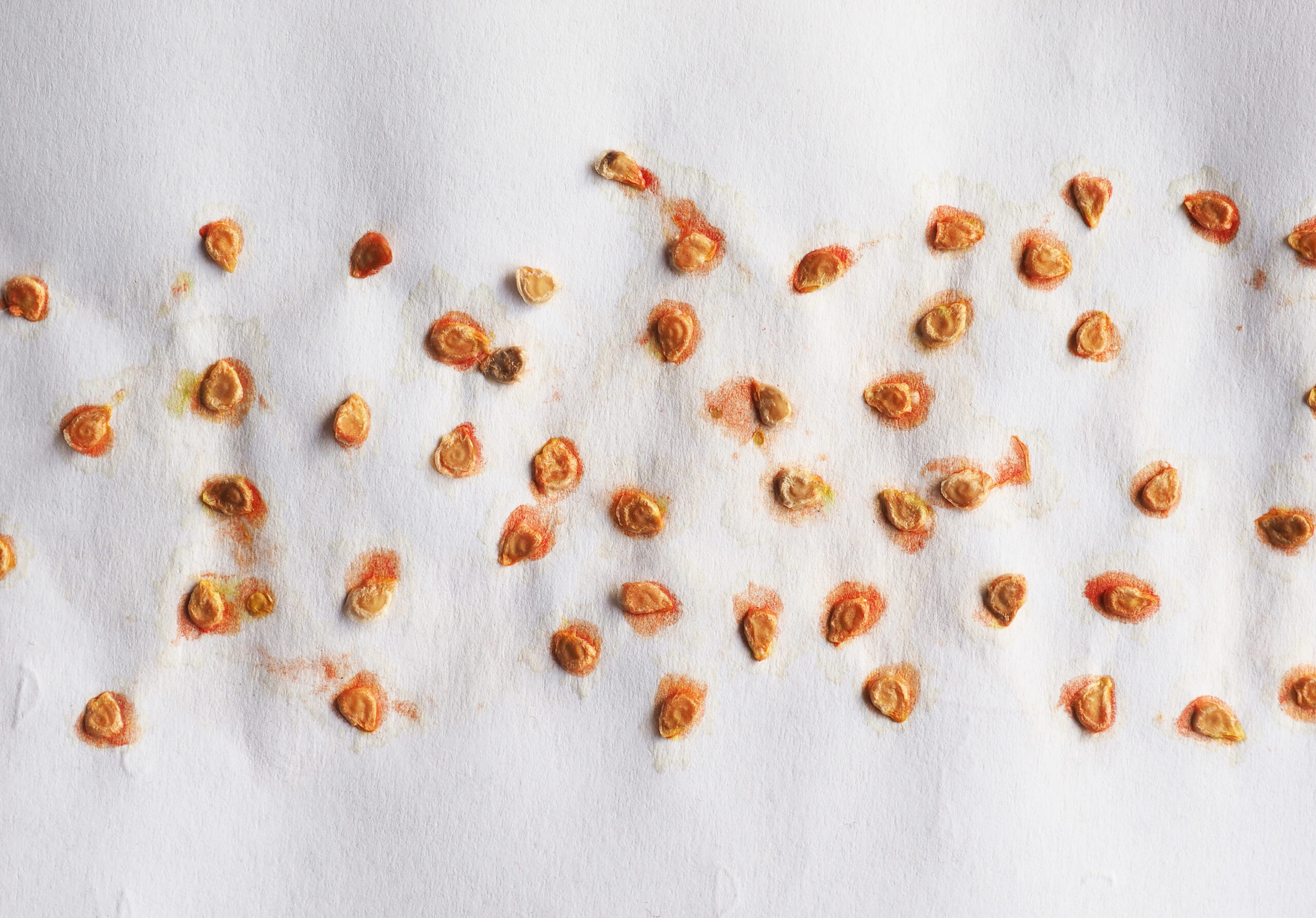
Beans do most of the work for you. Leave a few pods on the vine until they dry completely, shell them, and the seeds are ready to store. Peppers are almost as simple. Once the fruit is fully ripe, remove the seeds, spread them out to dry for several days and store them in a cool, dry place.
Tomatoes sounded intimidating until I tried them. A gelatinous coating surrounds the seeds and keeps them from sprouting inside the fruit. To remove that coating, you usually let the seeds ferment in a little water for a couple of days, then rinse and dry them. It sounds more complicated than it is, and once you’ve done it, you’ll wonder why you waited so long.
Flowers have become one of my favorite places to experiment. Watching seed heads dry on coneflowers, zinnias, marigolds and sunflowers reminds me that every bloom is already preparing for another season. Instead of cutting everything down the moment it finishes flowering, I’ve started paying attention to what comes afterward.
I’ve also learned that patience matters.
Seeds need to be fully mature before you collect them and completely dry before you store them. Otherwise, moisture invites mold and can ruin months of work. A paper envelope labeled with the variety and the year often works better than an airtight plastic bag, especially until the seeds have finished drying.
The biggest surprise has been how seed saving changed the way I look at gardening.
I used to see the end of the growing season as the finish line. Now I see it as the start of the next one. Every healthy plant is a potential source for next year’s garden, and even the vegetables I once hurried to pull out have one last job to do.
Will I still order seeds every winter? Absolutely.
There are too many interesting varieties to stop exploring, and I’ll probably always have room in the garden for something new. But I’ll also be opening a small box of envelopes from this year’s harvest, each one a reminder that a garden can last longer than a single season.
Sometimes, if we let it, the garden grows itself right into the next year. I have to admit, that’s pretty rewarding.
111 Burnett St
Wichita Falls, TX 76301
USA
By NTFR Staff
It seems to happen every summer. The garden suddenly produces more tomatoes, cucumbers and green beans than anyone could possibly eat, and before long someone asks, “Maybe I should learn to can?”
For many families, canning is a tradition passed down for generations. For others, it’s a new hobby that offers the satisfaction of stocking pantry shelves with homegrown food. Either way, getting started can feel overwhelming. Pressure canners, boiling water baths, jars, lids, processing times and safety recommendations are enough to make anyone wonder where to begin.
Home canning isn’t difficult once you understand the basics.
Canning preserves food in sealed jars by heating them to destroy microorganisms and create a vacuum seal. The USDA approves only two methods for home canning: boiling water bath canning and pressure canning. Which one you use depends entirely on what you’re preserving.
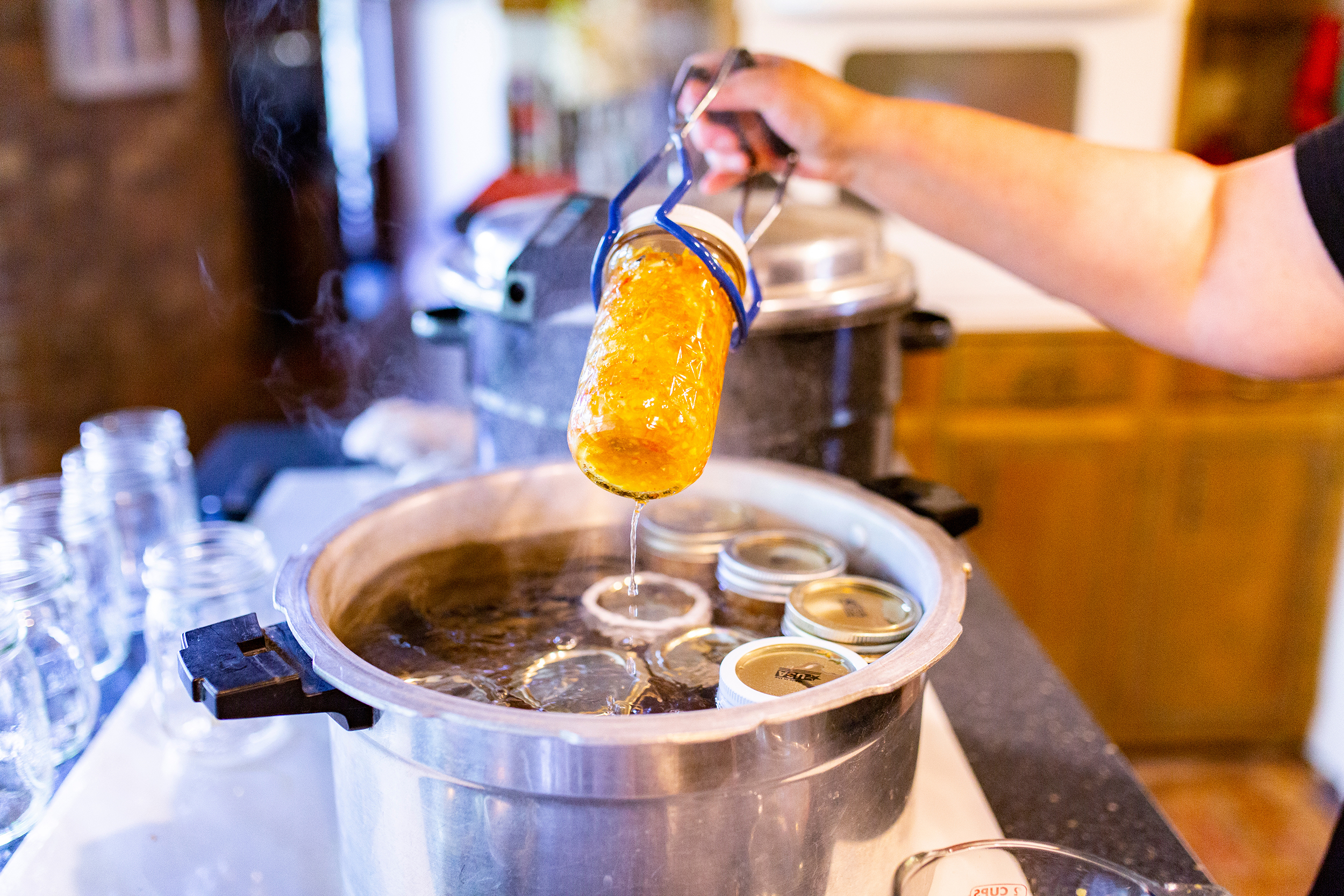
A boiling water bath is exactly what it sounds like. You submerge filled jars completely in boiling water and process them for a specific amount of time. Because boiling water only reaches 212 degrees Fahrenheit at sea level, this method is safe only for foods that are naturally high in acid or have enough added acid to prevent dangerous bacteria from growing.
That makes water bath canning a good fit for jams, jellies, fruit preserves, pickles, chutneys, fruit butters and many tomato products that have the proper amount of bottled lemon juice or citric acid added according to a tested recipe.
Pressure canning works differently. A sealed canner traps steam, and the temperature climbs well above the boiling point of water to about 240 degrees Fahrenheit. That higher temperature is necessary to destroy Clostridium botulinum spores, which can survive ordinary boiling and produce the toxin that causes botulism.
Because of that, you must pressure can low-acid foods such as green beans, corn, carrots, potatoes, meats, poultry, seafood and soups. A boiling water bath isn’t safe for these foods, no matter how long you boil the jars.
For most beginners, water bath canning is the easiest place to start. The equipment costs less, the process is simpler and recipes like strawberry jam or dill pickles are forgiving enough to build confidence. Many people who enjoy preserving fruit eventually buy a pressure canner once they want to put up vegetables or homemade stock.
Pressure canning doesn’t need to be intimidating, either. Modern pressure canners include multiple built-in safety features and are far different from the exploding canners in the old stories many people heard decades ago. Like any kitchen tool, they’re safe when used according to the manufacturer’s directions and with tested recipes.
Whichever method you choose, one rule never changes: always use recipes that have been scientifically tested. Family recipes may taste wonderful fresh, but they aren’t always safe for canning. Changing ingredient amounts, thickening soups with flour, adding extra vegetables or reducing vinegar can all affect the safety of the finished product. The USDA and the National Center for Home Food Preservation remain the gold standards for home canning recipes and processing recommendations.
Today’s recommendations may also differ from the ones your grandparents followed. Research has improved over the years, and food safety guidance has changed with it. Methods like open-kettle canning, oven canning and sealing jars by turning them upside down are no longer considered safe for shelf-stable foods.
If you’ve never canned before, you don’t have to preserve an entire garden your first weekend. Start with one recipe. Learn how to prepare the jars, measure headspace, remove air bubbles and process them correctly. Once you hear that satisfying “ping” as the lids seal, you’ll understand why so many people find canning rewarding.
Opening a jar of peaches in January or serving homemade salsa long after the tomatoes are gone is a special kind of reward. With a little knowledge, the right equipment and a commitment to tested recipes, anyone can preserve the harvest safely for months to come.
111 Burnett St
Wichita Falls, TX 76301
USA
By OKFR Staff
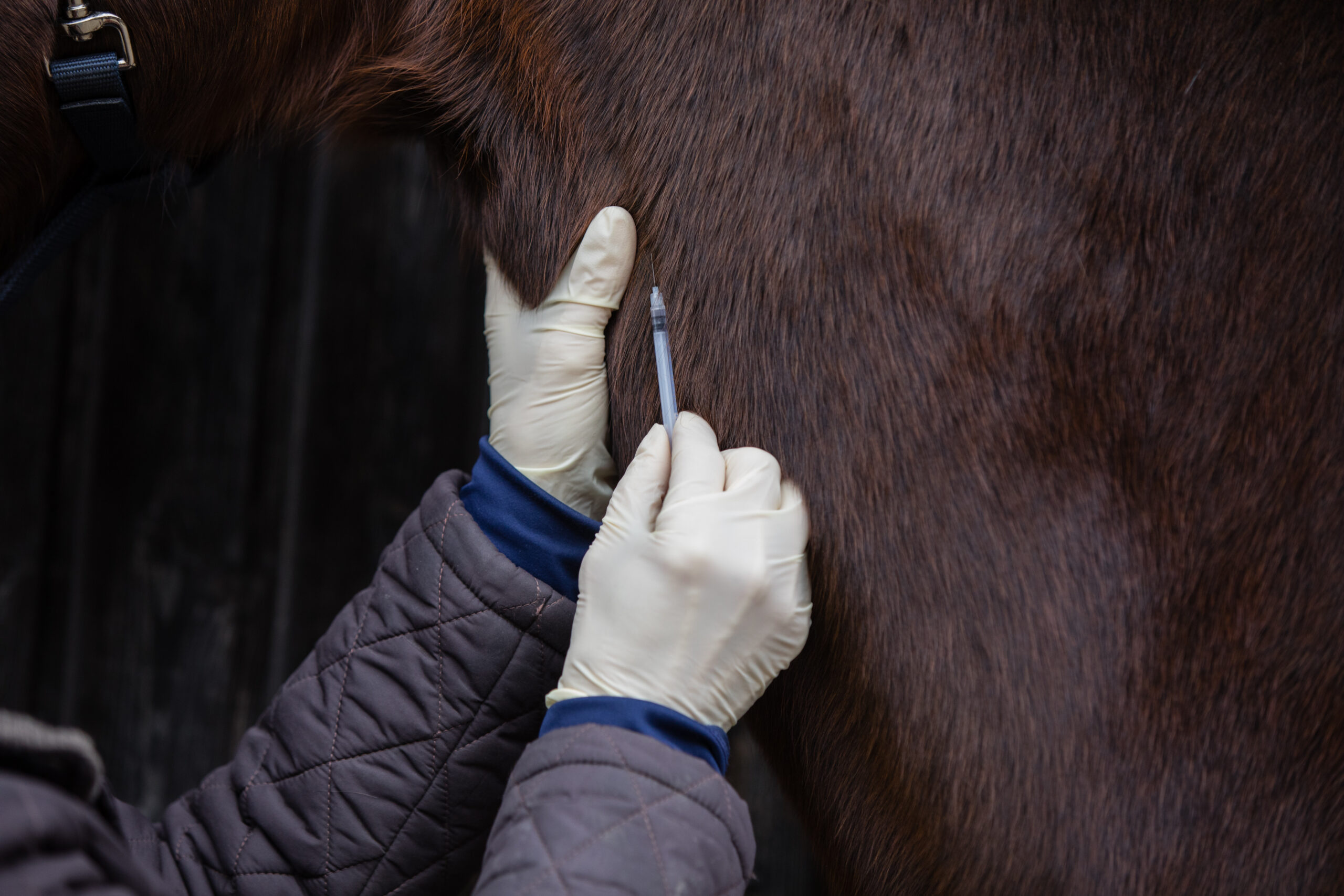
Vaccinations may not prevent every illness, but they remain one of the most effective tools horse owners have for reducing the risk of serious and sometimes fatal disease. The right vaccination program depends on the horse, where it lives, how often it travels and the animals it may encounter.
The American Association of Equine Practitioners (AAEP) divides vaccines into two categories: core and risk-based. The AAEP recommends core vaccines for all horses because these diseases pose a significant health risk, may affect public health or spread through sources owners cannot fully control.
The core vaccines for horses are tetanus, Eastern and Western equine encephalomyelitis, West Nile virus and rabies.
Tetanus bacteria live in soil and manure. The organism can enter through puncture wounds, cuts, surgical sites and other damaged tissue, so even a minor-looking wound can lead to infection.
Previously vaccinated adult horses generally receive a tetanus booster once a year. Your veterinarian may recommend an additional booster after a penetrating injury or before surgery if more than six months have passed since the horse’s last dose.
Mosquitoes spread Eastern and Western equine encephalomyelitis and West Nile virus. These diseases attack the nervous system and may cause weakness, loss of coordination, behavior changes, difficulty standing or death.
Horses generally receive these vaccines before mosquito season begins. In regions with long mosquito seasons, a veterinarian may recommend boosters more than once a year.
Rabies is uncommon in horses, but it is fatal and can pass to people. Horses may be exposed through contact with infected wildlife, including bats, skunks, raccoons and foxes. Because horses spend so much time with owners, veterinarians, farriers and other handlers, annual rabies vaccination protects more than the individual animal.
Risk-based vaccines depend on a horse’s individual circumstances. These may include vaccines for equine influenza, equine herpesvirus, strangles, leptospirosis, botulism and other diseases. A horse that stays on one farm with a closed herd may need different protection than a show horse that travels regularly, shares barns with unfamiliar horses and meets animals from several states.
Owners commonly consider influenza and equine herpesvirus vaccines for horses that travel or meet new horses often. Equine influenza spreads quickly through respiratory droplets and contaminated equipment. Horses at higher risk may need boosters every six months, and some competitions and facilities require proof of recent vaccination.
Timing matters. Vaccines do not provide immediate protection, and an unvaccinated horse may need an initial series of two or more doses. The AAEP recommends completing the primary series and any needed boosters at least 14 days before likely exposure. Vaccinating the day before a show or hauling trip does not give the immune system enough time to respond.
Mild soreness, swelling or a temporary fever can occur after vaccination. Serious reactions are rare, but call your veterinarian if a horse develops significant swelling, breathing difficulty, hives, weakness or other concerning signs.
No single vaccination schedule fits every horse. Age, pregnancy, health, travel, local disease activity and vaccination history all affect the plan. Your veterinarian can build a schedule around those factors and make sure vaccines are properly stored, given and recorded.
Vaccination works best alongside good management. Clean equipment, limited contact with unfamiliar horses, isolation of new arrivals and prompt attention to illness all still matter. Together, vaccination and basic biosecurity give horses a stronger defense against preventable disease.




-

 Country Lifestyles4 years ago
Scott & Stacey Schumacher: A Growth Mindset
-
 Country Lifestyles10 years ago
Style Your Profile – What your style cowboy hat says about you and new trends in 2017
-
 Horsefeathers12 years ago
Mount Scott: Country Humor with David Gregory
-
 Country Lifestyles10 years ago
June 2016 Profile – The man behind the mic: Bob Tallman
-
 Outdoor11 years ago
Buttercup or Primrose?
-
 Country Lifestyles10 years ago
December 2016 Profile, Rusty Riddle – The Riddle Way
-
 HOME10 years ago
Grazing North Texas – Wilman Lovegrass
-
 The Natural Horseman9 years ago
This is why we do what we do — RayeAnn and Cisco