
2014 Boomtown Rodeo

Burkburnett, TX 76354
USA
By Ann Asher
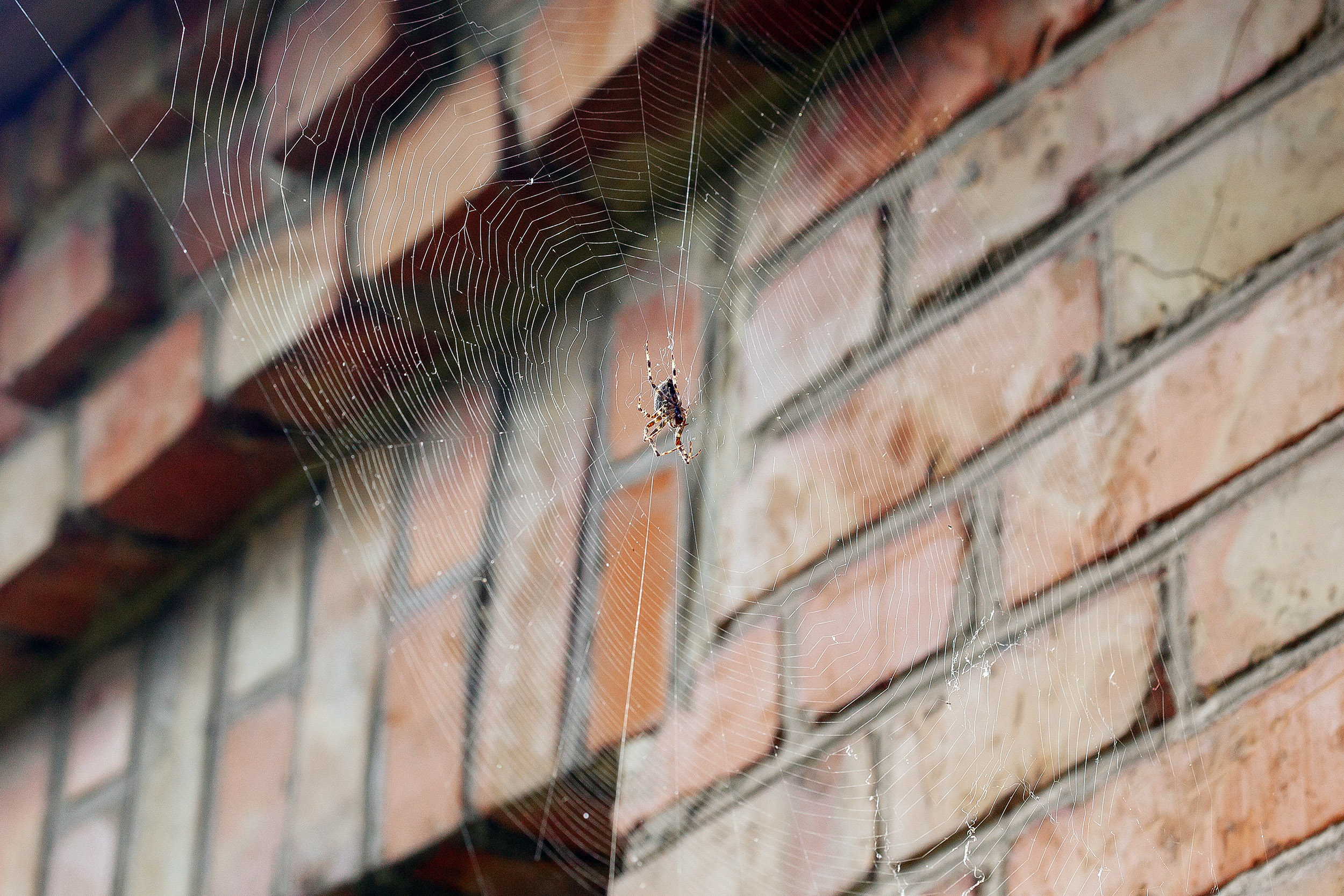
Walk through a pasture, garden or wooded trail on a September morning, and the spiders seem to have taken over overnight. Large webs stretch between fence wires, across tall weeds and from one side of a path to the other. Covered with dew and caught in early sunlight, they show how many spiders have been working through the night.
Spiders are around all year, but many become more noticeable in late summer and early fall as they mature and build larger webs. The insects they eat are also plentiful, giving spiders plenty to feed on before cold weather arrives.
If you’ve ever walked face-first into a web, it can be hard to think of spiders as welcome neighbors. Most, however, are harmless to people and valuable in gardens, pastures and barns.
Spiders are predators that feed on insects and other small arthropods. Their prey can include flies, moths, beetles, grasshoppers, leafhoppers, aphids and caterpillars. Oklahoma State University Extension notes that their role in controlling insects far outweighs the limited risk from the few species capable of medically significant bites.
Builders and hunters
The webs most people notice in September usually belong to orb-weaving spiders. Their flat, circular webs have the familiar spokes and spirals of a storybook spider web. Orb-weavers set these traps where flying or jumping insects are likely to pass, including between plants, along fence lines and across openings in wooded areas.
One of the best-known orb-weavers in North Texas is the black-and-yellow garden spider. A mature female can be big enough to cause alarm, with long legs and bold yellow, black or orange markings. Her web may have a thick zigzag of silk down the center. Despite her size and looks, the garden spider is generally harmless to people.
These spiders can catch surprisingly large prey. Texas A&M AgriLife reports that large garden spiders often catch and eat grasshopper-sized insects. Their webs may be a nuisance across a walkway or gate, but the spiders provide natural insect control around gardens and fields.
Not every spider needs a web to catch a meal. Wolf spiders hunt on the ground, moving through grass, leaf litter and bare soil in search of prey. You’ll often see them after dark or around outdoor lights, where insects gather.
Their size and speed sometimes get them mistaken for more dangerous species, but wolf spiders aren’t considered a significant hazard to people.
Female wolf spiders care for their young in an unusual way. They carry a round egg sac attached beneath the abdomen. After the eggs hatch, the tiny spiderlings climb onto their mother’s back and ride there until they are ready to hunt on their own.
Jumping spiders are smaller, compact hunters that use excellent vision and quick movements to stalk insects. Look for them on fences, tree trunks, porch railings or plant leaves. Rather than building a web, they creep close and leap when the moment is right.
Crab spiders also hunt without webs. Often found on flowers, they use camouflage to wait for visiting insects. Some are white, yellow or green, letting them blend into petals and leaves. Web builders and active hunters alike help keep insects in check.
The two to watch for
Most spiders you meet outdoors aren’t dangerous, but North Texas is home to black widows and brown recluse spiders. Both generally prefer protected, undisturbed places rather than open webs across a garden path.
Black widows often build irregular webs in sheltered spots, including woodpiles, storage areas, outdoor furniture, meter boxes and unused containers. Brown recluses prefer dark, quiet places such as boxes, sheds, lumber stacks and the spaces beneath stored items. They don’t usually build the large, circular webs you see in open vegetation.
Neither species goes looking for people. Bites often happen when a spider gets trapped against the skin or disturbed while someone moves stored materials. Wear gloves when handling firewood, boards, boxes or debris, and shake out shoes and clothing that have been stored in a shed or garage before you put them on.
Correct identification matters. People often mistake wolf spiders, grass spiders and other harmless species for brown recluses. A dark marking on a spider’s back isn’t enough for a reliable ID. If you think a medically important spider is around, contact your county Extension office or a qualified pest professional.
Let them work
Outdoors, spiders rarely need controlling. Sweeping a web away from a doorway or busy path is usually enough. The spider may rebuild nearby or move somewhere quieter. Broad insecticide treatments can kill spiders along with many beneficial insects and are often unnecessary in gardens or open landscapes. Oklahoma State University recommends leaving most garden spiders alone because they help suppress pests.
Spiders are also part of the food chain. Birds, reptiles, small mammals and other arthropods eat them, and their presence reflects the steady trade between predators and prey in even a small patch of grass.
The web across your trail may be an inconvenience, but it also means an effective hunter is at work. By morning, that web may hold the remains of moths, flies or grasshoppers that might otherwise have moved into your garden, barn or pasture.
Late summer belongs to the spiders. Their webs catch the dew, mark the paths of insects and reveal a part of the outdoors most of us overlook. Most aren’t waiting to harm anyone. They are doing the work they’ve done all season, one strand at a time.
Burkburnett, TX 76354
USA
By Bryce Angell
Eleven teenage cowboys saddled up to hit the trail. If I’d have known what lay ahead I might have turned around to bail.
We’d planned our trip, so many nights, I’d say dang near a year. My cousin was the one in charge of all the food and gear.
We rode back in some twenty miles. The horses all but spent. Then set up camp and cooked the steaks inside our new cook tent.
The horses were all fenced in or were tied up for the night. ’Twas time to sit next to the fire. A well-deserved delight.
With bellies full of grub and sitting by the fire’s glow, Old Mother Nature made her call. Said, “Time for you to go!”
I quizzed my cousin, “Toilet Paper?” Desperate in my plea. I won’t forget his wide eyes if I live to ninety-three.
He said, “I plumb forgot about the toilet paper roll! Ya better start to gather leaves and dig yourself a hole.”
The frightful news sure traveled fast out to the young cowboys. They calculated lynching but were full of hot air noise.
So, we gathered leaves, then hurried off, the well-known, “Two Step Stride.” But all too soon the leaves were scratchy for our young backside.
My cousin said, “Just do your job then head down to the lake. But don’t forget your Ivory Soap and scrub for goodness sake!”
We were finally back to normal. No more scratchy, itchy seats. Compared to leaves and grass the Ivory Soap was hard to beat.
The youngest of the cowboys said, “Let’s contact Ivory Soap. We could be an advertisement for how we’d all lost hope.
“Then Ivory to the rescue. Now our cheeks are super clean.” Another cowboy hollered, “That would be a gruesome scene!”
So that night, while sleeping in my bag, I heard the loudest splash. I rolled on out then headed for the lake in one fast dash.
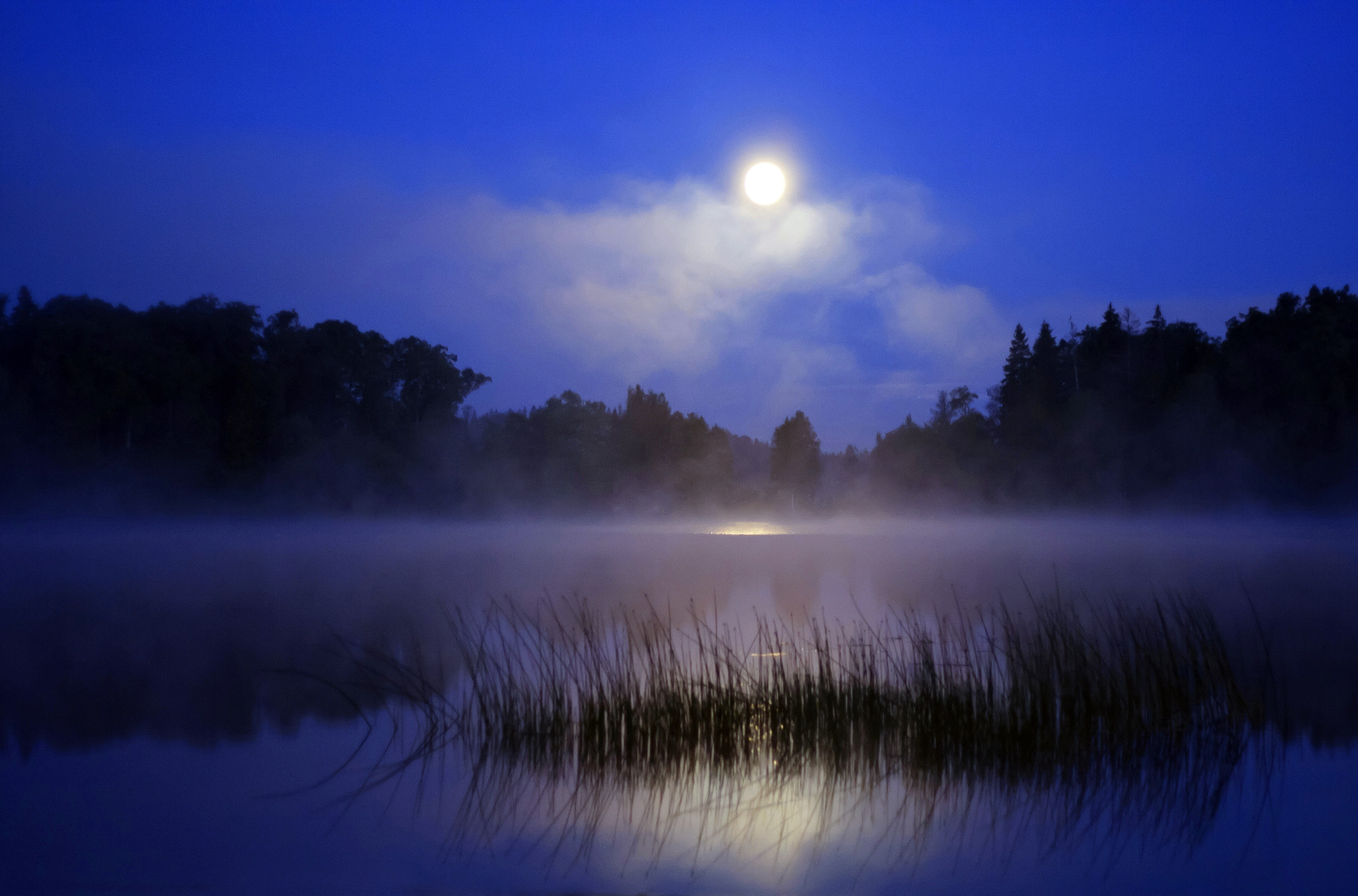
The sky was clear, the moon so bright, heard yodeling calls from Loons. But on that fateful night, I swear, I witnessed two full moons.
Burkburnett, TX 76354
USA
By Tony Dean, tonydean.tx1@gmail.com
Who qualifies as your neighbor? Webster says it is someone who lives nearby, but it isn’t always that simple. Is my neighbor the person next door, or someone in the next county? It could be both.
Our neighbors are an important part of life on the ranch and the grazing lands we share. Many of us find comfort in knowing another human being is somewhere in our neck of the woods, and that someone nearby cares what happens to us.
Being a good neighbor is part of being a productive and responsible rancher, so let’s look at some of the qualities that make a good one.
Protect your neighbor
Watch out for him.
The cattle business is dangerous. Almost everything we work with is bigger and faster than we are. A mad cow can turn an otherwise wonderful day into a disaster. Sooner or later, all of us will need some help.
The average age of today’s rancher keeps climbing. Be aware of your neighbors’ ages, limitations or disabilities, and keep an eye out for anything outside their normal routine.
More women own and operate ranches today, too. Some may suddenly find themselves responsible for parts of the operation that a spouse or family member used to handle. As neighbors, we can be a valuable backup system, helping one another learn, adjust and keep the operation moving.
And then there is wildfire. It can be on us in minutes. You may need to help move a family down the road to safety or move livestock out of harm’s way. Have a plan in mind before the emergency happens.
Be a friend
Some of us who live in the country drive to town for work or make regular trips for other reasons. Others are stay-at-home ranchers, and life can get a little lonely. A friendly smile, a phone call or an invitation to lunch can mean more than we realize.
Things aren’t always wine and roses at the ranch. Few occupations ask people to juggle such a mix of complex markets, weather, natural resource management, livestock management and countless other issues.
Spirits can get low. If we are listening, we can hear and feel the stress in someone’s life. On those days, you have a chance to be a special kind of friend.
Help your neighbor
Have you ever tried to load a trailer by yourself and needed someone to stand in the gate for a couple of minutes? All of us will need help at some point, and our neighbors should be among the people we can call.
Do your best to be there when needed, and your neighbors will likely be there when it is your turn to ask. Sometimes it will be a small job. Other times, it will be a big one. It doesn’t matter. We help our neighbors.
It’s also smart to make sure someone nearby knows your ranching program and understands the land you use. At some point, one of you may need to take care of business for the other for several days.
Be cooperative
There is no end to the situations that can involve more than one family. Fencing, road maintenance and livestock getting where they don’t belong are common ones.
If you don’t handle these things with a friendly, cooperative attitude, they can create problems between neighbors that last for years.
Good fences are something to be proud of. Nothing is gained by years of bickering. Reaching an agreement may be hard at times, but neighbors should be able to work things out. Clear your head, use common sense and come up with an answer everyone can live with.
If your cattle get mixed up with your neighbor’s, make it a priority to separate them as soon as possible. It is rude to let your cattle stay in your neighbor’s pasture eating his grass while you do nothing about it.
One good way to handle strays is for the rancher whose pasture they are in to pen his own cattle along with the strays. The other rancher can then load his cattle and take them home. Afterward, both ranchers can work together on any fence repairs.
By the way, a gate between neighbors is almost always a good policy.
Take ownership
The only way to avoid mistakes is to do nothing. But it isn’t in us as ranchers to sit around and watch the world go by. We are men and women of action, so things are going to go sideways from time to time.
When that happens, and it will, own your mistakes. Decisive action can prevent misunderstandings and make a problem go away much faster.
Be honest, and never, ever lie.
Be patient
We all have bad days. When your neighbor is a little grouchy, he or she probably has something weighing on them.
That is a chance to be a good neighbor. Be patient. Be a good listener. Help your neighbor through the turmoil if you can.
Respect property boundaries
Trespassing is wrong, illegal and rude. Never do it except in an emergency.
In the Southwest, where we live, land ownership is considered a sacred right, and it is a right available to anyone. With ownership comes an expectation of privacy and respect. When you trespass, you violate those rights.
And yes, it is trespassing when you cross a fence to fish or hunt without permission. Texas is a private-property state, which makes respecting these boundaries especially important.
That doesn’t mean you can’t have an understanding with your neighbors that lets you onto their land. Many good friends and neighbors work together on one another’s ranches, but both parties should always communicate well.
You have a cell phone. Use it any time you doubt whether you have the right to go through the gate. An invitation onto another person’s ranch is a privilege, so don’t abuse it.
Your word
Your word as a rancher, neighbor, man or woman helps define you in your community and throughout your life. Your neighbors want to trust you. They want to know that all they need from you is a handshake and that they can depend on what you say.
It is a blessing to live in North Texas, where people still respect and honor a life lived with truth and love.
A good life to live
Having good neighbors is a great way to live. It brings comfort and enjoyment to life. Sometimes it takes a little extra effort, but a friendly neighborhood, even one that covers many acres, is enjoyable and can help keep all of us safer.
It is worth the effort.
The Bible
The Bible has many references to being a good neighbor. Being a good neighbor was good judgment 2,000 years ago, and it is good judgment today. Jesus made it clear that love should guide a good neighbor.
Leviticus 19:18 tells us to love our neighbors as ourselves. That is a tall order. In Matthew 5:44, Jesus takes it further, telling us to love our enemies and pray for those who persecute us.
Our goal should always be to love one another, lift each other up, and help and protect our neighbors.
All of us face drought, floods, wildfire, tornadoes, low cattle prices, rattlesnakes and feral hogs, so let’s fight the fight together. Stand by your neighbor’s side, and he will stand by yours.
A North Texas minister was recently asked, “What do you do if you have a neighbor who is really hard to love?”
His answer was short and to the point: “Love him anyway.”




-

 Country Lifestyles4 years ago
Scott & Stacey Schumacher: A Growth Mindset
-
 Country Lifestyles10 years ago
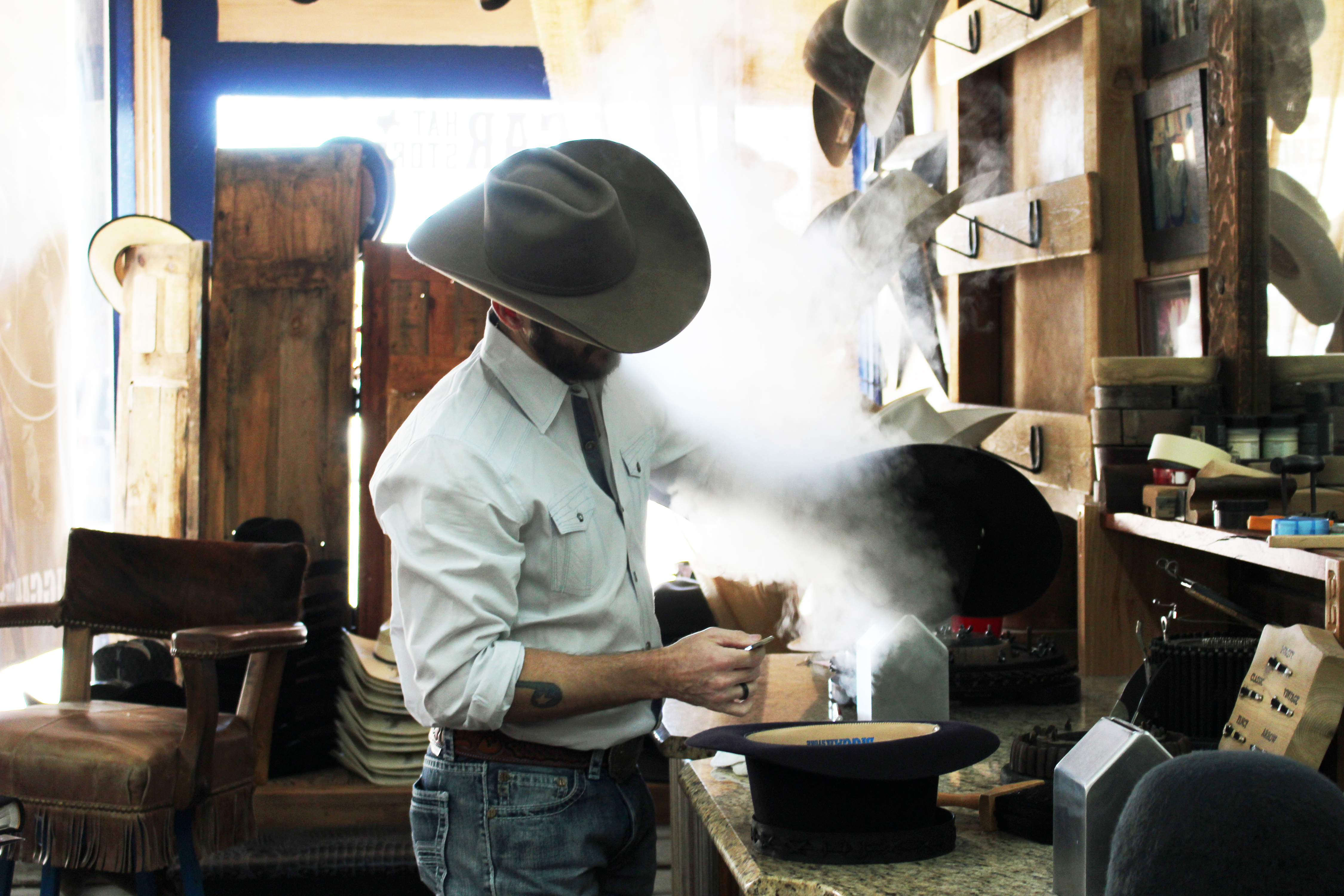
Style Your Profile – What your style cowboy hat says about you and new trends in 2017
-
 Horsefeathers12 years ago
Mount Scott: Country Humor with David Gregory
-
 Country Lifestyles10 years ago
June 2016 Profile – The man behind the mic: Bob Tallman
-
 Outdoor11 years ago
Buttercup or Primrose?
-
 Country Lifestyles10 years ago
December 2016 Profile, Rusty Riddle – The Riddle Way
-
 HOME10 years ago
Grazing North Texas – Wilman Lovegrass
-
 The Natural Horseman9 years ago
This is why we do what we do — RayeAnn and Cisco