
Farm & Ranch
NFR Wraps Up

By Phillip Kitts
Photo courtesy PCRA Alaina Stangle
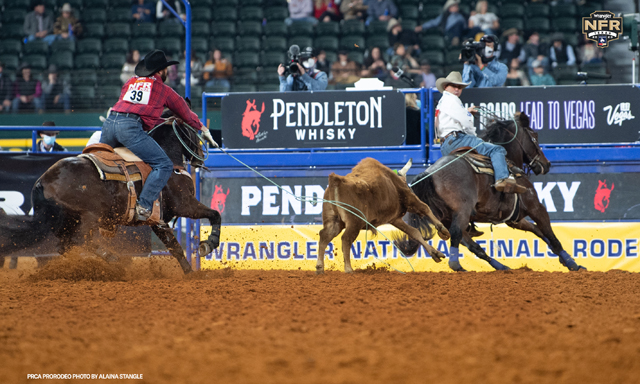
At the close of an amazing 10 days of rodeo, Arlington, Texas and Globe Field will begin to work on getting back to normal.
Meanwhile 10 athletes head home with big pay checks, gold buckles and a sense of accomplishment. Rodeo fans will use the next few weeks to treat their “rodeo hangover” and set their sights on the holidays. The questions immediately comes up when will the rodeo enthusiast get their next fix?
There is no answer in the world of unknowns, so for now everyone will keep a weathered eye for when the next time the chutes will fly open. Between now and then let’s take a look at your PRCA World Champions for 2020 as well as some of the top performances at the NFR.
In bareback, Kaycee Feild shocked the rodeo world in round 10, going into the round he knew his only shot at a fifth world title was a round win. Well like a true champion he got it done, with 91 points Kaycee claimed the 2020 title. A notable performance during NFR came via Kansas cowboy Jess Pope, a first-time qualifier had an impressive 10 rounds and walked away the average winner for the event.
Steer wrestling was another event that came down to the last round, needing a big run Iowa’s Jacob Edler stepped up when he needed to and put down a 3.9 second run which was enough to claim his Gold Buckle.
On the heading side of Team Roping a Texas cowboy grabs the title. Over the 10 rounds of NFR a list of great headers had seen their name on the top of the world standings so going into the last round it was the question who was going to make the final move. Colby Lovell of Madisonville, Texas answered the question, he and his heeler Paul Eaves threw down a 4.4 second run. This run was just enough to win the World.
On the heeling side the same run provided Paul Eaves of Missouri with his own world title and the big payday. As a pair the two cowboys had a great week of rodeo and round 10 needed to be their best night. They put a stamp of success on with their winning run.
In tie down roping the race was not as tight, every rodeo fan was sure that Shad Mayfield of New Mexico had the title sewn up even before NFR kicked off. Well, this proved to be true, Mayfield did not have the finals he hoped for, but his performance was strong enough to hold on and win his first World Title.
The gold buckle in barrel racing is staying in Texas for the third year in a row, South Texas cowgirl Hailey Kinsel dominated the NFR and left no room for doubt that she is one of the best. The only question remaining is she going to chase four in a row, most every fan thinks she has the recipe to chase the 4th title.
Bull Riding, it may have been the best title race in many years, it came down to the last ride of 10 days of bull riding. Two cowboys went into the last night with no more than $80 separating them. In the end it was not the bull riding that separated them, but it was the average money that decided the World Title. Stetson Wright and Ty Wallace knew they had to get the job done to have a shot, get the job done they did. Both cowboys covered their bulls and both cowboys scored 89 points. In the end of all 10 days Stetson Wright average performance bested Wallace and provided Stetson with his first World Title.
There is little doubt the 2020 Bull Riding at the NFR was one of the best races in history.
Well, that is a wrap on the 2020 PRCA season on the National Finals Rodeo, time to recover from the wild ride and set the cruise on to the next rodeo for 2021!
By NTFR Staff
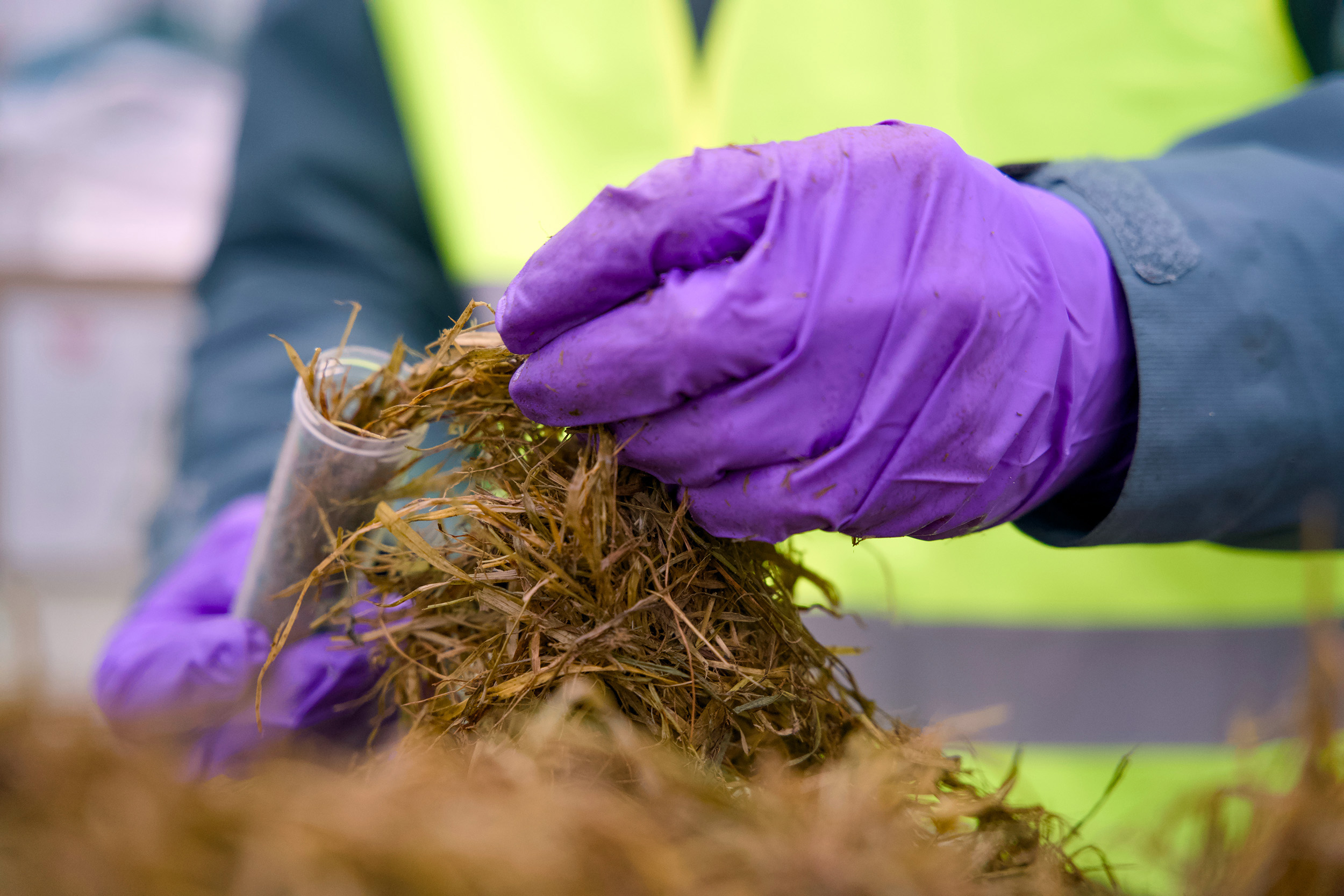
A stack of hay may look good from the outside. The bales may be heavy, green and free of obvious weeds or mold. None of that tells a cattle producer what the hay will provide once it reaches the feed bunk.
Two bales from the same field can differ noticeably in nutrition if they were cut at different stages of maturity, weathered differently or stored under different conditions. The differences grow even larger when you compare hay bought from separate farms or produced in different growing seasons.
A forage analysis takes much of the guesswork out by showing what the hay contains and where you may need to supplement.
Crude protein is often the first number producers check, but it is only one part of the report. Energy, fiber, moisture and possible toxicity concerns can matter just as much when deciding whether a lot of hay suits dry cows, lactating cows, replacement heifers or growing calves.
Reading beyond the protein number
Most forage reports show results on both an “as received” and a dry-matter basis. The as-received column includes the water in the hay. The dry-matter column takes moisture out of the calculation so you can compare feeds with different moisture levels fairly.
For ration planning, the dry-matter values are usually the most useful. If you’re comparing dry hay with silage, cubes or another feed, make the comparison on a dry-matter basis rather than on the numbers as fed.
Moisture still deserves attention. Hay baled too wet is more likely to heat, mold or deteriorate in storage. In severe cases, heating can create a fire risk. Moisture also affects how many pounds of actual nutrients you are buying. A heavy bale isn’t necessarily a nutrient-dense bale if much of its weight is water.
Crude protein, usually listed as CP, estimates the protein in the forage based on its nitrogen content. Protein keeps the rumen microbes that help cattle digest forage working. When forage protein drops too low, intake and digestion may decline because those microbes can’t function as well.
The amount of protein a cow needs changes a great deal through the year. A mature, dry cow in mid-pregnancy needs less than a cow in late pregnancy or early lactation. Young, growing cattle and first-calf heifers may also need more protein than mature dry cows. Hay that is adequate for one group may fall short for another.
Always compare a forage report with the needs of the cattle that will eat the hay. Oklahoma State University notes that cattle requirements vary with weight, age, stage of production, desired gain and milk production. A single protein target can’t describe the needs of an entire herd.
Energy is another major piece of the feeding decision. Many forage reports express energy as total digestible nutrients, or TDN, an estimate of the digestible energy in the feed. Protein supports rumen function and tissue growth, while energy fuels maintenance, pregnancy, milk production and weight gain.
Hay can test well for protein and still come up short on energy. That matters most for cows nearing calving or producing milk. Low-energy hay may leave cattle feeling full without giving them enough nutrition to hold body condition. University of Nebraska Extension stresses evaluating both protein and energy when judging the feeding value of forage.
Fiber measurements help explain why cattle eat one hay readily and less of another. Neutral detergent fiber, or NDF, represents much of the plant’s structural material, including cellulose, hemicellulose and lignin. As NDF rises, cattle generally eat less because bulky, fibrous forage stays in the digestive tract longer.
Acid detergent fiber, or ADF, includes the least digestible parts of the plant. Higher ADF generally means lower digestibility and less available energy. Put simply, high NDF can limit how much cattle eat, and high ADF can mean they get less energy from what they do eat.
Both numbers tend to climb as forage plants mature. Mature hay usually has more stem and less leaf than hay cut earlier. It may still be acceptable feed for animals with lower needs, but it is less likely to support lactating cows or growing cattle without supplementation.
Some reports also include relative feed value, or RFV. This index uses ADF and NDF to compare forage quality, particularly for alfalfa and other legumes. It can help when you compare similar types of hay, but it doesn’t account for every nutrient cattle need. Don’t let RFV replace a closer look at crude protein, energy and the animal’s stage of production.
Depending on the lab package you choose, the report may include minerals. Labs commonly report calcium and phosphorus, but a forage analysis can’t replace a well-designed mineral program. Water quality, other feeds and interactions among minerals all affect mineral needs and availability. Work with an Extension specialist, veterinarian or livestock nutritionist before making major mineral changes.
Nitrate and prussic acid
A standard forage analysis may not include nitrates, and you often have to request that test separately. Nitrate testing is especially important for drought-stressed forage, heavily fertilized fields and crops such as sorghum, sudangrass, sorghum-sudan hybrids, millet, oats and some weeds.
Nitrate can remain in cured hay and doesn’t reliably disappear in storage. Test any hay you suspect of high nitrate before feeding it. Oklahoma State University recommends a laboratory analysis because field screening tests can show that nitrate is present but can’t measure how much.
Prussic acid is a different concern. Unlike nitrate, prussic acid usually dissipates as properly cured hay sits in storage, though suspect forage still needs careful management and professional guidance. Be sure which test you need, and don’t treat the terms nitrate and prussic acid as interchangeable.
Putting the numbers to work
A hay test pays off when it leads to a feeding plan. Once you have the results, you can match the hay to the right class of cattle. Save better hay for replacement heifers, thin cows, late-gestation cows or cows with calves at side. Feed lower-quality hay to mature dry cows with modest requirements.
Testing can also prevent unnecessary supplementation. Without an analysis, you may buy protein tubs, cubes or other supplements your cattle don’t need. The opposite mistake costs just as much. Assuming hay is better than it is can lead to lost body condition, lower milk production, poor breed-back rates and lighter calves.
Visual inspection still matters. Don’t ignore mold, foreign material, weeds, dust or heat damage because a lab report shows acceptable numbers. At the same time, color and appearance can’t reliably predict nutrient content. University of Nebraska notes that forage nutrient values vary widely, which makes average book values a poor substitute for testing the feed you have on hand.
A forage analysis won’t make poor hay better, but it can show you how to use that hay well. For the cost of a test, you get information that can guide hay purchases, cut supplement waste and put each lot of hay where it will do the most good.
The protein number may get the most attention, but it doesn’t tell the whole story. Understanding moisture, TDN, NDF, ADF and potential toxicity gives you a much clearer picture of what is inside the bale.
By Savannah Magoteaux
A September rain can be exactly what a North Texas pasture needs, but that flush of green can bring an unwelcome guest.
Fall armyworms are a familiar late-summer and early-fall pest across Texas, and they can do serious damage to pastures and hay fields when conditions are right. Bermudagrass is a common target, but armyworms also feed on small grains, ryegrass and other forage crops. The key is catching them early, before a manageable infestation turns into a field that seems to disappear overnight.
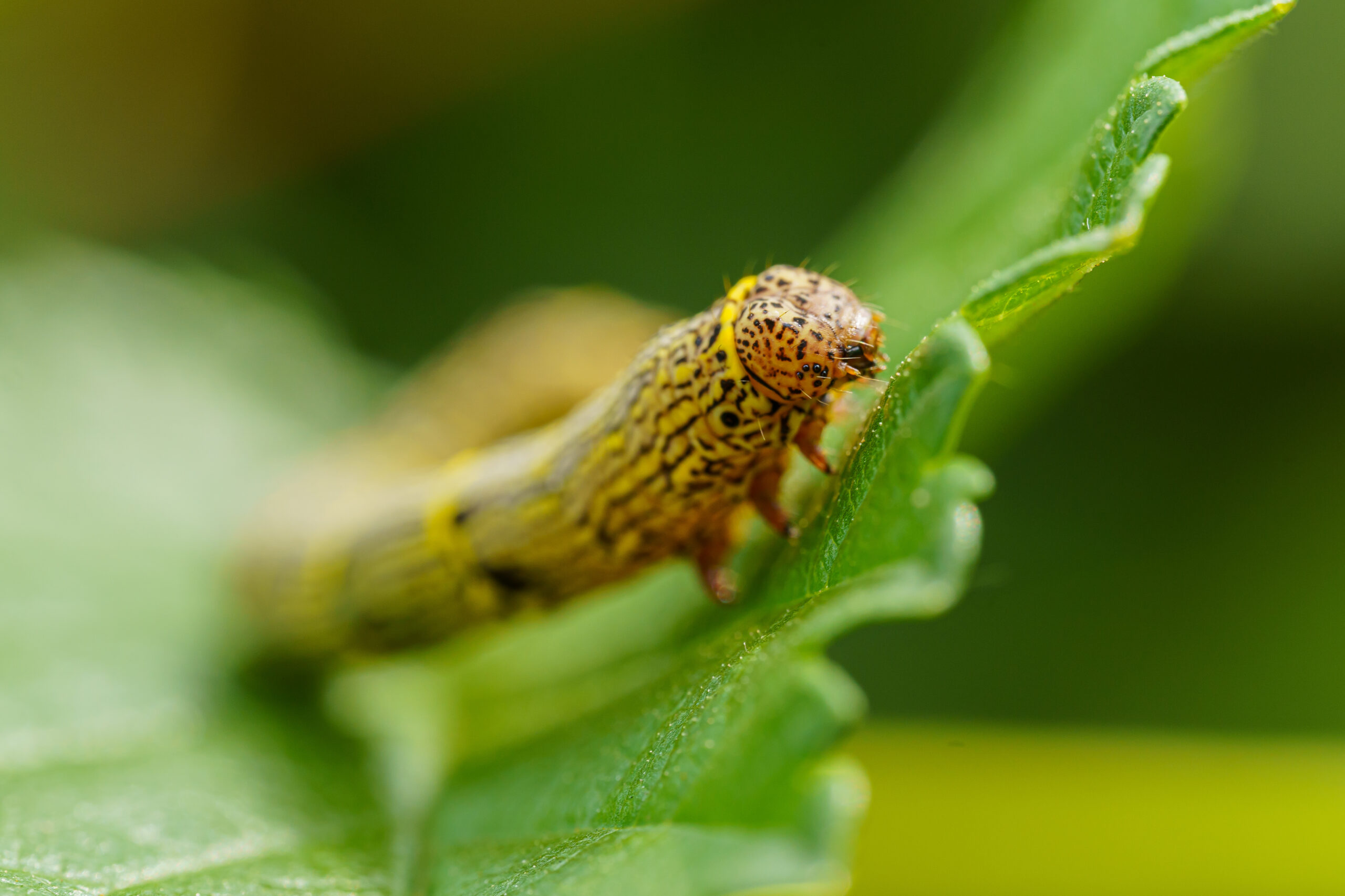
Despite the name, fall armyworms are caterpillars. The adult moths migrate into Texas and lay masses of eggs on grasses, fence posts, buildings and other surfaces. Once the larvae hatch, they start feeding on plants.
Young armyworms are small and hard to spot unless you are actively scouting. As they grow, their appetite climbs. Larger larvae can strip leaves fast, leaving stems behind and cutting into available forage or hay yield.
Look for an inverted, light-colored “Y” on the caterpillar’s head. Mature larvae can reach about 1½ inches long and often have several dark and light stripes running the length of the body.
Armyworms feed most actively during the cooler parts of the day, so early morning and late afternoon are good times to scout. Walk through several areas of the pasture rather than checking only along the edge. Look closely near the soil surface and beneath grass leaves, especially where you see fresh feeding damage.
Scouting matters most after rain or irrigation. New grass growth draws newly hatched larvae, and populations can build quickly when conditions favor them.
Texas A&M AgriLife Extension generally recommends considering treatment in improved pastures when you find about three or more armyworms per square foot. The decision should also weigh the size of the larvae, how much forage is present, the expected hay value and how severe the damage is.
Timing matters. Small armyworms are easier to control than large ones, and an insecticide does less good once the caterpillars are nearly mature and have already eaten much of the forage. If you treat, follow the product label carefully, including grazing and hay-harvest restrictions.
Don’t assume one treatment or one scouting trip will carry a pasture through the season. Fall armyworm moths can keep moving into an area, laying more eggs and starting another generation of larvae. Keep checking fields even after you have controlled an infestation.
For hay producers, an approaching harvest date can also shape the decision. When the crop is close to harvest, cutting the field may be a better option than spraying. The best choice depends on the number and size of the armyworms, how much forage remains and whether the weather allows you to cut hay.
September rain is usually welcome across North Texas, especially after a long, hot summer. Just remember that fresh green grass deserves a closer look. A few minutes of scouting can make the difference between catching fall armyworms early and finding the damage after they have eaten their fill.
By NTFR Staff
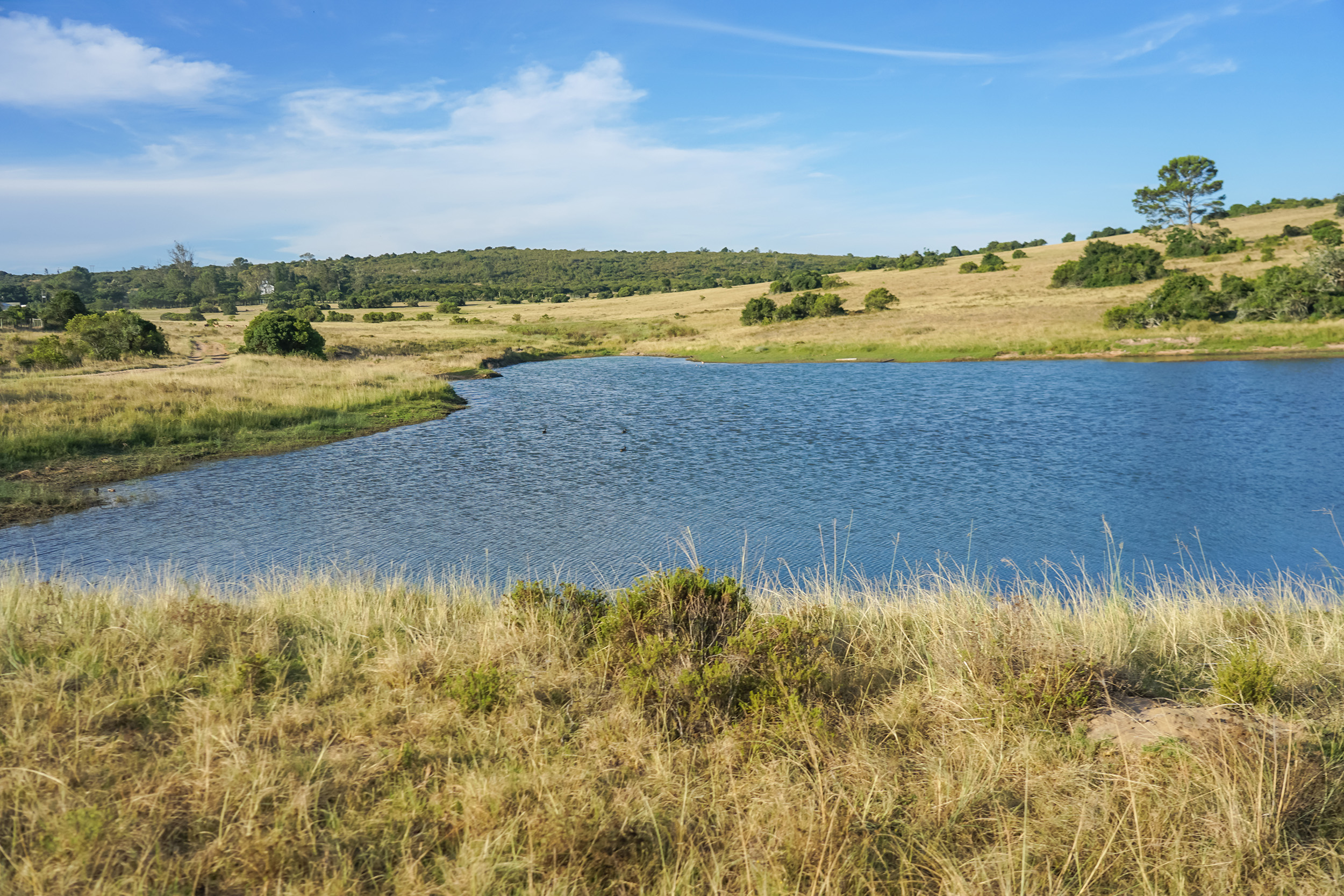
By midsummer, many farm ponds across Oklahoma and North Texas look a lot different than they did a few months earlier. Water levels have dropped, shorelines have spread into muddy flats, and the green banks of spring have given way to cracked soil and dried vegetation. For many livestock producers, these ponds are still the main water source for their animals. As the water recedes, you have to ask whether it is still safe.
A shrinking pond doesn’t automatically become unsafe, but falling water levels can change water quality fast. During long stretches of heat and drought, contaminants concentrate, algae can flourish and livestock may have to drink water that isn’t as clean as it once was.
Water is the most important nutrient livestock consume, so watching your ponds through the summer matters as much as watching your forage.
Less water, more concentrated problems
When rain is scarce and evaporation outpaces refill, ponds shrink while much of what is dissolved or suspended in the water stays behind. Minerals, nutrients, bacteria and organic matter grow more concentrated as the water volume drops.
That doesn’t make the water dangerous overnight, but it can let problems develop much faster than they would in a full pond.
One of the biggest hot-weather concerns is blue-green algae, more accurately called cyanobacteria. Warm temperatures, sunlight and extra nutrients from manure or fertilizer runoff give these organisms ideal conditions to multiply. Some species produce toxins that can affect the nervous system or liver of livestock, wildlife, pets and even people.
Not every algae bloom is toxic, and not every green pond is dangerous. You can’t tell whether a bloom is toxic by looking at it, though, so treat blooms seriously until someone can evaluate them.
Blue-green algae often looks like bright green, paint-like scum floating on the surface, but it can also form streaks, mats or clumps that collect along shorelines where the wind pushes them.
Heat changes water quality
Summer heat also lowers the amount of oxygen dissolved in water. Fish kills can happen when oxygen drops too low, especially after several cloudy days or when large amounts of algae die and decompose.
Dead fish are more than an unpleasant sight. They can signal that the pond is under stress and water quality has declined.
As water levels fall, livestock also crowd around fewer access points. More hoof traffic stirs up sediment, and manure builds up in the shallows. Bacteria levels can rise, making the water less appealing and possibly less healthy for livestock.
In some areas, dissolved salts can also concentrate as ponds shrink. Higher salinity may cut water intake, hurt animal performance and, in severe cases, contribute to health problems.
Watch your livestock
Your animals are often one of the best indicators of water quality.
Healthy cattle generally drink 10 to 20 gallons of water a day, depending on the weather, body size and stage of production. Horses may drink even more in intense heat or during hard work.
If livestock suddenly seem reluctant to drink, spend less time around the pond or start looking for water elsewhere, find out why. Also watch for diarrhea, lethargy, poor weight gain or unexplained illness during long stretches of hot weather. Many things can cause those symptoms, but don’t rule out poor water quality.
What you can do
Protecting livestock doesn’t always take expensive improvements.
Walk the pond regularly. Watch for changes in water color, unusual odors, heavy algae growth, dead fish or wildlife, and manure piling up around watering areas.
Limiting livestock access to the shoreline can also improve water quality. Many producers fence ponds and let animals drink from one limited access point, or pump pond water into stock tanks. Either approach reduces bank erosion, keeps manure out of the water and helps the pond stay healthier over time.
If an algae bloom appears, keep livestock away until someone can evaluate it. Some blooms disappear within days, while others last for weeks, depending on the weather.
Keeping vegetation around the pond also reduces erosion and slows nutrient runoff from surrounding pastures.
If you question the water, a laboratory test can tell you about bacteria levels, salinity, sulfates and other concerns. Your local Extension office or veterinarian can help you decide whether testing makes sense and recommend a lab.
Plan ahead for dry years
Drought reminds us that water deserves the same attention as forage. Many operations keep backup hay for dry years, but few have a backup water plan. Developing other water sources, maintaining wells, setting up portable tanks or improving existing ponds before drought hits can ease the strain on livestock and producers when rain stops falling.
Farm ponds remain a valuable resource across the Southern Plains, but they aren’t maintenance-free. As water levels fall, a few minutes each week spent watching for changes can help you catch problems before they affect animal health.
A pond doesn’t have to be full to provide safe drinking water, but it does need attention. During long, hot summers, the quality of the water left in the pond often matters more than the amount.




-
 Country Lifestyles4 years ago
Scott & Stacey Schumacher: A Growth Mindset
-
 Country Lifestyles10 years ago
Style Your Profile – What your style cowboy hat says about you and new trends in 2017
-
 Horsefeathers12 years ago
Mount Scott: Country Humor with David Gregory
-
 Country Lifestyles10 years ago
June 2016 Profile – The man behind the mic: Bob Tallman
-
 Outdoor11 years ago
Buttercup or Primrose?
-
 Country Lifestyles10 years ago
December 2016 Profile, Rusty Riddle – The Riddle Way
-
 HOME10 years ago
Grazing North Texas – Wilman Lovegrass
-
 The Natural Horseman9 years ago
This is why we do what we do — RayeAnn and Cisco