
Country Lifestyles
November 2018 Profile : “Backflip” Johnny Dudley — The Man in the Middle


By Jessica Crabtree
Imagine a career where there are lights, cameras, action and a star-studded number of participants. Think of a large crowd, high-energy music, excitement and the payoff being in laughter and applause. That description fits a significant few who are talented, brave, quick-witted and funny. All of this is done in one arena and describes the man in the middle, the entertainer, the comic relief, the man in the barrel— the rodeo clown.
For rodeo clown and barrel man Johnny Dudley, he was not raised around rodeo or in a rural setting. Dudley was born and raised in the small southeast Texas town of Dayton, east of Houston. “I had a cousin who was a bull rider. From second grade on, all I wanted to be was a bull rider,” Dudley said, although the following year through high school, sports dominated most of his time. After graduation, Dudley made a decision. “In my hometown you either went to college or work at one of the chemical plants.” With no means to pursue college, at 18 Dudley entered the United States Marine Corps.
As a high-schooler, Dudley could remember all four of the military chapters visiting the school; however, it was the Marines that caught his eye or in his words, “looked way cooler.” Dudley entered the Marines in 1996, serving eight years as an air-traffic controller. Recalling the time, Dudley relates the decision as one of his best. Boot camp was in San Diego, Calif., which Dudley described as, “In my platoon there were 72 people. There were people there from all over. Being from the south and a small town, there were a few of us raised with manners, values and ethics. Those who weren’t didn’t have as easy of a time.” Travelling across the United States, stationed in California, Florida and South Carolina, the Marines allowed the then young man the chance to see America early on.
To read more pick up a copy of the November 2o18 NTFR issue. To subscribe call 940-872-5922.

“Lil Backflip” in the barrel and “Baby Backflip” pushing it. (Photos by Jessica Crabtree)


By NTFR Staff
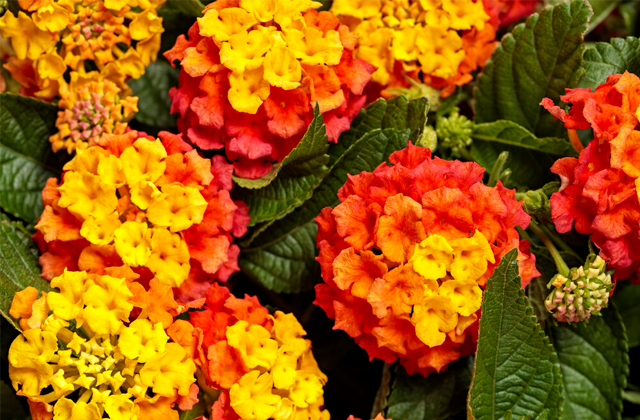
By September, many North Texas gardens look tired. Tomato plants have slowed down, squash vines may have surrendered to insects, and the summer heat has worn on plants and gardeners alike.
The growing season may seem to be ending, but September can give you a second chance.
Fall vegetable gardens can be especially productive in Texas. Cooler weather eases heat stress, and several common garden pests become less of a problem as the season goes on. The key is choosing vegetables that can mature before winter and helping young plants survive the lingering heat of early fall.
Start by clearing out plants that have stopped producing. Throw away diseased or heavily insect-damaged plants instead of composting them. Healthy plant material can go in the compost pile, but discard weeds that have already gone to seed.
Once the bed is clear, loosen the soil and add a layer of finished compost. If you need fertilizer, base the amount on a soil test whenever possible. Garden soil should drain well, and most vegetables need at least eight hours of direct sun each day.
What you plant in September depends partly on the weather and where you live in North Texas. You can plant quick-growing vegetables such as radishes, turnips, mustard greens, lettuce and spinach from seed. Carrots and beets are also good fall crops, though they may take patience and steady moisture while they germinate.
Broccoli, cabbage and cauliflower are usually easier to establish from healthy transplants than from seed sown directly in the garden. Kale and collards can go in from seed or transplants. Garden centers often start stocking fall vegetable transplants as temperatures improve.
Texas A&M AgriLife Extension recommends planting fall vegetables early enough that they can grow and mature under good conditions. Texas has several growing regions, so check the planting dates for your area rather than a calendar meant for another part of the state.
September can still bring afternoon highs in the 90s, so new seeds and transplants need extra attention. Water the bed before planting, then keep the top layer of soil evenly moist while seeds germinate. A light layer of mulch can slow evaporation, but don’t lay it so thick that small seedlings can’t push through.
Transplants may benefit from temporary afternoon shade for their first several days in the garden. Shade cloth, an overturned nursery flat or another lightweight cover can protect tender leaves while the roots settle in. Leave room for air to move, and don’t let covers rest directly on the plants.
Succession planting can stretch your harvest. Instead of sowing every radish, lettuce or turnip seed at once, plant a small amount every week or two. You’re less likely to end up with more produce than your household can use at one time.
Keep frost in mind, too. Count backward from your area’s average first freeze and compare that window with the days to maturity on the seed packet. Cooler fall weather can slow growth, so give yourself extra time rather than waiting until the last possible planting date.
A fall garden doesn’t have to be large or complicated. One prepared bed, a few rows of greens and several broccoli or cabbage transplants can keep fresh vegetables coming long after the summer garden has faded.
September isn’t the end of the gardening year in North Texas. In many ways, it is a chance to begin again.
By Annette Bridges
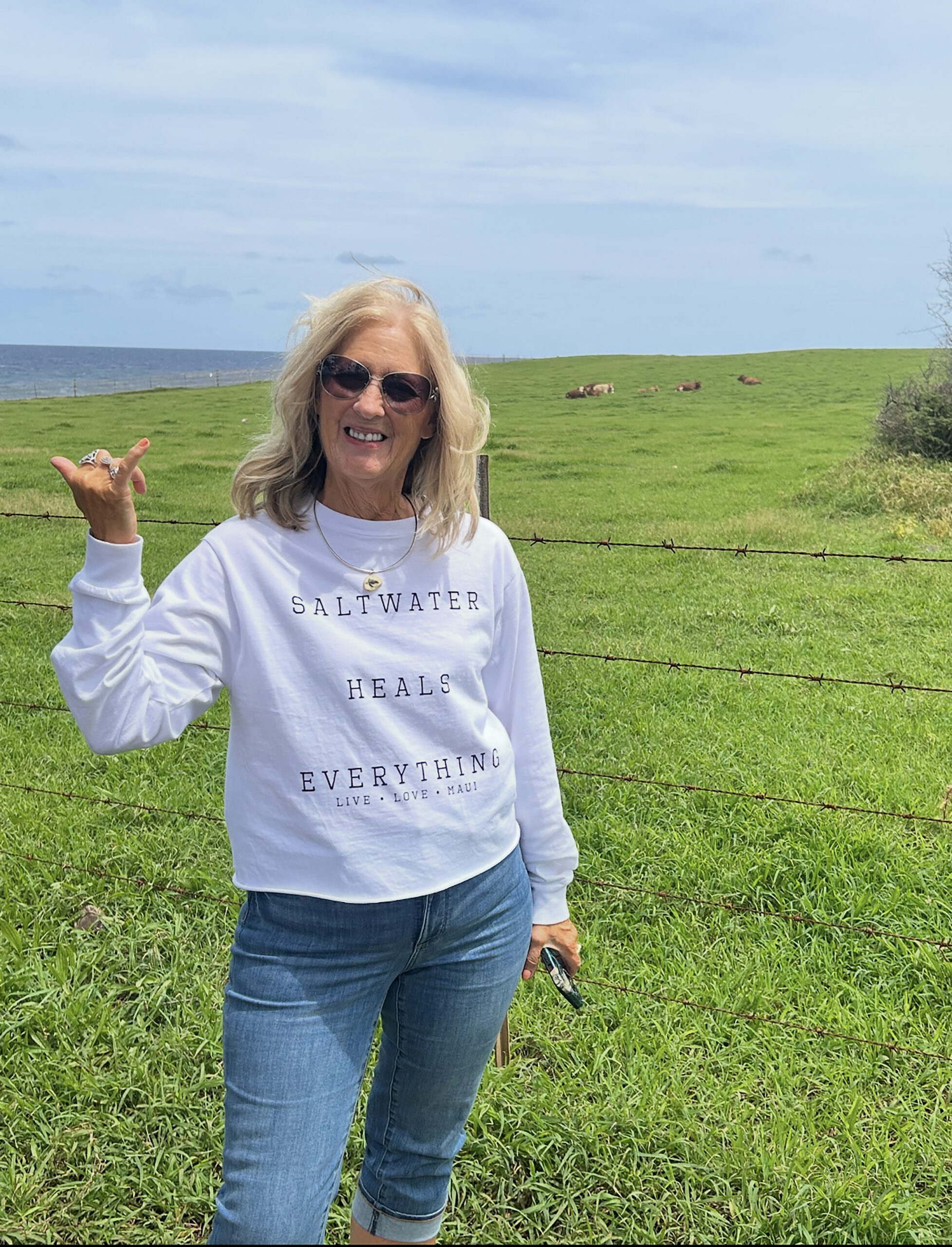
In September 2022, I wrote a column titled “Merry Maui Cows,” featuring a photograph of me with a group of Maui cows grazing in a seaside pasture.
This photo was taken in that same spot a few weeks ago, in March 2026.
Standing there again, looking out over that green hillside rolling toward the ocean, I couldn’t help but smile. I’m quite certain those cows were just as merry then as they are now, and I realized I am, too.
My husband and I had returned to Maui to celebrate our 45th wedding anniversary.
Forty-five years! I can hardly say it out loud without wondering where in the world the time has gone. The years flew by, and yet so much life happened in them: joys, challenges, ordinary days and unforgettable moments, the kind of life that shapes you.
This trip carried an extra layer of celebration for me. Since that first “Merry Maui Cows” photo, I’ve lost over fifty pounds. I found myself happily shopping for new tropical clothes, smiling in dressing rooms and picking up sizes I hadn’t worn in years. It was lighthearted fun, but it also meant something deeper to me. Change is still possible, even later in life.
At this stage of life, birthdays and anniversaries feel less like markers of time passing and more like invitations to look back, take stock and notice what has changed and what has stayed the same.
When I placed my new photo beside the one from 2022, I noticed the differences, of course. What stood out most was what hadn’t changed. I was still merry, and those two simple words felt like a quiet declaration.
Being “still merry” after years of life, with all its beauty and difficulty, says something. It says we’ve held onto joy and chosen gratitude. It says we’ve weathered what needed weathering and still found reasons to smile.
Life doesn’t stay the same, and it isn’t meant to. We get seasons of ease and seasons of challenge, moments that take your breath away and moments that take your strength. Through all of it, we can carry a steady thread of merriness forward.
It may be quiet, and life may be far from perfect, but I’m still merry. Maybe that’s enough. Maybe it’s everything.
By NTFR Staff
It seems to happen every summer. The garden suddenly produces more tomatoes, cucumbers and green beans than anyone could possibly eat, and before long someone asks, “Maybe I should learn to can?”
For many families, canning is a tradition passed down for generations. For others, it’s a new hobby that offers the satisfaction of stocking pantry shelves with homegrown food. Either way, getting started can feel overwhelming. Pressure canners, boiling water baths, jars, lids, processing times and safety recommendations are enough to make anyone wonder where to begin.
Home canning isn’t difficult once you understand the basics.
Canning preserves food in sealed jars by heating them to destroy microorganisms and create a vacuum seal. The USDA approves only two methods for home canning: boiling water bath canning and pressure canning. Which one you use depends entirely on what you’re preserving.
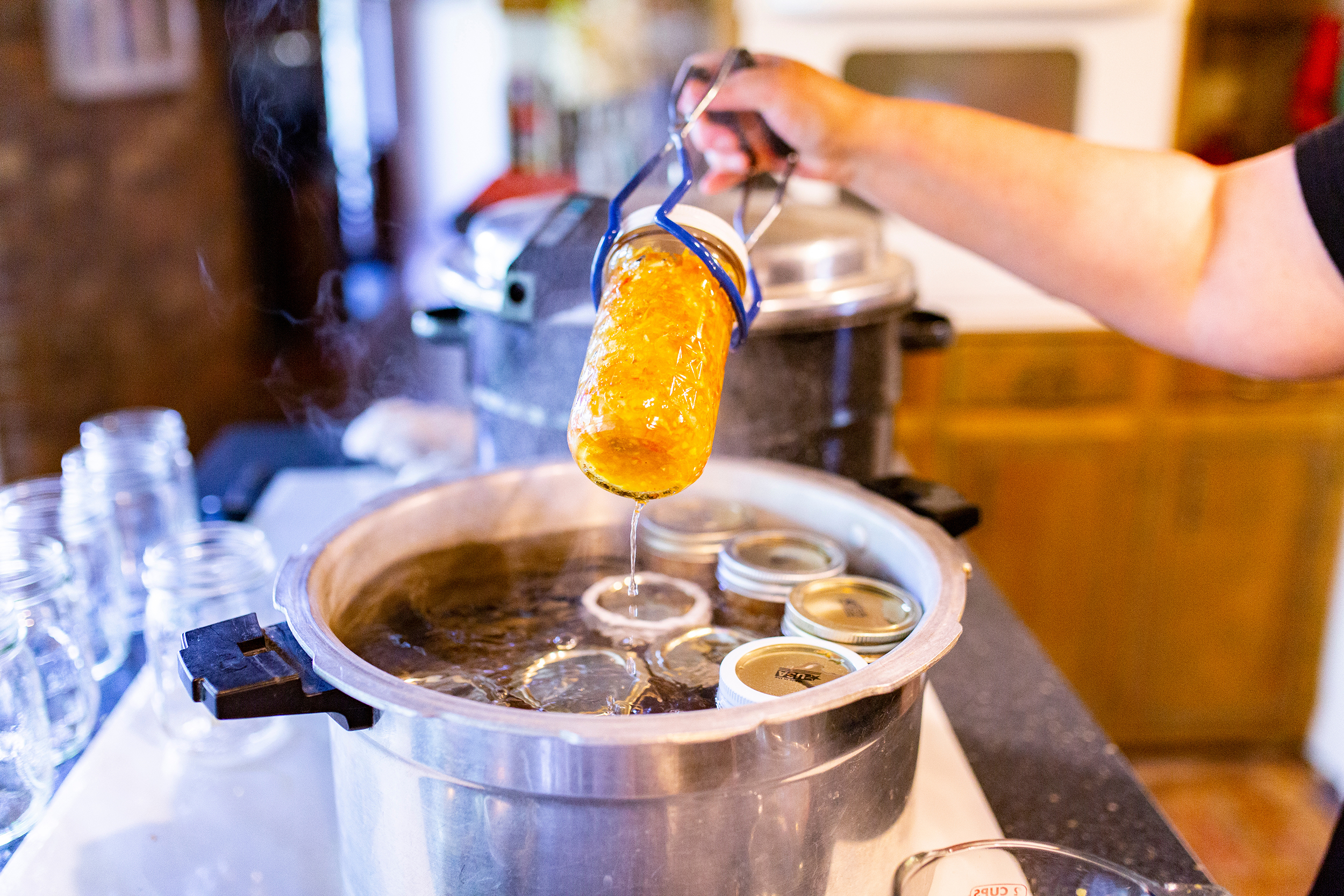
A boiling water bath is exactly what it sounds like. You submerge filled jars completely in boiling water and process them for a specific amount of time. Because boiling water only reaches 212 degrees Fahrenheit at sea level, this method is safe only for foods that are naturally high in acid or have enough added acid to prevent dangerous bacteria from growing.
That makes water bath canning a good fit for jams, jellies, fruit preserves, pickles, chutneys, fruit butters and many tomato products that have the proper amount of bottled lemon juice or citric acid added according to a tested recipe.
Pressure canning works differently. A sealed canner traps steam, and the temperature climbs well above the boiling point of water to about 240 degrees Fahrenheit. That higher temperature is necessary to destroy Clostridium botulinum spores, which can survive ordinary boiling and produce the toxin that causes botulism.
Because of that, you must pressure can low-acid foods such as green beans, corn, carrots, potatoes, meats, poultry, seafood and soups. A boiling water bath isn’t safe for these foods, no matter how long you boil the jars.
For most beginners, water bath canning is the easiest place to start. The equipment costs less, the process is simpler and recipes like strawberry jam or dill pickles are forgiving enough to build confidence. Many people who enjoy preserving fruit eventually buy a pressure canner once they want to put up vegetables or homemade stock.
Pressure canning doesn’t need to be intimidating, either. Modern pressure canners include multiple built-in safety features and are far different from the exploding canners in the old stories many people heard decades ago. Like any kitchen tool, they’re safe when used according to the manufacturer’s directions and with tested recipes.
Whichever method you choose, one rule never changes: always use recipes that have been scientifically tested. Family recipes may taste wonderful fresh, but they aren’t always safe for canning. Changing ingredient amounts, thickening soups with flour, adding extra vegetables or reducing vinegar can all affect the safety of the finished product. The USDA and the National Center for Home Food Preservation remain the gold standards for home canning recipes and processing recommendations.
Today’s recommendations may also differ from the ones your grandparents followed. Research has improved over the years, and food safety guidance has changed with it. Methods like open-kettle canning, oven canning and sealing jars by turning them upside down are no longer considered safe for shelf-stable foods.
If you’ve never canned before, you don’t have to preserve an entire garden your first weekend. Start with one recipe. Learn how to prepare the jars, measure headspace, remove air bubbles and process them correctly. Once you hear that satisfying “ping” as the lids seal, you’ll understand why so many people find canning rewarding.
Opening a jar of peaches in January or serving homemade salsa long after the tomatoes are gone is a special kind of reward. With a little knowledge, the right equipment and a commitment to tested recipes, anyone can preserve the harvest safely for months to come.




-
 Country Lifestyles4 years ago
Scott & Stacey Schumacher: A Growth Mindset
-
 Country Lifestyles10 years ago
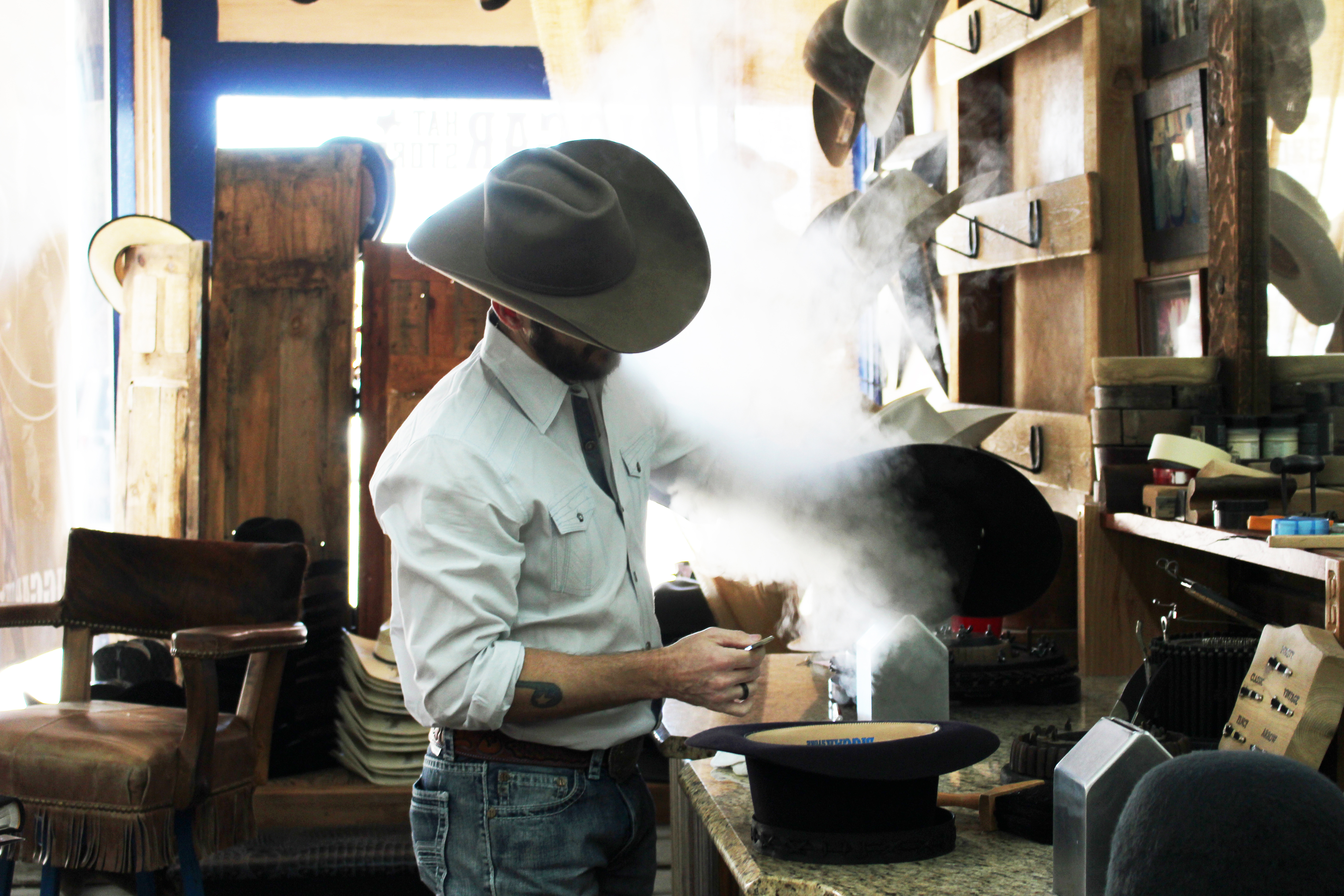
Style Your Profile – What your style cowboy hat says about you and new trends in 2017
-
 Horsefeathers12 years ago
Mount Scott: Country Humor with David Gregory
-
 Country Lifestyles10 years ago
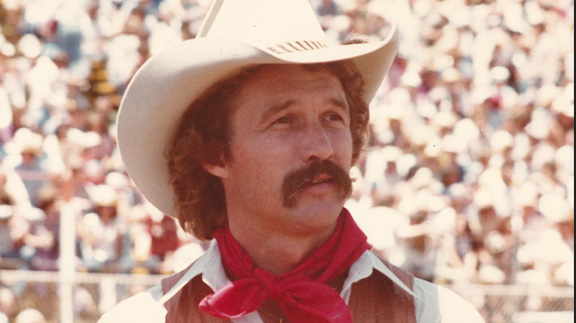
June 2016 Profile – The man behind the mic: Bob Tallman
-
 Outdoor11 years ago
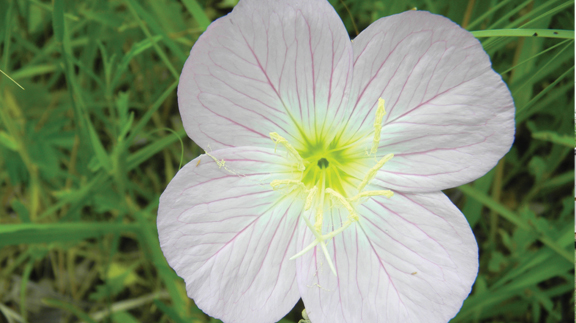
Buttercup or Primrose?
-
 Country Lifestyles10 years ago
December 2016 Profile, Rusty Riddle – The Riddle Way
-
 HOME10 years ago
Grazing North Texas – Wilman Lovegrass
-
 The Natural Horseman9 years ago
This is why we do what we do — RayeAnn and Cisco