
Fantasy of Lights Christmas Festival

Bowie
TX 76230
USA
By Savannah Magoteaux, Editor
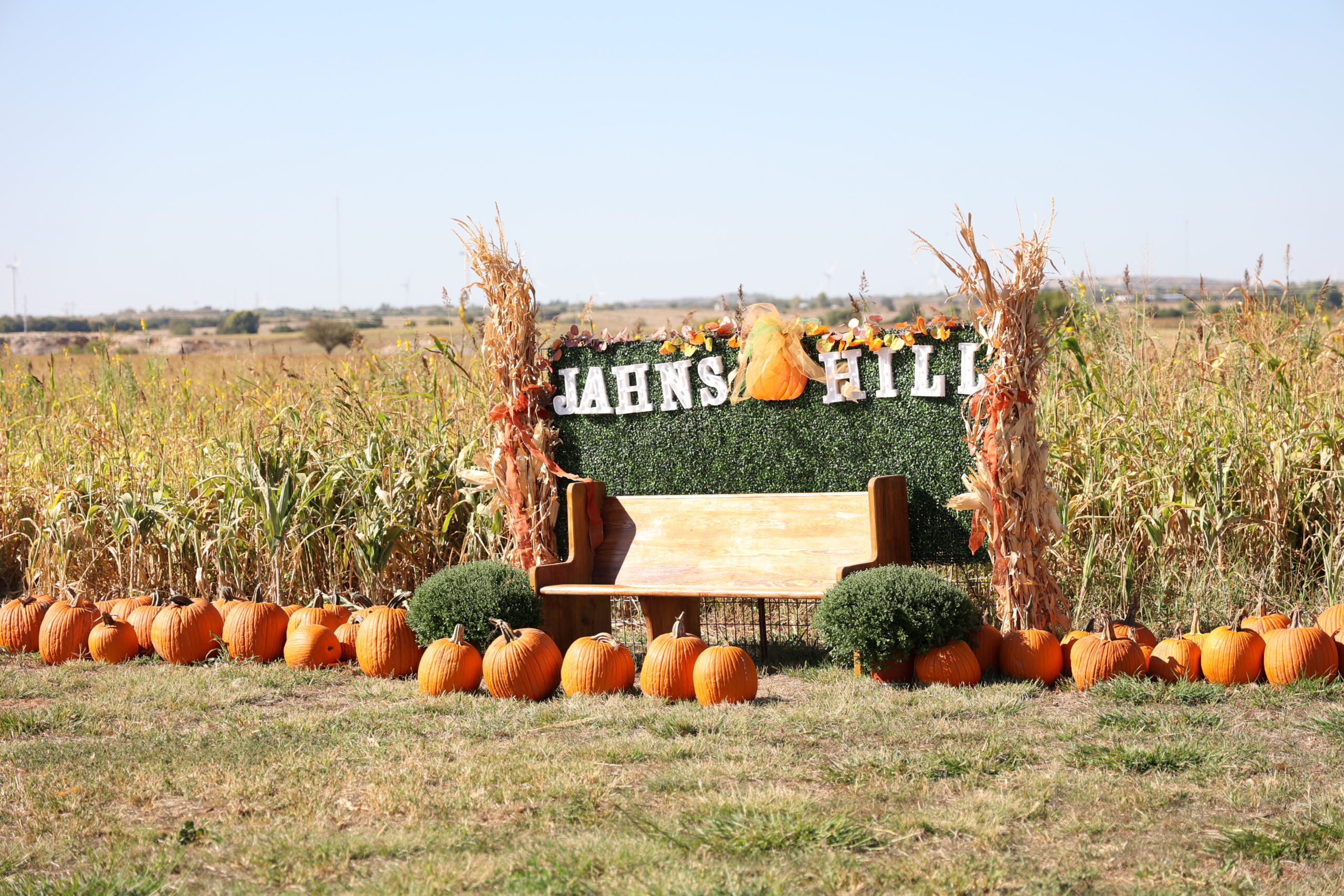
When Mary Jahn came home with the idea of opening a pumpkin patch on the family’s place near Cyril, even her husband, Jerry, wondered who would drive out into wheat pasture country to buy a pumpkin. She had two small boys, a cattle and wheat operation around her and no particular advantage when it came to growing pumpkins. She also had a picture of a place where families could spend a day together and feel welcome.
Jahn’s Pumpkin Hill opened in 2002 with some pumpkins, a rented concession wagon and a swing. Today visitors take a farm tour, feed animals, play for hours and eat pumpkin treats baked on site. The boys Mary wanted to stay home with are grown. Now she meets parents who came to the patch as children and bring children of their own.
The idea started with a practical question: How could Mary bring in income without putting Cale and Spencer in daycare? She and Jerry ran cattle on wheat pasture along with a cow-calf herd, and Jerry also worked off the farm.
After Mary and a friend took their children to a pumpkin patch, she could picture something similar at home. Jerry needed more convincing. Pumpkins were an odd proposition in cattle and wheat country, and Mary wondered what the neighbors would think. She cared more about staying home with her boys.
“I was not going to put my boys in daycare,” she said. “I just thought I’ll do this and we’ll make it.”
About 600 people came that first season, though the venture made little money at first. Mary remembers the pumpkins, a swing and a rented Coke concession wagon. “We didn’t have much,” she said. Those first 600 visitors proved that families would drive out to a pasture, pick a pumpkin and stay awhile. The Jahns set about giving them more to do.
Mary also carried a lesson from the patch that gave her the idea. She wanted her own visitors to know the Jahns were glad they came, and she built that welcome into the operation along with the pumpkins and play equipment.
Jerry is often the first person families meet when they arrive. Mary spends much of the day on trailer tours. Between trips she visits with guests, pitches in where she’s needed and passes out bites of whatever just came out of the kitchen.
The family added attractions one season at a time, usually after spotting a need. First came a concession stand, then a bigger one, then more places to play.
“We just started adding things every year,” Mary said. “We just grew it like that, very slowly and a little bit at a time.”
Over more than two decades, those small additions have changed what a visit looks like. A family can come for a pumpkin and spend the afternoon in the hay maze, on the slides, the jumping pillow and the junior zip line, with the animals and on a tour of the farm. Children have room to run, and adults can sit and watch. The patch sits out in the pasture, away from road traffic and the pace of town.
Fitting the land
Some of Mary’s early plans failed. She believed a pumpkin patch ought to grow its own pumpkins, so the Jahns planted them.
Grasshoppers went after the young plants, and the pumpkins that survived weren’t the firm, bright ones Mary wanted families to take home. “Pumpkins love sand and irrigation, and we have neither,” she said. She tells the story with the grasshoppers cheering: “Oh hallelujah! Thank you for this plant you gave us.”
Meanwhile, the pumpkins the family trucked in and set out on wheat pasture drew plenty of attention from visitors. Mary decided to stop fighting the ground and put her effort into the visit.
The Jahns now buy their pumpkins from Pumpkin Pyle, farmers from Floydada, Texas, and they don’t pretend otherwise. Their own agriculture surrounds the patch: cattle on wheat pasture, no-till farming and stocker heifers. The family also runs a trucking business that hauls gypsum rock.
Buying pumpkins let Pumpkin Hill fit the land the Jahns farm, instead of asking it for a crop that kept failing. Visitors still choose their own pumpkin, and they see a working Oklahoma farm while they’re at it.
Cale and Spencer worked the patch from the start, though their enthusiasm varied. As boys they helped with horse rides, set out pumpkins, picked up trash and did whatever else needed doing. The rest of the farm ran the same way: If their parents were working wheat ground or processing cattle, the boys went along.
When Cale got older, Mary sometimes had him lead the farm tour because he had an excellent speaking voice. He did it reluctantly. Spencer, a man of fewer words, was never a likely tour guide, and he found other ways to help.
Both sons still help, and much of what children play on carries their work. Jerry and the boys built the metal framing for the slides and other structures. This year the family built a new barn where parents and grandparents can sit out of the heat and keep an eye on the kids. Spencer’s hauling work keeps him on the road, but he helped with the barn, too. Cale has moved back home with his wife and their two young sons. The boys who once picked up trash at the patch are now building it for their own children.
What families take home
The barn is one of several additions this season. There are more saucer swings and a circular climbing net Mary calls a 16-foot spider web. Cale’s wife, Abbye, arranged a new tower of stacked pumpkins that makes a good photo spot. They join longtime favorites like the Hiney Slide, jumping pillow, junior zip line and hay maze.
Visitors can meet sheep, goats, pigs and cattle, and Mary gets a kick out of letting children feed a pig a cookie. Many young guests have never touched a pig, sheep or goat, and she likes giving them the chance.
Then there is the food. A wonderful cook handles the baking at Pumpkin Hill, and Mary talks about the treats like someone who has watched people come back for them.
The pumpkin Twinkie is a small piece of pumpkin bread split and filled with a generous layer of cream cheese icing. There are pumpkin pies, small loaves of pumpkin bread and a rotating lineup of brownies and cookies.
On a hot Oklahoma fall afternoon, the homemade lemonade may beat any dessert. Mary says visitors look forward to it, and she keeps iced tea on hand, too. When the calendar says fall and the thermometer says summer, she knows which one people will reach for.
After more than two decades, opening day still makes Mary nervous. She has never reached the point of assuming visitors will show up. “I still think, ‘Oh no! No one is going to come,’” she said.
New attractions take planning, upkeep and labor, and the family hires people to staff the concession area. Mary looks for workers who are patient and kind with guests. If families make the trip, she wants someone to talk with them, help them enjoy the day and make them feel at home.
On the trailer
The farm tour shows that approach best. Jerry refurbished an old cotton trailer with seats and steps, and a John Deere tractor pulls it around the place.
Once everyone is aboard, Mary has them for about 15 minutes, and she uses the time. She talks about the cattle they pass, what the heifers will do as they mature and how food gets from a farm to the table. She points out other products agriculture provides.
She covers local history, too, from her grandparents’ arrival in Cyril in 1940 to her own parents, a farmer and a schoolteacher. A school group may come for pumpkins and playtime, but the kids leave knowing more about the land around the patch.
“That’s one of my favorite parts,” Mary said of the tours.
Her topics change with the farm’s season and with what she can point out along the route. In past years she has talked about soil conservation, erosion and the importance of grass. She doesn’t assume children know what cattle eat, how crops are raised or why land needs care.
Many meet farm animals for the first time that day. Mary lets them feed an animal, then shows them the pasture and explains the work behind it. Agriculture gets a little more familiar, and the outing never turns into a classroom lesson.
Mary knows how easily local history slips away when nobody passes it on to the next group of children. The trailer gives her time to talk about the people who lived and worked around Cyril before them. It also gives visitors a real person to ask. Her enthusiasm doesn’t stop when the ride does. She’ll answer a question at the concession stand or stop to hear why a family came that day.
Some visits mark occasions Mary never could have imagined when she rented that concession wagon. She remembers a couple who brought their children on the day their adoption became official. When Mary learned what the day meant, she gave the children T-shirts.
Years later the mother told her the family still had one of those shirts, though the child had long outgrown it. Other families have come while facing something hard and needed an afternoon together. Mary can’t know what each guest carries through the gate. She can give them room to play, visit and spend time with the people they came with.
Mary remembers a woman who told her she first came to Pumpkin Hill as a kindergartner and had come back with the next generation of her family. Visits like that show Mary how long the Jahns have opened their pasture each fall. Her sons are grown, and she has grandsons to keep track of. Some of the children who once climbed and played at the patch now watch their own kids do the same. Mary sees the years in those faces, and she is still grateful every season when people come through the gate.
The Jahns keep farming, building and getting ready for the next crowd. Jerry greets arrivals, Mary climbs aboard the trailer, and the family tends the place that started with a few pumpkins and a swing. The details change each year, from a new barn to another spot for a child to climb.
Mary’s reasons haven’t changed. She wanted to be home with her boys and to give other families a place to be together. Those boys now help run it, and the families keep coming back.

Bowie
TX 76230
USA
By Jared Groce
Late summer has been brutal on our livestock, our grass and the rural land market in North Texas. We currently have an astounding 42 months of inventory on hand in our report area, and the only properties selling are the ones priced right. Overpriced properties aren’t even getting looked at, much less receiving offers, so pricing your property correctly matters more than ever right now.
Many sellers are still picturing the daily price increases we saw in 2020 to 2023, but those days are behind us, and agents need to be more realistic with listing prices to get any activity for their clients. Hopefully the rains will come soon and bring more land buyers with them this fall, but right now it is still very much a buyer’s market. No one knows how long this dry spell will last, but it will likely take a flood to end it. The same is true of the weather!
They say the best time to plant a tree, or buy land, was 20 years ago, and the second-best time is today.
| County | Area | Acres | $/Acre | List Price | Sold Price | Sale/List | DOM |
|---|---|---|---|---|---|---|---|
| Clay | Henrietta | 120.07 | $5,150 | $714,000 | $618,309 | 86.60% | 434 |
| Clay | Bellevue | 159.44 | $6,184 | $981,000 | $985,959 | 100.50% | 48 |
| Clay | Henrietta | 293 | $4,982 | $1,538,250 | $1,459,600 | 94.90% | 212 |
| Clay | Average | 190.84 | $5,438 | $1,077,750 | $1,021,289 | 94.00% | 231 |
| Collin | Anna | 11.08 | $84,356 | $1,200,000 | $935,000 | 77.90% | 634 |
| Collin | Average | 11.08 | $84,356 | $1,200,000 | $935,000 | 77.90% | 634 |
| Cooke | Muenster | 11 | $18,000 | $209,000 | $198,000 | 94.70% | 250 |
| Cooke | Gainesville | 19.3 | $16,580 | $345,000 | $320,000 | 92.80% | 541 |
| Cooke | Valley View | 96.23 | $15,500 | $1,679,215 | $1,491,565 | 88.80% | 194 |
| Cooke | Average | 42.18 | $16,693 | $744,405 | $669,855 | 92.10% | 328 |
| Denton | Sanger | 16.46 | $39,422 | $649,000 | $649,000 | 100.00% | 47 |
| Denton | Cross Roads | 10.35 | $97,575 | $1,200,000 | $1,010,000 | 84.20% | 40 |
| Denton | Sanger | 300 | $14,000 | $4,999,999 | $4,200,000 | 84.00% | 1,327 |
| Denton | Aubrey | 74.09 | $57,684 | $4,815,525 | $4,273,550 | 88.70% | 302 |
| Denton | Average | 100.22 | $52,170 | $2,916,131 | $2,533,138 | 89.20% | 429 |
| Grayson | Collinsville | 11.61 | $46,516 | $600,000 | $540,000 | 90.00% | 280 |
| Grayson | Van Alstyne | 18.8 | $58,511 | $1,175,000 | $1,100,000 | 93.60% | 280 |
| Grayson | Whitesboro | 30 | $37,984 | $1,170,000 | $1,139,506 | 97.40% | 277 |
| Grayson | Average | 20.14 | $47,670 | $981,667 | $926,502 | 93.70% | 237 |
| Jack | No sales reported | — | — | — | — | — | — |
| Montague | Montague | 485 | N/A | $5,566,000 | N/A | N/A | 333 |
| Montague | Bowie | 26 | $12,244 | $323,500 | $318,352 | 98.40% | 743 |
| Montague | Montague | 37.3 | $10,327 | $428,950 | $385,195 | 89.80% | 1 |
| Montague | Saint Jo | 1,185 | $7,764 | $10,000,000 | $9,199,829 | 92.00% | 19 |
| Montague | Average | 433.33 | $10,112 | $4,079,613 | $3,301,125 | 93.40% | 274 |
| Wise | Sunset | 12 | $19,027 | $234,000 | $228,320 | 97.60% | 16 |
| Wise | Sunset | 12 | $19,027 | $234,000 | $228,320 | 97.60% | 14 |
| Wise | Chico | 11.44 | $24,476 | $299,000 | $280,000 | 93.60% | 24 |
| Wise | Chico | 10.25 | $29,265 | $315,000 | $300,000 | 95.20% | 12 |
| Wise | Average | 11.42 | $22,949 | $270,000 | $259,160 | 96.00% | 17 |
DOM = days on market
Bowie
TX 76230
USA
By Savannah Magoteaux
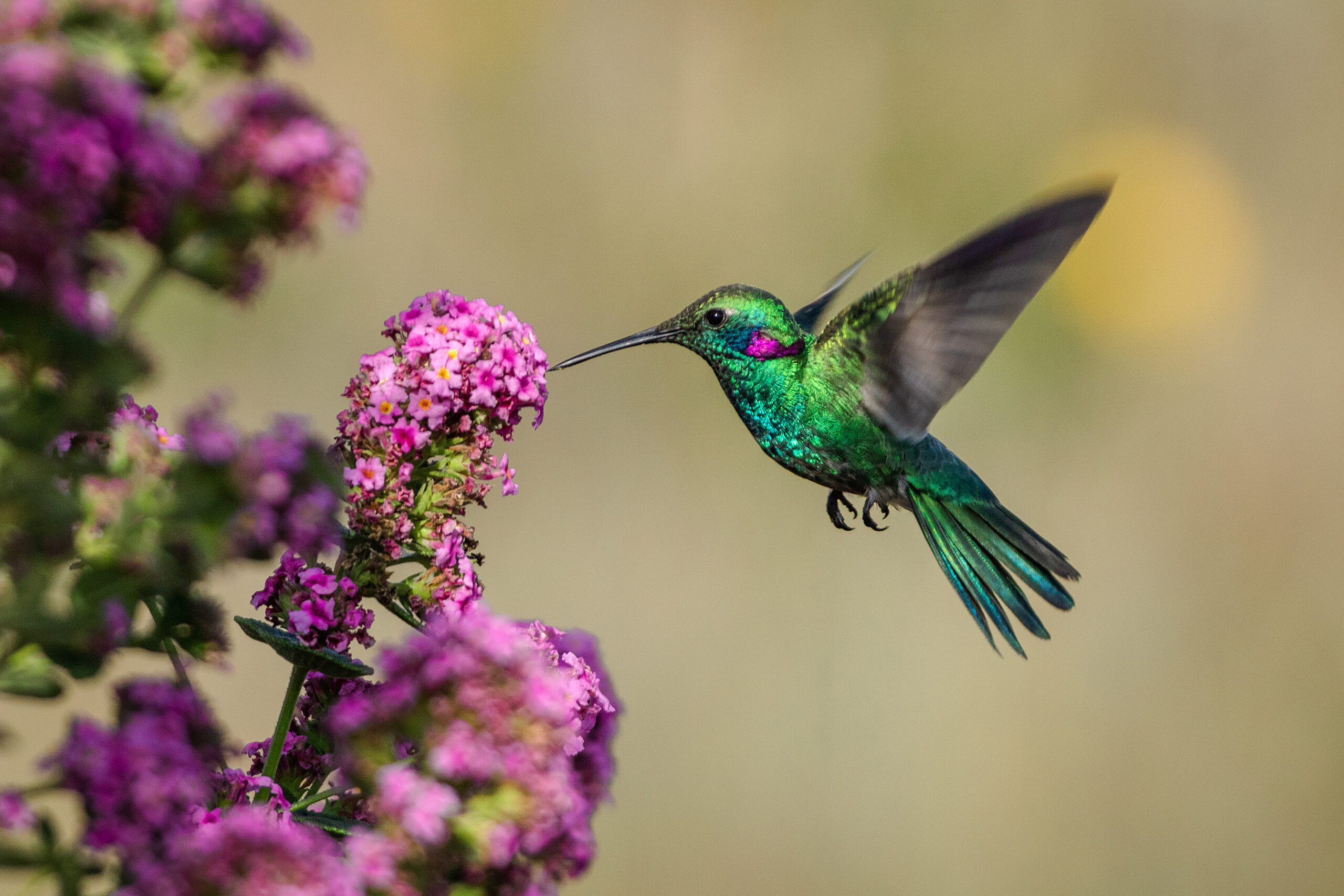
By October, a feeder that seemed to need refilling every day can suddenly go quiet. The hummingbirds haven’t disappeared. Most have headed south.
The ruby-throated hummingbird is the species most Oklahomans know best. It breeds across much of the eastern United States and Canada and migrates to wintering grounds in Mexico and Central America. Some birds cross the Gulf of Mexico in a long nonstop flight. Others follow the Gulf Coast.
Fall migration stretches over weeks rather than happening on one date. Adult males often start south before females and young birds. Hummingbirds you see later in the season may have nested farther north and are passing through Oklahoma.
That leads to one persistent myth. Feeders don’t keep hummingbirds from migrating. Changing day length and internal biological cues drive migration. A clean feeder can help late migrants refuel. In Oklahoma, it can also give you a chance to spot an unusual western hummingbird that wanders east after the main ruby-throated migration.
The standard feeder mix is plain white granulated sugar dissolved in water at about one part sugar to four parts water. You don’t need red dye. Clean feeders regularly, and more often in warm weather, when sugar water spoils faster.
Natural food matters, too. Hummingbirds feed heavily on small insects and spiders as well as nectar. Late-blooming native flowers can supply fuel when migration demands are high.
The trip south is remarkable for an animal that weighs only a few grams. Before migrating, hummingbirds enter hyperphagia, a period of intense feeding that lets them put on substantial fat reserves and carry their fuel with them. That stored fat is essential, because hovering flight takes enormous energy and long stretches of migration may offer few chances to refuel. Birds that cross the Gulf may fly hundreds of miles without stopping.
Weather can delay or speed up their movement. North winds after a cold front may help southbound migrants, while storms along the Gulf can hold birds up. That is why feeder activity can spike for a day or two even after your summer birds seem to be gone.
When the last familiar bird leaves your feeder, it may be headed to southern Mexico or Central America while another bird from Kansas or Missouri is still on its way through. A quiet feeder usually means the traffic has changed, not ended.
You can support migrants without trying to manage their schedule. Keep feeders clean, leave late-blooming flowers in place and avoid broad insecticide use around nectar plants. A hummingbird may sip at your feeder, then spend much of the next hour hunting tiny insects for protein and other nutrients.
Don’t worry if your feeder stays up after the usual migration window. The birds won’t cancel migration because sugar water is available. A feeder left out can support late birds, but keep it especially clean once visits drop, because nectar may sit longer between refills.
If you see a hummingbird well into late fall, take photographs if you can. Oklahoma occasionally hosts species more typical of the West, and documented late-season visitors can make valuable bird records.




-
 Country Lifestyles4 years ago
Scott & Stacey Schumacher: A Growth Mindset
-
 Country Lifestyles10 years ago
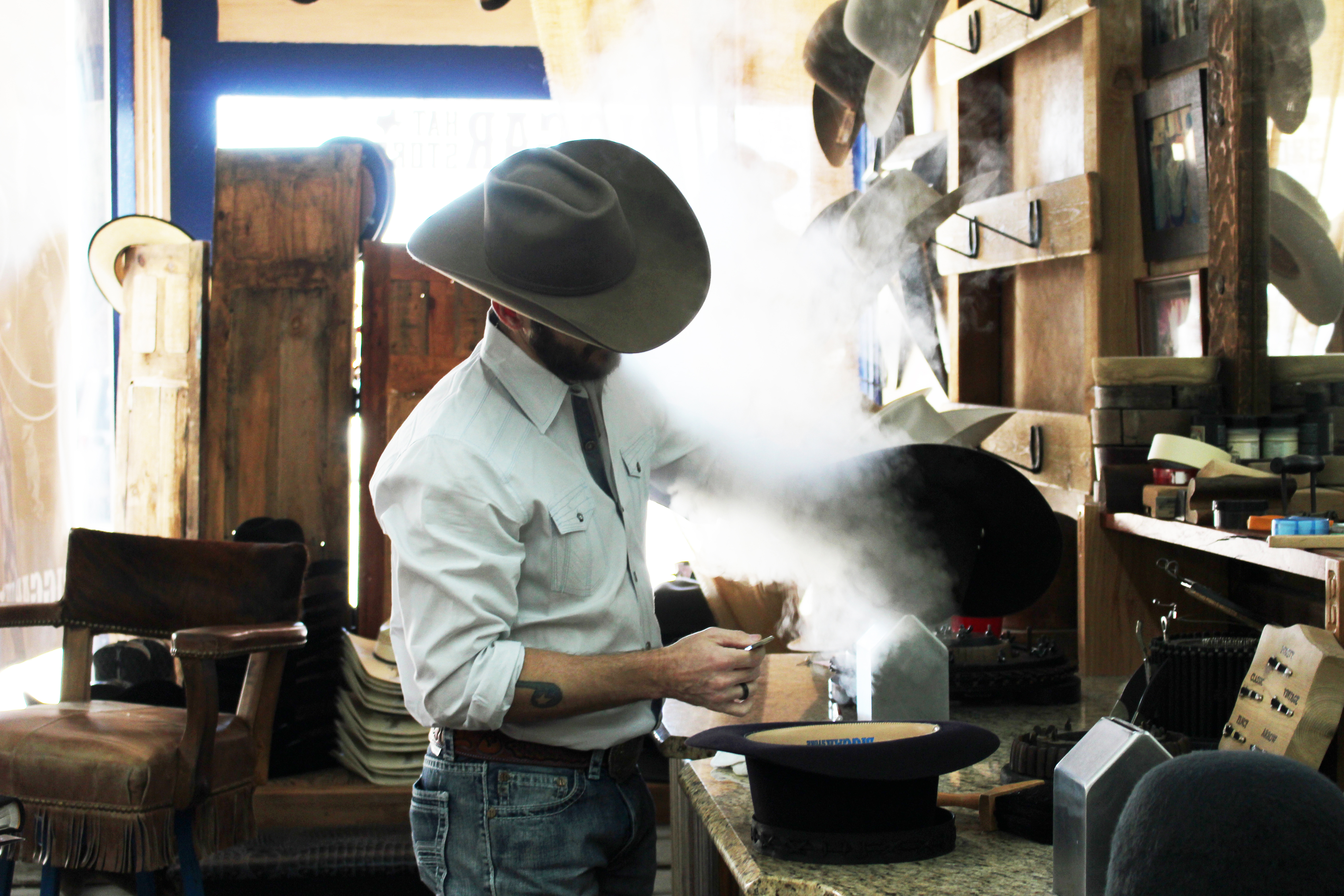
Style Your Profile – What your style cowboy hat says about you and new trends in 2017
-
 Horsefeathers13 years ago
Mount Scott: Country Humor with David Gregory
-
 Country Lifestyles10 years ago
June 2016 Profile – The man behind the mic: Bob Tallman
-
 Outdoor11 years ago
Buttercup or Primrose?
-
 Country Lifestyles10 years ago
December 2016 Profile, Rusty Riddle – The Riddle Way
-
 HOME10 years ago
Grazing North Texas – Wilman Lovegrass
-
 The Natural Horseman9 years ago
This is why we do what we do — RayeAnn and Cisco