
Kids Junior Rodeo


I spend a lot of time and money every year trying to convince wildlife that I do not exist.
By bow season, I’ve got it down to a science. The right camo pattern for the terrain. Face covered. Hands covered. Everything sprayed down with whatever scent is supposed to make me smell like dirt, leaves, or possibly a rock that hasn’t been disturbed since 1987. I climb into my stand well before daylight and settle in, careful not to bump metal or do anything that would announce my presence to every deer within a quarter mile.
That morning, I was feeling especially confident about my setup.
The wind was right. The stand was tucked in perfectly. The camouflage blended so well with the tree that even I had trouble finding my own knees when I looked down. I remember thinking, If a deer spots me today, it deserves to.
That thought turned out to be a little premature.
It was still dark enough that shapes were more suggestion than detail, and the woods had that quiet, holding-its-breath feeling that only exists right before daylight. I was leaned back against the tree, bow hanging on the hook, watching the woods slowly come into focus.
That’s when I heard wings.
At first, it was just a soft rush of air. Subtle. Close enough that it registered, but not loud enough to make sense. I tilted my head slightly, trying to locate the sound without moving too much. The last thing you want to do in a tree stand is start acting suspicious.
Then it got louder.
Much louder.
I looked up just in time to see a large shape coming straight at my face.
There’s no graceful way to describe the reaction that followed. I didn’t scream, but I also didn’t not make a noise. It was some sort of half-grunt, half-gasp that came from deep in my chest as I instinctively leaned back into the tree.
The owl pulled up at the last second.
We were close enough to make eye contact, which is not something I recommend experiencing unexpectedly while twenty feet off the ground. His wings flared, feathers spread wide, and he hovered there for a split second like he couldn’t believe what he was seeing.
To be fair, neither could I.
We stared at each other, both clearly shaken by the encounter. I’m fairly certain he had planned to land on the tree right where my head happened to be. My camouflage had done its job so well that I had successfully fooled an apex nighttime predator.
There’s a strange mix of pride and terror that comes with that realization.
He banked hard and flew off, disappearing into the timber with a few annoyed wingbeats. I stayed frozen against the tree, heart pounding, trying to convince myself that my soul had not, in fact, just left my body.
I sat there for several minutes afterward, replaying the moment and wondering how close I’d come to becoming part of some owl’s story about “the weirdest tree I ever tried to land in.”
Once things settled down, daylight finally started to creep in. Birds picked back up. The woods returned to normal. I eased back into position, telling myself the worst part of the morning was over.
It wasn’t.
About an hour later, I caught movement to my right. A doe eased through the trees, cautious but unbothered. She passed under my stand without ever looking up. A few minutes after that, another deer followed. Still no alarm. No snorting. No busted hunt.
Apparently, owls are pickier about personal space than deer.
By the time I climbed down that morning, I hadn’t loosed an arrow, but I’d gained a healthy respect for just how invisible you can become when everything lines up. We spend so much time worrying about deer seeing us that we forget the rest of the woods is watching, too.
And sometimes, if you’re really doing things right, they won’t see you until it’s almost too late.
Next season, I might still wear the same camouflage.
But I’ll probably keep one eye on the sky.
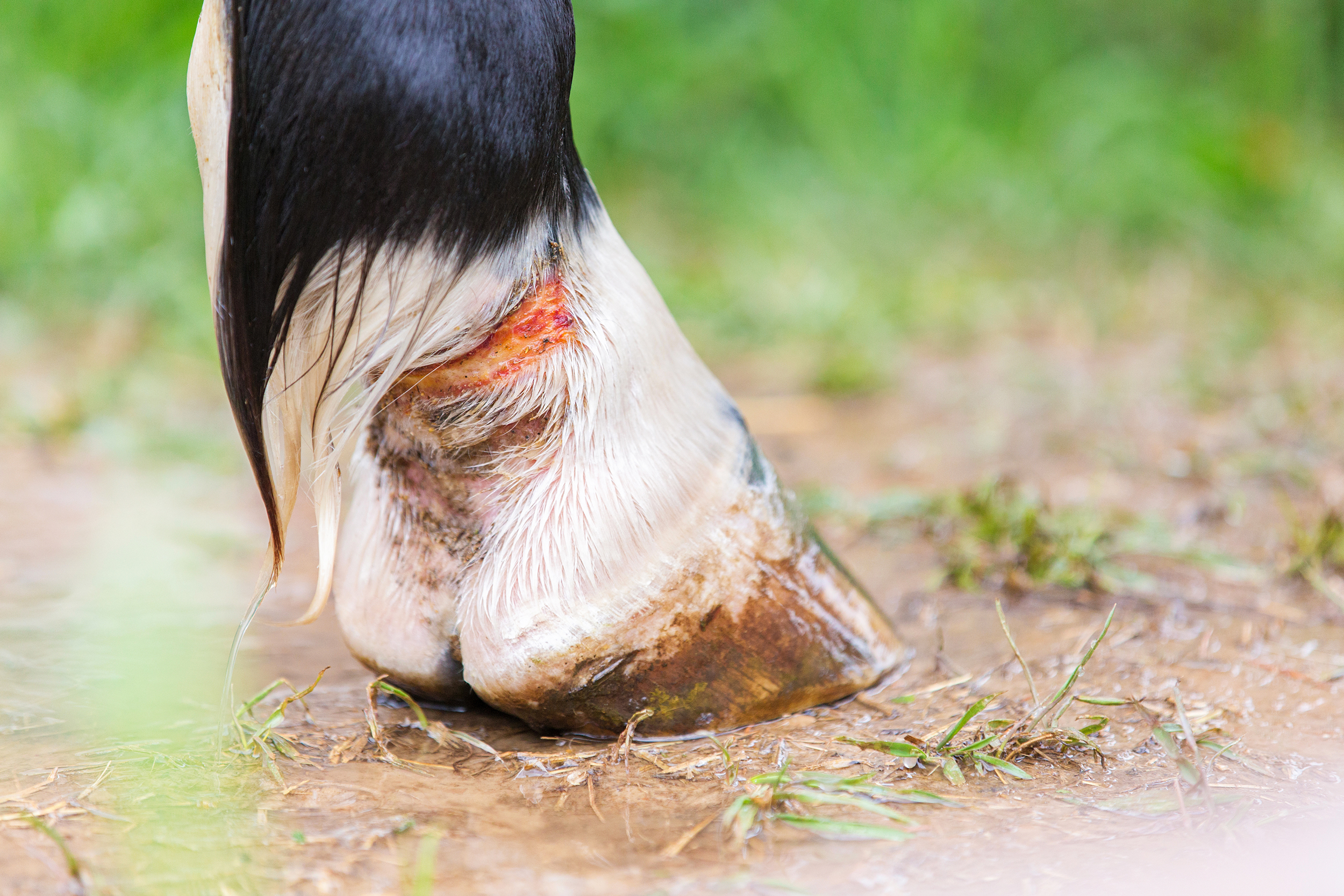
If you spend any amount of time around horses, you learn fairly quickly that bumps, scrapes, and cuts are almost inevitable. Horses can find ways to injure themselves in well-maintained pastures, clean stalls, and even while standing quietly at the fence. While some wounds are minor and heal without much trouble, others can become serious if they are not handled correctly from the start. Knowing how to assess a wound and provide basic first aid can make a real difference in both healing time and long-term soundness.
The first step in dealing with any injury is evaluating where it is located and how severe it appears. Wounds on the legs deserve particular attention. Compared to the body, the lower limbs have very little muscle or fat between the skin and critical structures such as joints, tendons, ligaments, and bone. Because of this, even a small cut can turn into a major problem if it involves deeper tissues.
Certain areas are especially concerning. Cuts on the front of the knee (carpus), the front of the hock, the back of the pastern, or around the heel bulbs are more likely to involve joints or tendons. Large, gaping, or bleeding wounds are usually easy decisions—those warrant a call to your veterinarian. Smaller wounds can be more difficult to judge, particularly when it is hard to tell how deep they go. If you are unsure whether a wound penetrates beyond the skin, it is best to contact your veterinarian before attempting home treatment.
Lameness is another important factor to consider, but it can be misleading. Some horses with fresh joint wounds may not appear lame at first, even if a joint is involved. Over time, however, infection can set in, leading to severe or even non-weight-bearing lameness. On the other hand, injuries involving tendons, ligaments, bone, or extensive soft tissue damage often cause immediate and obvious lameness. When a horse is suddenly very sore or unwilling to bear weight, more serious injuries such as fractures must be ruled out.
Being prepared is one of the best things a horse owner can do. A basic first aid kit kept in the barn or trailer allows you to respond quickly when an injury is discovered. The goal of initial wound care is simple: clean the wound, protect it, and prevent further contamination until healing begins or veterinary care is provided.
Most wounds are dirty when first found. Flushing away debris is far more important than applying medication right away. Clean tap water or sterile saline works well for this purpose. A mild antiseptic solution can be used, but it should always be diluted. Strong solutions can damage healthy tissue and slow healing. A good rule of thumb is to dilute antiseptics until the solution is a light tea color. Gentle cleaning is key—scrubbing aggressively can do more harm than good.
Once the wound is clean, a topical treatment may be applied if appropriate. For minor cuts and scrapes, a simple triple antibiotic ointment is often sufficient. These products are widely available and effective when used correctly. In areas where bandaging is difficult or impossible, spray-on products designed to protect wounds can help keep dirt and insects out while the surface heals.
Bandaging can be extremely helpful for many leg wounds. A properly applied bandage helps keep the area clean, provides support, and protects the wound from additional trauma. Basic bandaging supplies include non-stick pads, gauze, cotton or combine rolls, and a secure outer wrap. Bandages should be snug but never tight enough to restrict circulation. They also need to be checked and changed regularly to prevent moisture buildup and skin irritation.
Even with good first aid, it is important to know when to step back and call the veterinarian. Wounds that are deep, involve joints, produce significant swelling, or do not improve over a few days should be professionally evaluated. Your veterinarian can also guide you if you are unsure whether a wound can be managed at home.
Horses may be accident-prone, but prompt and thoughtful wound care goes a long way. A calm assessment, proper cleaning, and knowing your limits as a caretaker can help ensure small injuries stay small and your horse stays on the road to recovery.
By Alex Haigood
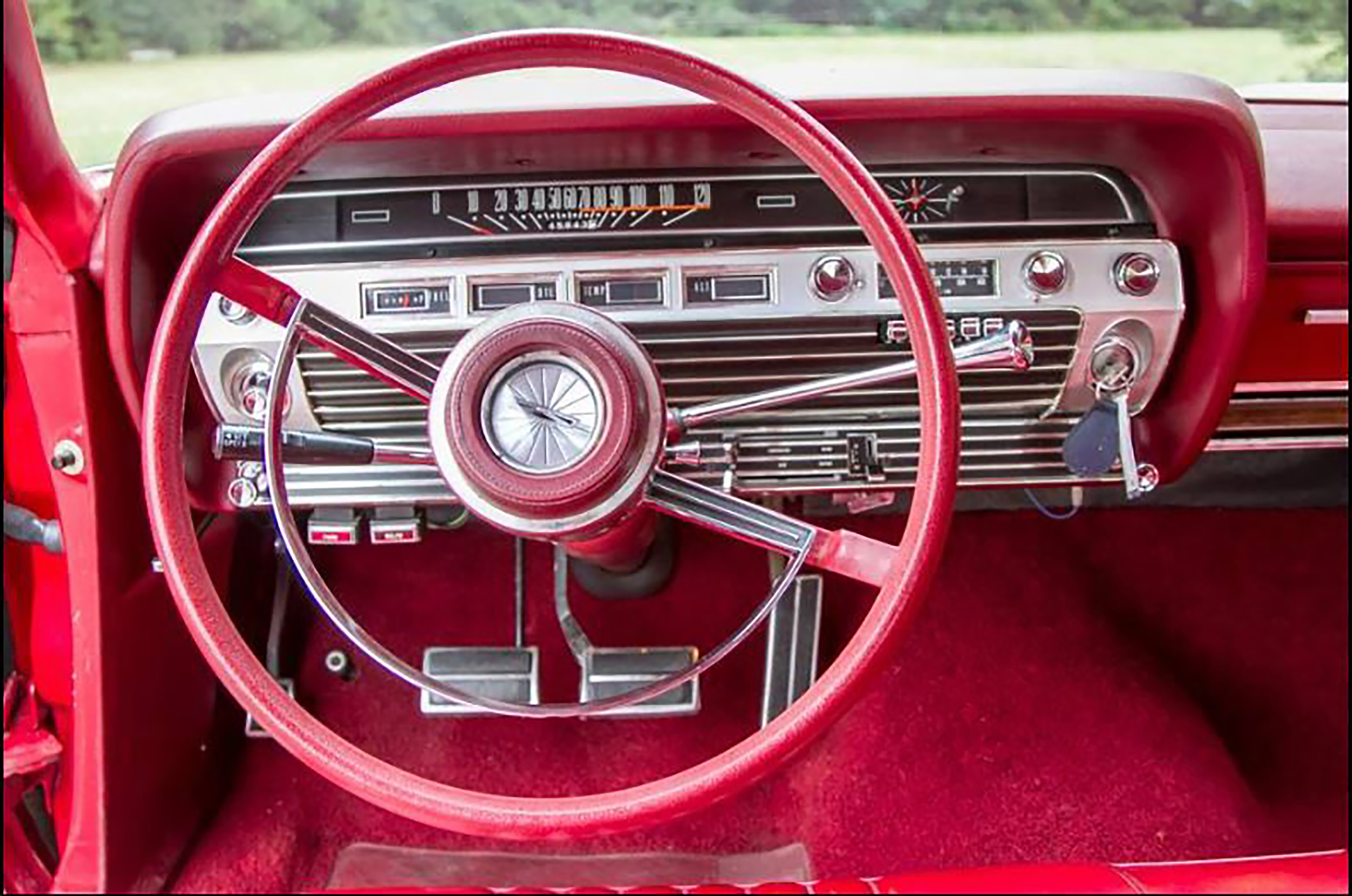
It seems today that the ability to drive a standard transmission is becoming a lost art. In my younger days, if you couldn’t use a clutch, you couldn’t drive. My first three vehicles, two trucks and a car, were all standard transmissions. I would say many young people today have no idea how to drive a car unless it has an automatic transmission.
That probably has a lot to do with the fact that not many stick shifts are made anymore. Everything, even trucks, comes standard with automatic transmissions. There are some sports cars you can still get with a standard, but even those are few and far between.
I knew as a kid that if I wanted to drive and get my license as soon as I could, I would have to learn how to drive a standard. Fortunately, I had a lot of relatives who lived in the country, so I did most of my learning on dirt roads and in the pasture.
I suspect that not many young folks today have any idea what “three on the tree” even means. For the record, that means you had three forward gears, and the gearshift was on the steering column.
I have two memorable stories from my early days of learning to drive a standard. The first was when my dad let me drive a flatbed truck carrying some sheet metal. I popped the clutch a little too fast and almost completely unloaded the truck. We had to back into something to push the material back up on the bed.
The second story involved my uncle, who let me drive while I was on his ranch. I had pulled up to a stop sign on a gravel road that crossed a farm-to-market road. I was stopped on an incline, and my uncle pulled his truck right up behind me. I sat there thinking that when I let off the brake, I was going to start rolling backward into his truck. I sure didn’t want to do that.
So I overcompensated, hit the gas, spun the tires, and threw gravel and dirt all over his truck. All I could see in my rearview mirror was a cloud of dust and dirt. Fortunately for me, he was good-natured and laughed about it. To tell you how long ago that was, he radioed me on his CB and asked if I did that on purpose.
I was fortunate to get to drive early in life in the country and learn the lost art of the standard transmission. Those were fun times. Maybe I need to order me a sports car.



-
 Country Lifestyles3 years ago
Scott & Stacey Schumacher: A Growth Mindset
-
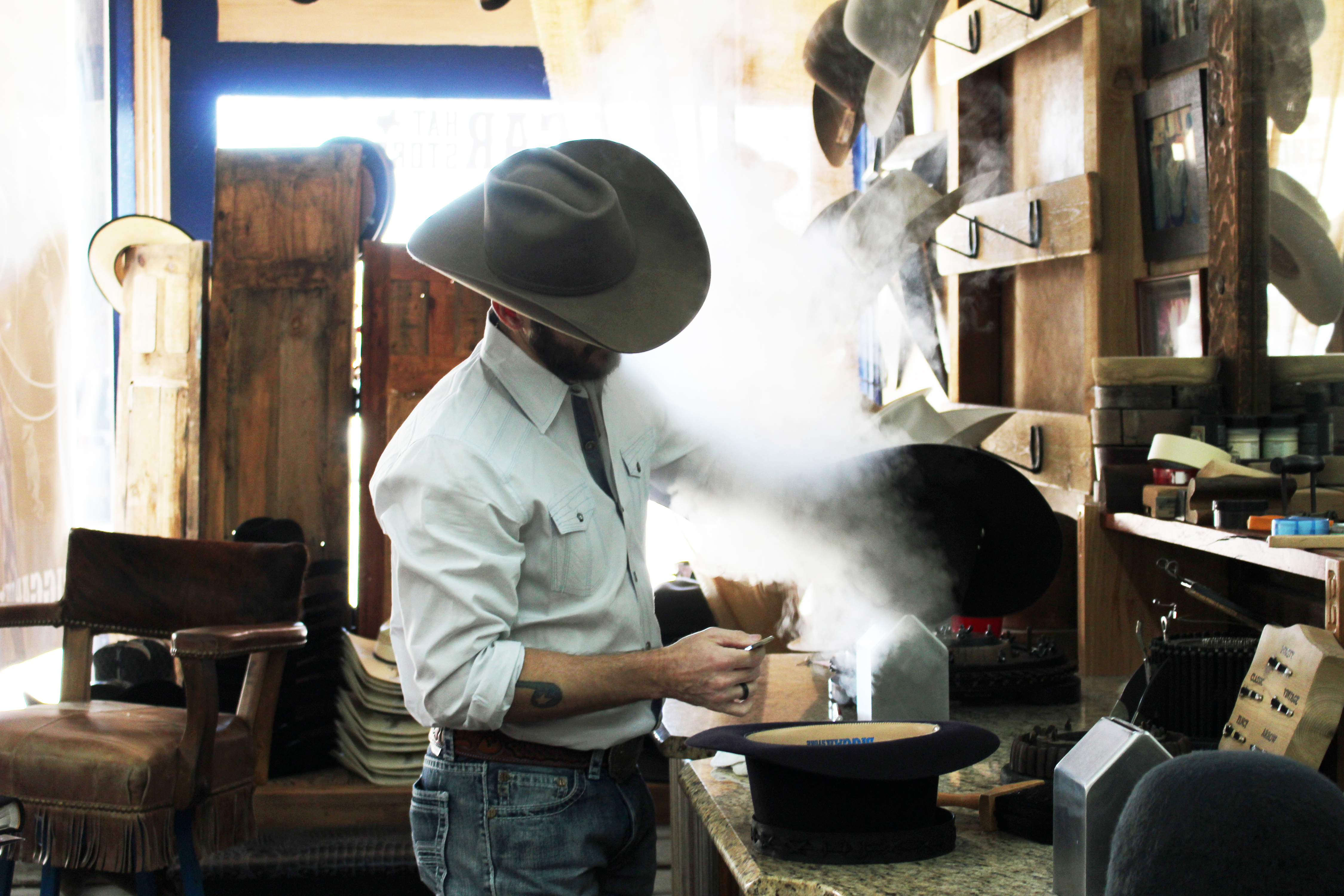 Country Lifestyles9 years ago
Style Your Profile – What your style cowboy hat says about you and new trends in 2017
-
 Horsefeathers12 years ago
Mount Scott: Country Humor with David Gregory
-
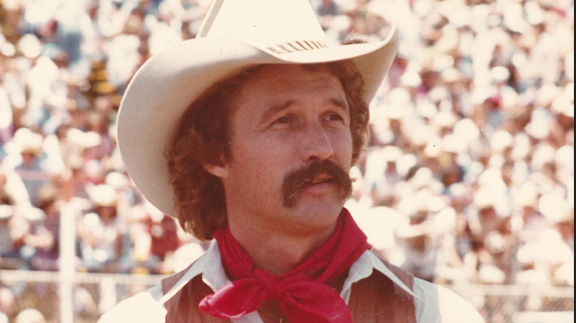 Country Lifestyles10 years ago
June 2016 Profile – The man behind the mic: Bob Tallman
-
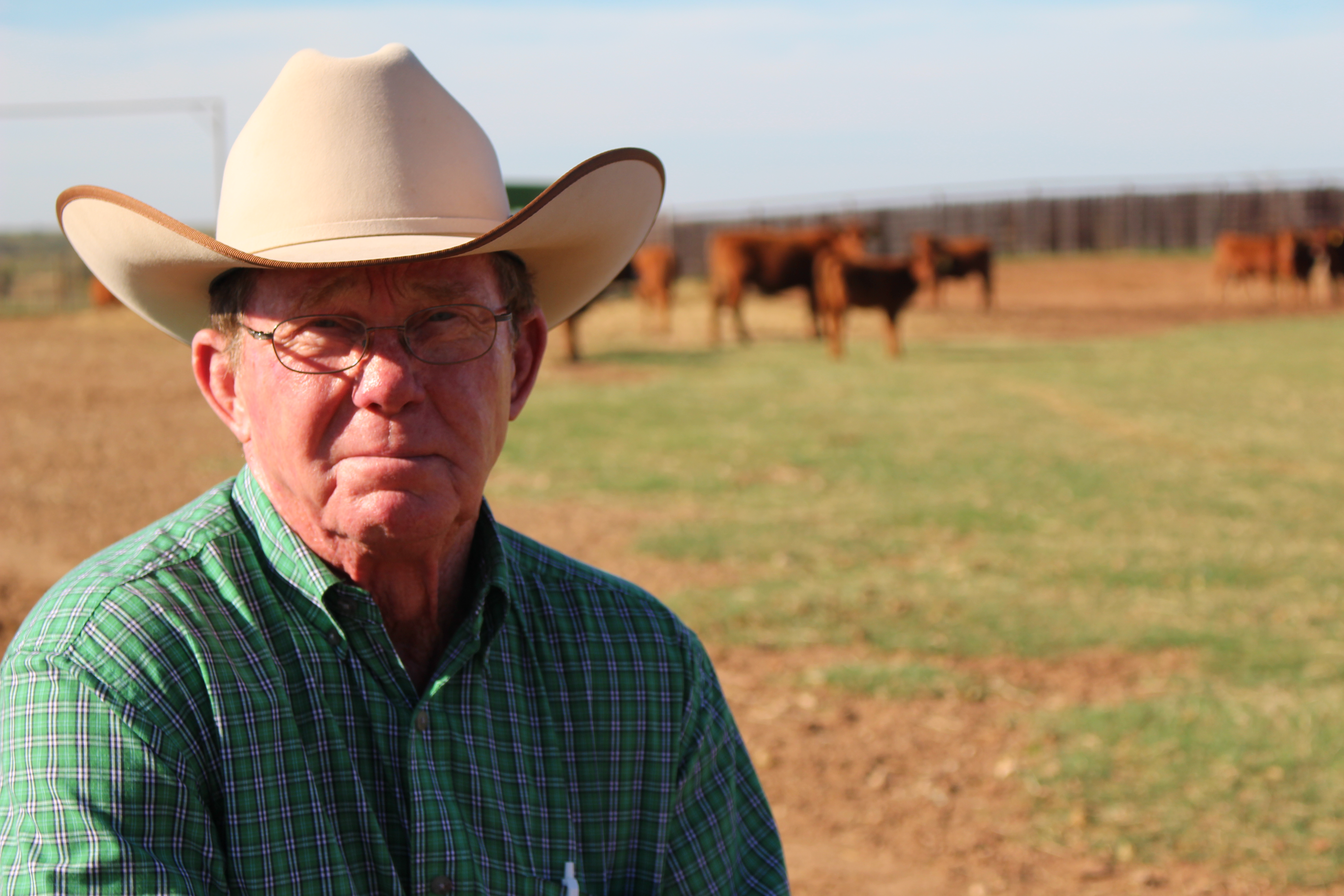 Country Lifestyles9 years ago
December 2016 Profile, Rusty Riddle – The Riddle Way
-
 Outdoor11 years ago
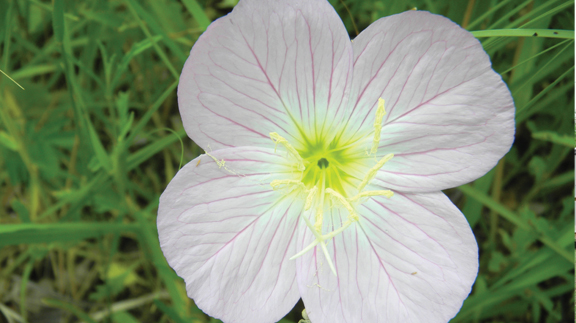
Buttercup or Primrose?
-
 HOME9 years ago
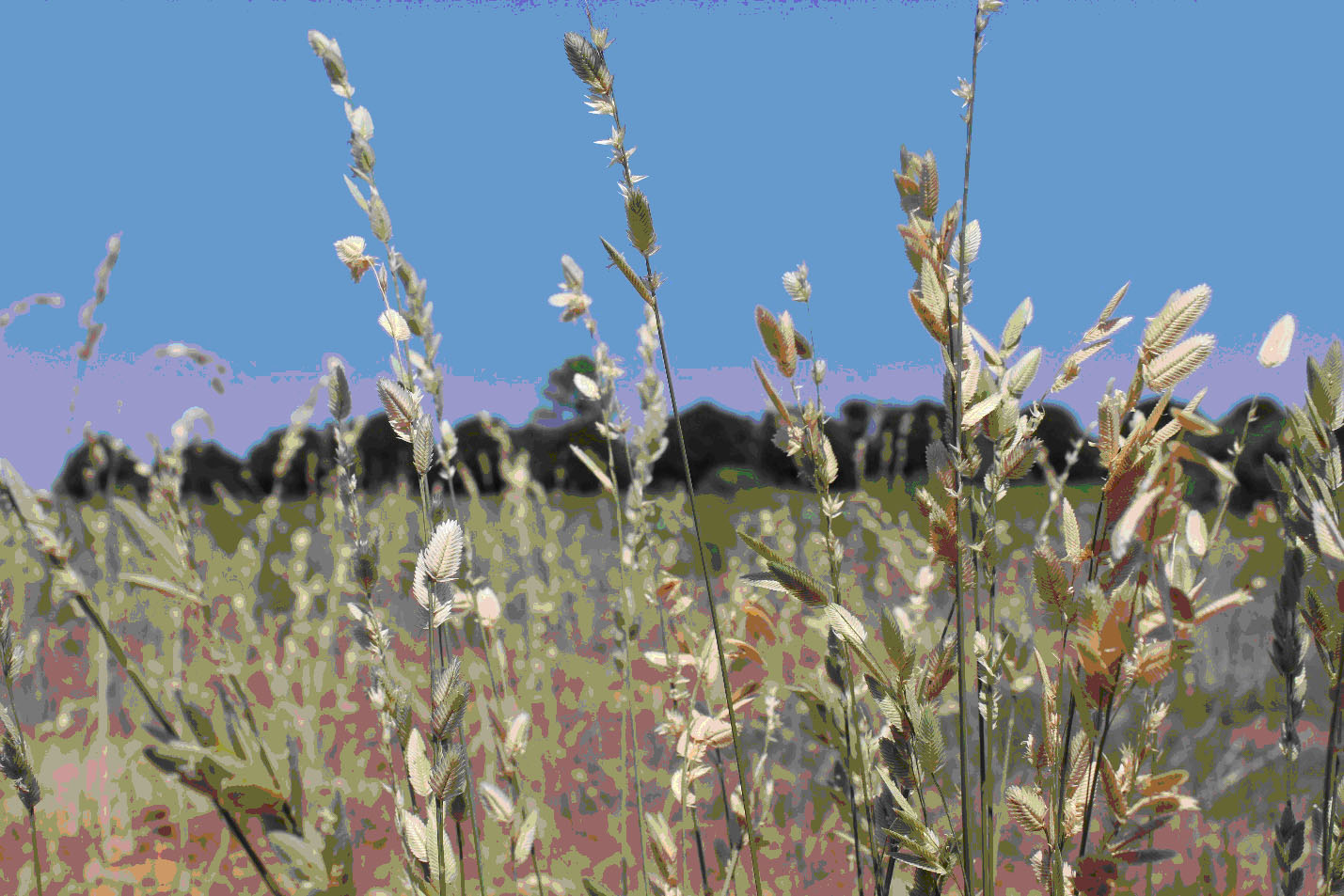
Grazing North Texas – Wilman Lovegrass
-
 The Natural Horseman9 years ago
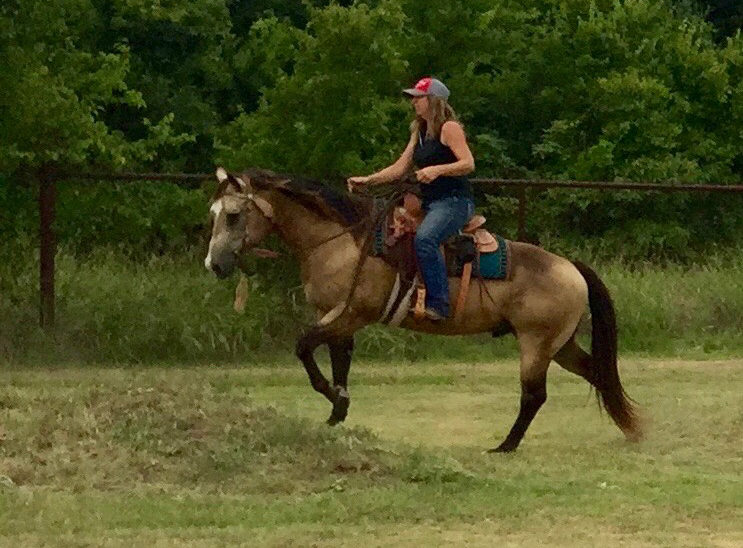
This is why we do what we do — RayeAnn and Cisco