
Farm & Ranch
What is Killing Your Pasture?

By NTFR Staff
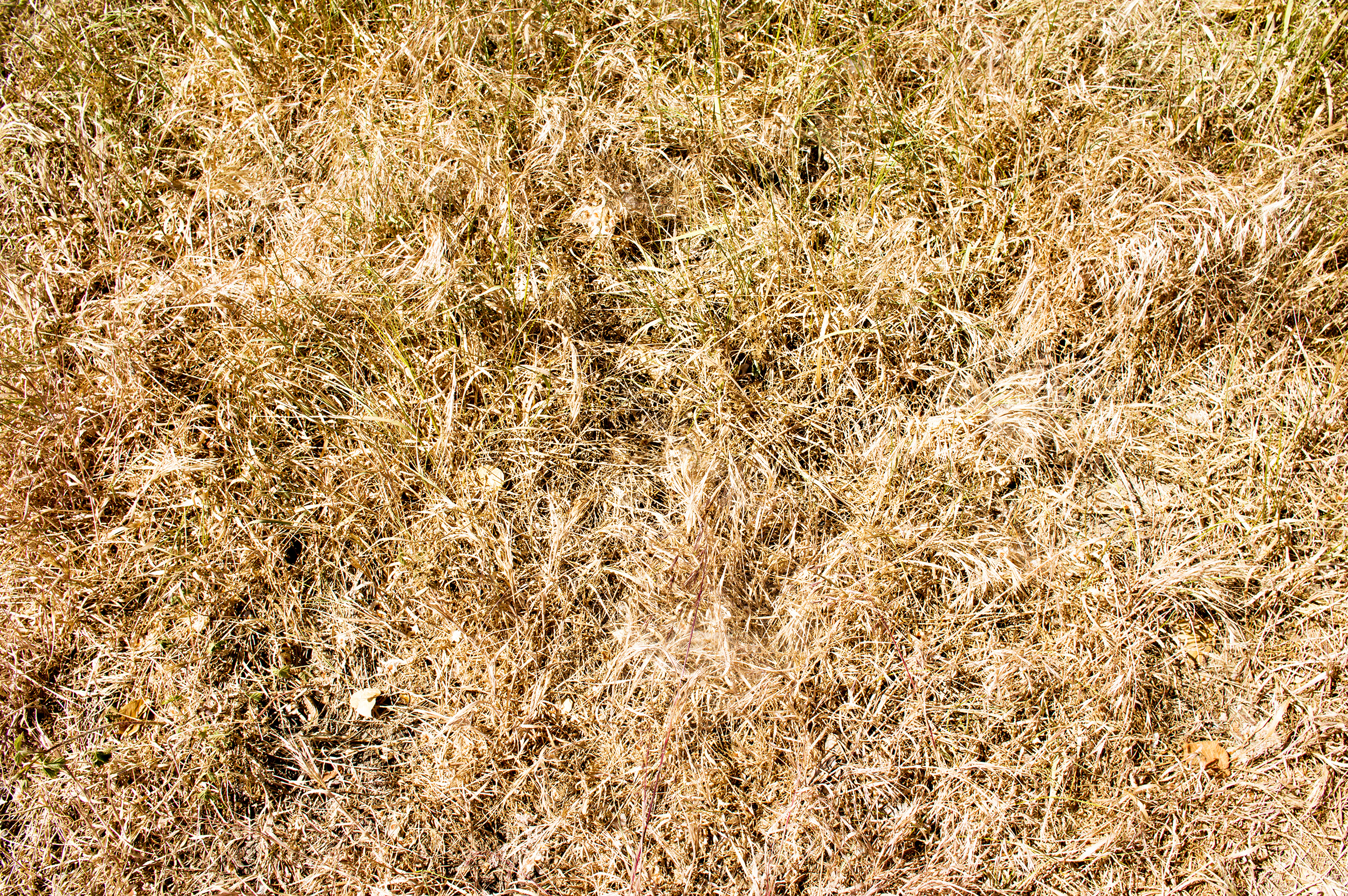
A brown patch in a pasture may look simple from the pickup. The grass is dry, the cattle have grazed it too closely or it needs a good rain. Sometimes one of those explanations is correct. Other times, the damaged area may be the first visible sign of insects, disease, poor soil fertility, compaction or a grazing problem that has been developing for years.
Many pasture problems look alike from a distance. Drought-stressed grass can turn yellow or brown, but so can grass damaged by armyworms. A nutrient deficiency may cause weak, pale growth that resembles disease. Overgrazing can thin the stand and let weeds move in, while compacted soil can keep rainfall from reaching plant roots.
Treating the wrong problem wastes money and lets the real cause get worse. Fertilizer will not stop an insect infestation, and insecticide will not correct a soil deficiency. Before applying anything, slow down, walk the pasture and figure out what the grass is telling you.
Start With the Pattern
The shape and location of the damage provide the first clues. A problem that appears evenly across the entire pasture may point toward drought, poor fertility or a widespread management issue. Damage that begins in patches, follows a fence line or moves across a field may point more toward insects, disease, drainage problems or soil differences.
Begin by comparing the affected area with healthy grass nearby. Look at the color, height and density of the forage. Check whether the damage is limited to one forage species or affects nearly every plant in the area. Notice whether weeds stay green while the desired grass struggles.
Drought stress commonly shows up first on shallow soils, exposed slopes and other places that hold less moisture. Grass may fold or roll its leaves to conserve water before it turns gray-green, yellow or brown. In severe conditions, the plant may stop growing above ground and live on stored energy.
A pasture does not always recover as fast as it greens up. Rain may bring new leaves, but plants weakened by prolonged drought still need time to rebuild their root systems and energy reserves. Turning livestock onto new growth too soon can strip away the leaf area the plants need to recover.
Overgrazing can produce similar symptoms, especially when livestock keep returning to their preferred plants. Overgrazing has more to do with timing than with how short the grass gets. It occurs when livestock graze a plant again before it has recovered from the previous grazing.
When leaves are removed, the plant uses stored carbohydrates to begin regrowth. If livestock eat that new growth almost immediately, the plant must draw from its reserves again. Repeated grazing without recovery eventually weakens the roots, reduces forage production and may kill desirable plants.
Signs include closely cropped grass, bare soil, increasing weed pressure and an uneven pasture where livestock graze some plants repeatedly while less desirable species stay tall. Areas around water, shade, mineral feeders and gates often get especially heavy use, and soil in those spots may also become compacted.
Compaction reduces the pore space that lets air and water move through the soil. Rainfall may run off instead of soaking in, and plant roots may stay shallow or struggle to penetrate the soil. You can compare suspected areas by pushing a soil probe or sturdy rod into the ground when soil moisture is similar. A shovel can also reveal shallow roots, dense soil layers or standing water below the surface.
Poor fertility is another common cause of weak or discolored grass, but plant color alone can’t diagnose a nutrient deficiency. Nitrogen deficiency often produces pale green or yellow growth and reduced production. Other nutrient problems may affect older or younger leaves differently, depending on how the nutrient moves within the plant.
Soil testing is the only dependable way to find out what the soil needs. A representative sample should combine soil collected from several locations with similar soil type, management and production history. Sample unusual areas, such as feeding sites, wet spots or visibly damaged patches, separately instead of mixing them with the rest of the pasture.
Soil pH deserves particular attention because it affects nutrient availability and plant growth. Fertilizer applied without correcting an unsuitable pH may produce disappointing results. At the same time, adding lime or nutrients the soil doesn’t need raises costs and may create new problems.
Look More Closely
When damage seems to appear overnight, put insects high on the list of suspects. Fall armyworms can remove large amounts of forage in a short time, particularly when producers discover them late in their development.
Young fall armyworm larvae scrape the green tissue from grass blades, leaving a thin, pale membrane sometimes described as a windowpane. Larger larvae chew through the leaves and can leave a pasture looking frosted or burned. Birds feeding heavily in one part of a field can also be a clue that caterpillars are present.
Scouting works best early in the morning or late in the afternoon, when larvae are more active. A sweep net can collect small caterpillars that are hard to see. You can also bend a wire coat hanger into a hoop, place it on the ground and carefully count the larvae inside it. Check several locations, including field margins and the interior of the pasture.
Base treatment decisions on the number and size of the larvae, the amount and value of forage at risk and the cost of control. As a general guideline, Extension specialists often recommend considering treatment when about three to four larvae per square foot are present. Small larvae are easier to control than large ones, so early detection matters.
Any pesticide used on pasture must be labeled for that site and pest. The label also lists grazing, haying and harvest restrictions that can differ among products. Grass disappearing is not reason enough to spray an insecticide. The caterpillars must still be present and actively feeding for treatment to accomplish anything.
Plant diseases are less common than drought, fertility and grazing problems in many pastures, but don’t dismiss them. Several fungal diseases can affect bermudagrass, including some that damage roots or produce irregular patches of dead grass. Disease may become more noticeable when plants are already stressed by heat, drought, poor drainage, improper fertility or other unfavorable conditions.
Pull several plants from the edge of a damaged patch instead of from the completely dead center. Examine the roots, crowns, stems and leaves. Healthy roots are generally firm and well developed. Dark, shortened or rotting roots may indicate disease or prolonged soil saturation. Leaf spots, lesions and discolored stems can provide additional evidence.
Because pasture diseases can closely resemble other problems, applying a fungicide without a diagnosis is seldom a good first step. You may need to submit samples to a plant diagnostic laboratory. The best samples usually include plants showing a range of symptoms, along with healthy plants for comparison. Photographs of the entire affected area can help diagnosticians understand the pattern in the field.
Weeds may be part of the cause, the result of the problem or both. As desirable forage thins, sunlight reaches the soil surface and gives weed seeds a chance to germinate. Weeds then compete with the remaining forage for water, nutrients and space.
Spraying the weeds may improve the look of the field, but it will not necessarily fix the condition that let them move in. Unless grazing pressure, fertility, soil condition or forage density improves, another weed may take their place.
Consider simpler possibilities, too. Herbicide drift can produce distorted, twisted or discolored growth. Fertilizer or chemical application errors may leave straight lines, overlaps or skipped strips. Standing water can kill plants in low areas, while damaged water lines may create isolated wet spots. Salt, manure and concentrated livestock traffic can also affect grass near feeders, troughs and corrals.
Good records make these problems easier to solve. Rainfall, fertilizer applications, grazing dates, stocking rates, herbicide use and previous insect outbreaks can help explain what is happening. Photographs taken from the same locations throughout the year may reveal gradual changes that are hard to recognize during daily ranch work.
Most pasture failures build as several smaller problems overlap. Dry weather weakens the grass, and livestock keep grazing the remaining plants. Bare ground expands, weeds appear and runoff increases. Then an insect outbreak or another dry spell pushes the pasture past the point where it can recover quickly.
When you spot the first brown patch, inspect it closely before you buy fertilizer or chemicals. Walk past the edge of the damage, look at the whole plant and consider what has happened in that pasture over the previous weeks and months. Identifying the cause before choosing a treatment is usually the least expensive place to start.
By Savannah Magoteaux
Two bales can look almost identical and feed very differently. Color, smell and leafiness tell part of the story, but a forage test tells you what your cattle are actually being offered. If you buy hay by the ton or are trying to stretch winter feed, that little lab sheet can be one of the cheapest management tools on the place.
Reading the report
Start with dry matter. Hay contains water, and labs report nutrients either “as fed” or on a dry-matter basis. Feeds are easiest to compare on a dry-matter basis because it takes moisture out of the comparison. Hay that is 90 percent dry matter is about 10 percent water.
Crude protein, usually abbreviated CP, is the number most people recognize. It estimates protein from the forage’s nitrogen content. Higher isn’t automatically better. The goal is to match the hay to the animal. A dry, mature cow in mid-gestation doesn’t need the same protein as a lactating cow, a growing replacement heifer or a young calf.
Energy matters just as much. Beef cattle forage reports commonly estimate energy as total digestible nutrients, or TDN. Low-TDN hay may fill a cow up before it supplies enough energy, particularly when her requirements rise late in gestation or during lactation. That is when you may need better forage, an energy supplement or a different feeding plan.
Fiber numbers explain why some hay looks coarse and why animals may not be able to eat enough of it. Neutral detergent fiber, or NDF, is closely tied to intake. As NDF climbs, cattle generally eat less because the forage moves through the digestive tract more slowly. Acid detergent fiber, or ADF, is tied to digestibility. Higher ADF generally means lower digestibility.
Some reports also include relative feed value or relative forage quality. These indexes help compare lots of forage, particularly alfalfa and mixed hay, but they aren’t a complete ration. They don’t replace looking at protein, energy, minerals, animal class and expected intake.
Then come the numbers you hope are boring. Nitrate testing matters when drought, heavy nitrogen fertilization, cloudy weather or other conditions have stressed the forage enough to cause nitrate accumulation. Sorghum-type forages, johnsongrass, corn and some weeds deserve particular attention. Nitrates stay in hay after it is cut and baled, so a risky crop doesn’t become safe just because it dried.
Minerals deserve a look, but this is where a hay report gets harder to interpret. Calcium, phosphorus, potassium, magnesium and other minerals may be listed, yet a complete mineral program depends on water, other feeds and local conditions. A high number isn’t always an advantage. Excessive potassium, for example, can interfere with magnesium use under some circumstances. If you are balancing a ration for high-risk animals, work with a nutritionist or Extension specialist rather than treating the lab sheet as a stand-alone mineral prescription.
Moisture tells another story. Hay baled too wet is at greater risk of heating and mold, and very wet hay can become a fire hazard as microbial activity raises its internal temperature. A test taken months later can’t reconstruct every storage problem, so inspect the stack, too. A musty odor, visible mold, unusual heat and dark discoloration are all reasons to investigate.
Getting a good sample
A hay test is only as good as the sample, and sampling is the step most likely to ruin a good analysis. A handful pulled from the outside of one convenient bale doesn’t represent a stack of 100 bales. Round bales aren’t uniform from the outside to the center, and one bale may not represent the whole cutting.
Texas A&M AgriLife recommends using a hay probe and collecting cores from multiple bales in a lot, then combining them into one representative sample. A coring probe reaches through the layers of the bale and gives the lab a much better cross-section. Test different cuttings, fields or hay types separately, and don’t blend samples from separate fields or cuttings to save the cost of a test if you will feed them as separate lots.
Putting the numbers to work
The most useful way to read the report is backward from the cattle. What class of animal will eat this hay, at what stage of production, and how much is she likely to eat? Once you answer those questions, the lab numbers start to mean something.
A mature dry cow in good body condition can often use lower-quality forage than a first-calf heifer nursing a calf. Young cattle need nutrients for growth on top of maintenance, and cold stress raises energy demand. A hay test becomes valuable when you pair it with those real-world differences.
Remember that price per bale isn’t the same as price per unit of nutrition. A cheap bale with very low energy and protein may require expensive supplementation, and better hay can turn out to be the lower-cost feed once you count waste and supplements.
Before buying, try putting two hay reports side by side. Compare dry matter, crude protein, TDN and fiber first. Then add delivered cost and likely feeding waste. A heavier, denser bale isn’t automatically more economical, and a greener bale isn’t automatically more nutritious. The numbers make the comparison fair.
Testing is especially valuable after a hard weather year. Drought hay may be lower in yield and higher in nitrate risk. Mature, rain-damaged hay may test lower in protein and energy than it looks. Hay cut from a fertilized field after stress may deserve a safety screen before it ever reaches a feeder.
A forage test won’t make poor hay better. It shows you where the gaps are before your cattle show them through lost condition or lower performance. One report can’t answer every feeding question, but it replaces several guesses with measurements, and that makes winter nutrition planning much more accurate.
By Savannah Magoteaux
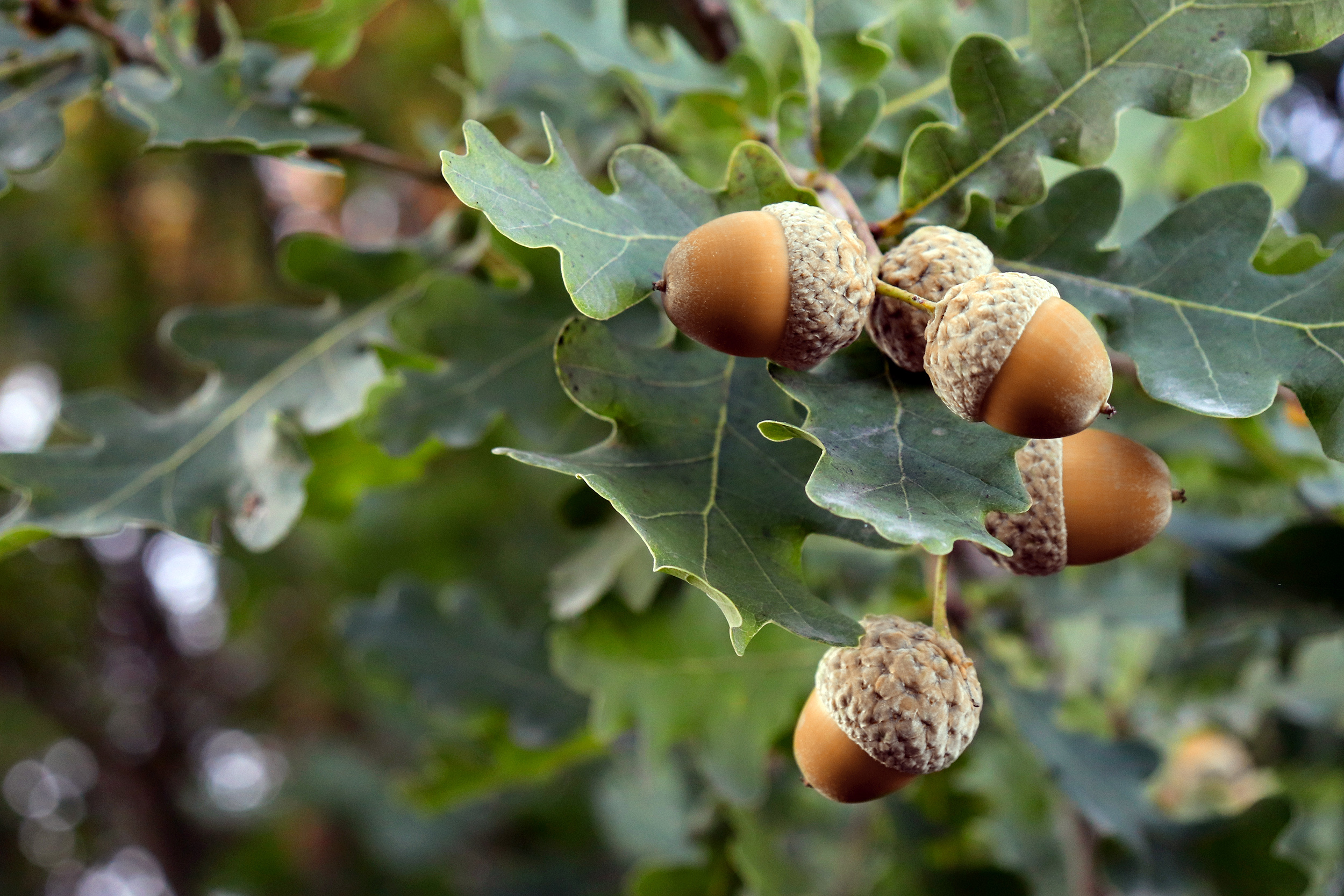
A heavy crop of acorns under an oak tree usually looks more like a sign of fall than a livestock problem. For most cattle in most years, that is all it is. Trouble starts when acorns stop being an occasional bite and become a meaningful part of the diet.
Oak leaves, buds and acorns contain tannins that can damage the digestive tract and kidneys when cattle eat enough of them. Green acorns are generally considered more toxic than mature brown ones, but either can cause problems if cattle eat too many.
The risk climbs when forage is short and cattle go looking for something else to eat. Drought, overgrazed pastures or simply a heavy acorn crop can set up that situation.
Cattle aren’t equally interested in acorns. A few animals in a herd may eat far more than the rest, which helps explain why cases can appear scattered.
Early signs can be vague. Affected cattle may go off feed, look depressed or become constipated. As the damage progresses, you may see dark or bloody manure, abdominal pain, frequent urination followed by reduced urine output, dehydration and weakness. Kidney failure is the most serious concern.
You can’t remove every acorn from a wooded pasture, so prevention comes down to keeping cattle from relying on them. Adequate forage and supplementation take away the incentive to eat large amounts.
You can also fence cattle away from heavily producing oaks for a while, especially when pasture conditions are poor. If several animals seem to be seeking out acorns, take a close look at the rest of the ration instead of assuming they will quit on their own.
If you suspect oak poisoning, call a veterinarian early. Treatment is supportive and does much more good before severe kidney damage sets in. Moving unaffected cattle away from the source and providing good-quality feed and water may prevent more cases.
Acorns are an important fall food for deer, squirrels and other wildlife, and a few acorns generally don’t spell disaster for cattle. The concern is quantity. A pasture full of oaks becomes a different management problem when grass is short, cattle are hungry and the ground is covered with something they are willing to eat.
Oak toxicity comes up most often in cattle, but other livestock can be affected, too. And the risk isn’t limited to acorns. Oak buds and young leaves also contain tannins, so spring can occasionally bring problems as well. In fall, though, the obvious temptation is lying on the ground where cattle can eat it quickly.
Watch where your cattle spend their time. If cows that normally graze open grass start camping under oaks and hunting acorns, that behavior tells you something.
Walk the pasture, estimate how much usable forage is left and check whether a few dominant animals are eating more than the rest. Hay or supplemental feed may help, but place it where all the cattle can reach it rather than assuming one feeder will solve the problem.
Oak poisoning can look like other illnesses, and no one can diagnose kidney damage from pasture observation alone. A veterinarian may use history, clinical signs and lab work to separate it from dehydration, digestive disease or other toxicities. That is another reason to mention a heavy acorn crop when you call. A detail that seems like an ordinary part of fall can be an important part of the history.
Your pasture plan doesn’t have to be complicated. If one wooded trap has a much heavier acorn crop than the rest, use another pasture while you still have the choice.
If you can’t move the herd, make sure hay and supplement are adequate before the animals get hungry enough to seek out acorns aggressively. Salt or mineral by itself won’t make up for a shortage of forage.
The problem usually fades as cattle eat through the crop or the acorns weather or get covered. Don’t return cattle that have already shown signs as soon as they look better, though. Kidney injury can be serious. Follow your veterinarian’s recommendations and reassess the pasture before turning recovered animals back out.

By Jared Groce
Late summer has been brutal on our livestock, our grass and the rural land market in North Texas. We currently have an astounding 42 months of inventory on hand in our report area, and the only properties selling are the ones priced right. Overpriced properties aren’t even getting looked at, much less receiving offers, so pricing your property correctly matters more than ever right now.
Many sellers are still picturing the daily price increases we saw in 2020 to 2023, but those days are behind us, and agents need to be more realistic with listing prices to get any activity for their clients. Hopefully the rains will come soon and bring more land buyers with them this fall, but right now it is still very much a buyer’s market. No one knows how long this dry spell will last, but it will likely take a flood to end it. The same is true of the weather!
They say the best time to plant a tree, or buy land, was 20 years ago, and the second-best time is today.
| County | Area | Acres | $/Acre | List Price | Sold Price | Sale/List | DOM |
|---|---|---|---|---|---|---|---|
| Clay | Henrietta | 120.07 | $5,150 | $714,000 | $618,309 | 86.60% | 434 |
| Clay | Bellevue | 159.44 | $6,184 | $981,000 | $985,959 | 100.50% | 48 |
| Clay | Henrietta | 293 | $4,982 | $1,538,250 | $1,459,600 | 94.90% | 212 |
| Clay | Average | 190.84 | $5,438 | $1,077,750 | $1,021,289 | 94.00% | 231 |
| Collin | Anna | 11.08 | $84,356 | $1,200,000 | $935,000 | 77.90% | 634 |
| Collin | Average | 11.08 | $84,356 | $1,200,000 | $935,000 | 77.90% | 634 |
| Cooke | Muenster | 11 | $18,000 | $209,000 | $198,000 | 94.70% | 250 |
| Cooke | Gainesville | 19.3 | $16,580 | $345,000 | $320,000 | 92.80% | 541 |
| Cooke | Valley View | 96.23 | $15,500 | $1,679,215 | $1,491,565 | 88.80% | 194 |
| Cooke | Average | 42.18 | $16,693 | $744,405 | $669,855 | 92.10% | 328 |
| Denton | Sanger | 16.46 | $39,422 | $649,000 | $649,000 | 100.00% | 47 |
| Denton | Cross Roads | 10.35 | $97,575 | $1,200,000 | $1,010,000 | 84.20% | 40 |
| Denton | Sanger | 300 | $14,000 | $4,999,999 | $4,200,000 | 84.00% | 1,327 |
| Denton | Aubrey | 74.09 | $57,684 | $4,815,525 | $4,273,550 | 88.70% | 302 |
| Denton | Average | 100.22 | $52,170 | $2,916,131 | $2,533,138 | 89.20% | 429 |
| Grayson | Collinsville | 11.61 | $46,516 | $600,000 | $540,000 | 90.00% | 280 |
| Grayson | Van Alstyne | 18.8 | $58,511 | $1,175,000 | $1,100,000 | 93.60% | 280 |
| Grayson | Whitesboro | 30 | $37,984 | $1,170,000 | $1,139,506 | 97.40% | 277 |
| Grayson | Average | 20.14 | $47,670 | $981,667 | $926,502 | 93.70% | 237 |
| Jack | No sales reported | — | — | — | — | — | — |
| Montague | Montague | 485 | N/A | $5,566,000 | N/A | N/A | 333 |
| Montague | Bowie | 26 | $12,244 | $323,500 | $318,352 | 98.40% | 743 |
| Montague | Montague | 37.3 | $10,327 | $428,950 | $385,195 | 89.80% | 1 |
| Montague | Saint Jo | 1,185 | $7,764 | $10,000,000 | $9,199,829 | 92.00% | 19 |
| Montague | Average | 433.33 | $10,112 | $4,079,613 | $3,301,125 | 93.40% | 274 |
| Wise | Sunset | 12 | $19,027 | $234,000 | $228,320 | 97.60% | 16 |
| Wise | Sunset | 12 | $19,027 | $234,000 | $228,320 | 97.60% | 14 |
| Wise | Chico | 11.44 | $24,476 | $299,000 | $280,000 | 93.60% | 24 |
| Wise | Chico | 10.25 | $29,265 | $315,000 | $300,000 | 95.20% | 12 |
| Wise | Average | 11.42 | $22,949 | $270,000 | $259,160 | 96.00% | 17 |
DOM = days on market




-

 Country Lifestyles4 years ago
Scott & Stacey Schumacher: A Growth Mindset
-
 Country Lifestyles10 years ago
Style Your Profile – What your style cowboy hat says about you and new trends in 2017
-
 Horsefeathers13 years ago
Mount Scott: Country Humor with David Gregory
-
 Outdoor11 years ago
Buttercup or Primrose?
-
 Country Lifestyles10 years ago
June 2016 Profile – The man behind the mic: Bob Tallman
-
 HOME10 years ago
Grazing North Texas – Wilman Lovegrass
-
 Country Lifestyles10 years ago
December 2016 Profile, Rusty Riddle – The Riddle Way
-
 The Natural Horseman9 years ago
This is why we do what we do — RayeAnn and Cisco