
Farm & Ranch
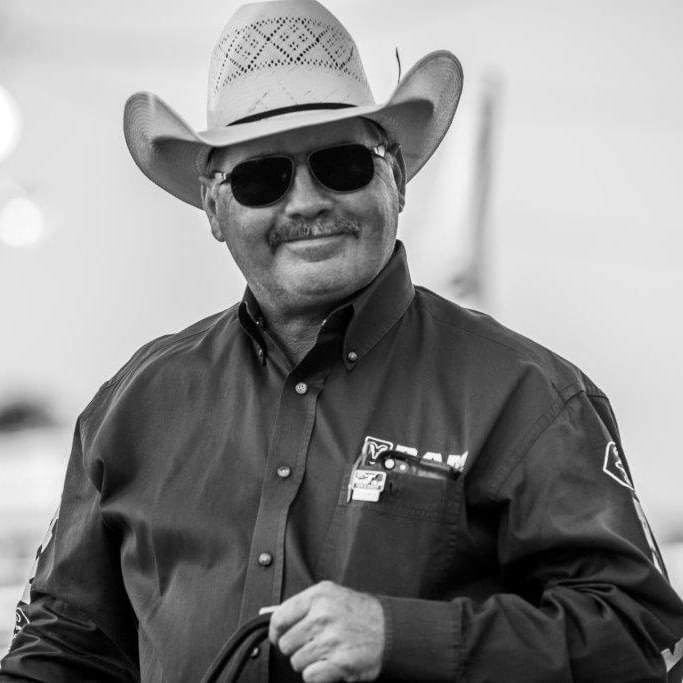
A Rancher at the Helm: Glenn Carlton

By Savannah Magoteaux, Editor
As summer hits its peak, most people in North Texas are thinking about fair food, rodeo tickets, carnival lights and which country act they do not want to miss at the North Texas Fair & Rodeo.
Glenn Carlton is thinking about all of that, too. He is also thinking about hay.
When Carlton visited with us by phone in early July, the Executive Director of the North Texas Fair & Rodeo had about 200 acres of hay on the ground, a quick family vacation coming up and one of North Texas’ biggest annual events already taking shape at the fairgrounds.
The event holds the things that have been part of his life from the beginning: cattle, rodeo, community, long days and work that usually happens before anyone else gets there and after most people have gone home.
“We never stop planning,” Carlton said. “Normally during the event, I’m already talking to booking agents about who we’re going to hire for next year.”
That is the pace of the North Texas Fair & Rodeo now. It is a year-round operation, a community effort and, in many ways, a moving target that has to keep growing without losing what made people love it in the first place.
Carlton has worked to strike that balance for more than 40 years.
From Rodeo Roots to North Texas
Carlton grew up in Eugene, Oregon, but his family’s story runs through southeastern Oklahoma. His parents were from the Tuskahoma area, near the Choctaw Nation Capitol grounds, before they moved to Oregon as a young couple.
Carlton and his sisters were born in Oregon, but he always felt a pull back toward this part of the country.
“I always told my family the first chance I got, I was going back to Oklahoma,” Carlton said. “I didn’t quite make it. I got about 30 miles from there.”
His ranching background reaches back into the Kiamichi Mountains, where his grandfather ran open-range cattle. Carlton was too young then to remember it firsthand, but the family stories stayed with him. One of his favorites came from an uncle, who told him the family gathered cattle with dogs.
“I asked my uncle, ‘How did y’all gather those cattle?’” Carlton recalled. “They were dog broke. They turned those dogs out in those mountains, and every cow within 10 miles would be in that pen in about 30 minutes.”
As a young man in Oregon, Carlton rode bulls, competed in high school rodeo and got an early education in what it takes to put on an event. He was president of his high school rodeo team, and when the team decided to produce a rodeo, Carlton helped make it happen. The facility in Eugene was new but built more for horse shows than rodeo, so they brought in portable panels, gates and bucking chutes and made it work.
He was 17 when he produced his first rodeo.
From then on, the management side of rodeo was never foreign to him. He worked for a stock contractor in the Northwest for several years and helped produce 20 to 25 rodeos a year, which broadened his education.
“I learned a lot of production rodeos and the stock side of it, and the labor that it takes behind the scenes to make one happen,” Carlton said.
Rodeo eventually helped bring him closer to the country he had always planned to return to. A beer company that sponsored him when he rode bulls helped him land a job with a beer distributor in Dallas. Carlton thought he was coming down to be a salesman and hospitality guy. Instead, the company put him on a beer truck.
“I learned real quick that I was going to have to work my way up,” he laughed.
He did work his way up, and the beer business eventually brought him to Denton when Miller of Denton recruited him. That company, now Fisher59, sponsored the North Texas Fair & Rodeo, and through that sponsorship Carlton first got involved with the fair.
“Coming from a rodeo and agricultural background, it was a perfect fit for me to get involved as a volunteer,” he said.
He began volunteering in 1985 on the rodeo committee of Weldon Burgoon, a member of the Texas Rodeo Cowboy Hall of Fame. The work was not glamorous. He pushed calves, moved bucking bulls and horses, set up barrels, helped get the arena ready and, when necessary, stayed late at night making last-minute fixes before the next performance.
A few years later, Burgoon stepped down, and the committee appointed Carlton rodeo chairman. He joined the board of directors in 1990 and later served as a vice president. At the time, he had no plans to become Executive Director.
The rodeo chairman role was not a stretch. He already understood rodeo production, and he understood the demands of showing up night after night while working a full-time job and raising a young family.
“It wasn’t easy, but we still have volunteers that do the very same thing,” he said.
Carlton became Executive Director in 2005 after the previous director announced his retirement. The executive board had discussed splitting the work into separate departments instead of hiring one leader, but Carlton did not believe that would work.
He told the board that if they planned to hire an Executive Director, he would apply. The board went through the interview process, considered other applicants and hired him.
“That was a really good feeling, because it was something that I loved,” Carlton said. “I got to do that, and I’ve been doing it ever since.”
At the time, some people believed the fair had grown as much as it could. Carlton remembers hearing that there was no more room to expand. The numbers since then tell a different story.
“Our annual income my first year in 2005 was about $400,000,” he said. “Now the fair alone, not counting our rentals and our vendor operation, does over $4 million in annual revenues. There was room to grow.”
Carlton measures growth in more than revenue. He also counts attendance, music, parking, restrooms, volunteer numbers and community support.
Entertainment became one of the biggest pieces. Carlton was in touch with the Texas and Red Dirt music scene at a time when regional artists could draw large crowds without being out of reach for a fair like Denton’s. Artists such as Randy Rogers, Josh Abbott and Stoney LaRue brought in younger crowds, while classic country acts drew a different generation.
The fairgrounds had to keep up, because more people put more pressure on the facility. Under Carlton’s leadership, the fair improved parking services, added remote parking with free shuttle buses on busy Saturdays, increased restroom capacity and kept up its aging buildings. Crews remodeled Fair Hall again this year.
The fair has to use its grounds carefully and creatively, because its footprint has not changed much in decades.
As the event has grown, Carlton has paid close attention to the volunteer culture behind it. His first rodeo committee had about six people. Today, he estimates the rodeo committee alone has around 30, and more than 40 committees and about 800 total volunteers run the fair.
“What that tells me is that the community, the volunteers that come out here and volunteer, they’re having fun, or they wouldn’t be doing it,” Carlton said. “It’s a social event, an annual reunion for them, and I am very proud of that.”
That community focus extends beyond the fair’s 10-day run. Carlton said the North Texas Fair & Rodeo, along with associated organizations including the Denton County Youth Fair and the Blue Ribbon Club, puts more than $1 million back into the community each year through scholarships, support of the spring youth fair sale, donated facility use for FFA and other community needs.
“We’re really proud of that,” he said.
Carlton’s days are not limited to the fairgrounds. He still ranches, too. What began small in the early 1990s with a leased place and a handful of cows has grown into a cow-calf operation on owned and leased ground. Between his place, his oldest son’s place and leased locations, they run about 120 head on about 2,000 acres.
“We do it the hard way,” Carlton said. “We own two places, and we lease five.”
One son is heavily involved in the operation, and the other helps on a more limited basis. During hay season, Carlton may leave the fair office late in the day, climb onto equipment and cut or rake hay until dark while his son bales behind him.
For about 20 years, he also raised bucking bulls. He built a herd of rodeo-bred and registered cattle, bought breeding bulls from stock contractors he knew, and raised bulls that won competitions and went on to be hauled by contractors. Sammy Andrews and Benny Butler were among those who helped him build that program.
As his sons grew up and moved out of the house, the long weekends on the road became harder to justify. Around 2021, Carlton sold the rodeo-bred herd to a single buyer in California and shifted his focus back to commercial cattle.
The ranching, the rodeo, the fair and the civic work all overlap. Carlton currently chairs the board of Discover Denton, the city’s destination marketing organization. He sees the fair as a rodeo and entertainment event and also as part of the larger effort to bring people into Denton, fill hotel rooms, support local businesses and keep the city connected to its western and agricultural identity.
“I’m just glad that the North Texas Fair & Rodeo can be sitting at that table and being in this conversation,” he said.
A Fair That Keeps Growing
The North Texas Fair & Rodeo has never stood still. Its story has always included change, adaptation and making room for the next version of itself.
The fair’s history goes back long before Carlton’s involvement. After World War II, the fair resumed in 1946, and in 1948, Dr. W.C. Kimbrough sold the association 22 acres of land in northeast Denton for $5. That land became the fair’s longtime home. In the late 1980s, the association bought 11 acres to the north, expanding the footprint to 33 acres. The fair now uses that land for general parking and livestock parking.
When Carlton started volunteering in 1985, the fair ran about five days. A couple of years later, Executive Director James Roden made a decision that helped shape its future. He expanded the event to nine days so it would include two weekends, which also gave the fair some protection against rain.
“The idea was to catch two weekends if you had a rainout,” Carlton said. “It’s proven over the years to be very, very good rain insurance.”
Those earlier years included several rodeo formats. There was what was then called the Black Rodeo, now called the Rodeo of Color. There was an all-girls rodeo, team penning, a 21-and-under rodeo and an open rodeo. When Carlton became rodeo chairman, he began sanctioning the rodeo with the PRCA around 1988.
The rodeo has continued to gain importance. Today, the North Texas Fair & Rodeo is a Fort Worth Stock Show & Rodeo qualifying rodeo, a designation that draws more contestants and adds another layer of economic impact for Denton.
Carlton sees that as important when he talks with city leaders and local government. More contestants mean more people buying fuel, eating in restaurants and possibly staying in hotels.
“The more people that we can get to town, the stronger you look with an economic impact number,” he said.
The relationship with Denton has been important. Carlton said the City of Denton has been good to work with, and he knows not every event gets that kind of cooperation.
That partnership was especially important in 2020, when COVID-19 shut down events across the country. The North Texas Fair & Rodeo did not want to cancel. When the State Fair of Texas canceled that year, an October opening became available. The fair board chose to postpone from its traditional dates and try to buy more time.
“We decided to postpone ours until October,” Carlton said. “We were basically trying to buy some more time and take it day by day, because we did not want to cancel.”
Officials eventually approved the event with restrictions, including 50 percent attendance, capacity limits in the rodeo arena, signage and masks available at the gates. Carlton said they had about 50,000 masks ready if people needed them. Attendance was about half of normal, but the fair still came out financially ahead.
“We actually had the event, and the event was financially successful,” Carlton said.
That decision mattered. Carlton believes many events that canceled in 2020, or for more than one year, struggled to regain momentum. Denton came back strong. The public was ready to get out again, and the fair had record years in 2021 and 2022.
Now the fair is preparing for another major step: the future Denton County Expo Center. The fair association bought 109 acres north of town off Interstate 35 in 2014, and Denton County has since bought acreage around it. Carlton said the combined site covers more than 700 acres, with the land bought and paid for and a tax already being collected to help support the project.
He has been working toward a new facility for decades.
“I’ve actually been working on it for 30 years,” Carlton said. “It’s exciting news, because anybody that’s been to the fair, I know it’s fun and it’s homey, but we’re in need of a new facility at this point.”
The concept includes multiple buildings, more than 100,000 square feet of climate-controlled space and a covered arena. Carlton wants a facility that can serve the fair and also host equine events, youth sports, RV shows, home and garden shows, construction shows and other events Denton County cannot currently attract.
“We often get criticized for not adding more money in our pro rodeo. We would love to do that, but can’t due to the parking. If we added more money, we would get more contestants. Where would we put them? We don’t have the parking,” he shared. “However, it’s my goal, once we get the new expo center, to add $10,000 per event. I want to make the top 15 cowboys and cowgirls come back to Denton one more time before the season is over. If you are a finals contender, you better enter Denton. That’s my goal.”
Until then, the fair continues to make the most of its current home.
It still feels like the event people have cherished for years, but today’s production is far bigger. Organizers start preparing months before opening day, and the infrastructure goes up well ahead of the crowds. Committees are larger, parking is more strategic and entertainment is booked months in advance.
Each year, the fair has to honor tradition and make progress, and that balance may be why Carlton fits the job so well. He values the old ways but adapts when the fair needs to move forward. He is a rancher, a rodeo man, a civic leader and an event manager who knows what it takes to keep showing up.
In the middle of the interview, Carlton told a story from 2020, when rodeos and events were being canceled everywhere. When stock contractor Sammy Andrews arrived in Denton, he laughed and shook Carlton’s hand.
“He said, ‘You never was a very good quitter,’” Carlton recalled. “I’m not a very good quitter.”
That may be the simplest way to understand him.
Whether he is checking hay, planning next year’s concert lineup, working with volunteers, talking through economic impact, helping guide the future of Denton tourism or preparing for another 10 nights of rodeo and fair crowds, Carlton has kept showing up for the North Texas Fair & Rodeo, and the fair has grown because of it.
By Savannah Magoteaux
Two bales can look almost identical and feed very differently. Color, smell and leafiness tell part of the story, but a forage test tells you what your cattle are actually being offered. If you buy hay by the ton or are trying to stretch winter feed, that little lab sheet can be one of the cheapest management tools on the place.
Reading the report
Start with dry matter. Hay contains water, and labs report nutrients either “as fed” or on a dry-matter basis. Feeds are easiest to compare on a dry-matter basis because it takes moisture out of the comparison. Hay that is 90 percent dry matter is about 10 percent water.
Crude protein, usually abbreviated CP, is the number most people recognize. It estimates protein from the forage’s nitrogen content. Higher isn’t automatically better. The goal is to match the hay to the animal. A dry, mature cow in mid-gestation doesn’t need the same protein as a lactating cow, a growing replacement heifer or a young calf.
Energy matters just as much. Beef cattle forage reports commonly estimate energy as total digestible nutrients, or TDN. Low-TDN hay may fill a cow up before it supplies enough energy, particularly when her requirements rise late in gestation or during lactation. That is when you may need better forage, an energy supplement or a different feeding plan.
Fiber numbers explain why some hay looks coarse and why animals may not be able to eat enough of it. Neutral detergent fiber, or NDF, is closely tied to intake. As NDF climbs, cattle generally eat less because the forage moves through the digestive tract more slowly. Acid detergent fiber, or ADF, is tied to digestibility. Higher ADF generally means lower digestibility.
Some reports also include relative feed value or relative forage quality. These indexes help compare lots of forage, particularly alfalfa and mixed hay, but they aren’t a complete ration. They don’t replace looking at protein, energy, minerals, animal class and expected intake.
Then come the numbers you hope are boring. Nitrate testing matters when drought, heavy nitrogen fertilization, cloudy weather or other conditions have stressed the forage enough to cause nitrate accumulation. Sorghum-type forages, johnsongrass, corn and some weeds deserve particular attention. Nitrates stay in hay after it is cut and baled, so a risky crop doesn’t become safe just because it dried.
Minerals deserve a look, but this is where a hay report gets harder to interpret. Calcium, phosphorus, potassium, magnesium and other minerals may be listed, yet a complete mineral program depends on water, other feeds and local conditions. A high number isn’t always an advantage. Excessive potassium, for example, can interfere with magnesium use under some circumstances. If you are balancing a ration for high-risk animals, work with a nutritionist or Extension specialist rather than treating the lab sheet as a stand-alone mineral prescription.
Moisture tells another story. Hay baled too wet is at greater risk of heating and mold, and very wet hay can become a fire hazard as microbial activity raises its internal temperature. A test taken months later can’t reconstruct every storage problem, so inspect the stack, too. A musty odor, visible mold, unusual heat and dark discoloration are all reasons to investigate.
Getting a good sample
A hay test is only as good as the sample, and sampling is the step most likely to ruin a good analysis. A handful pulled from the outside of one convenient bale doesn’t represent a stack of 100 bales. Round bales aren’t uniform from the outside to the center, and one bale may not represent the whole cutting.
Texas A&M AgriLife recommends using a hay probe and collecting cores from multiple bales in a lot, then combining them into one representative sample. A coring probe reaches through the layers of the bale and gives the lab a much better cross-section. Test different cuttings, fields or hay types separately, and don’t blend samples from separate fields or cuttings to save the cost of a test if you will feed them as separate lots.
Putting the numbers to work
The most useful way to read the report is backward from the cattle. What class of animal will eat this hay, at what stage of production, and how much is she likely to eat? Once you answer those questions, the lab numbers start to mean something.
A mature dry cow in good body condition can often use lower-quality forage than a first-calf heifer nursing a calf. Young cattle need nutrients for growth on top of maintenance, and cold stress raises energy demand. A hay test becomes valuable when you pair it with those real-world differences.
Remember that price per bale isn’t the same as price per unit of nutrition. A cheap bale with very low energy and protein may require expensive supplementation, and better hay can turn out to be the lower-cost feed once you count waste and supplements.
Before buying, try putting two hay reports side by side. Compare dry matter, crude protein, TDN and fiber first. Then add delivered cost and likely feeding waste. A heavier, denser bale isn’t automatically more economical, and a greener bale isn’t automatically more nutritious. The numbers make the comparison fair.
Testing is especially valuable after a hard weather year. Drought hay may be lower in yield and higher in nitrate risk. Mature, rain-damaged hay may test lower in protein and energy than it looks. Hay cut from a fertilized field after stress may deserve a safety screen before it ever reaches a feeder.
A forage test won’t make poor hay better. It shows you where the gaps are before your cattle show them through lost condition or lower performance. One report can’t answer every feeding question, but it replaces several guesses with measurements, and that makes winter nutrition planning much more accurate.
By Savannah Magoteaux
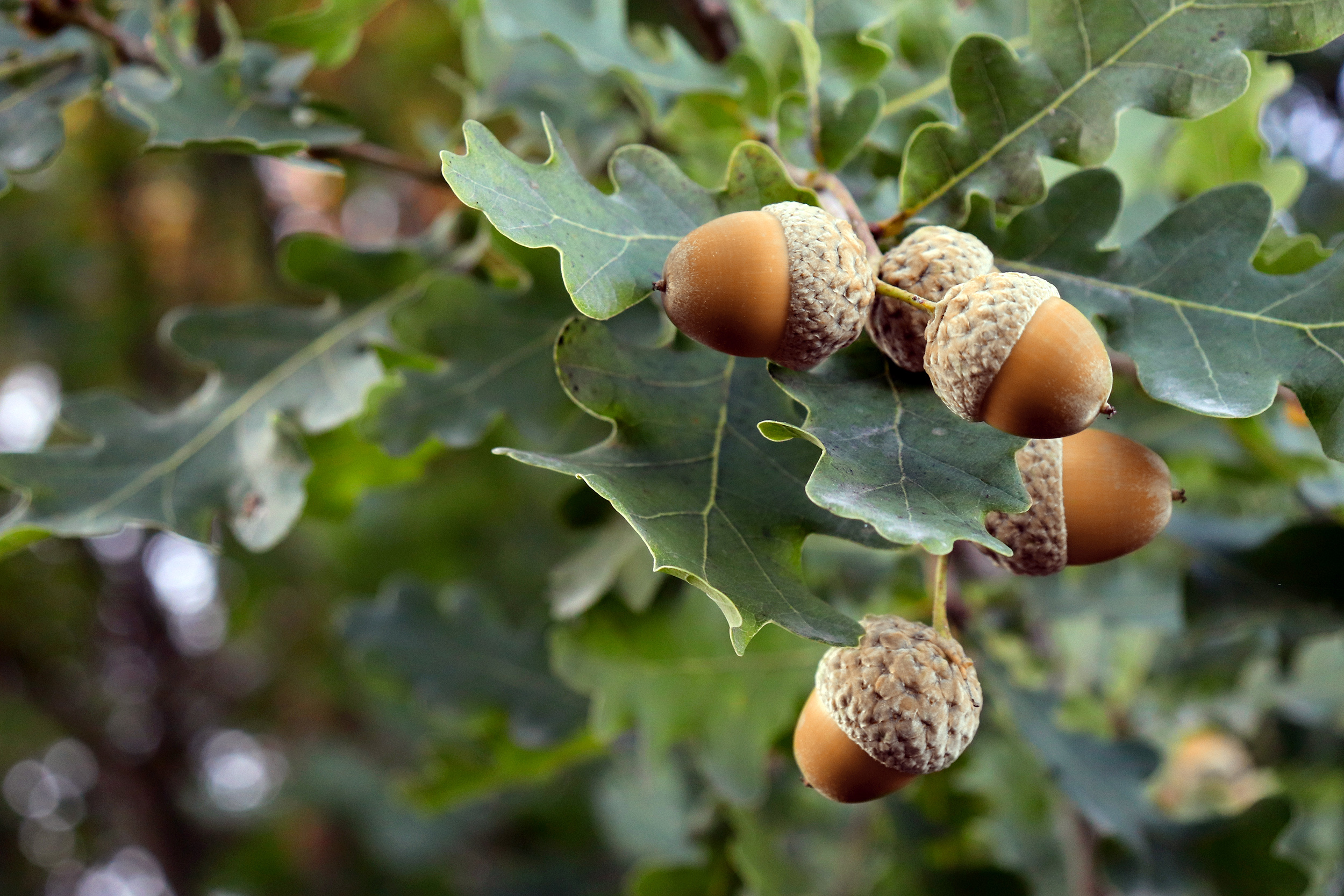
A heavy crop of acorns under an oak tree usually looks more like a sign of fall than a livestock problem. For most cattle in most years, that is all it is. Trouble starts when acorns stop being an occasional bite and become a meaningful part of the diet.
Oak leaves, buds and acorns contain tannins that can damage the digestive tract and kidneys when cattle eat enough of them. Green acorns are generally considered more toxic than mature brown ones, but either can cause problems if cattle eat too many.
The risk climbs when forage is short and cattle go looking for something else to eat. Drought, overgrazed pastures or simply a heavy acorn crop can set up that situation.
Cattle aren’t equally interested in acorns. A few animals in a herd may eat far more than the rest, which helps explain why cases can appear scattered.
Early signs can be vague. Affected cattle may go off feed, look depressed or become constipated. As the damage progresses, you may see dark or bloody manure, abdominal pain, frequent urination followed by reduced urine output, dehydration and weakness. Kidney failure is the most serious concern.
You can’t remove every acorn from a wooded pasture, so prevention comes down to keeping cattle from relying on them. Adequate forage and supplementation take away the incentive to eat large amounts.
You can also fence cattle away from heavily producing oaks for a while, especially when pasture conditions are poor. If several animals seem to be seeking out acorns, take a close look at the rest of the ration instead of assuming they will quit on their own.
If you suspect oak poisoning, call a veterinarian early. Treatment is supportive and does much more good before severe kidney damage sets in. Moving unaffected cattle away from the source and providing good-quality feed and water may prevent more cases.
Acorns are an important fall food for deer, squirrels and other wildlife, and a few acorns generally don’t spell disaster for cattle. The concern is quantity. A pasture full of oaks becomes a different management problem when grass is short, cattle are hungry and the ground is covered with something they are willing to eat.
Oak toxicity comes up most often in cattle, but other livestock can be affected, too. And the risk isn’t limited to acorns. Oak buds and young leaves also contain tannins, so spring can occasionally bring problems as well. In fall, though, the obvious temptation is lying on the ground where cattle can eat it quickly.
Watch where your cattle spend their time. If cows that normally graze open grass start camping under oaks and hunting acorns, that behavior tells you something.
Walk the pasture, estimate how much usable forage is left and check whether a few dominant animals are eating more than the rest. Hay or supplemental feed may help, but place it where all the cattle can reach it rather than assuming one feeder will solve the problem.
Oak poisoning can look like other illnesses, and no one can diagnose kidney damage from pasture observation alone. A veterinarian may use history, clinical signs and lab work to separate it from dehydration, digestive disease or other toxicities. That is another reason to mention a heavy acorn crop when you call. A detail that seems like an ordinary part of fall can be an important part of the history.
Your pasture plan doesn’t have to be complicated. If one wooded trap has a much heavier acorn crop than the rest, use another pasture while you still have the choice.
If you can’t move the herd, make sure hay and supplement are adequate before the animals get hungry enough to seek out acorns aggressively. Salt or mineral by itself won’t make up for a shortage of forage.
The problem usually fades as cattle eat through the crop or the acorns weather or get covered. Don’t return cattle that have already shown signs as soon as they look better, though. Kidney injury can be serious. Follow your veterinarian’s recommendations and reassess the pasture before turning recovered animals back out.

By Jared Groce
Late summer has been brutal on our livestock, our grass and the rural land market in North Texas. We currently have an astounding 42 months of inventory on hand in our report area, and the only properties selling are the ones priced right. Overpriced properties aren’t even getting looked at, much less receiving offers, so pricing your property correctly matters more than ever right now.
Many sellers are still picturing the daily price increases we saw in 2020 to 2023, but those days are behind us, and agents need to be more realistic with listing prices to get any activity for their clients. Hopefully the rains will come soon and bring more land buyers with them this fall, but right now it is still very much a buyer’s market. No one knows how long this dry spell will last, but it will likely take a flood to end it. The same is true of the weather!
They say the best time to plant a tree, or buy land, was 20 years ago, and the second-best time is today.
| County | Area | Acres | $/Acre | List Price | Sold Price | Sale/List | DOM |
|---|---|---|---|---|---|---|---|
| Clay | Henrietta | 120.07 | $5,150 | $714,000 | $618,309 | 86.60% | 434 |
| Clay | Bellevue | 159.44 | $6,184 | $981,000 | $985,959 | 100.50% | 48 |
| Clay | Henrietta | 293 | $4,982 | $1,538,250 | $1,459,600 | 94.90% | 212 |
| Clay | Average | 190.84 | $5,438 | $1,077,750 | $1,021,289 | 94.00% | 231 |
| Collin | Anna | 11.08 | $84,356 | $1,200,000 | $935,000 | 77.90% | 634 |
| Collin | Average | 11.08 | $84,356 | $1,200,000 | $935,000 | 77.90% | 634 |
| Cooke | Muenster | 11 | $18,000 | $209,000 | $198,000 | 94.70% | 250 |
| Cooke | Gainesville | 19.3 | $16,580 | $345,000 | $320,000 | 92.80% | 541 |
| Cooke | Valley View | 96.23 | $15,500 | $1,679,215 | $1,491,565 | 88.80% | 194 |
| Cooke | Average | 42.18 | $16,693 | $744,405 | $669,855 | 92.10% | 328 |
| Denton | Sanger | 16.46 | $39,422 | $649,000 | $649,000 | 100.00% | 47 |
| Denton | Cross Roads | 10.35 | $97,575 | $1,200,000 | $1,010,000 | 84.20% | 40 |
| Denton | Sanger | 300 | $14,000 | $4,999,999 | $4,200,000 | 84.00% | 1,327 |
| Denton | Aubrey | 74.09 | $57,684 | $4,815,525 | $4,273,550 | 88.70% | 302 |
| Denton | Average | 100.22 | $52,170 | $2,916,131 | $2,533,138 | 89.20% | 429 |
| Grayson | Collinsville | 11.61 | $46,516 | $600,000 | $540,000 | 90.00% | 280 |
| Grayson | Van Alstyne | 18.8 | $58,511 | $1,175,000 | $1,100,000 | 93.60% | 280 |
| Grayson | Whitesboro | 30 | $37,984 | $1,170,000 | $1,139,506 | 97.40% | 277 |
| Grayson | Average | 20.14 | $47,670 | $981,667 | $926,502 | 93.70% | 237 |
| Jack | No sales reported | — | — | — | — | — | — |
| Montague | Montague | 485 | N/A | $5,566,000 | N/A | N/A | 333 |
| Montague | Bowie | 26 | $12,244 | $323,500 | $318,352 | 98.40% | 743 |
| Montague | Montague | 37.3 | $10,327 | $428,950 | $385,195 | 89.80% | 1 |
| Montague | Saint Jo | 1,185 | $7,764 | $10,000,000 | $9,199,829 | 92.00% | 19 |
| Montague | Average | 433.33 | $10,112 | $4,079,613 | $3,301,125 | 93.40% | 274 |
| Wise | Sunset | 12 | $19,027 | $234,000 | $228,320 | 97.60% | 16 |
| Wise | Sunset | 12 | $19,027 | $234,000 | $228,320 | 97.60% | 14 |
| Wise | Chico | 11.44 | $24,476 | $299,000 | $280,000 | 93.60% | 24 |
| Wise | Chico | 10.25 | $29,265 | $315,000 | $300,000 | 95.20% | 12 |
| Wise | Average | 11.42 | $22,949 | $270,000 | $259,160 | 96.00% | 17 |
DOM = days on market




-
 Country Lifestyles4 years ago
Scott & Stacey Schumacher: A Growth Mindset
-
 Country Lifestyles10 years ago
Style Your Profile – What your style cowboy hat says about you and new trends in 2017
-
 Horsefeathers13 years ago
Mount Scott: Country Humor with David Gregory
-
 Outdoor11 years ago
Buttercup or Primrose?
-
 Country Lifestyles10 years ago
June 2016 Profile – The man behind the mic: Bob Tallman
-
 HOME10 years ago
Grazing North Texas – Wilman Lovegrass
-
 Country Lifestyles10 years ago
December 2016 Profile, Rusty Riddle – The Riddle Way
-
 The Natural Horseman9 years ago
This is why we do what we do — RayeAnn and Cisco