
Country Lifestyles
National Snaffle Bit Association to Relocate Headquarters to Weatherford, TX

A new home in the heart of horse country brings NSBA closer to members and the strong Texas equestrian community
GURNEE, ILLINOIS – On July 8, 2022, the National Snaffle Bit Association announced it will relocate its headquarters from Gurnee, Illinois to Weatherford, Texas this fall.
Given the National Snaffle Bit Association’s own pioneering spirit, it may be no surprise that the association chose Weatherford, Texas for NSBA’s permanent home.
Founded in 1983, NSBA began with the goal to promote kinder methods for training and stage Western Pleasure events. Since then, its focus has expanded to promoting the show horse at every level and across all disciplines. At each step, the welfare of the horse and providing opportunities for riders of all abilities has remained the primary focus.
NSBA’s new location in Texas is a natural fit for the association. Located in the heart of horse country, Weatherford has a historic feel that makes it attractive to history buffs and equestrian enthusiasts. NSBA’s visitors will enjoy the downtown area, which is full of antique, boutique and specialty stores.
Many of NSBA’s staff members will be relocating to Texas during the move, said Stephanie Lynn, NSBA executive director. “We are a small but mighty team and I’m confident that the transition will be seamless with the staff in place,” she shared.
“NSBA is so excited to make our new home in Weatherford,” Lynn added. “Not only is it the location we need to be to grow, it provides the space we need. In addition to having greater access to the area’s rich horse community, as we grow, our Weatherford headquarters will allow us to attract world-class team members who want to be located in one of the horse capitals in the United States. We’re thrilled to be surrounded by such a large equestrian community.”
To learn more about NSBA, visit its website.
ABOUT THE NSBA
Established in 1983, the National Snaffle Bit Association has expanded from its roots in the Western Pleasure discipline to recognize various disciplines and eight breed associations in competition. NSBA’s mission is to grow the show horse community through various equine programs and events where every activity benefits horses, breeders, owners and exhibitors alike.
The National Snaffle Bit Association has more than 20,000 active members and more than 44,000 registered horses across its eight alliance breed organizations. In 2021, NSBA members earned more than $13.6 million in monetary awards at NSBA-sanctioned horse shows. The association sanctioned nearly 600 horse show events and close to 200,000 horse show entries last year.
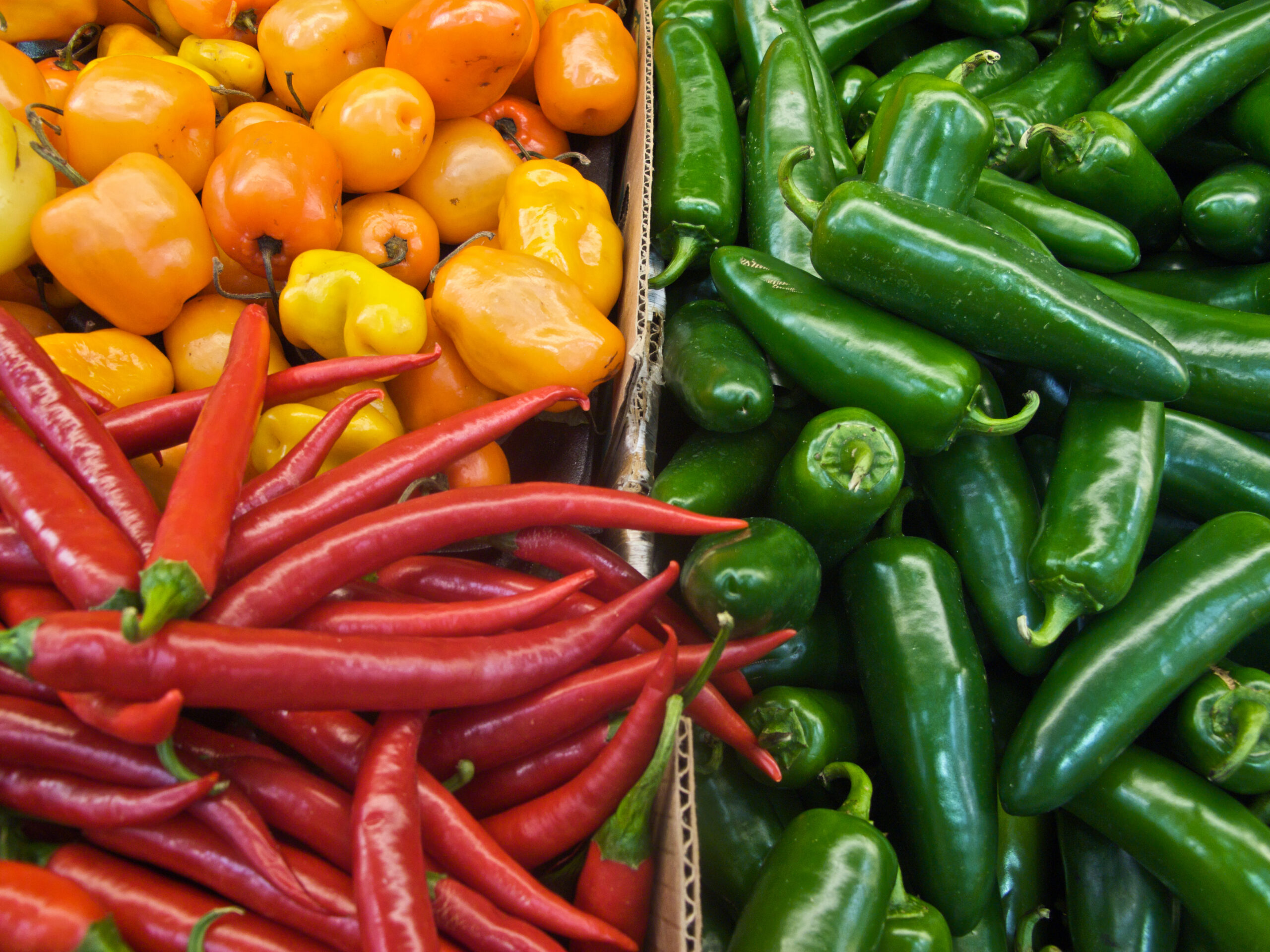
Most of us have been there. You take a bite of something that looks harmless enough, and within seconds, your mouth is on fire. Your eyes water, your nose runs, and suddenly you’re questioning every decision that led you to that moment. Whether it’s a jalapeño that packed more punch than expected or a sauce someone swore “wasn’t that bad,” peppers have a way of keeping people humble.
There is, however, a way to measure that heat before you ever take a bite. It’s called the Scoville scale, and it’s the standard used to rank just how hot a pepper can be. The measurement is expressed in Scoville Heat Units, or SHU. The higher the number, the more heat you can expect. A bell pepper sits at zero, meaning no heat at all. Jalapeños usually land somewhere between 2,500 and 8,000 SHU, while the upper end of the scale climbs into the millions.
The system dates back to 1912, when pharmacist Wilbur Scoville developed a method to test pepper heat. His approach was simple, if not a little impractical by today’s standards. Pepper extract was diluted with sugar water until a panel of tasters could no longer detect the burn. The more dilution required, the hotter the pepper. It worked, but it depended heavily on human perception, which is far from consistent.
Today, the process is far more precise. Instead of relying on taste, scientists measure the concentration of compounds called capsaicinoids using laboratory equipment. Those numbers are then converted into Scoville Heat Units. It takes the guesswork out of the equation and gives growers, processors, and consumers a reliable way to compare peppers.
Capsaicinoids are the group of compounds responsible for heat, with capsaicin being the main contributor. Contrary to what a lot of people believe, the seeds are not where the heat lives. Most of it is concentrated in the white inner ribs of the pepper. The seeds can seem hot because they come into contact with those oils, but removing the inner ribs is the most effective way to dial the heat back while keeping the flavor.
That burning sensation you feel isn’t actually heat in the traditional sense. Capsaicin interacts with receptors in your mouth that are designed to detect pain and temperature. Your brain reads that signal as burning, even though there’s no physical damage being done at typical levels. Depending on how much you’ve had, that sensation can linger anywhere from a few minutes to well over half an hour.
One thing worth keeping in mind is that not all peppers are created equal, even within the same variety. Growing conditions, soil, weather, and maturity all play a role in how much capsaicin a pepper develops. Two jalapeños from different fields, or even different plants in the same field, can vary more than you might expect.
At the far end of the scale are peppers that push the limits of what most people would consider edible. Varieties like the Carolina Reaper have recorded levels exceeding 2 million SHU. That’s well beyond the point of casual consumption and into territory where even a small amount can be overwhelming. While some people seek that level of heat for the challenge, it’s not something to take lightly.
For everyday use, the Scoville scale is less about chasing extremes and more about making informed choices. If you know your comfort level, you can select peppers that add flavor without overpowering a dish. It also helps explain why a recipe that calls for “one pepper” can turn out very differently depending on what you pick up at the store or out of the garden.
In the end, that moment when your mouth feels like it’s on fire isn’t as mysterious as it seems. There’s a system behind it, and a little understanding of the Scoville scale can go a long way in keeping your next bite from turning into a regret.
By Annette Bridges
I was watching a television interview with a Texas rancher when he said something that made me stop what I was doing. I paused the program, rewound it, and listened again. “It’s great to enjoy the world at 1.4 miles per hour.” As soon as I heard those words, I knew they were speaking to me. They gave simple, well-chosen language to something I already understood—feelings I had carried and conclusions I had reached after forty-five years of living on our cattle ranch.
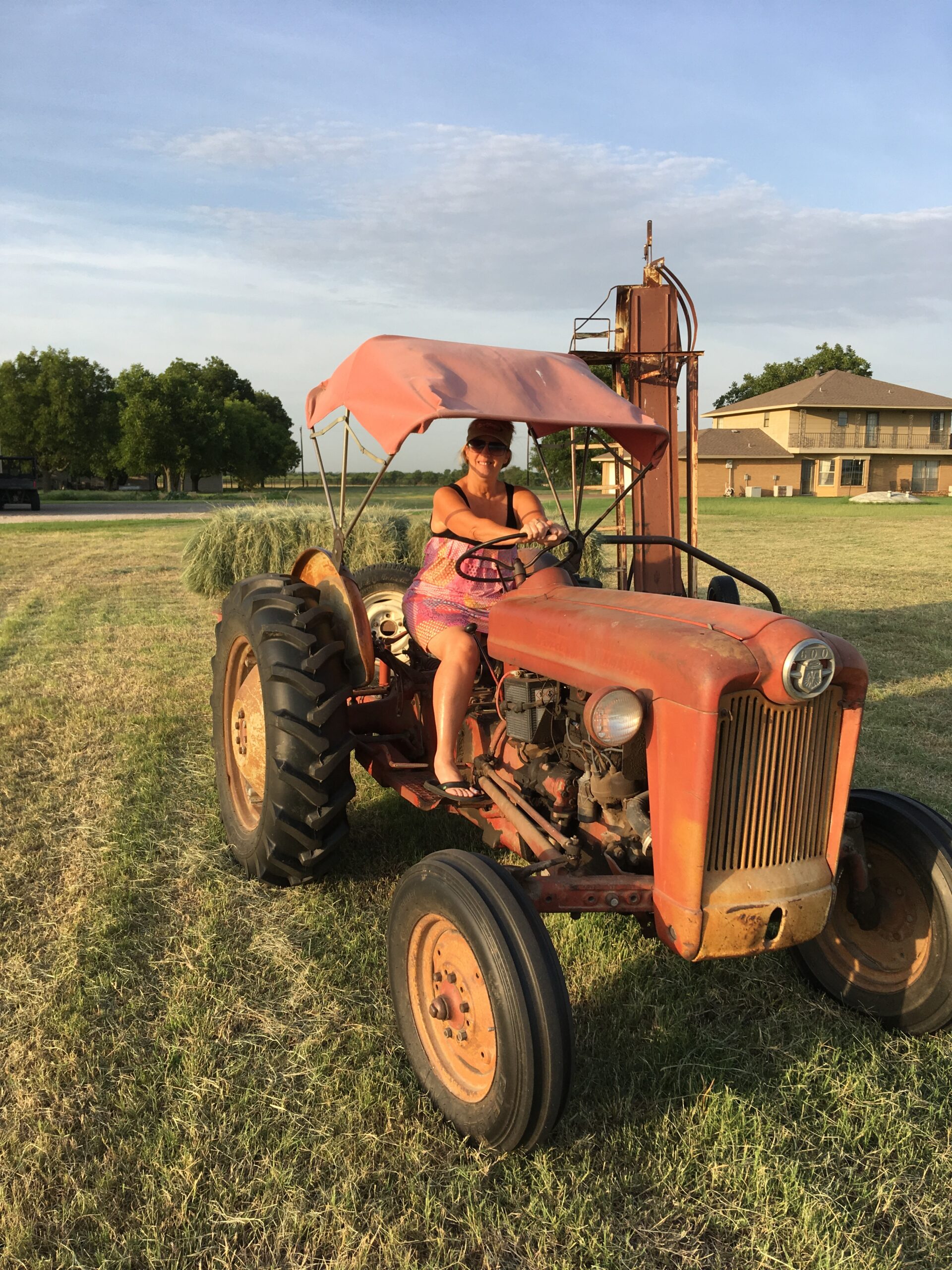
He was sitting on his tractor when he said it, smiling a little, making reference to the slow, steady speed of a machine built for work, not hurry. And maybe that’s why it settled so deeply into my heart—because I know that speed well.
One of my greatest joys of life on our cattle ranch has been driving my beloved red tractor while picking up square bales. There’s no rushing involved. The tractor putters along slowly, steadily, just fast enough to move forward but slow enough that nothing feels missed. I can ease ahead, line up the bale loader, make small adjustments, and never feel pressed for time.
At 1.4 miles per hour, the world opens up.
I glance toward the pasture and see calves playing chase, kicking up dust like they’ve discovered joy for the first time. I spot a calf nursing its mama, that quiet, instinctive moment that somehow feels sacred every single time. Sometimes it’s two “bestie” mamas grazing side by side, comfortable in each other’s company, reminding me that companionship doesn’t always require words.
From the tractor seat, I notice things I would never see if I were moving faster. The sun beginning its slow descent, casting a golden glow across the field. Birds perched on square bales, patiently waiting their turn to be picked up. The sound of geese or ducks flying overhead, announcing their presence long before I see them cross the sky.
There isn’t much I miss at that speed.
When I first came to living on the ranch after getting married, I didn’t immediately appreciate the slower pace. In fact, I often felt impatient with it. Chores felt like something to get through, not something to linger in. I was usually in a hurry to finish the task at hand so I could move on to what I thought was the fun part of the day. The slowness felt like an obstacle, not a gift. It would take many years—many seasons—before I began to realize what that pace was quietly offering me all along.
The tractor doesn’t allow hurry. It insists on patience. It teaches you to work with the land instead of racing across it. And somewhere between bale after bale, I learned that slowing down isn’t about doing less—it’s about seeing more.
At 1.4 miles per hour, your senses wake up. Your thoughts quiet down. You stop multitasking and start noticing. Joy doesn’t rush in loudly; it shows up gently, in scenes that might look ordinary to someone moving too fast to care.
I think that’s why that rancher’s words stayed with me. They captured something I’ve been learning all along—that there’s a richness to life that only reveals itself at a slower pace. A pace where your eyes are open, your heart is present, and your mind isn’t already racing ahead to the next task.
In a world that celebrates speed and hustle, choosing to putter along can feel almost countercultural. But from my seat on my beloved red tractor, moving at 1.4 miles per hour, it feels like a gift.
Because there is so much more to see when you slow down enough to notice.
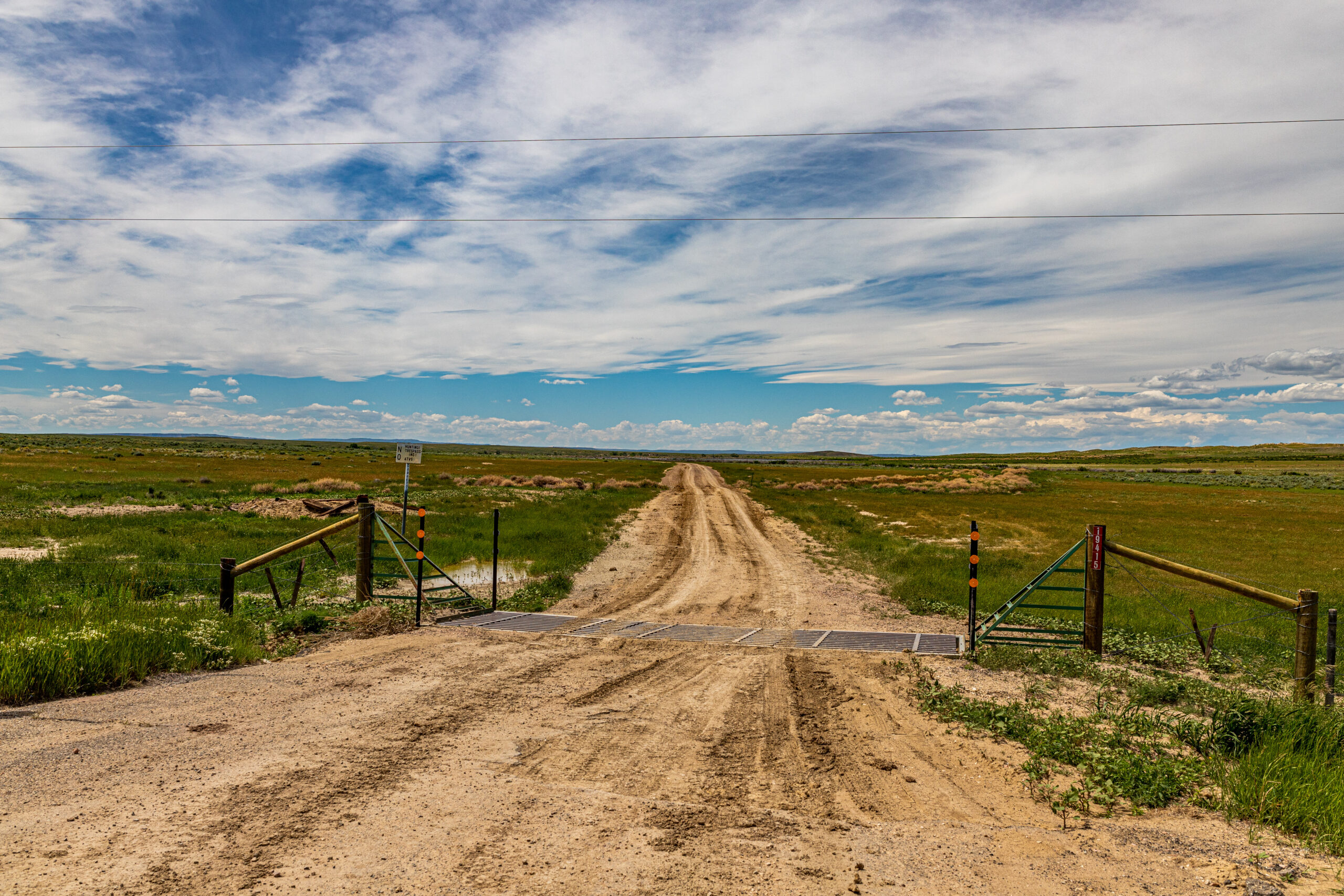
On most ranches, a cattle guard is something you drive over without thinking about it. It sits across a road or at a pasture entrance, doing its job without needing attention. No gate to open, no chain to fasten, no reason to stop. It’s simple, and that’s exactly why it stuck.
Before cattle guards, gates were the only way to control livestock. That worked when travel was slower and less frequent, but as trucks and equipment became part of everyday ranch work, gates became a problem. Every one meant stopping, getting out, opening it, driving through, and closing it again. Over the course of a day, that added up. More importantly, a gate left open could cause trouble fast. Cattle didn’t need much opportunity to end up where they weren’t supposed to be.
The cattle guard solved both issues at once.
The idea is straightforward. A series of parallel bars is set over a shallow pit. Vehicles pass over it easily, but livestock usually won’t. The spacing between the bars makes footing uncertain, and cattle tend to avoid stepping onto it. It doesn’t rely on force. It relies on behavior.
Early cattle guards were built from wood, using poles or timbers laid across a trench. They worked, but they didn’t last. As steel became more available, the design improved. Metal rails held up better under traffic, required less maintenance, and provided more consistent spacing. Over time, that became the standard.
By the early 1900s, cattle guards were becoming more common as rural roads expanded and vehicle use increased. In places like Texas and Oklahoma, where roads often cut through grazing land, they offered a practical way to keep cattle contained without slowing down movement. Fewer gates meant less labor and fewer chances for mistakes.
Modern cattle guards follow the same basic design, with adjustments for durability and use. Heavier versions are built to handle highway traffic and loaded trucks, while lighter ones are used on private roads. Proper installation matters. If the pit is too shallow or the spacing is off, cattle may be more willing to cross. If dirt or debris fills in the gaps, the guard loses effectiveness.
They’re not perfect. Young or pressured animals will sometimes try to cross, and poorly maintained guards can fail. But when built and maintained correctly, they remain one of the most efficient tools for managing livestock around roads.
What makes the cattle guard stand out is its simplicity. It doesn’t require daily effort, and it doesn’t depend on someone remembering to use it. It solves a specific problem in a way that fits how ranches actually operate.
It’s easy to overlook because it works the way it’s supposed to. But across ranch country, it’s one of the reasons things move a little smoother every day.




-
 Country Lifestyles4 years ago
Scott & Stacey Schumacher: A Growth Mindset
-
 Country Lifestyles10 years ago
Style Your Profile – What your style cowboy hat says about you and new trends in 2017
-
 Horsefeathers12 years ago
Mount Scott: Country Humor with David Gregory
-
 Country Lifestyles10 years ago
June 2016 Profile – The man behind the mic: Bob Tallman
-
 Outdoor11 years ago
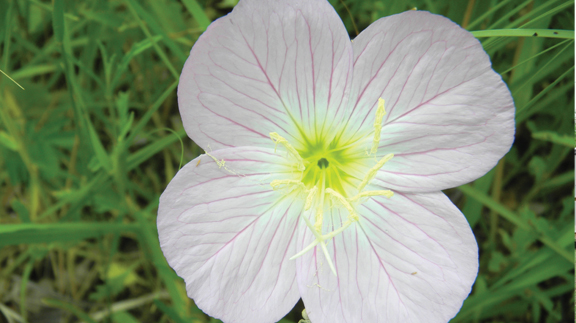
Buttercup or Primrose?
-
 Country Lifestyles10 years ago
December 2016 Profile, Rusty Riddle – The Riddle Way
-
 HOME9 years ago
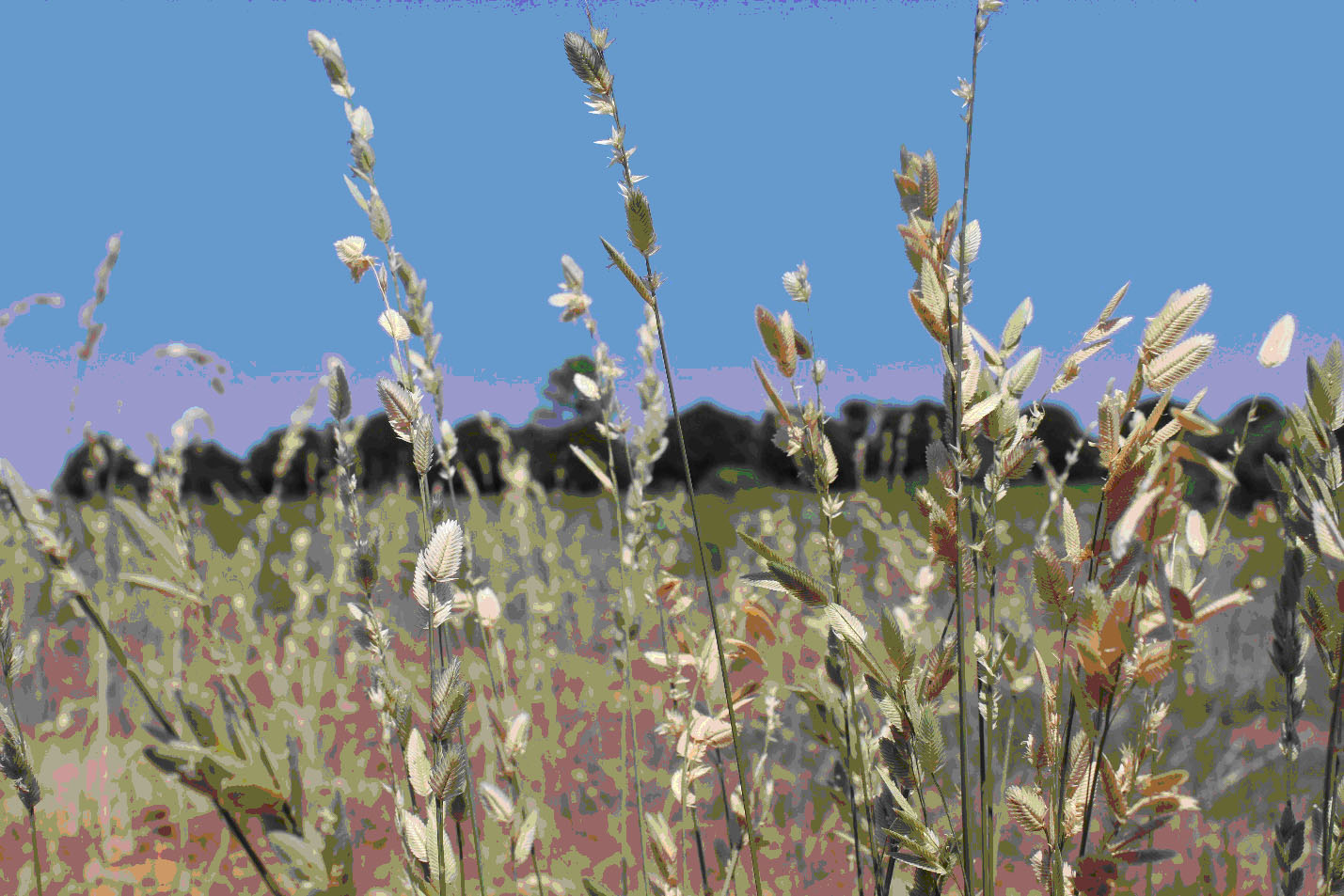
Grazing North Texas – Wilman Lovegrass
-
 The Natural Horseman9 years ago
This is why we do what we do — RayeAnn and Cisco