
Outdoor
Helping Turtles Cross the Road

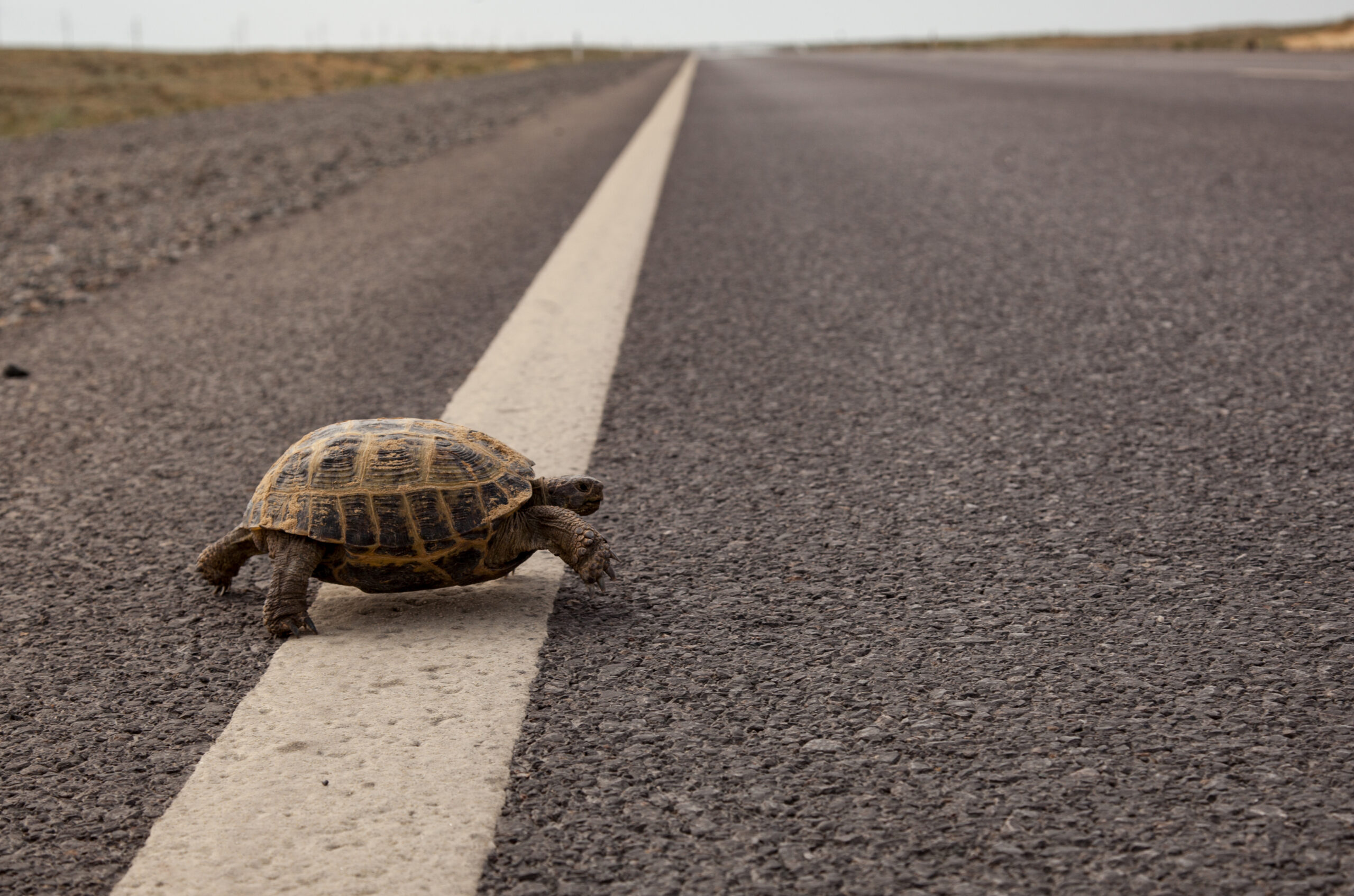
In North Texas, we are used to watching for plenty of things on the road. Deer at dusk, cattle out after a storm, slow-moving tractors, potholes, washouts and the occasional armadillo that made a poor decision.
But this time of year, there is another traveler worth watching for: turtles.
After spring rains, during nesting season or when ponds, creeks and low-water areas begin to change, turtles may be on the move. They cross county roads, highways, driveways and pasture lanes for several reasons. Some are looking for nesting sites. Some are moving between water sources. Others may simply be following the same route they have used for years, long before the road was ever there.
For drivers, a turtle in the road may seem like a small thing. For the turtle, that crossing can be dangerous. Turtles are not built for speed, and even a quiet farm-to-market road can become a problem when traffic picks up.
Many of the turtles North Texans see are aquatic species, such as red-eared sliders, which are common across Texas. These are the turtles often seen lined up on logs or rocks near ponds and creeks, sliding into the water when approached. Other turtles, including box turtles, may be seen farther from water, especially after rain or during warm, active months.
When you see a turtle in the road, the first rule is simple: do not put yourself or anyone else in danger. If traffic is heavy, visibility is poor or there is no safe place to pull over, it is better to slow down and go around if you can. A good intention is not worth causing a wreck.
If it is safe to stop, pull completely off the road, turn on your hazard lights and watch for traffic before getting out. The safest approach is usually to move the turtle to the side of the road it was already heading toward. That part matters. If you turn it around or move it somewhere else entirely, the turtle may try to cross again.
Small turtles can usually be picked up gently by holding both sides of the shell. Keep your fingers away from the head and front legs, and carry the turtle low to the ground in case it kicks or startles you. Set it down a safe distance from the road, facing the same direction it was traveling.
Snapping turtles are a different matter. North Texas is home to common snapping turtles, and Texas also has alligator snapping turtles in parts of the state. These turtles have powerful jaws and long necks, and they should be handled with respect. Never pick up any turtle by the tail. It can injure the animal, and with a snapping turtle, it can put you in a bad position quickly.
If you are dealing with a large snapping turtle and do not feel comfortable helping it, the best choice may be to let it continue on its own while you stay safely away. If you can safely assist without handling it directly, you may be able to guide it across with a shovel, board or floor mat, but only if traffic conditions allow.
What you should not do is take the turtle home. A turtle in the road is not lost in the way we might think. It is likely trying to get somewhere specific. Relocating it to your pond, your yard or a “better” place miles away can do more harm than good. Turtles have home ranges, and moving them far from where they were found may leave them stressed, disoriented or more likely to die.
It is also worth remembering that wild turtles are not pets. They may look harmless, and some may be tempting for children to keep, but wild turtles belong in the wild. In Texas, there are rules regarding the collection and possession of native wildlife, and some turtle species have special protections. The simplest and best choice is to help them across when safe, then leave them where they belong.
If a turtle is injured, the answer is a little different. A cracked shell, obvious bleeding or a turtle that has been hit by a vehicle may need help from someone trained to handle wildlife. In that case, contact a permitted wildlife rehabilitator, local animal control office or Texas Parks and Wildlife for guidance.
For those of us who spend a lot of time driving North Texas backroads, watching for turtles is just another small way to be aware of the land around us. It does not take much effort to slow down, give one a little room or help it across when conditions are safe.
A turtle crossing the road may not be in a hurry, but it is on its way somewhere. Sometimes the best thing we can do is help it get there.
By Ann Asher
The first time I saved seeds, it felt a little like cheating.
After spending all spring and summer buying plants, watering them, pulling weeds and hoping they survived Oklahoma’s heat, it occurred to me that nature had figured this out long before seed catalogs showed up in my mailbox.
Every tomato, pepper, bean and flower in my garden was trying to make next year’s garden on its own.
Somewhere along the way, I had forgotten that.
Like many gardeners, I had always bought fresh seed packets every spring. Nothing is wrong with that. Seed companies offer incredible varieties bred for everything from disease resistance to better production. But once I began learning about saving seeds, I found something satisfying about planting seeds from vegetables I grew myself.
I also learned that not every seed is created equal.
One of the first lessons was the difference between heirloom and hybrid varieties. People often use the terms interchangeably, but they mean different things.
Heirloom plants are open-pollinated varieties passed from generation to generation, often for 50 years or more. Because they reproduce “true to type,” the seeds you save from a healthy heirloom tomato should produce plants very similar to the parent the following year, as long as they haven’t cross-pollinated with another variety.
Plant breeders create hybrid plants by crossing two carefully selected parent plants to combine desirable traits, such as better disease resistance, higher yields or improved vigor. Those qualities make hybrids wonderful garden plants, but their seeds don’t reliably grow into the same plant the following season. You might get something similar, or you might get a surprise.
Neither type is better than the other. Each serves a different purpose.
As a beginner, I found seed saving much easier than I expected.
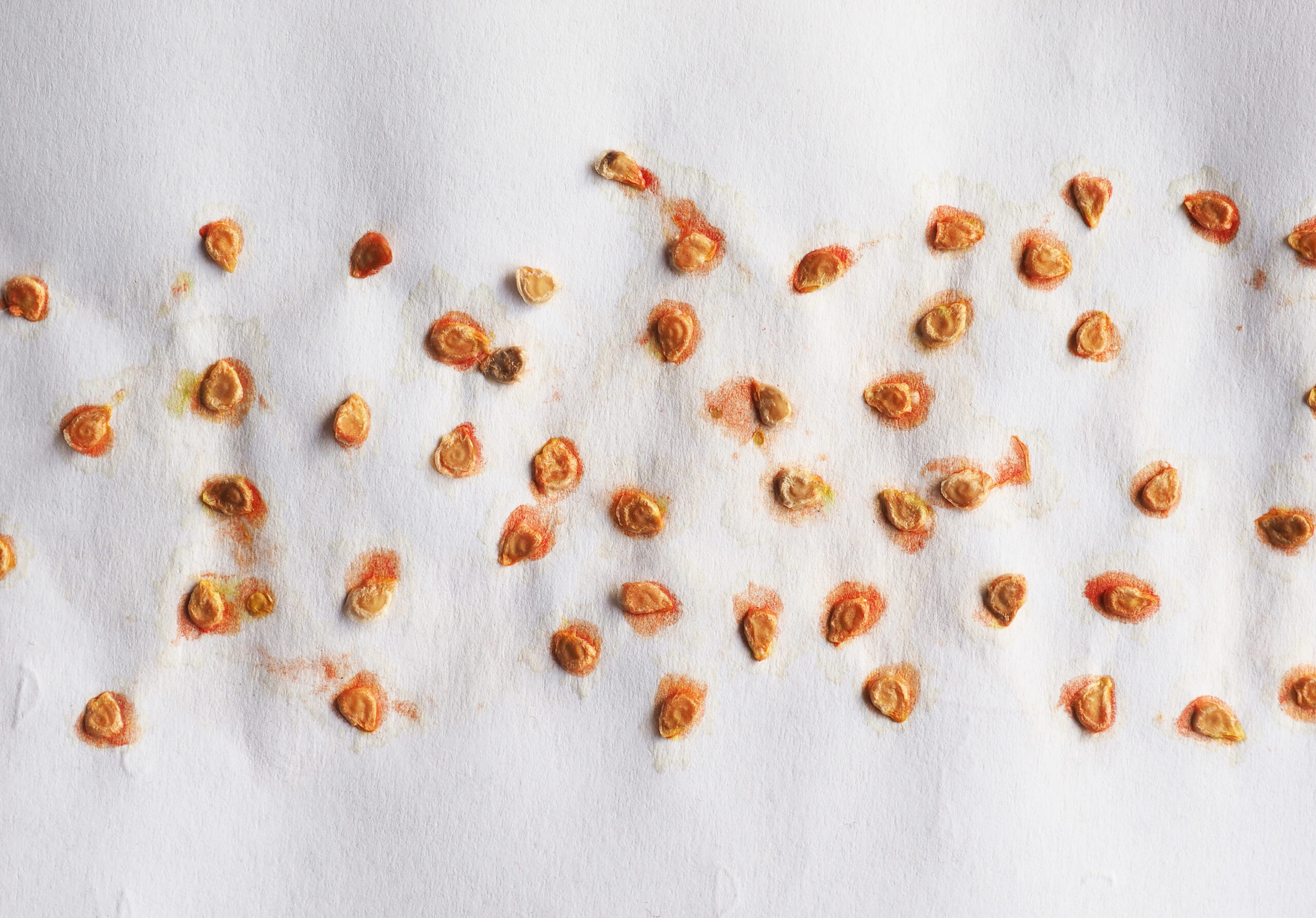
Beans do most of the work for you. Leave a few pods on the vine until they dry completely, shell them, and the seeds are ready to store. Peppers are almost as simple. Once the fruit is fully ripe, remove the seeds, spread them out to dry for several days and store them in a cool, dry place.
Tomatoes sounded intimidating until I tried them. A gelatinous coating surrounds the seeds and keeps them from sprouting inside the fruit. To remove that coating, you usually let the seeds ferment in a little water for a couple of days, then rinse and dry them. It sounds more complicated than it is, and once you’ve done it, you’ll wonder why you waited so long.
Flowers have become one of my favorite places to experiment. Watching seed heads dry on coneflowers, zinnias, marigolds and sunflowers reminds me that every bloom is already preparing for another season. Instead of cutting everything down the moment it finishes flowering, I’ve started paying attention to what comes afterward.
I’ve also learned that patience matters.
Seeds need to be fully mature before you collect them and completely dry before you store them. Otherwise, moisture invites mold and can ruin months of work. A paper envelope labeled with the variety and the year often works better than an airtight plastic bag, especially until the seeds have finished drying.
The biggest surprise has been how seed saving changed the way I look at gardening.
I used to see the end of the growing season as the finish line. Now I see it as the start of the next one. Every healthy plant is a potential source for next year’s garden, and even the vegetables I once hurried to pull out have one last job to do.
Will I still order seeds every winter? Absolutely.
There are too many interesting varieties to stop exploring, and I’ll probably always have room in the garden for something new. But I’ll also be opening a small box of envelopes from this year’s harvest, each one a reminder that a garden can last longer than a single season.
Sometimes, if we let it, the garden grows itself right into the next year. I have to admit, that’s pretty rewarding.
By Ann Asher
Every spring, garden centers fill with shoppers loading young trees onto trailers and into pickup trucks. It makes sense. The weather is warming, everything is turning green and planting season feels like it has arrived.
But ask an arborist or Extension horticulturist when they would rather plant a tree, and you’ll probably hear a different answer: fall.
It may seem backward at first, but in North Texas and central Oklahoma, experts widely consider the months between late September and early winter the best time of year to plant most trees. The leaves may be getting ready for winter, but the roots keep growing below the surface long after top growth has slowed. That lets a young tree establish itself before the next hot summer arrives.
That’s a tremendous advantage in a region where summer temperatures routinely climb into the 90s and beyond.
A newly planted tree has one job: grow roots. A tree planted in spring has only a short window before it must also support a flush of new leaves while enduring months of heat, drying winds and occasional drought. That combination can put significant stress on a young tree before its roots have had time to spread into the surrounding soil.
A fall-planted tree has a much easier assignment.
As air temperatures cool, the soil often stays warm for weeks. Those conditions encourage continued root growth without asking the tree to produce new leaves or long shoots. Instead of splitting its energy between growth above and below ground, the tree can put most of its effort into building a healthy root system. By spring, it has settled into its new home and is better prepared for warm weather. Research and recommendations from both Oklahoma State University Extension and Texas A&M AgriLife Extension support fall as an ideal planting season for many landscape trees in this region.
You still can’t dig a hole and walk away.
Choosing the right location is just as important as choosing the right tree. Consider the mature height and spread, not the size of the sapling you’re bringing home. A small oak, pecan or cedar elm may fit comfortably today, but in a few decades it could tower over a house or tangle with utility lines if you plant it without a plan. Likewise, trees that prefer moist soils may struggle in dry, exposed spots, while drought-tolerant native species often need far less maintenance once established.
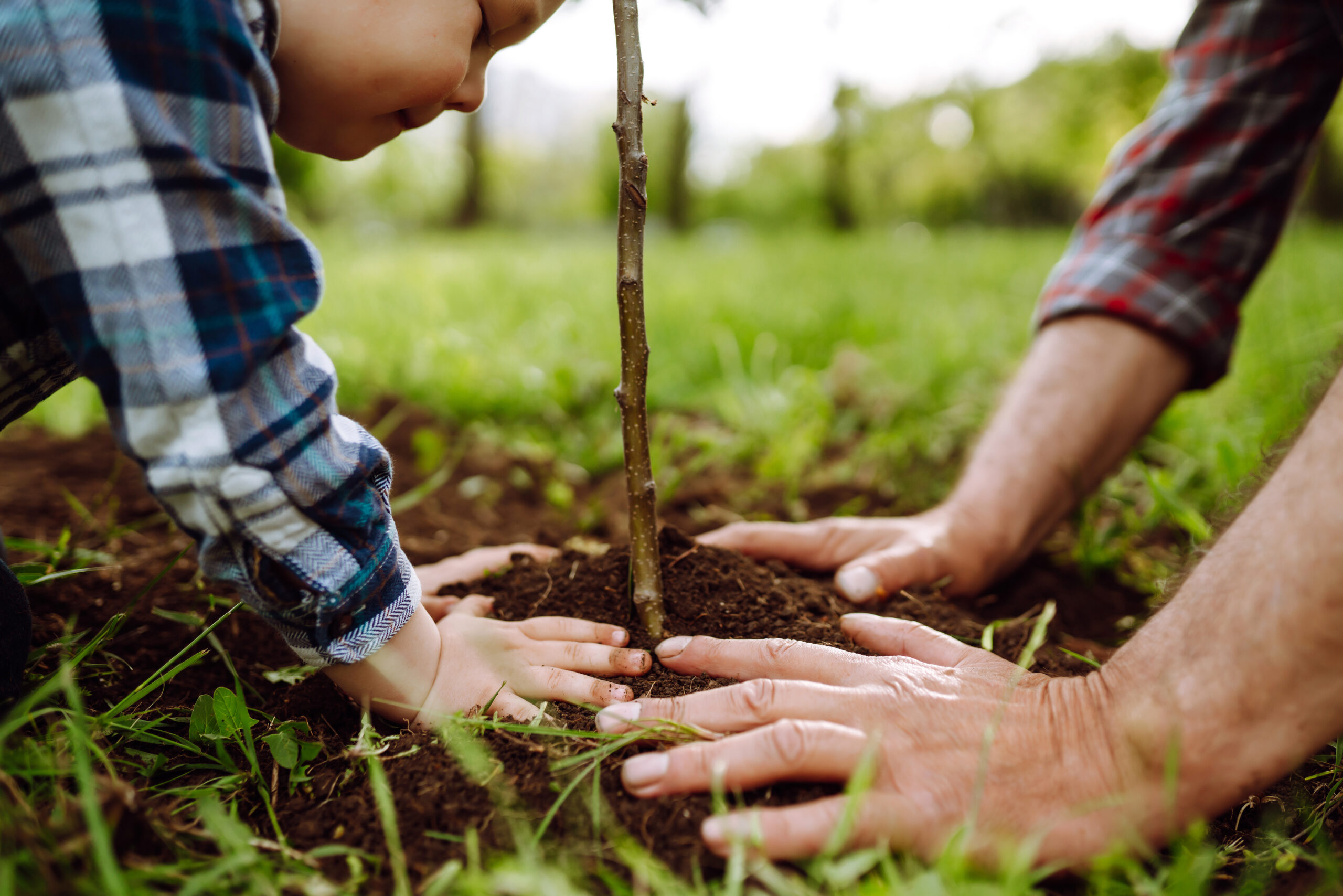
When it’s time to plant, dig a hole two to three times wider than the root ball, but no deeper.
One of the most common mistakes homeowners make is planting too deep. The point where the trunk begins to flare into the roots should sit at or just above the finished soil level. Burying that flare can lead to poor growth and long-term health problems.
Backfill with the native soil that came out of the hole instead of rich potting soil or heavy amendments. It may seem like a kindness, but surrounding the roots with very different soil can discourage them from growing outward into the ground where they’ll ultimately need to survive.
Water thoroughly after planting, then keep watering deeply as needed during dry periods through fall and winter. Even dormant trees need moisture while their roots continue to develop. A layer of mulch two to four inches deep around the base helps conserve soil moisture, regulate temperature and reduce weed competition. Keep the mulch pulled back several inches from the trunk. The familiar “mulch volcano” piled against the bark may look tidy, but it can trap moisture, encourage decay and attract insects.
If you’re unsure what to plant, consider species well adapted to the Southern Plains. Bur oak, chinkapin oak, cedar elm, Shumard oak, bald cypress, Mexican plum, eastern redbud and native pecan are all excellent choices in many parts of North Texas and central Oklahoma, depending on soil conditions and available space. Native trees generally handle local weather extremes better and provide valuable habitat for birds, butterflies and other wildlife.
Planting a tree is one of the few gardening projects that benefits future generations. Long after this year’s tomatoes are forgotten and next season’s flowers have come and gone, that tree will still be growing. It may shade a porch, shelter wildlife, lower summer cooling costs or become the backdrop for family photographs that haven’t been taken yet.
Spring may get most of the attention, but fall gives young trees their best chance to thrive. Give them a strong start now, and they’ll spend the years ahead returning the favor.
By Savannah Magoteaux
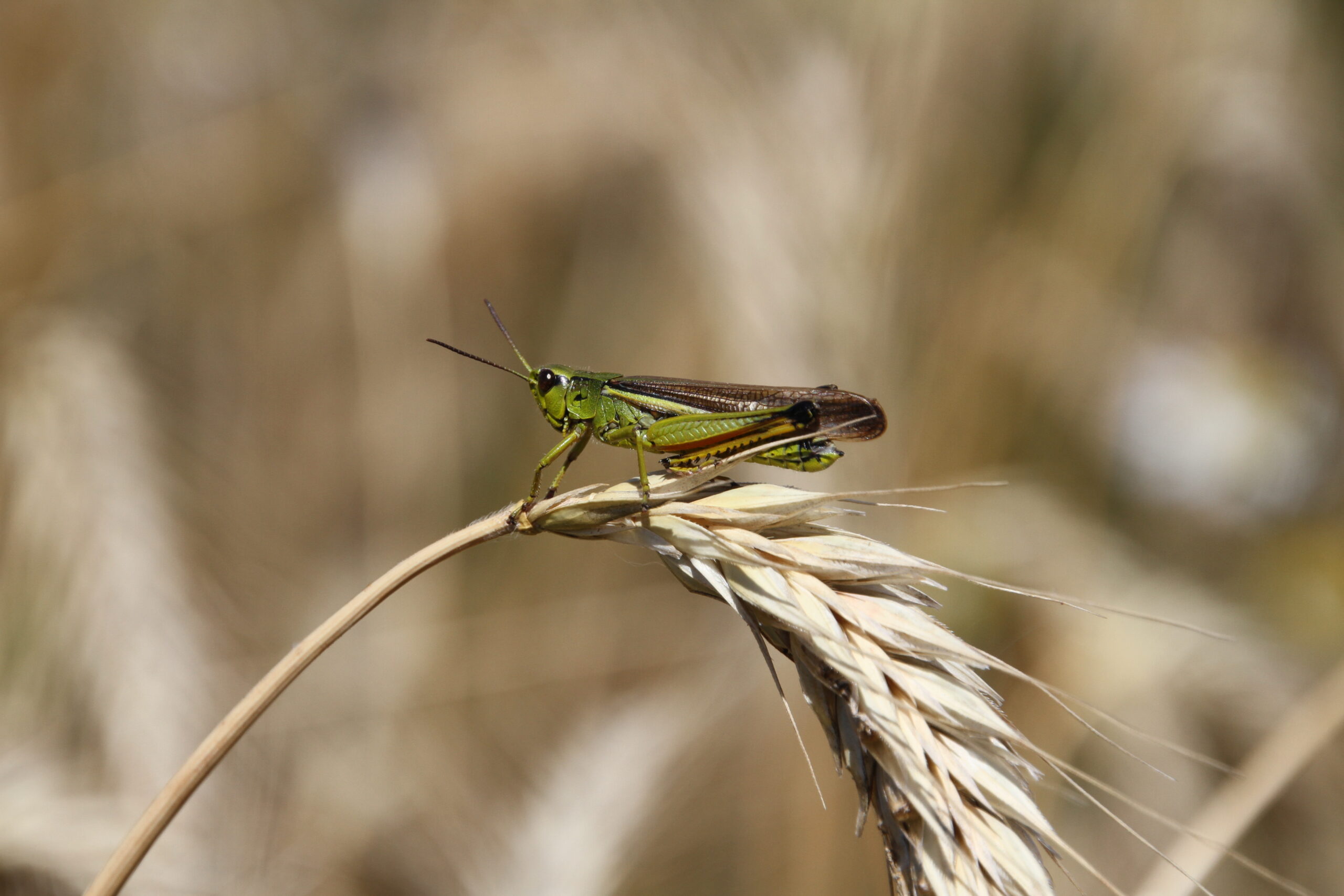
They scatter ahead of the mower, jump from garden rows, cling to fence posts and seem to rise out of the pasture with every step. One or two grasshoppers might still feel like part of summer, and a few more may not seem like much of a problem. But when the ground looks like it is moving, and every tomato plant, flower bed or patch of green grass has bite marks, grasshoppers go from background noise to real irritation.
In Oklahoma, grasshoppers are nothing new. They are part of the late-summer landscape, especially in hot, dry years. They may seem to appear all at once, but their numbers usually build over time.
Grasshoppers lay eggs in the soil, often in undisturbed grassy or weedy areas, and the young begin hatching in spring. As the season goes on, they grow larger, move more and become much easier to notice.
By late summer, many grasshoppers have outgrown the tiny insects tucked away in roadside grass. They are bigger, stronger and able to travel longer distances. That is when homeowners, gardeners and producers often start seeing real damage.
Grasshoppers chew, so their damage is easy to recognize. Leaves may look ragged, stripped or full of holes. In gardens, they may chew on vegetables, flowers and young plants. In pastures and hay fields, heavy numbers add pressure to forage already stressed by heat, drought or grazing. Around barns, yards and field edges, they may seem to be everywhere at once.
Weather plays a major role in how bad grasshoppers get. Warm, dry conditions favor them. Drought can reduce some of the natural diseases that help keep grasshopper numbers in check, and when native grasses and weeds dry down, grasshoppers move toward any green growth they can find. That may be a vegetable garden, irrigated lawn, flower bed, crop edge or low spot in a pasture that still has something tender left to eat.
By the time most people are tired of grasshoppers, the insects are also harder to control. Grasshoppers are much easier to manage while they are small and concentrated in hatching areas. Once they are large enough to fly or move freely across a property, control gets harder and often works less well.
You still have options, but timing matters.
For gardeners, barriers can help protect valuable plants, especially young ones. Row covers or other lightweight covers may reduce feeding damage if you put them in place before grasshoppers move into the plants. Some gardeners also use protective cages or netting around individual plants. These methods are not always pretty, but they can make a difference in a home garden where the goal is to protect a few important rows or plants.
Managing weedy areas may also help, especially earlier in the season. Roadsides, ditch banks, fence rows and unmowed grassy spots can serve as nurseries for young grasshoppers. Keeping those areas under control may relieve some pressure, though it will not stop grasshoppers from moving in from neighboring properties. That is one of the challenges of an insect that can travel.
Insecticides and baits are labeled for grasshopper control, but use them carefully and follow the label. The right product depends on the setting, whether it is a garden, landscape, pasture or crop, and on what else is in the area. Consider pollinators, livestock, pets, water sources and harvest restrictions. When in doubt, start with Extension guidance.
Not every grasshopper problem needs the same response. A few grasshoppers in the yard are annoying. Heavy feeding in a garden may be worth addressing. Large numbers in a pasture or crop may call for a more serious look, especially if forage is already limited.
Birds and some insects feed on grasshoppers, but they rarely wipe out a large outbreak on their own. Chickens may help around a yard or garden, but they can cause their own kind of damage if turned loose in the wrong place. Like most things on the farm or around the house, there is usually a trade-off.
By late summer, grasshoppers may feel like one more thing to deal with. The grass is tired, the garden is tired, the livestock are tired and most people are tired, too. Still, understanding why grasshoppers build up, where they come from and when control works best can make them a little less mysterious.
They may always be part of an Oklahoma August, but they do not have to catch you off guard. Watch the field edges, keep an eye on young plants and take note when small grasshoppers first start to show up.




-

 Country Lifestyles4 years ago
Scott & Stacey Schumacher: A Growth Mindset
-
 Country Lifestyles10 years ago
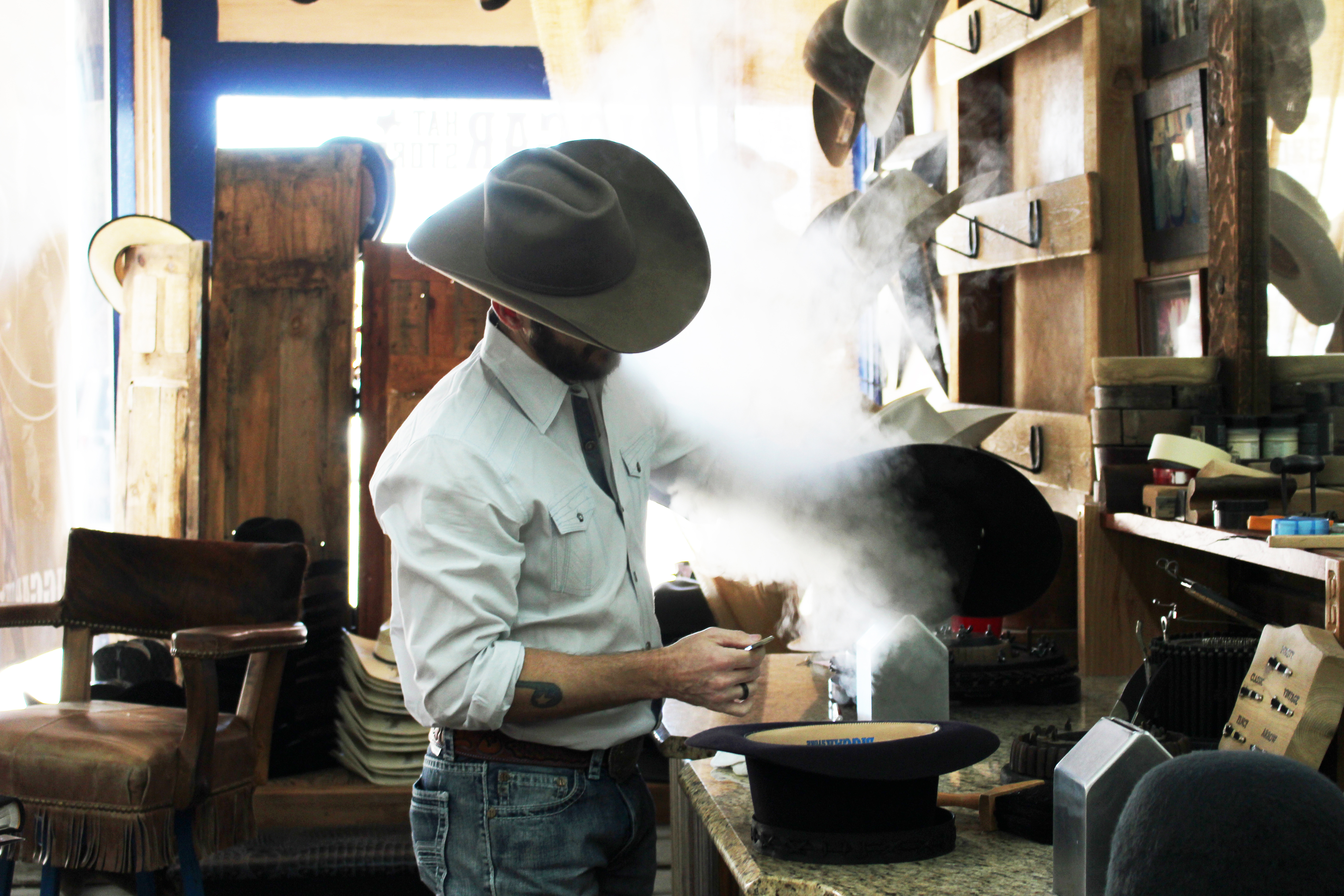
Style Your Profile – What your style cowboy hat says about you and new trends in 2017
-
 Horsefeathers12 years ago
Mount Scott: Country Humor with David Gregory
-
 Country Lifestyles10 years ago
June 2016 Profile – The man behind the mic: Bob Tallman
-
 Outdoor11 years ago
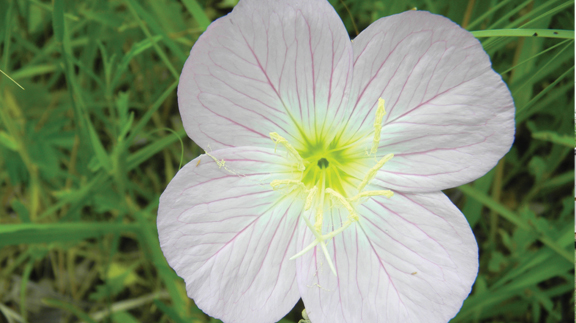
Buttercup or Primrose?
-
 Country Lifestyles10 years ago
December 2016 Profile, Rusty Riddle – The Riddle Way
-
 HOME10 years ago
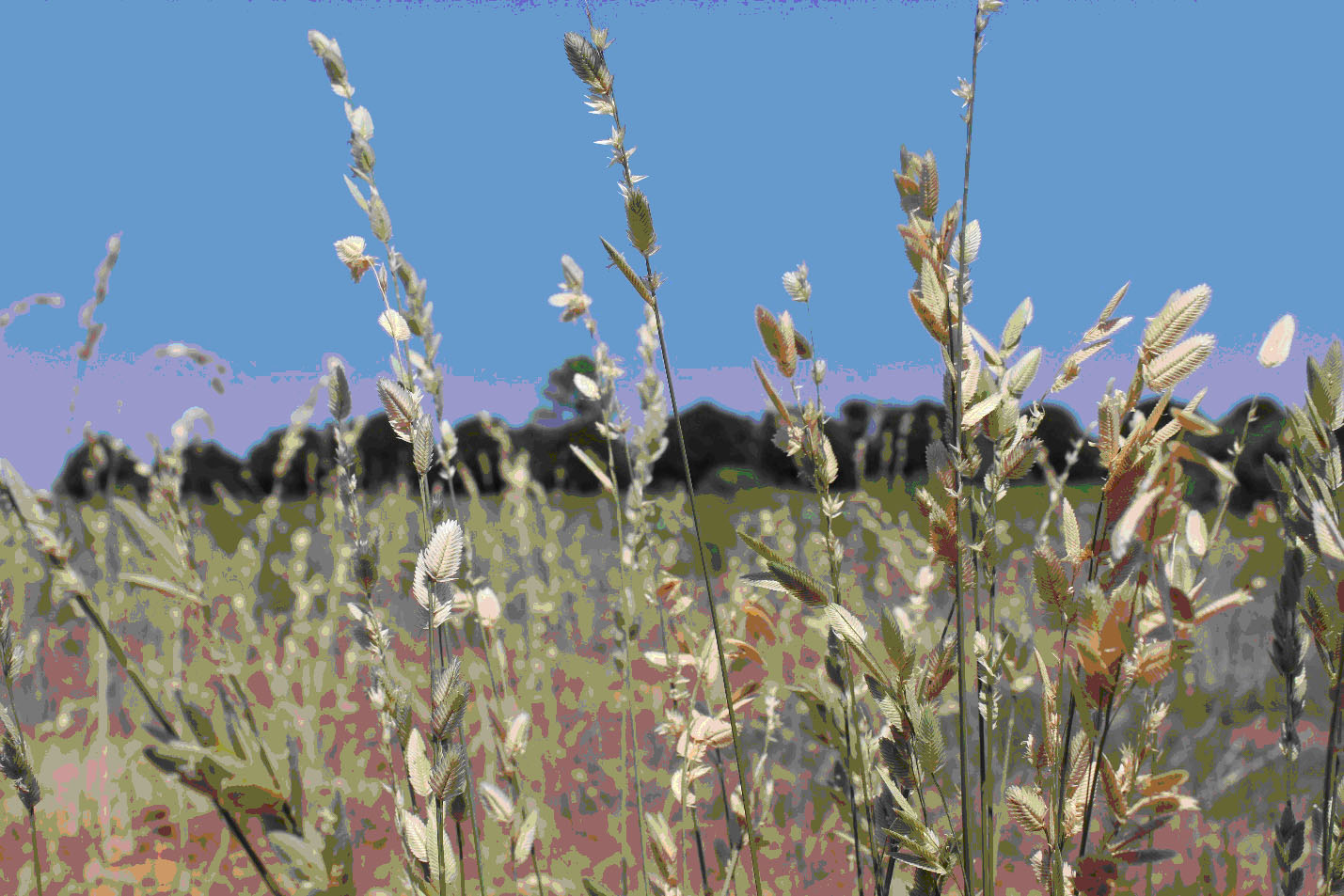
Grazing North Texas – Wilman Lovegrass
-
 The Natural Horseman9 years ago
This is why we do what we do — RayeAnn and Cisco