
Outdoor
Sweet Almond Bush Verbena Adds Fragrance and Pollinator Joy to the Farm


by Norman Winter | Horticulturist Author and Speaker
If you love garden fragrance and non-stop bee and butterfly activity, the sweet almond verbena or tree verbena is a must for your landscape. Those traits, coupled with drought tolerance and ease of growing, were just some of the reasons it was chosen as the Florida Plant of the Year in 2008.
Botanically speaking, it is known as Aloysia virgata and is in the verbena family. It is native to Argentina but is truly at home in much of the United States. Despite the plant receiving the Plant-of-the-Year designation after experiencing Florida winters, consider this: In March at the Coastal Georgia Botanical Gardens, in Savannah, Ga., it was just emerging with growth after having been frozen to the ground. It quickly peaked at 12 feet in height with an 8-foot spread just outside my office.
Those glorious spikes of white blooms were produced with reckless abandon from early May and continued well into November. In late afternoon, when you are ready to relax on the deck or patio, the fragrance intensifies, making the experience one that the whole family will treasure and remember.
It is cold hardy from zone 7-10 and is grown like a woody perennial in zones 7 and 8, where it almost always freezes to the ground, and like a wood shrub or small tree in zones 9-11. The sweet almond verbena, however, has so much going for it that gardeners in colder regions grow it as an annual or large container plan
t.
It is quite at home in the back of the perennial or cottage garden. My favorite use however would be the backyard wildlife habitat or pollinator garden which is perfect for North Texas and Oklahoma Farms and Ranches. With its nonstop glistening white blooms, it attracts a near-unlimited choice of companions. Add Blue Boa Agastache, Little Red Joe Pye Weed, Golden Lace Patrinia and Luscious Marmalade lantana, and you would create a pollinator heaven that would be tough, beautiful, and unsurpassed with activity.
Choose a well-drained site in full sun. luxurious soil fertility is not needed nor recommended. Dig the planting hole two to three times as wide as the rootball, but no deeper. This wide hole allows for easy root expansion and acclimation in the landscape. As mentioned above, the sweet almond verbena is drought tolerant, easy to grow and has virtually no pests or diseases, making it an environmentally friendly plant. You may have to ask your favorite garden center to get them for you or order online.
As you do your shopping, keep your eyes open for another great choice to make in your collection: the White-brush known botanically as Aloysia gratissima, which is native to Texas. If you know your soil ph to be above 8 this should be your first choice. It is just as intensely fragrant and flushes with blooms off and on all summer.
As I referenced it is native to Texas, New Mexico and Arizona and is about as tough a native shrub as there is. I’ve seen it blooming in areas where your first thought would be that plant life could not possibly exist. When in bloom, however, the butterflies magically appear for a feeding frenzy. It will be 3 to 10 feet in height and is only cold hardy in zones 8-10.
These members of the verbena family have so many award-winning traits: drought tolerance, fragrance, bees, butterflies, hummingbirds and a beauty all their own. I hope you will seek them out.
By Ann Asher
For years, fall garden advice read like a cleanup list: cut everything down, rake every leaf, haul off the stems and leave the beds tidy for winter. A neater yard may please people, but it can remove exactly what birds and beneficial insects need.
Standing seed heads are winter food. Coneflowers, sunflowers, native grasses and other plants hold seeds that finches, sparrows, quail and other birds can eat long after flowering ends. Hollow or pithy stems can also give native bees and other insects places to spend the winter.
Native bees are one of the strongest arguments for waiting. Many species don’t live in hives. Solitary stem-nesting bees use hollow or pithy stems, while ground-nesting bees depend on undisturbed soil. Cutting every stalk to the ground and hauling it away can remove next year’s pollinators before spring arrives.
Leaf litter matters just as much. Under a layer of leaves are insect eggs, pupae, spiders and other invertebrates that become food for birds. Some butterflies and moths spend part of winter tucked into leaf litter or attached to dead vegetation. Toads and other small animals also use the insulating layer.
Birds use dead vegetation for more than seed. Dense stems break the wind and provide cover from predators. A yard with several layers of vegetation offers far more options than a flat lawn bordered by bare mulch.
Dead wood has value, too. A standing dead tree, or snag, can provide nesting and feeding habitat for woodpeckers and other cavity users. Have a qualified professional remove or reduce any hazardous tree near houses, roads, fences or utility lines, though.
Clean up selectively
None of this means you should abandon your yard until spring. Still remove diseased plant material. Vegetable gardens often benefit from a cleanup that reduces pest and disease carryover. And don’t let thick mats of leaves smother turfgrass. Aim for selective cleanup rather than stripping every bed bare.
One approach is to move leaves off the lawn and into flower beds, around shrubs or into a compost pile. Leave healthy perennial stems standing through winter, especially in less formal areas. Brush piles can provide additional cover if local fire and property rules allow them.
If you worry a less tidy garden will look neglected, design can help. Keep paths and lawn edges crisp while letting the interior of beds stand. Move leaves into defined planting areas instead of leaving them across sidewalks and turf. Habitat doesn’t require making the whole property look abandoned.
You can also clean in stages. Remove diseased vegetables and obvious problem material in fall, leave ornamental and native stems through winter, then do the big cutback after several warm spring days, once insects have had a chance to emerge. Cutting hollow stems too early can destroy insects still developing inside. If you want a tidy look sooner, cut the stems and stack them loosely in an out-of-the-way spot for a few more weeks.
A wildlife-friendly yard in winter won’t look like a July garden. Seed heads turn brown. Leaves collect under shrubs. Stems stay standing. What looks dead to us is often still in use, and a landscape can keep working after the flowers are gone.
This fall, the easiest habitat project may be the one you don’t finish.

By OKFR Staff
The first cold front slows Oklahoma’s snakes down, but it doesn’t make them disappear.
Snakes are ectothermic, meaning their body temperature depends heavily on their surroundings. They can’t generate and regulate body heat the way mammals and birds do. As temperatures fall, digestion, movement and other body processes slow.
In winter, snakes enter a dormant state called brumation. It resembles hibernation, but reptiles may become active during warm spells. They look for protected places where temperatures stay more stable, including deep rock crevices, burrows, old foundations, caves and spaces below the frost line.
Some species gather at communal winter sites. A den with the right depth, moisture and temperature may be used for generations.
Snakes don’t spend the winter in one continuous sleep. A mild January afternoon can bring one to a den entrance to bask before it retreats again.
That explains why a warm fall day after a cold snap can still produce a snake encounter. A south-facing rock pile, barn foundation or sunny trail may warm up enough for a snake to move even after cold nights.
Different species choose different winter shelters. Rattlesnakes may use rocky dens below the frost line. Rat snakes can shelter in hollow trees, old wells or building foundations. Smaller species may disappear into mammal burrows or deep soil cracks. They all need protection from temperatures that would leave them unable to function.
Brumating snakes are sluggish, so disturbing a winter den can be dangerous for the snakes and is unnecessary for people. Leave a cluster of snakes in a natural rock outcrop alone. If snakes are getting into an occupied building, handle it with exclusion work, sealing entry points and removing attractants, rather than by handling the animals.
You can reduce unwanted encounters around buildings by sealing gaps, controlling rodents and keeping debris piles away from the house. Firewood stacked against a wall provides both cover and prey habitat. Out in the open, though, snakes are an important part of the ecosystem, and many species help control rodents.
If you come across a snake, keep your distance. Don’t try to handle or kill a snake you can’t confidently identify. Oklahoma has both venomous and nonvenomous species, and bites are most likely during close contact.
Young-of-year snakes may still be active in fall. A small snake isn’t automatically harmless, and size alone is a poor way to identify one. Give any unknown snake room, and take photographs from a safe distance if you need an identification.
Homeowners sometimes find wintering snakes only after moving firewood, opening a crawl space or cleaning out an old shed. Wear gloves and boots and carry a flashlight when working in protected spots where rodents and snakes may shelter. If you find a venomous snake in or right around a building, call a qualified wildlife professional instead of trying to remove it with improvised tools.
By spring, warming soil and longer days bring snakes back to regular activity. They may use the same den or refuge year after year, so the best fix for a recurring problem near a house is exclusion and habitat changes made when you can safely work the site.
Cold weather changes snake activity, but it doesn’t flip an off switch. Until sustained winter weather arrives, a warm patch of sun can still put a snake right where you didn’t expect one.
By Ann Asher
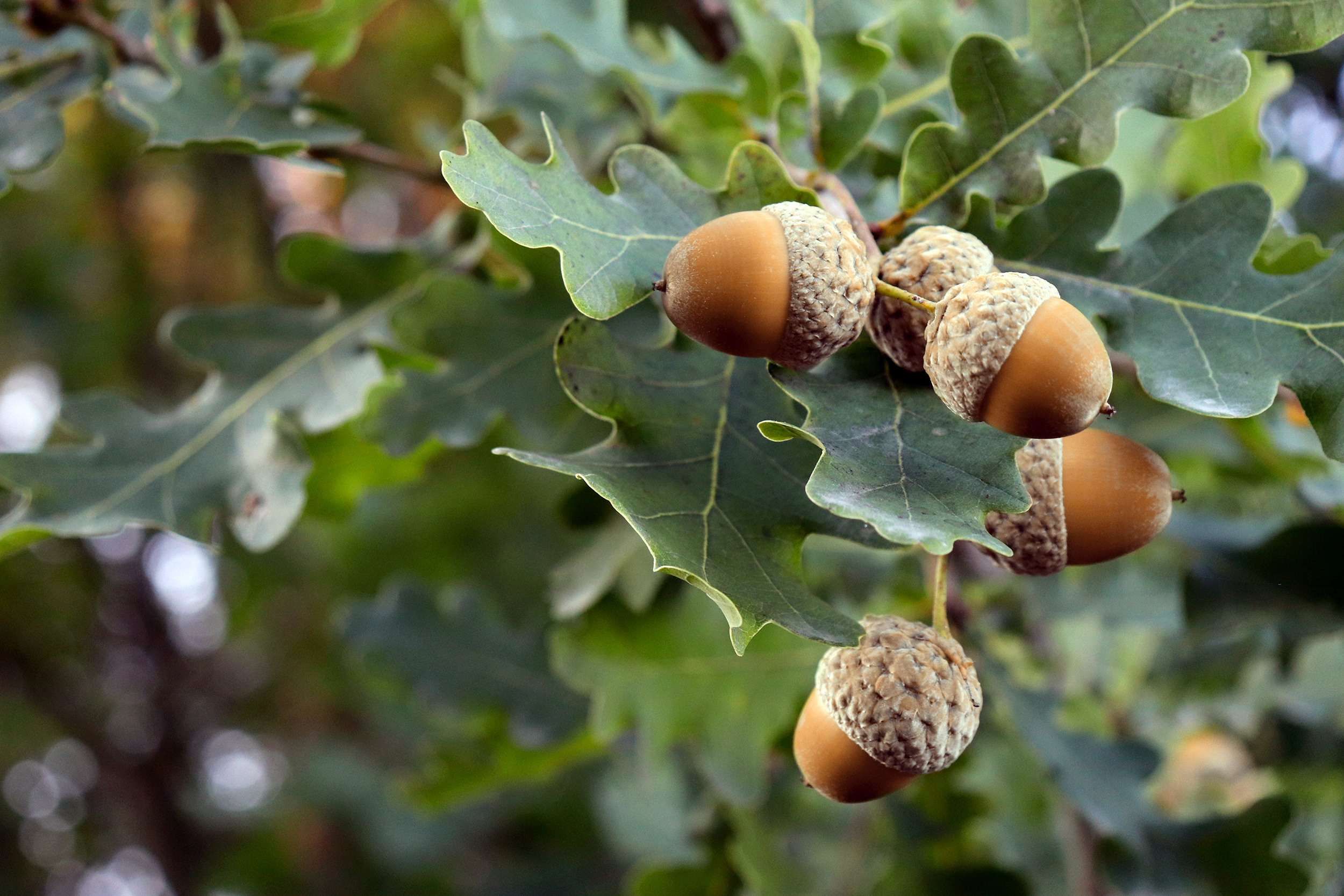
A yard full of acorns always seems to bring the same prediction: “We’re going to have a hard winter.” Oaks, unfortunately, don’t have access to a seasonal forecast.
Heavy acorn years are called mast years. Oaks can produce enormous crops in some years and very few in others. Species, tree health, pollination, weather during flowering and fruit development, and broader biological cycles scientists are still studying all influence the pattern.
The trouble with the winter-weather theory is timing. Acorns start developing months before winter arrives. A tree can’t know a February ice storm is coming and deliberately make extra acorns in response.
Weather does influence the crop, just not as a forecast. A late freeze can damage oak flowers and reduce production. Drought can stress trees. Good growing conditions can support development. Different oak groups also mature acorns on different schedules, so the crop under one tree may not match the crop under another.
Members of the white oak group generally mature acorns in one growing season, while many red oak species take two seasons from pollination to mature acorn. That means the weather that shaped this year’s crop may have hit at different stages depending on the oak.
One reason the myth feels convincing is that people remember the hits. A huge acorn crop followed by a memorable ice storm becomes a story. A huge crop followed by an ordinary winter is quickly forgotten. That is classic confirmation bias, and weather folklore is full of it.
What mast years do
Mast years do have real effects. Deer, squirrels, turkeys and other wildlife take advantage of abundant nuts. When acorns are plentiful, deer may spend less time at feeders or food plots because high-energy food is already scattered under the trees. Rodent populations can also respond to abundant mast.
Scientists study mast years for a better reason than forecasting weather. Large, synchronized seed crops can overwhelm seed predators, so more acorns survive and germinate. Mast also ripples through wildlife populations by providing a temporary burst of high-energy food.
For livestock producers, a bumper crop can be less charming. Cattle eating large amounts of acorns can develop oak toxicity, particularly when forage is scarce and animals eat acorns heavily.
In North Texas, the most useful thing a landowner can do with a heavy acorn crop is watch who is eating it. Deer may shift toward oak bottoms. Hogs can concentrate where mast is abundant. Cattle may start eating acorns if grass is short. Those are immediate management clues, unlike a guess about January temperatures.
Weather forecasting has improved because meteorologists measure the atmosphere and oceans, not because anyone found a better acorn. So enjoy the old saying, but don’t reorganize your winter feed budget around it. A ground covered in acorns tells you quite a bit about the oaks’ recent growing season and much less about weather that is still months away. The oak crop can stay where it belongs: in ecology, wildlife food and an enjoyable piece of fall folklore.




-

 Country Lifestyles4 years ago
Scott & Stacey Schumacher: A Growth Mindset
-
 Country Lifestyles10 years ago
Style Your Profile – What your style cowboy hat says about you and new trends in 2017
-
 Horsefeathers13 years ago
Mount Scott: Country Humor with David Gregory
-
 Outdoor11 years ago
Buttercup or Primrose?
-
 Country Lifestyles10 years ago
June 2016 Profile – The man behind the mic: Bob Tallman
-
 HOME10 years ago
Grazing North Texas – Wilman Lovegrass
-
 Country Lifestyles10 years ago
December 2016 Profile, Rusty Riddle – The Riddle Way
-
 The Natural Horseman9 years ago
This is why we do what we do — RayeAnn and Cisco