
HOME
Texas FFA Champions

Throughout North Texas, there are dozens of highly successful FFA Chapters, many of whom earned awards and had students earn recognition on the state and national level. To recognize these chapters and students, we have listed them below, provided courtesy of Texas FFA Association.Congratulations to each and every one of you, we look forward to seeing you flourish and your contributions to agriculture grow.
ALEDO
*Golden Horizon Award
Lone Star Degree: Logyn Denbow, Garrett Hoff, Jeff Hutchins, Phoenix Lanford, Stran Mayes, Gunnar Mccraw, Jud Voight
American Degree: Dylan Sweatt
ARLINGTON
*National Chapter Award
*Golden Horizon Award
Lone Star Degree: Kayla Self, Brooklyn Sinclair
ARLINGTON HEIGHTS
*Golden Horizon Award
Lone Star Degree: Jimena Alvarado
American Degree: Stinson Burns
AUBREY
Lone Star Degree: Jase Looper, Tucker McDonald, Berkley Noles
American Degree: Alexis Blankenship, Sebastian Mejia
AZLE
Lone Star Degree: Cheyanne Redd
American Degree: KaytLynn Lemley
BELLEVUE
Lone Star Degree: Kailee Glover, Benjamin Kelton, Callie Martin
BOWIE
Lone Star Degree: Gunner Clark, Gabriella Ybarra
BOYD
Lone Star Degree: Shaye Abernathy, Payton Ellis, Alainna Hillin, Olivia Pecina, Quinlyn Sadler, Sonora Sadler
BREWER
Lone Star Degree: Aracelli Alvarez, Mason Caraceau, Billy Joe Hollingsworth
BRIDGEPORT
*Golden Horizon Award
Lone Star Degree: Madisun Bennett, Adriean Fennell, Jaelyn Jobe, Aiden Kittrell
BROCK
*Golden Horizon Award
*Proficiency in Agricultural Mechanics Design & Fabrication State Winner: Jack Walters
*Proficiency in Vegetable Production State Winner: Cameron Lane
Lone Star Degree: Rhylan Corbin, Paizlee Hardin, Cameron Lane, Maegan Toles, Aiden Weathermon
BRYSON
Lone Star Degree: Dalton Birdwell, Gracie Street, Braydee Thorne
BURKBURNETT
Lone Star Degree: Alice Gaylor, Griffin Hefton
BYRON NELSON
Lone Star Degree: Anthony Coleman, Hannah Cook, Gracie Gelber, Rhylie Hulett, Allison Martin, Rylee Otremba, Isabella Pendino, Ryleigh Sallee, Kyla Smith, James Stout, Faith Wright
CELINA
Lone Star Degree: Ronald Foreman, Tyler Foster, Ty Hughes, Tyler Moody, Colten Place, Merritt Ray, Thomas Ray, Elizabeth Ruais
CHICO
Lone Star Degree: Grant Barksdale, Brodie Childs, Taylor Martin
American Degree: McKayla Hedrick
CROWLEY
Lone Star Degree: Eloy Gomez, Alejandra Gonzalez, Elizabeth Padilla, Leanna Pantoja, August Pedroza, Gavin Sutton
DECATUR
*Golden Horizon Award
Lone Star Degree: Zaine Barnard, Jonathan Donahue, Kyene Harris, Makayla Holcomb, Olivia O’Brian, Angelica Routh
American Degree: Lauren Hanna
DENTON
Lone Star Degree: Brady Fleitman
DENTON GUYER
Lone Star Degree: Aris Richards, Chasity Thomas
ERA
*Golden Horizon Award
Lone Star Degree: Jacie Brown, Madison Eaton, Hayden Jernigan, Justice Jones, Madison Monk
FORESTBURG
*Golden Horizon Award
Lone Star Degree: Savannah Calk, Nikolas Clure, Kaitlynn Rains, Mollie Scribner
GAINESVILLE
Lone Star Degree: Mary Gomulak, Julissa Medina, Abigail Mote, Braylon Purvey, Kyra Richardson
GRAHAM
Lone Star Degree: Brailey Brooks, Kiya Cope, Hailey Fuentes, Hannah Hollingsworth
HENRIETTA
*Golden Horizon Award
Lone Star Degree: Kolt Bennett, Allison Bowles, Cannon Cody, Magee Fain, Brynna Johnson, Laney Johnson, Raelea Stewart, Jacob Story
IOWA PARK
*Golden Horizon Award
Lone Star Degree: Bethany Blackwell, Bailee Burnett, Keeley Coin, Aiden Mesler, Kolton Scharbrough, Cooper Smith
JACKSBORO
*State Champion in Sr. Agricultural Skills Demonstration
*Golden Horizon Award
Lone Star Degree: Emma Gass, James Hammond, Lorelai Penry, Eric Pizan, Jeffrey Treadway
KELLER CTE
*State Champion in Sr. Creed Speaking
Lone Star Degree: Payton Alexander, Tatum Balli, Saxon Bruedigam, Ashton Bryant, Abigail Hall, Jackson Hartman, Sidney Ochieng, Emma Schee, Emily Weber, Makenzie Whitehead
KRUM
American Degree: Bryce Borchardt, Grace Real, Kyle Real, Jacie Thompson
LINDSAY
Lone Star Degree: Kade Cannon
MANSFIELD
*Golden Horizon Award
*National Chapter Award
*Proficiency in Equine Science Entrepreneurship State Winner: Caroline Schlieker
Lone Star Degree: Rylee Leduc, Samantha Malone, Rilee Mathews, Sophia Patterson, Hailey Plumlee, Caroline Schlieker, Owen Tyler
MILLSAP
Lone Star Degree: Samantha Black, Rebecca Ellis, Hayden Johnson, Jayden Morrazzano
MINERAL WELLS
Lone Star Degree: Jennifer Alexander, Sarah Cook
MUENSTER
Lone Star Degree: Jolie Bryson
NOCONA
Lone Star Degree: Jackson Brown
NORTHWEST
*Golden Horizon Award
*Proficiency in Beef Production Placement State Winner: Montgomery Lankford
Lone Star Degree: Montgomery Lankford, Isabella Mendoza
PARADISE
*Golden Horizon Award Lone Star Degree: Noah Bartlett
PEASTER
*Golden Horizon Award \ Lone Star Degree: Avery Bashore, Kylee Zanetti
American Degree: Emma Medlin, Cash Sledge
PERRIN
Lone Star Degree: Jessa Angelly, Leddy Hill, Jaylee Holmes, Ryan Richerson
PETROLIA
Lone Star Degree: Kale Cox, Hannah Dalton, Ramsey Hensley, Alexis Taylor, Emma Tejada-Rivers
PILOT POINT
Lone Star Degree: Madelyn Champion, Cara Christensen, Marshall Hennagir, Noah Pelzel American Degree: Daniel David
PONDER
*Golden Horizon Award
Lone Star Degree: Heather Crumpton, Campbell Laney, Mason McShan, Kynlee Piersall, Carson Williams
American Degree: Britlee Brock, Keely Delcambre, Molly Escamilla, McKenna Mitchell, Jada Trosper, Graham Whitewood
POOLVILLE
Lone Star Degree: Nathaniel Greene, Trevan Muth
PROSPER
*National Chapter Award
*Golden Horizon Award
Lone Star Degree: Hannah Boyd, Carson Weyandt
SANGER
*Golden Horizon Award
Lone Star Degree: Taylor Godwin, Emma Williamson
SPRINGTOWN
Lone Star Degree: Delaney Harris, Carson Haynes, Willliam Westberry, Gracie Wilk
TIOGA
Lone Star Degree: Mary Lynch
V.R. EATON
*Golden Horizon Award
*Proficiency in Turf Grass Management State Winner: Rylie Copeland
Lone Star Degree: Rylie Copeland, Bryleigh Landsdell
American Degree: Dalton Fanning
VALLEY VIEW
Lone Star Degree: Chloe Sandmann, Hayleigh Yates, Lexi York
WEATHERFORD
*National Chapter Award
*Golden Horizon Award
*State Champion in Extemporaneous Speaking: Kaleb Heiermann
Lone Star Degree: Megan Collins, Landry Crickman, Azia Hodges, Kashleigh Kilker, Riley Medlock, Maddox Tedford
American Degree: A’mya Hodges
WICHITA FALLS
Lone Star Degree: Robert Marrs
American Degree: Isaac Hawkins

By Landon Moore
The holidays are coming up, and for many people this is a favorite time to do canning. Whether it is putting up the last harvest from the garden or making a unique gift for family and friends, canning is often on the mind. However, there is some confusion when it comes to certain kinds of canned goods. Many people use the terms “jam” and “jelly” interchangeably, and when you add in “butters,” “preserves,” and “conserves,” it can become a recipe for confusion. To clear things up, let’s take a look at what these different forms of canned goods are and what sets them apart.
This article focuses on jellied fruit products. Other canned goods such as pickles, chutneys, and fruit in syrup will not be discussed. The goal is to explain the forms of canned goods that are essentially the same thing with only minor variations. The word “form” is used intentionally, since many of these are the same basic product with a few small changes, extra ingredients, or longer cooking times. Before we dive into each variety, it helps to understand the process that allows these spreads to form in the first place.
As fruit cooks, its cells break down and release pectin, a material that gives the fruit structure. When enough sugar and acid are present, the pectin will resolidify as it cools, creating the gel-like consistency that makes a spreadable product. This is how canning was originally done. It is time-consuming and easy to burn, since it must be cooked to just the right consistency. The long, slow cooking gives the finished product a distinct caramel-like flavor. If it is taken off the heat too soon, it will not set. If it stays on too long, the result can be hard candy or burned sugar. Some fruits also lack enough pectin to gel properly, but powdered pectin is now available and makes canning much easier. Still, certain products such as fruit butters must be cooked the traditional way and are best attempted once you have a little experience.
The simplest form of canned goods is jam. At its most basic, jam can be made with nothing more than crushed fruit and sugar. Many berry jams contain only these two ingredients. This kind is often called “old-fashioned jam.” To make sure enough pectin is present, it helps to use about one-quarter slightly under-ripe fruit. Even then, old-fashioned jam tends to be a bit softer than those made with added pectin. The long cooking time allows the water to slowly evaporate. Too much water, and the jam will not set. Too little, and you will have made hard candy. The jam thickens gradually as the water cooks off. Recipes may give a general idea of cooking time, but it depends on your stove. Some cooks use a candy thermometer, while others rely on watching the consistency.
For fruits that do not have enough natural pectin, or for those who do not have the time or patience for the trial and error of cooking old-fashioned jam, powdered pectin is the solution. It greatly shortens the cooking time and makes it easier to get consistent results. To make a traditional jam, the crushed fruit and pectin are combined in a pot before turning on the stove. Once it reaches a boil, sugar is added all at once and the mixture is brought back to a boil for a short time, usually about a minute. After that, it can be taken off the heat and poured into jars. Liquid pectin is another option, but it usually requires much more sugar and can make the finished product overly sweet.
Preserves are only slightly different from jam. They contain larger pieces of fruit suspended in jelly. While jam is made from completely crushed fruit, preserves are made from roughly chopped pieces. Pectin helps shorten the cooking time and keeps the chunks of fruit from breaking down too much.
Conserves are another variation, though not as common. They are essentially jam that includes dried fruit and nuts. Conserves are often spiced and served at breakfast. They usually feature one main fruit as the base, with added dried fruit, nuts, and sometimes citrus for extra flavor.
Marmalade is a more familiar term. It consists of fruit pieces and small slices of citrus peel suspended in a jelly. The long cooking time softens the peel, but leaves a slight bitterness that contrasts with the sweetness of the jelly, creating a complex flavor. Orange marmalade is the best known, but the original was actually made with quince. Marmalades can also be made with apples, onions, chiles, or tomatoes. While they might sound intimidating, they are easier to make than many people expect.
Jelly is made from strained fruit juice and sugar. It is clear, firm, and smooth. Though beautiful and delicious, jelly can be time-consuming and somewhat wasteful, since it takes a lot of fruit to make a small batch. The fruit is usually simmered in a small amount of water, then poured through a cheesecloth-lined sieve to drain for several hours. Only a few fruits have enough natural pectin to set without added pectin, but traditional jellies made this way have a rich and distinctive flavor.
For those who like a challenge, fruit butters are worth trying. They are not difficult, but they require attention and patience. When made correctly, fruit butter is silky smooth with a deep caramelized flavor. When made incorrectly, it can turn into a pot of scorched sugar and wasted fruit. To make fruit butter, puree the fruit, usually with spices, and cook it slowly for an hour or more. This reduces the water content while caramelizing the mixture. It is finished when a spoonful holds its shape and spreads smoothly on a chilled plate.
Finally, there are fruit honeys and syrups. Fruit honey is made by cooking crushed fruit and juice until it reaches the thickness of real honey. Pear honey is the most common example. Syrups are similar but thinner, made to remain pourable. Some recipes include corn syrup to increase thickness without making the result too sweet.
Even within this small area of canning, there are many directions a person can go. From soft jams to smooth butters and glossy jellies, the possibilities are endless. Canning combines creativity with science, and the results are as varied as your imagination.

By: Landon Moore
Landon Moore is the Wise County 4-H President and a member of the Wise County 4-H County Council. He is involved in beekeeping, as well as raising rabbits and poultry.
This essay was one that he wrote, and it was named the champion for both the Texas and National chapters of the Foundation For The Preservation of Honey Bees.
Varietal honey is honey that comes from a single source.
This honey has a flavor derived from the source flower and can even have a similar scent. In general, lighter colored honeys have a more subtle taste and dark honeys are more intense. Varietal honey has been compared to wine, in that honeys produced in different years can be distinguished, even if they come from the same flower and location.
This phenomenon is called terroir and is responsible for the individual taste of each honey harvest.
To read more, check out the digital edition of the 2024 October issue North Texas Farm & Ranch magazine. To subscribe by mail, call 940-872-5922.
By: Norman Winter | Horticulturist, Author, Speaker
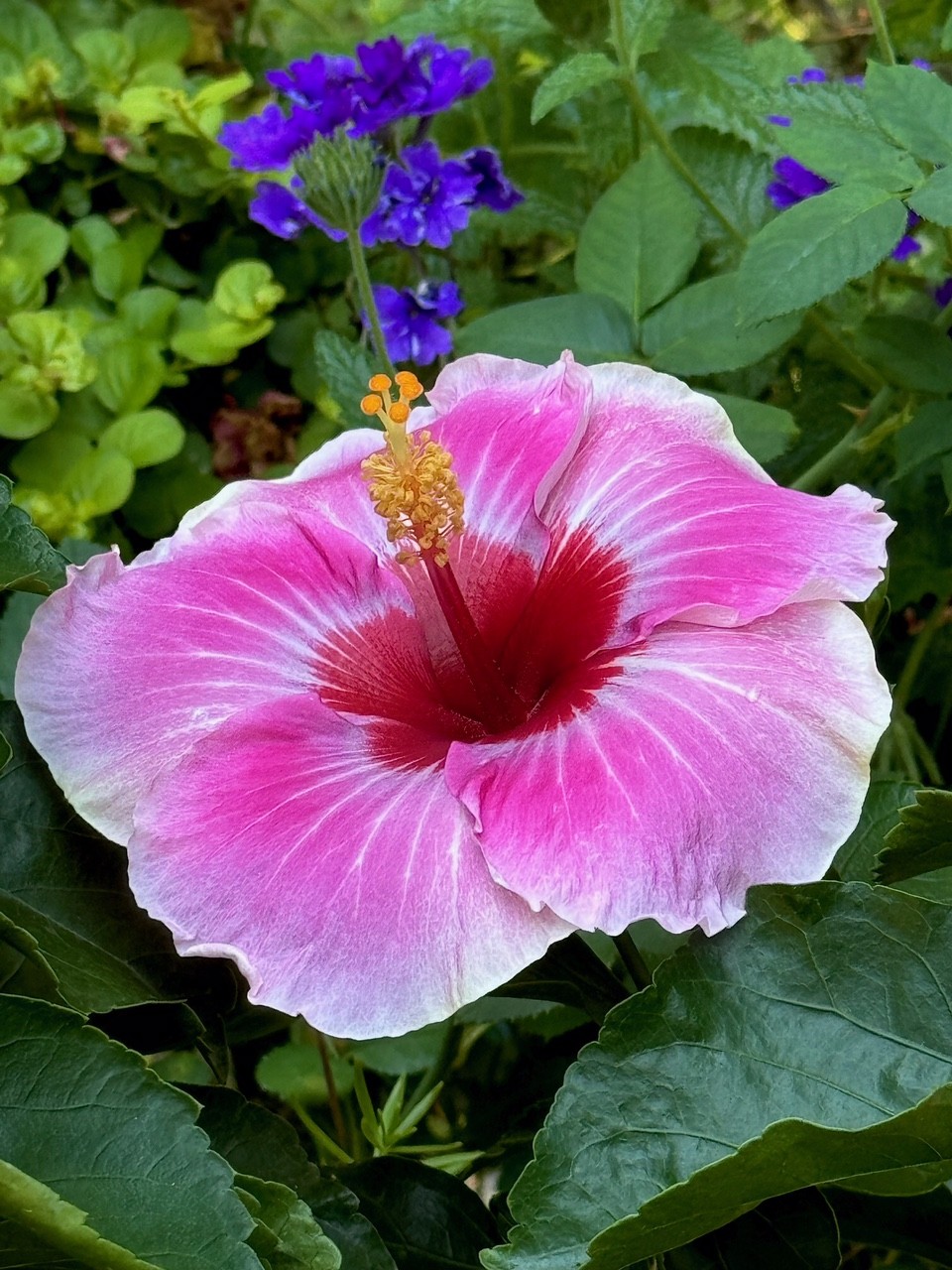
Early in the summer, I was sent a press release that caused one of those holy wow moments. The headline said it all, “Proven Winners ColorChoice Expands Catalog with the Addition of Hollywood Hibiscus.”
I had already become familiar with the Hollywood Hibiscus series and was thrilled that the Proven Winners was adding this to their lineup.
This flower is nothing short of beautiful and exhibits prolific flower production. The flowers show three distinct colors, deep red in the very center, then the majority which is a rich rose pink with lighter pink to white along the margins.
To read more, read the 2024 October digital edition of North Texas Farm & Ranch magazine. To subscribe by mail, call 940-872-5922.




-

 Country Lifestyles3 years ago
Scott & Stacey Schumacher: A Growth Mindset
-
 Country Lifestyles9 years ago
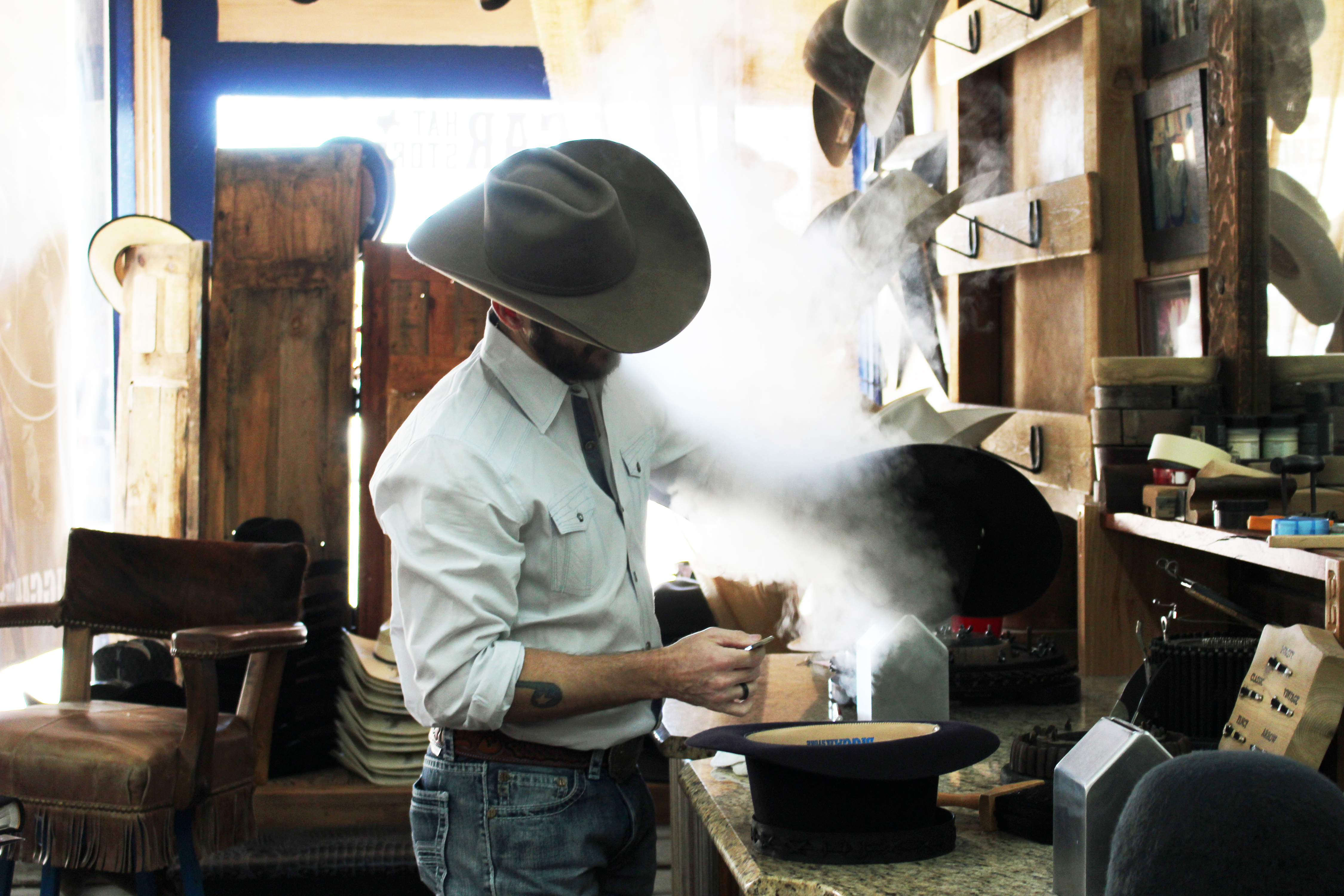
Style Your Profile – What your style cowboy hat says about you and new trends in 2017
-
 Horsefeathers12 years ago
Mount Scott: Country Humor with David Gregory
-
 Country Lifestyles10 years ago
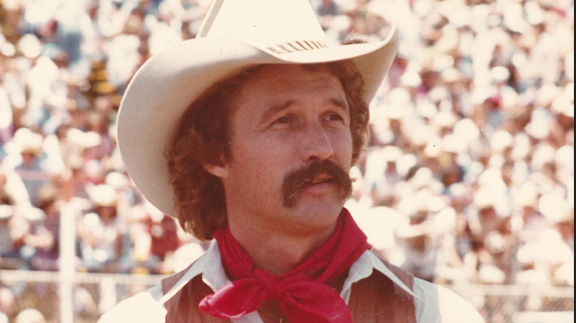
June 2016 Profile – The man behind the mic: Bob Tallman
-
 Outdoor11 years ago
Buttercup or Primrose?
-
 Country Lifestyles10 years ago
December 2016 Profile, Rusty Riddle – The Riddle Way
-
 HOME9 years ago
Grazing North Texas – Wilman Lovegrass
-
 The Natural Horseman9 years ago
This is why we do what we do — RayeAnn and Cisco