
Farm & Ranch
[AgriLife Today] Hay day set for May 4 in Young County


By: Kay Ledbetter
Writer: Kay Ledbetter, 806-677-5608, skledbetter@ag.tamu.edu
Contact: Justin Rogers, 940-549-0737, Justin.rogers@ag.tamu.edu
GRAHAM – The Young County Hay Day sponsored by the Texas A&M AgriLife Extension Service will be held May 4 in the Young County Arena, 120 Barclay Blvd., Graham.
The program will begin with registration at 9:30 a.m. and conclude at 3 p.m. There will be a $10 registration fee, and a meal will be provided by Young County Farm Bureau.
Those planning to attend should RSVP by May 1 to Justin.rogers@ag.tamu.edu or 940-549-0737.
“Spring is here and it is time to make sure your forage pastures are in the best condition they can be,” said Justin Rogers, AgriLife Extension agriculture and natural resources agent for Young County. “We wanted to bring in experts on not only field management, but also those who can update us on what to expect in the way of legislation and insurance.”
The program will include the following topics and speakers:
– Legislative Update, Trey Berend, Texas Farm Bureau field representative, Seymour.
– Forage Management and Pasture Fertilization, James Locke, soils and crops consultant with the Samuel Roberts Noble Foundation, Ardmore, Oklahoma.
– Aquatic Pond and Tank Management, Bob Lusk, Pond Boss Magazine, Sadler.
– Understanding Your Farm/Ranch Insurance Policy, Mike Sipes, State Farm Insurance agent in Graham, and a Young County Texas Farm Bureau Insurance representative.
Three general Texas Department of Agriculture continuing education units will be offered for private applicator license holders.
For more information, contact Rogers at 940-549-0737.
-30-
LikeTweet
Find more stories, photos, videos and audio at http://today.agrilife.org
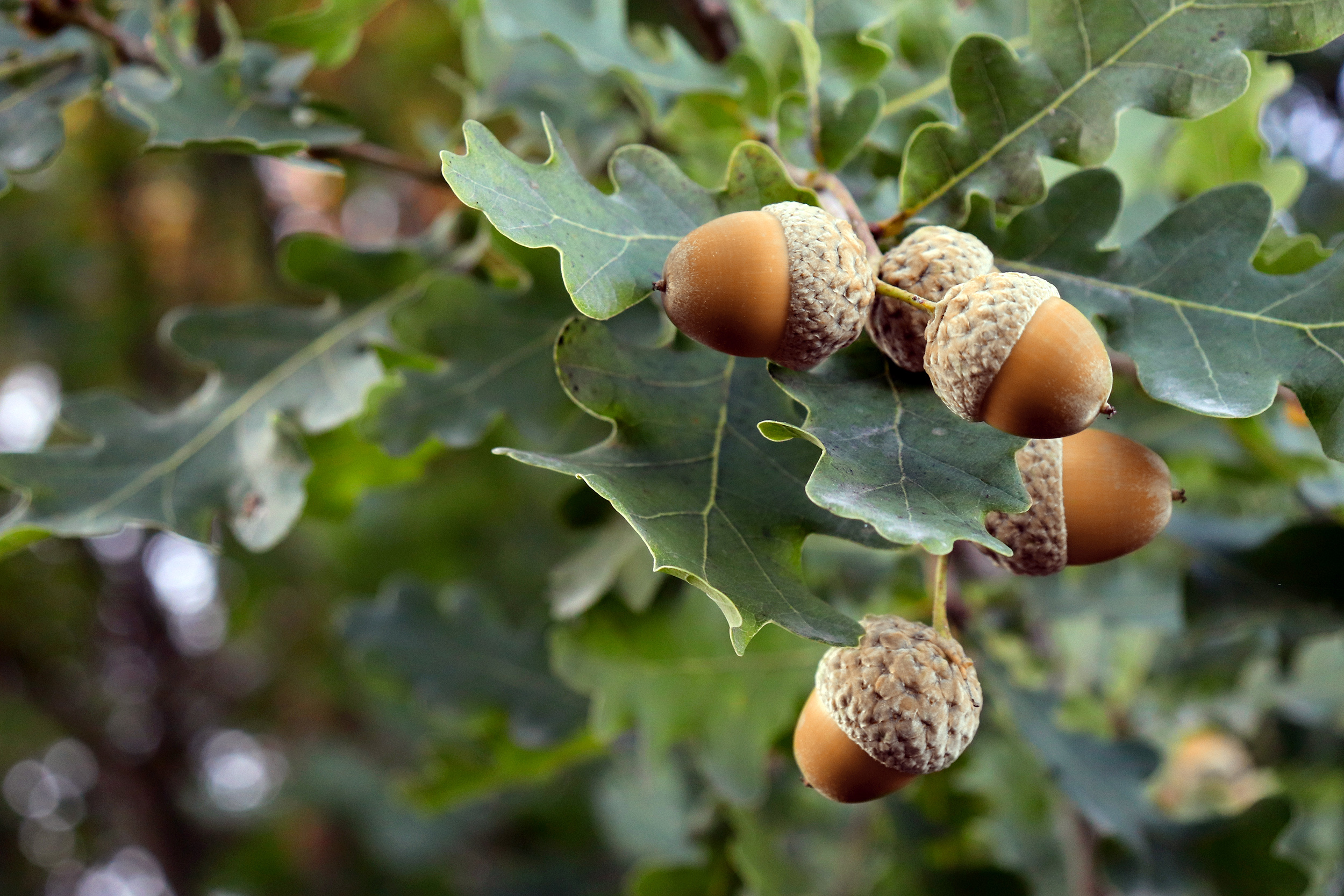
By Savannah Magoteaux
A heavy crop of acorns under an oak tree usually looks more like a sign of fall than a livestock problem. For most cattle in most years, that is all it is. Trouble starts when acorns stop being an occasional bite and become a meaningful part of the diet.
Oak leaves, buds and acorns contain tannins that can damage the digestive tract and kidneys when cattle eat enough of them. Green acorns are generally considered more toxic than mature brown ones, but either can cause problems if cattle eat too many.
The risk climbs when forage is short and cattle go looking for something else to eat. Drought, overgrazed pastures or simply a heavy acorn crop can set up that situation.
Cattle aren’t equally interested in acorns. A few animals in a herd may eat far more than the rest, which helps explain why cases can appear scattered.
Early signs can be vague. Affected cattle may go off feed, look depressed or become constipated. As the damage progresses, you may see dark or bloody manure, abdominal pain, frequent urination followed by reduced urine output, dehydration and weakness. Kidney failure is the most serious concern.
You can’t remove every acorn from a wooded pasture, so prevention comes down to keeping cattle from relying on them. Adequate forage and supplementation take away the incentive to eat large amounts.
You can also fence cattle away from heavily producing oaks for a while, especially when pasture conditions are poor. If several animals seem to be seeking out acorns, take a close look at the rest of the ration instead of assuming they will quit on their own.
If you suspect oak poisoning, call a veterinarian early. Treatment is supportive and does much more good before severe kidney damage sets in. Moving unaffected cattle away from the source and providing good-quality feed and water may prevent more cases.
Acorns are an important fall food for deer, squirrels and other wildlife, and a few acorns generally don’t spell disaster for cattle. The concern is quantity. A pasture full of oaks becomes a different management problem when grass is short, cattle are hungry and the ground is covered with something they are willing to eat.
Oak toxicity comes up most often in cattle, but other livestock can be affected, too. And the risk isn’t limited to acorns. Oak buds and young leaves also contain tannins, so spring can occasionally bring problems as well. In fall, though, the obvious temptation is lying on the ground where cattle can eat it quickly.
Watch where your cattle spend their time. If cows that normally graze open grass start camping under oaks and hunting acorns, that behavior tells you something.
Walk the pasture, estimate how much usable forage is left and check whether a few dominant animals are eating more than the rest. Hay or supplemental feed may help, but place it where all the cattle can reach it rather than assuming one feeder will solve the problem.
Oak poisoning can look like other illnesses, and no one can diagnose kidney damage from pasture observation alone. A veterinarian may use history, clinical signs and lab work to separate it from dehydration, digestive disease or other toxicities. That is another reason to mention a heavy acorn crop when you call. A detail that seems like an ordinary part of fall can be an important part of the history.
Your pasture plan doesn’t have to be complicated. If one wooded trap has a much heavier acorn crop than the rest, use another pasture while you still have the choice.
If you can’t move the herd, make sure hay and supplement are adequate before the animals get hungry enough to seek out acorns aggressively. Salt or mineral by itself won’t make up for a shortage of forage.
The problem usually fades as cattle eat through the crop or the acorns weather or get covered. Don’t return cattle that have already shown signs as soon as they look better, though. Kidney injury can be serious. Follow your veterinarian’s recommendations and reassess the pasture before turning recovered animals back out.

By Jared Groce
Late summer has been brutal on our livestock, our grass and the rural land market in North Texas. We currently have an astounding 42 months of inventory on hand in our report area, and the only properties selling are the ones priced right. Overpriced properties aren’t even getting looked at, much less receiving offers, so pricing your property correctly matters more than ever right now.
Many sellers are still picturing the daily price increases we saw in 2020 to 2023, but those days are behind us, and agents need to be more realistic with listing prices to get any activity for their clients. Hopefully the rains will come soon and bring more land buyers with them this fall, but right now it is still very much a buyer’s market. No one knows how long this dry spell will last, but it will likely take a flood to end it. The same is true of the weather!
They say the best time to plant a tree, or buy land, was 20 years ago, and the second-best time is today.
| County | Area | Acres | $/Acre | List Price | Sold Price | Sale/List | DOM |
|---|---|---|---|---|---|---|---|
| Clay | Henrietta | 120.07 | $5,150 | $714,000 | $618,309 | 86.60% | 434 |
| Clay | Bellevue | 159.44 | $6,184 | $981,000 | $985,959 | 100.50% | 48 |
| Clay | Henrietta | 293 | $4,982 | $1,538,250 | $1,459,600 | 94.90% | 212 |
| Clay | Average | 190.84 | $5,438 | $1,077,750 | $1,021,289 | 94.00% | 231 |
| Collin | Anna | 11.08 | $84,356 | $1,200,000 | $935,000 | 77.90% | 634 |
| Collin | Average | 11.08 | $84,356 | $1,200,000 | $935,000 | 77.90% | 634 |
| Cooke | Muenster | 11 | $18,000 | $209,000 | $198,000 | 94.70% | 250 |
| Cooke | Gainesville | 19.3 | $16,580 | $345,000 | $320,000 | 92.80% | 541 |
| Cooke | Valley View | 96.23 | $15,500 | $1,679,215 | $1,491,565 | 88.80% | 194 |
| Cooke | Average | 42.18 | $16,693 | $744,405 | $669,855 | 92.10% | 328 |
| Denton | Sanger | 16.46 | $39,422 | $649,000 | $649,000 | 100.00% | 47 |
| Denton | Cross Roads | 10.35 | $97,575 | $1,200,000 | $1,010,000 | 84.20% | 40 |
| Denton | Sanger | 300 | $14,000 | $4,999,999 | $4,200,000 | 84.00% | 1,327 |
| Denton | Aubrey | 74.09 | $57,684 | $4,815,525 | $4,273,550 | 88.70% | 302 |
| Denton | Average | 100.22 | $52,170 | $2,916,131 | $2,533,138 | 89.20% | 429 |
| Grayson | Collinsville | 11.61 | $46,516 | $600,000 | $540,000 | 90.00% | 280 |
| Grayson | Van Alstyne | 18.8 | $58,511 | $1,175,000 | $1,100,000 | 93.60% | 280 |
| Grayson | Whitesboro | 30 | $37,984 | $1,170,000 | $1,139,506 | 97.40% | 277 |
| Grayson | Average | 20.14 | $47,670 | $981,667 | $926,502 | 93.70% | 237 |
| Jack | No sales reported | — | — | — | — | — | — |
| Montague | Montague | 485 | N/A | $5,566,000 | N/A | N/A | 333 |
| Montague | Bowie | 26 | $12,244 | $323,500 | $318,352 | 98.40% | 743 |
| Montague | Montague | 37.3 | $10,327 | $428,950 | $385,195 | 89.80% | 1 |
| Montague | Saint Jo | 1,185 | $7,764 | $10,000,000 | $9,199,829 | 92.00% | 19 |
| Montague | Average | 433.33 | $10,112 | $4,079,613 | $3,301,125 | 93.40% | 274 |
| Wise | Sunset | 12 | $19,027 | $234,000 | $228,320 | 97.60% | 16 |
| Wise | Sunset | 12 | $19,027 | $234,000 | $228,320 | 97.60% | 14 |
| Wise | Chico | 11.44 | $24,476 | $299,000 | $280,000 | 93.60% | 24 |
| Wise | Chico | 10.25 | $29,265 | $315,000 | $300,000 | 95.20% | 12 |
| Wise | Average | 11.42 | $22,949 | $270,000 | $259,160 | 96.00% | 17 |
DOM = days on market
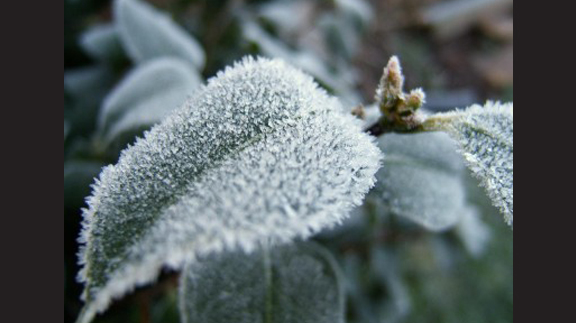
By NTFR Staff
The first frost feels like a clean break between seasons, but for cattle producers it can open a short window when familiar forage deserves a second look. Frost can change plant chemistry, end active growth and upend grazing plans almost overnight. The bigger concern is what frost does to certain plants, particularly members of the sorghum family.
Johnsongrass, forage sorghum, sorghum-sudangrass hybrids and related plants can contain compounds that release hydrogen cyanide, commonly called prussic acid, when plant tissue is damaged. Drought stress can raise the risk, and frost can make it worse. Frost ruptures plant cells and brings the compounds that form prussic acid into contact, creating forage that can be dangerous even though it may still look green and palatable.
Prussic acid acts fast. The rumen releases it, and it is absorbed into the bloodstream, where it keeps cells from using oxygen properly. Signs may include rapid breathing, muscle tremors, salivation, staggering, convulsions and collapse. In severe cases, producers may find a dead animal before seeing any obvious symptoms.
That is why Oklahoma State University recommends keeping cattle off frost-damaged susceptible forage for at least seven days after a killing frost, and until the plants are completely dry and brown. A light frost can be trickier. If the plant survives, new shoots or tillers may emerge, and that young regrowth can be especially high in prussic acid. Don’t turn cattle back in just because a few warm afternoons followed the frost.
The practical question is always the same: Is this field risky? Species matters. Johnsongrass and sorghum-type forages deserve attention. Pearl millet and foxtail millet, by comparison, have much lower prussic acid potential. If you aren’t sure what is growing in a field, identify it before you make a grazing decision.
Prussic acid vs. nitrates
Nitrate toxicity is a separate issue. Producers sometimes lump nitrates and prussic acid together because both are associated with stressed forage, but they behave differently. Prussic acid can dissipate as forage dries. Nitrates don’t simply disappear after frost, wilting or baling. Nitrate can remain in hay and other stored forage. When drought, heavy nitrogen fertilization, cloudy weather or other stresses have raised concerns, a lab test is the safest way to know what your cattle are getting.
Frost also changes how you should think about haying or baling suspect forage. Prussic acid is volatile and can dissipate during proper curing, so well-cured hay from a sorghum-type crop is generally a different risk than freshly frost-damaged grazing. Nitrates are the opposite problem. They stay in the forage after baling, so a nitrate test can matter more than appearance. Ensiling can lower nitrate concentration somewhat, but it doesn’t guarantee safety. Testing is still the better choice.
The toxins also sit in different parts of the plant. Prussic acid potential is often greatest in young leaves and new growth, while nitrate tends to build up in the lower stem. That matters when you are deciding whether to graze, cut high, bale or sample a field. A lab result is only useful if the sample represents the forage your cattle will eat.
Don’t use color as a safety test, either. A plant can look dry while nitrate remains, and a green plant isn’t automatically high in prussic acid. Species, recent stress and lab testing carry more weight than appearance. When the forage is valuable enough to graze or feed, a test is cheap compared with losing cattle.
A management checkpoint
The first frost also changes ordinary pasture management. Warm-season grasses stop putting on meaningful new growth, and what is standing becomes a finite supply. Cattle that have spent months picking the best leaves may start taking lower-quality stems and plants they used to ignore.
A killing frost can also open up plants cattle previously passed by. Leaves drop, stems turn brittle, and cattle may reach low spots along fence rows or ditches. If johnsongrass has been growing unnoticed at the edge of a pasture, frost is a good reason to notice it now. The same goes for volunteer sorghum in crop residue or waterways.
For cow-calf producers, the first frost makes a convenient checkpoint. Fall-calving cows may be entering peak nutritional demand. Spring-calving cows may be in mid-gestation and easier to keep up, but thin cows still need time to gain condition before winter. Reassess body condition, available forage and whether you need to start supplementing. Waiting until cows lose condition makes the fix more expensive.
Check water, too. Cooler weather may reduce how much you see cattle drink, but they still need ready access to clean water. A sudden cold snap can expose leaking floats, weak heaters or water systems nobody has checked since last winter.
North Texas weather rarely changes in a straight line in the fall. A frost may be followed by warm afternoons, then another cold front, so the plants tell you more than the calendar does. When susceptible forage is involved, give frost-damaged plants time to cure, and remember that new growth can restart the clock.
The simplest first-frost plan is to walk the pasture before moving cattle. Identify sorghum-type plants and johnsongrass. Look for patches that were already drought-stressed. Check whether a light frost has triggered new growth. If you have any doubt, keep cattle out and have suspect forage tested through a qualified lab or Extension office.
The most dangerous part of first-frost management is assuming cold weather solved a forage problem. Prussic acid responds to time and curing. Nitrates don’t go away on their own, and ordinary pasture quality keeps declining even when plenty of standing material remains. Frost marks the start of a new management season. A few minutes spent identifying plants and thinking through the previous week’s weather before you open a gate can prevent a problem that develops in minutes once hungry cattle start grazing.




-

 Country Lifestyles4 years ago
Scott & Stacey Schumacher: A Growth Mindset
-
 Country Lifestyles10 years ago
Style Your Profile – What your style cowboy hat says about you and new trends in 2017
-
 Horsefeathers13 years ago
Mount Scott: Country Humor with David Gregory
-
 Outdoor11 years ago
Buttercup or Primrose?
-
 Country Lifestyles10 years ago
June 2016 Profile – The man behind the mic: Bob Tallman
-
 HOME10 years ago
Grazing North Texas – Wilman Lovegrass
-
 Country Lifestyles10 years ago
December 2016 Profile, Rusty Riddle – The Riddle Way
-
 The Natural Horseman9 years ago
This is why we do what we do — RayeAnn and Cisco