Food Truck Championship of Texas

Graham
Texas
The Graham Convention and Visitors Bureau, in partnership with Graham Savings and Loan, is excited to invite you to attend the 5th Annual Food Truck Championship of Texas. The competition will be conducted on American’s Largest Downtown Square in Graham from 11 a.m. to 5 p.m. More than food trucks will be competing for a $10,000 grand prize, with never ending fun on the square with live music, shopping and activities for the whole family! The day wraps up with a concert from The Randy Rogers Band and Koe Wetzel. Don’t miss this exciting annual event with something for everyone.

Graham
Texas
By Jared Groce
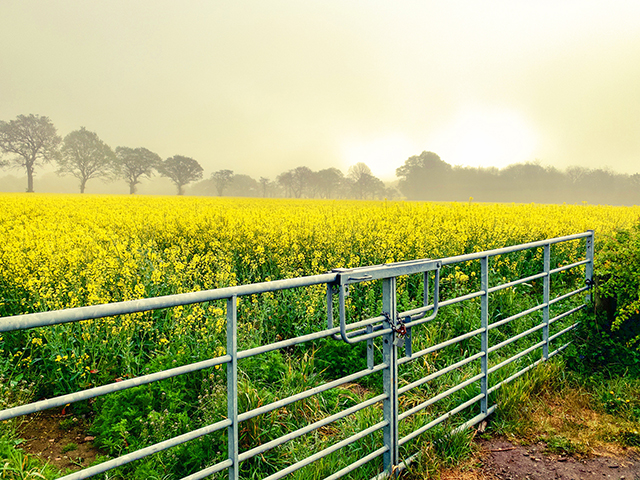
Rural land sales are continuing on a steady pace for early spring, with prices holding very strong with the sell-to-list price ratios remaining very high, even on properties that have been on the market for a longer than usual time period. The total number of transactions are picking up once again as the spring selling season kicks off, and the average acreage continues to decrease.
Larger acreage properties seem to be in higher demand than smaller properties currently, with many buyers simply parking cash in real estate to hedge against inflation. Interest rates seem to have settled down and most experts agree that rates will be reduced by the fed this year. Some lenders have programs in place that allow the buyer to reduce their rates without having to go through a full refinance ordeal.
To read more, pick up a copy of the May issue of NTFR magazine. To subscribe by mail, call 940-872-5922.
Graham
Texas
Future Farmers of America was founded by a group of farmers in 1928 with the mission of preparing the next generation of agriculture. It has done just that during its 95-year history, as the organization works to give back to others by following its motto, “learning to do, doing to learn, earning to live, living to serve.”
FFA is an organization made up of state associations, and at the helm of the Texas FFA is a team of 12 officers representing their respective areas within the Lone Star State. These individuals dedicate a year of their lives as they serve members, provide leadership, and work together with the state staff and board of directors to develop policy and lead the organization of over 177,000 members.
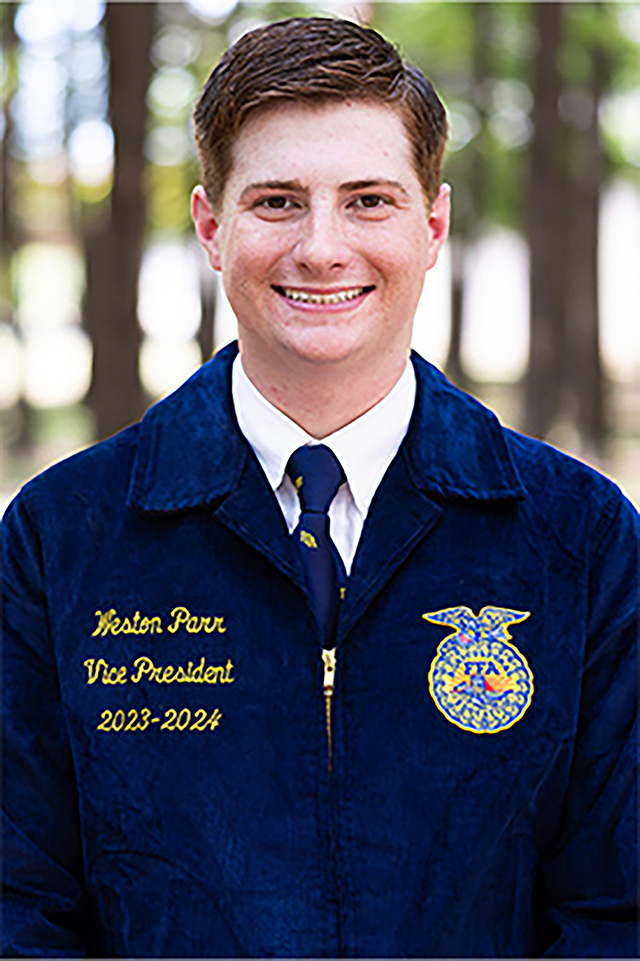
North Texas is represented by Area IV and Area IV, stretching from Wilbarger County to Bell County and from Runnels County to Grayson County. This year, those chosen to lead this great area are State President Isaac Hawkins Jr., Area IV, and State Vice President Weston Parr, Area V.
Parr is from the Sam Rayburn FFA chapter and the Area V Association, but the leader who now serves more than 19,100 members of Area V entered the FFA organization as a shy teenager who sat in the back of the room.
“I didn’t talk to a whole lot of people. I didn’t know what I wanted to do with my life or where I could see myself, so I wasn’t involved on my high school campus,” Parr recalled.
“Then I started FFA and slowly but surely, my ag teachers worked me into attending more contests, meeting new people, and speaking. I remember the first time I gave an officer speech to my chapter. I can still remember how embarrassing it was. To see the progression from that moment to speaking on stage at the state convention in front of thousands of people. Now I feel like I can enter the industry I want and be successful all because of what FFA afforded me for five years.”
There is not much Parr did not do during his time in high school. His contest participation included chapter conducting, wool judging, cotton judging, wildlife, and job interview, but his favorite was extemporaneous speaking, which he did not start until his senior year of high school.
“I wish I could go back to my freshman, sophomore, and junior years and start that sooner. I think if I had more time, I would have been more successful than I already was, but that was something I didn’t realize I liked at the time. I’m not naturally somebody who likes to speak in public, but it was actually my favorite,” Parr said.
Parr won several awards during his time competing. In 2023 alone, Parr earned the Texas FFA Service-Learning Proficiency title, was a National FFA Service-Learning Proficiency finalist, and a Texas FFA Extemporaneous Speaking finalist. In addition to his CDE and LDE events during high school, he showed commercial steers at Houston, and boilers at most major shows, participated in the county show with projects in ag mechanics, showed goats from time to time, and showed heifers until graduation.
“FFA provides invaluable resources and knowledge to be successful once you leave high school and you are out of the blue jacket for the first time. I have been a part of a lot of great organizations over the years, and they are all great in their own way, but in my opinion, FFA is the most successful at producing members of society who want to go and do something with themselves,” Parr said.
He was halfway through his time as Area V Association President and attending the national convention when he began to ponder the idea of running for state office.
“This is around the time when you usually figure out if you want to go through and be a state officer or you decide that area officer is your last run. I was unsure of where I wanted to go, but I knew I didn’t want to be done with FFA. I decided maybe it would be a good opportunity not only for me to make more friendships and connections, but also to give back to the program that allowed me to be able to do what I can do today,” Parr explained.
To read more, pick up a copy of the May issue of NTFR magazine. To subscribe by mail, call 940-872-5922.

Graham
Texas
FFA is an organization made up of state associations, and at the helm of the Texas FFA is a team of 12 officers representing their respective areas within the Lone Star State. These individuals dedicate a year of their lives as they serve members, provide leadership, and work together with the state staff and board of directors to develop policy and lead the organization of over 177,000 members.
North Texas is represented by Area IV and Area IV, stretching from Wilbarger County to Bell County and from Runnels County to Grayson County. This year, those chosen to lead this great area are State President Isaac Hawkins Jr., Area IV, and State Vice President Weston Parr, Area V.
These young leaders share a drive to give back to the organization that has given to them as they work to support FFA members while preparing for a future in the agricultural industry.
From the 12 selected representatives, delegates elect a president and first vice president, with the remaining 10 serving as vice presidents from their respective area associations. The selection process consists of a popular vote by delegates at the state convention, which accounts for 40 percent of the decision, and a committee process that includes a written knowledge exam, worth 10 percent, and an interview, accounting for 50 percent. This year, after all was said and done, Hawkins was named this year’s Texas FFA President.
Hawkins grew up as part of a large, blended family with five sisters and three brothers. While he says he did not grow up in agriculture, his youth was spent outside fishing and doing all things outdoors with his father, whom he calls his best friend. As he entered Hirschi High School in Wichita Falls, Hawkins knew he wanted to be a vet but was unsure of what courses to take to set himself on that path.
“I signed up for ag principals just because they had animals in the description. The first day of class we talked about churning butter, and I went to my school counselor that same day and told her to change my schedule immediately, but she refused. She made me stay there,” Hawkins laughed. “Luckily, I had an incredible ag teacher, and she really helped me to fall in love with the program.”
To read more, pick up a copy of the May issue of NTFR magazine. To subscribe by mail, call 940-872-5922.





-

 Country Lifestyles1 year ago
Scott & Stacey Schumacher: A Growth Mindset
-
 Equine8 months ago
The Will to Win
-
 Country Lifestyles7 years ago
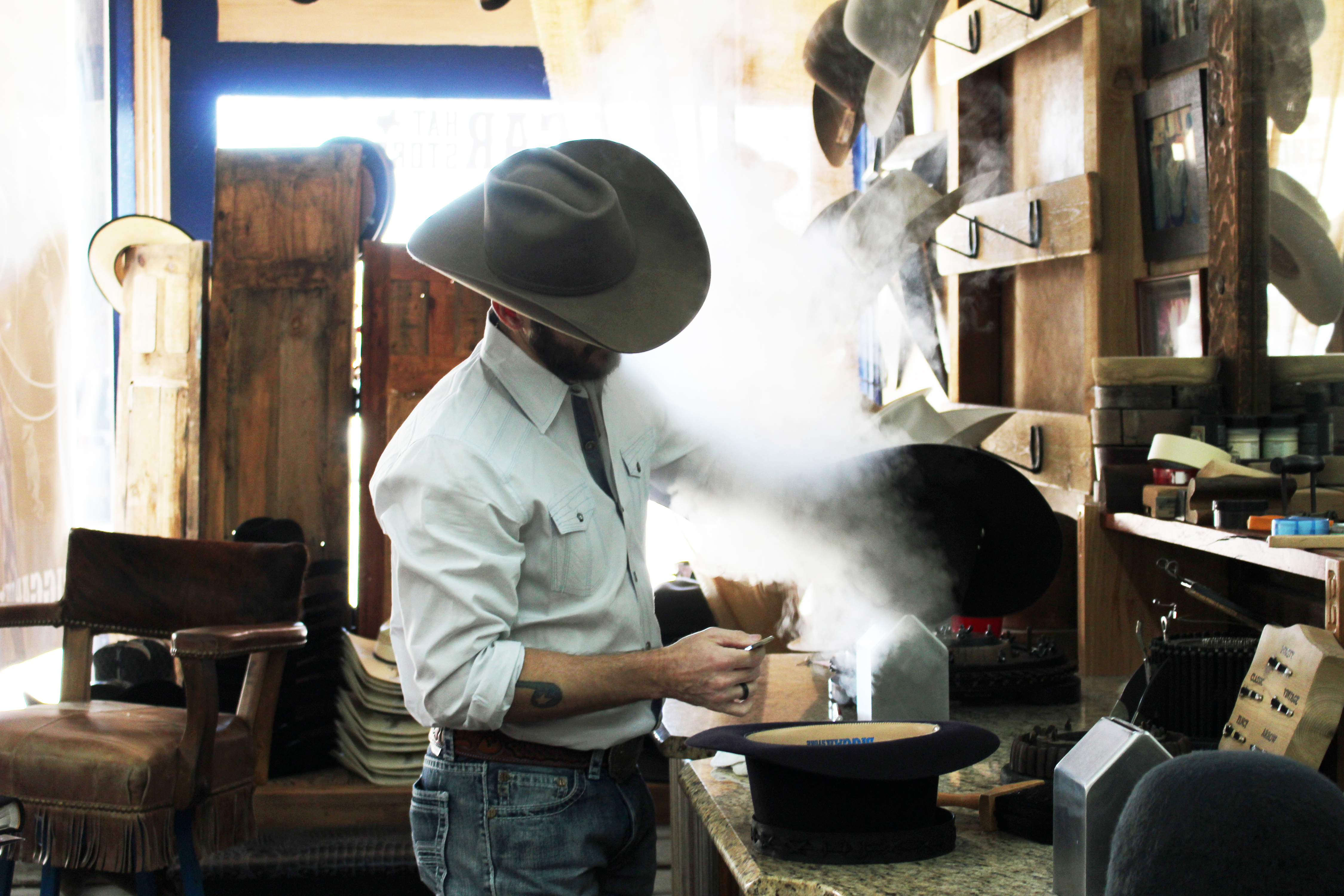
Style Your Profile – What your style cowboy hat says about you and new trends in 2017
-
 Country Lifestyles4 years ago
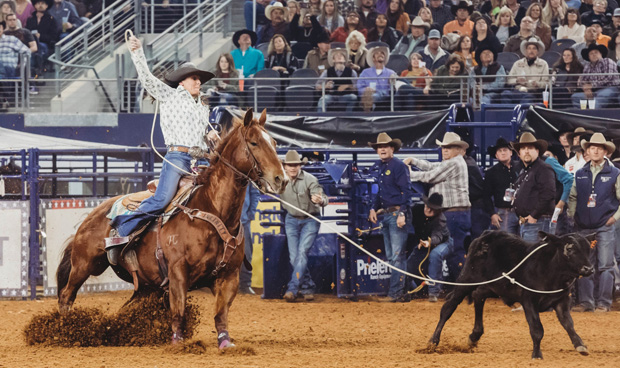
Amber Crawford, Breakaway Roper
-
 HOME7 years ago
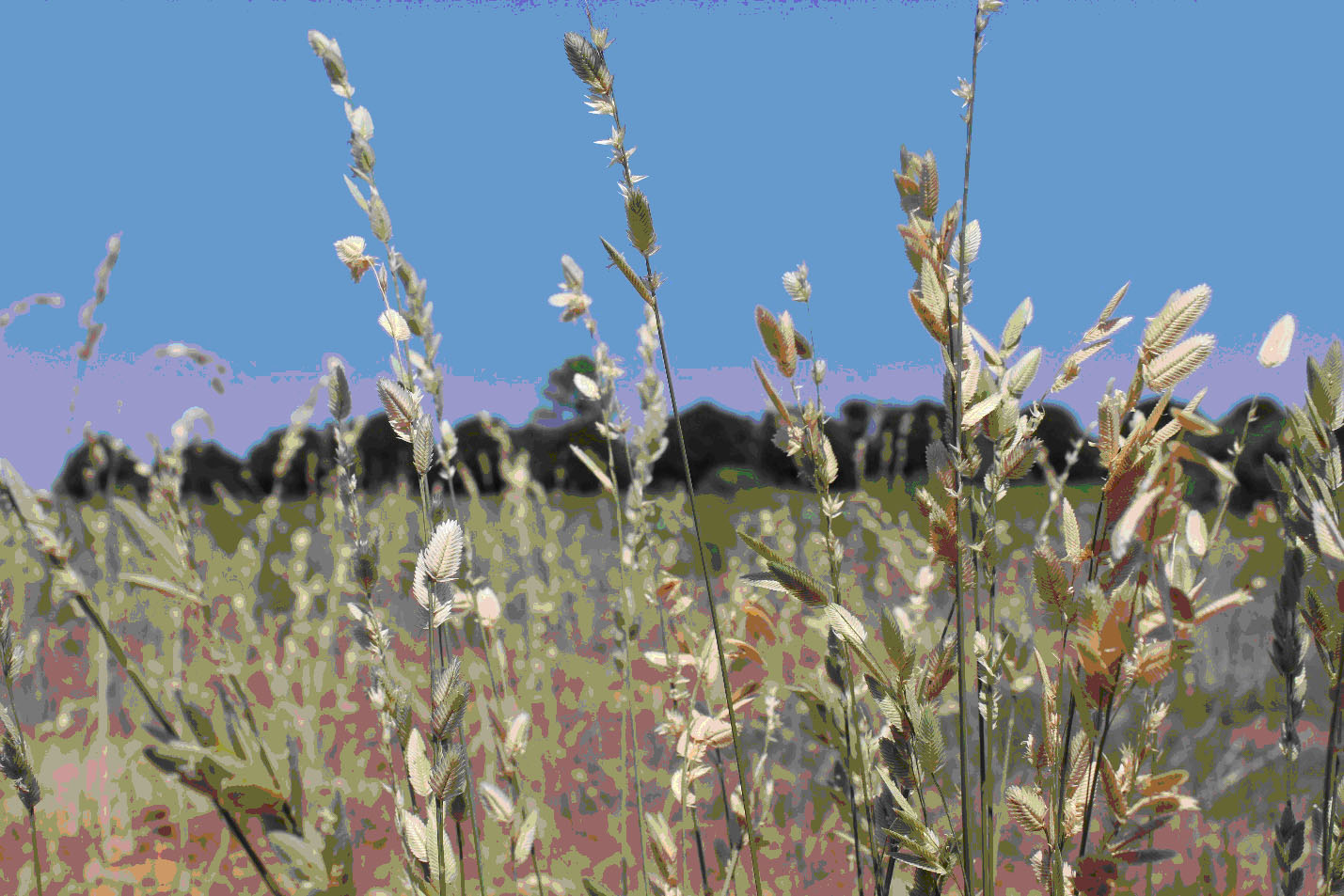
Grazing North Texas – Wilman Lovegrass
-
 Country Lifestyles7 years ago
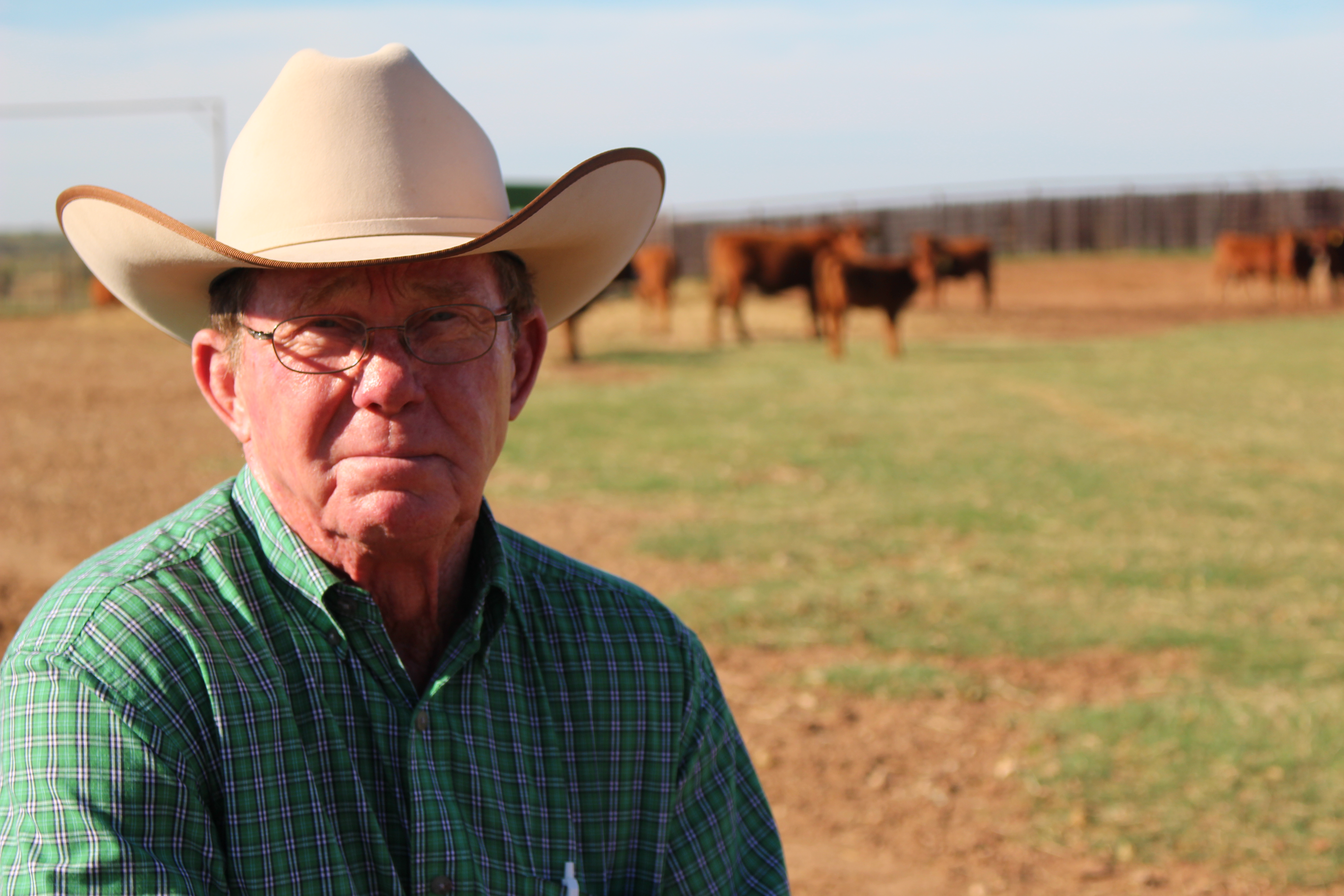
December 2016 Profile, Rusty Riddle – The Riddle Way
-
 Country Lifestyles8 years ago
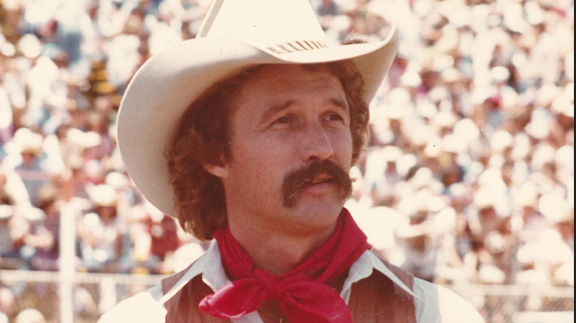
June 2016 Profile – The man behind the mic: Bob Tallman
-
 Outdoor9 years ago
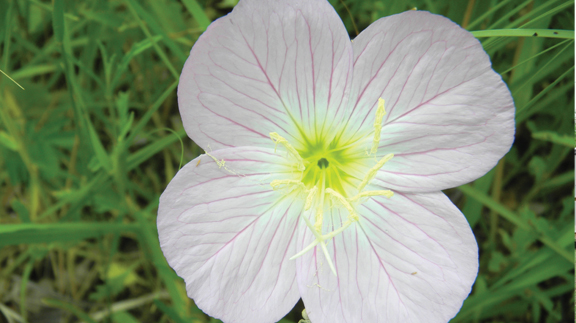
Buttercup or Primrose?