Dogs of the Southwest Art Exhibit

Sandy Magrath: Dogs of the Southwest art exhibit will open May 1 – June 30 at the Chisholm Trail Heritage Center. A meet the artist reception will be 3:30-6:30 p.m. on May 9 at the cente.r Magrath of Norman is inspired by the designs and colors of the Southwest, and by her dogs. She has painted dogs with personality and her work will be available to purchase through the Heritage Center.

By Savannah Magoteaux
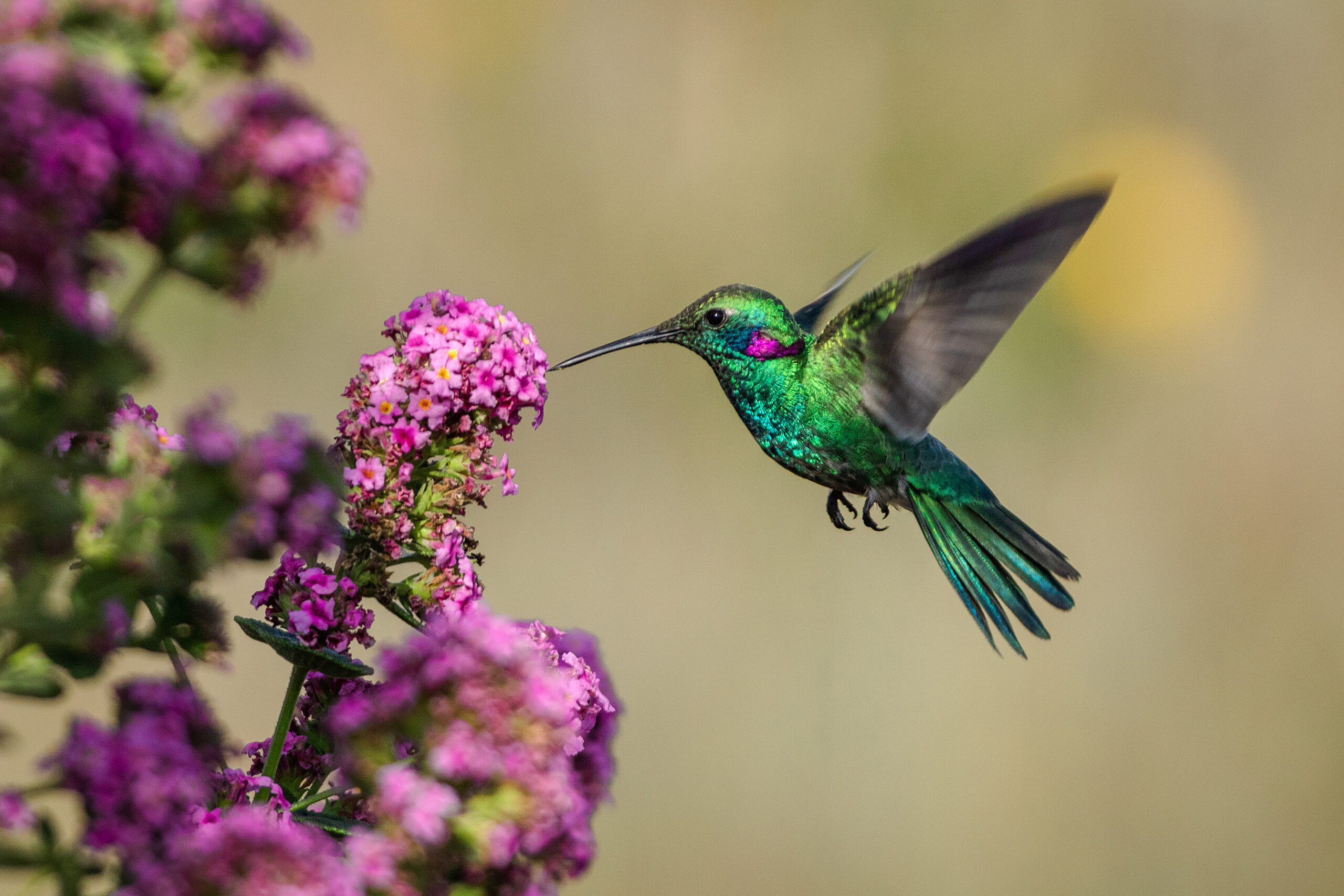
By October, a feeder that seemed to need refilling every day can suddenly go quiet. The hummingbirds haven’t disappeared. Most have headed south.
The ruby-throated hummingbird is the species most Oklahomans know best. It breeds across much of the eastern United States and Canada and migrates to wintering grounds in Mexico and Central America. Some birds cross the Gulf of Mexico in a long nonstop flight. Others follow the Gulf Coast.
Fall migration stretches over weeks rather than happening on one date. Adult males often start south before females and young birds. Hummingbirds you see later in the season may have nested farther north and are passing through Oklahoma.
That leads to one persistent myth. Feeders don’t keep hummingbirds from migrating. Changing day length and internal biological cues drive migration. A clean feeder can help late migrants refuel. In Oklahoma, it can also give you a chance to spot an unusual western hummingbird that wanders east after the main ruby-throated migration.
The standard feeder mix is plain white granulated sugar dissolved in water at about one part sugar to four parts water. You don’t need red dye. Clean feeders regularly, and more often in warm weather, when sugar water spoils faster.
Natural food matters, too. Hummingbirds feed heavily on small insects and spiders as well as nectar. Late-blooming native flowers can supply fuel when migration demands are high.
The trip south is remarkable for an animal that weighs only a few grams. Before migrating, hummingbirds enter hyperphagia, a period of intense feeding that lets them put on substantial fat reserves and carry their fuel with them. That stored fat is essential, because hovering flight takes enormous energy and long stretches of migration may offer few chances to refuel. Birds that cross the Gulf may fly hundreds of miles without stopping.
Weather can delay or speed up their movement. North winds after a cold front may help southbound migrants, while storms along the Gulf can hold birds up. That is why feeder activity can spike for a day or two even after your summer birds seem to be gone.
When the last familiar bird leaves your feeder, it may be headed to southern Mexico or Central America while another bird from Kansas or Missouri is still on its way through. A quiet feeder usually means the traffic has changed, not ended.
You can support migrants without trying to manage their schedule. Keep feeders clean, leave late-blooming flowers in place and avoid broad insecticide use around nectar plants. A hummingbird may sip at your feeder, then spend much of the next hour hunting tiny insects for protein and other nutrients.
Don’t worry if your feeder stays up after the usual migration window. The birds won’t cancel migration because sugar water is available. A feeder left out can support late birds, but keep it especially clean once visits drop, because nectar may sit longer between refills.
If you see a hummingbird well into late fall, take photographs if you can. Oklahoma occasionally hosts species more typical of the West, and documented late-season visitors can make valuable bird records.
By NTFR Staff
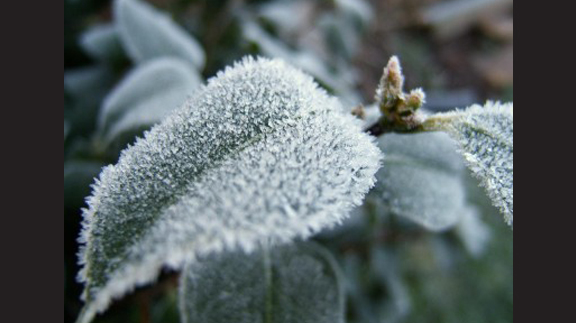
The first frost feels like a clean break between seasons, but for cattle producers it can open a short window when familiar forage deserves a second look. Frost can change plant chemistry, end active growth and upend grazing plans almost overnight. The bigger concern is what frost does to certain plants, particularly members of the sorghum family.
Johnsongrass, forage sorghum, sorghum-sudangrass hybrids and related plants can contain compounds that release hydrogen cyanide, commonly called prussic acid, when plant tissue is damaged. Drought stress can raise the risk, and frost can make it worse. Frost ruptures plant cells and brings the compounds that form prussic acid into contact, creating forage that can be dangerous even though it may still look green and palatable.
Prussic acid acts fast. The rumen releases it, and it is absorbed into the bloodstream, where it keeps cells from using oxygen properly. Signs may include rapid breathing, muscle tremors, salivation, staggering, convulsions and collapse. In severe cases, producers may find a dead animal before seeing any obvious symptoms.
That is why Oklahoma State University recommends keeping cattle off frost-damaged susceptible forage for at least seven days after a killing frost, and until the plants are completely dry and brown. A light frost can be trickier. If the plant survives, new shoots or tillers may emerge, and that young regrowth can be especially high in prussic acid. Don’t turn cattle back in just because a few warm afternoons followed the frost.
The practical question is always the same: Is this field risky? Species matters. Johnsongrass and sorghum-type forages deserve attention. Pearl millet and foxtail millet, by comparison, have much lower prussic acid potential. If you aren’t sure what is growing in a field, identify it before you make a grazing decision.
Prussic acid vs. nitrates
Nitrate toxicity is a separate issue. Producers sometimes lump nitrates and prussic acid together because both are associated with stressed forage, but they behave differently. Prussic acid can dissipate as forage dries. Nitrates don’t simply disappear after frost, wilting or baling. Nitrate can remain in hay and other stored forage. When drought, heavy nitrogen fertilization, cloudy weather or other stresses have raised concerns, a lab test is the safest way to know what your cattle are getting.
Frost also changes how you should think about haying or baling suspect forage. Prussic acid is volatile and can dissipate during proper curing, so well-cured hay from a sorghum-type crop is generally a different risk than freshly frost-damaged grazing. Nitrates are the opposite problem. They stay in the forage after baling, so a nitrate test can matter more than appearance. Ensiling can lower nitrate concentration somewhat, but it doesn’t guarantee safety. Testing is still the better choice.
The toxins also sit in different parts of the plant. Prussic acid potential is often greatest in young leaves and new growth, while nitrate tends to build up in the lower stem. That matters when you are deciding whether to graze, cut high, bale or sample a field. A lab result is only useful if the sample represents the forage your cattle will eat.
Don’t use color as a safety test, either. A plant can look dry while nitrate remains, and a green plant isn’t automatically high in prussic acid. Species, recent stress and lab testing carry more weight than appearance. When the forage is valuable enough to graze or feed, a test is cheap compared with losing cattle.
A management checkpoint
The first frost also changes ordinary pasture management. Warm-season grasses stop putting on meaningful new growth, and what is standing becomes a finite supply. Cattle that have spent months picking the best leaves may start taking lower-quality stems and plants they used to ignore.
A killing frost can also open up plants cattle previously passed by. Leaves drop, stems turn brittle, and cattle may reach low spots along fence rows or ditches. If johnsongrass has been growing unnoticed at the edge of a pasture, frost is a good reason to notice it now. The same goes for volunteer sorghum in crop residue or waterways.
For cow-calf producers, the first frost makes a convenient checkpoint. Fall-calving cows may be entering peak nutritional demand. Spring-calving cows may be in mid-gestation and easier to keep up, but thin cows still need time to gain condition before winter. Reassess body condition, available forage and whether you need to start supplementing. Waiting until cows lose condition makes the fix more expensive.
Check water, too. Cooler weather may reduce how much you see cattle drink, but they still need ready access to clean water. A sudden cold snap can expose leaking floats, weak heaters or water systems nobody has checked since last winter.
North Texas weather rarely changes in a straight line in the fall. A frost may be followed by warm afternoons, then another cold front, so the plants tell you more than the calendar does. When susceptible forage is involved, give frost-damaged plants time to cure, and remember that new growth can restart the clock.
The simplest first-frost plan is to walk the pasture before moving cattle. Identify sorghum-type plants and johnsongrass. Look for patches that were already drought-stressed. Check whether a light frost has triggered new growth. If you have any doubt, keep cattle out and have suspect forage tested through a qualified lab or Extension office.
The most dangerous part of first-frost management is assuming cold weather solved a forage problem. Prussic acid responds to time and curing. Nitrates don’t go away on their own, and ordinary pasture quality keeps declining even when plenty of standing material remains. Frost marks the start of a new management season. A few minutes spent identifying plants and thinking through the previous week’s weather before you open a gate can prevent a problem that develops in minutes once hungry cattle start grazing.
By Beth Watkins
I have started this over and over.
Usually, when that happens, it’s because I can’t think of anything to say. This time, it’s because I have too much.
Too many memories. Too many feelings. A heart full of gratitude mixed with a sadness that feels a little silly when you consider I never actually knew Dolly Parton.
And yet, somehow, didn’t we all feel like we did?
When the news came that Dolly had died, a collective sadness seemed to settle over people from every walk of life. Country music fans, rock stars, grandmothers, little girls, people from the mountains and people who wouldn’t know which end of a cow the feed goes in.
Everybody had a Dolly story.
Mine begins in a little trailer house.
My sister and I shared a bedroom growing up, and although I couldn’t tell you exactly how old we were, I can still picture that room. It wasn’t much bigger than the full-size bed pushed against the wall. There wasn’t room for matching nightstands, reading chairs or any of the things Pinterest would now tell us a bedroom requires.
There was just enough room for two sisters.
And at night, my sister would sing me to sleep.
She has always had a beautiful voice, and the song that seemed to send me off to sleep best was Dolly Parton’s “Coat of Many Colors.”
I can still hear it.
Funny how memories work. I couldn’t tell you what color the curtains were or what was hanging on the wall. I couldn’t tell you what pajamas I had on or what we had eaten for supper. But more than fifty years later, I can close my eyes and hear my sister singing about a little girl whose mama stitched together a coat made from rags and told her the Bible story of Joseph and his coat of many colors.
Every stitch was sewn with love.
Back then, I only knew it was a pretty song that somehow soothed my little-girl soul. I didn’t know I was listening to a lesson.
A lesson about poverty without shame. About finding abundance in what the world might call lack. About the difference between what something costs and what something is worth.
Maybe that is why Dolly’s death feels strangely personal to so many of us.
Her songs found their way into bedrooms and kitchens, old pickups and beauty shops. They became part of weddings, funerals, childhoods and long drives home. Somewhere along the way, Dolly Parton became woven into the fabric of our lives.
Since her passing, I have seen one phrase repeated again and again:
Be like Dolly.
Be kind like Dolly. Love people like Dolly. Give like Dolly. Don’t judge people. Treat everyone with dignity. Stay humble. Stay true to who you are.
I understand exactly what people mean. Lord knows the world could use a whole lot more of that.
But I keep thinking… those ideas didn’t begin with Dolly Parton.
The Bible was here long before Dolly. The Ten Commandments were here long before Dolly. “Love your neighbor as yourself” was spoken long before somebody glued the first rhinestone onto a guitar.
And Dolly herself would have known that better than most.
She grew up dirt poor in the mountains of Tennessee, one of twelve children, in a family where faith wasn’t reserved for Sunday morning. She grew up singing in church, and throughout her life she spoke openly about prayer, God, forgiveness and her belief that the gifts she had been given came with a purpose.
She believed God had His hand on her life and that she was supposed to do something good with it.
I’d say she did.
Dolly didn’t spend her life preaching Christianity at people. She lived much of it in front of them.
She fed people. She helped people. She put books into the hands of millions of children who might otherwise never have owned one. She poured money back into the poor mountain community she came from. She stepped forward when disaster devastated families. She treated the powerful and the powerless with the same dignity.
And somehow, she became one of the most famous women in the world without deciding that made her better than anybody else.
She also seemed to understand something we have forgotten lately: Not every conversation has to become a political argument.
Dolly was asked plenty of times to weigh in on politics, and she repeatedly made it clear that she was an entertainer, not a politician. She had opinions, of course she did, but she didn’t seem to believe every opinion needed a microphone.
Well, mercy. Imagine that.
Today we can’t seem to buy tomatoes without somebody wanting to know how we vote. Dolly somehow managed to welcome people without first requiring them to agree with her.
Maybe that’s part of the void we feel now. We didn’t just lose a singer. We lost one of those increasingly rare people almost everybody had agreed we could simply love.
But I think we need to be careful here.
If we say, “Don’t let Dolly’s spirit die,” and all we mean is play her music louder, wear rhinestones, visit Dollywood and quote her funny sayings, then I think we’ve missed the best part of what she left us.
Honor her by doing what she did.
See people. Help somebody who can’t repay you. Give quietly. Speak kindly. Remember where you came from. Laugh at yourself. Use whatever God placed in your hands to make somebody else’s road a little easier.
And for heaven’s sake, sometimes keep your opinion to yourself.
Maybe the message isn’t really Be like Dolly. Maybe it’s this: Remember who Dolly was trying to be like: Jesus.
A woman who understood that she had been blessed, and therefore had a responsibility to bless somebody else. A light. And lights aren’t meant merely to be admired. They’re meant to help somebody else find their way.
Somewhere in my memory, there will always be a little trailer-house bedroom, a full-size bed pushed against the wall, and my sister’s beautiful voice singing a Dolly Parton song until her big sister drifted off to sleep.
I didn’t know then that the song would follow me through nearly every season of my life. Even now, when my sister and I take one of our sister trips and end up sharing a hotel room, I still make the same request:
Sing me my song.
And she does.
I didn’t know, lying in that little bed all those years ago, that the woman who wrote those words would one day leave such an enormous empty space behind.
But even through the sadness, I can’t help but smile. Somewhere beyond what we can see, I like to imagine Heaven’s choir sounding just a little sweeter now.
Dolly left a void here on earth, but she also left something behind that death cannot take away: the example of a life lived with faith, generosity, humor, humility and love.
Maybe we don’t keep her light alive by trying to become Dolly. Maybe we keep it alive by remembering what she knew all along:
The light was never hers to begin with. It came from God. She simply let it shine.
And now it’s our turn.




-
 Country Lifestyles4 years ago
Scott & Stacey Schumacher: A Growth Mindset
-
 Country Lifestyles10 years ago
Style Your Profile – What your style cowboy hat says about you and new trends in 2017
-
 Horsefeathers12 years ago
Mount Scott: Country Humor with David Gregory
-
 Country Lifestyles10 years ago
June 2016 Profile – The man behind the mic: Bob Tallman
-
 Outdoor11 years ago
Buttercup or Primrose?
-
 Country Lifestyles10 years ago
December 2016 Profile, Rusty Riddle – The Riddle Way
-
 HOME10 years ago
Grazing North Texas – Wilman Lovegrass
-
 The Natural Horseman9 years ago
This is why we do what we do — RayeAnn and Cisco