87th Annual Clay County Pioneer Reunion

Henrietta
TX 76365
USA
87th Annual Clay County Pioneer Reunion
Sept. 13-15
Tex Rickard Arena, Henrietta, Texas. Gear up for the annual Clay County Pioneer Reunion filled with parades, rodeo and much more, Sept. 13-15.


Henrietta
TX 76365
USA
By OKFR Staff
The first cold front slows Oklahoma’s snakes down, but it doesn’t make them disappear.
Snakes are ectothermic, meaning their body temperature depends heavily on their surroundings. They can’t generate and regulate body heat the way mammals and birds do. As temperatures fall, digestion, movement and other body processes slow.
In winter, snakes enter a dormant state called brumation. It resembles hibernation, but reptiles may become active during warm spells. They look for protected places where temperatures stay more stable, including deep rock crevices, burrows, old foundations, caves and spaces below the frost line.
Some species gather at communal winter sites. A den with the right depth, moisture and temperature may be used for generations.
Snakes don’t spend the winter in one continuous sleep. A mild January afternoon can bring one to a den entrance to bask before it retreats again.
That explains why a warm fall day after a cold snap can still produce a snake encounter. A south-facing rock pile, barn foundation or sunny trail may warm up enough for a snake to move even after cold nights.
Different species choose different winter shelters. Rattlesnakes may use rocky dens below the frost line. Rat snakes can shelter in hollow trees, old wells or building foundations. Smaller species may disappear into mammal burrows or deep soil cracks. They all need protection from temperatures that would leave them unable to function.
Brumating snakes are sluggish, so disturbing a winter den can be dangerous for the snakes and is unnecessary for people. Leave a cluster of snakes in a natural rock outcrop alone. If snakes are getting into an occupied building, handle it with exclusion work, sealing entry points and removing attractants, rather than by handling the animals.
You can reduce unwanted encounters around buildings by sealing gaps, controlling rodents and keeping debris piles away from the house. Firewood stacked against a wall provides both cover and prey habitat. Out in the open, though, snakes are an important part of the ecosystem, and many species help control rodents.
If you come across a snake, keep your distance. Don’t try to handle or kill a snake you can’t confidently identify. Oklahoma has both venomous and nonvenomous species, and bites are most likely during close contact.
Young-of-year snakes may still be active in fall. A small snake isn’t automatically harmless, and size alone is a poor way to identify one. Give any unknown snake room, and take photographs from a safe distance if you need an identification.
Homeowners sometimes find wintering snakes only after moving firewood, opening a crawl space or cleaning out an old shed. Wear gloves and boots and carry a flashlight when working in protected spots where rodents and snakes may shelter. If you find a venomous snake in or right around a building, call a qualified wildlife professional instead of trying to remove it with improvised tools.
By spring, warming soil and longer days bring snakes back to regular activity. They may use the same den or refuge year after year, so the best fix for a recurring problem near a house is exclusion and habitat changes made when you can safely work the site.
Cold weather changes snake activity, but it doesn’t flip an off switch. Until sustained winter weather arrives, a warm patch of sun can still put a snake right where you didn’t expect one.
Henrietta
TX 76365
USA
By Ann Asher
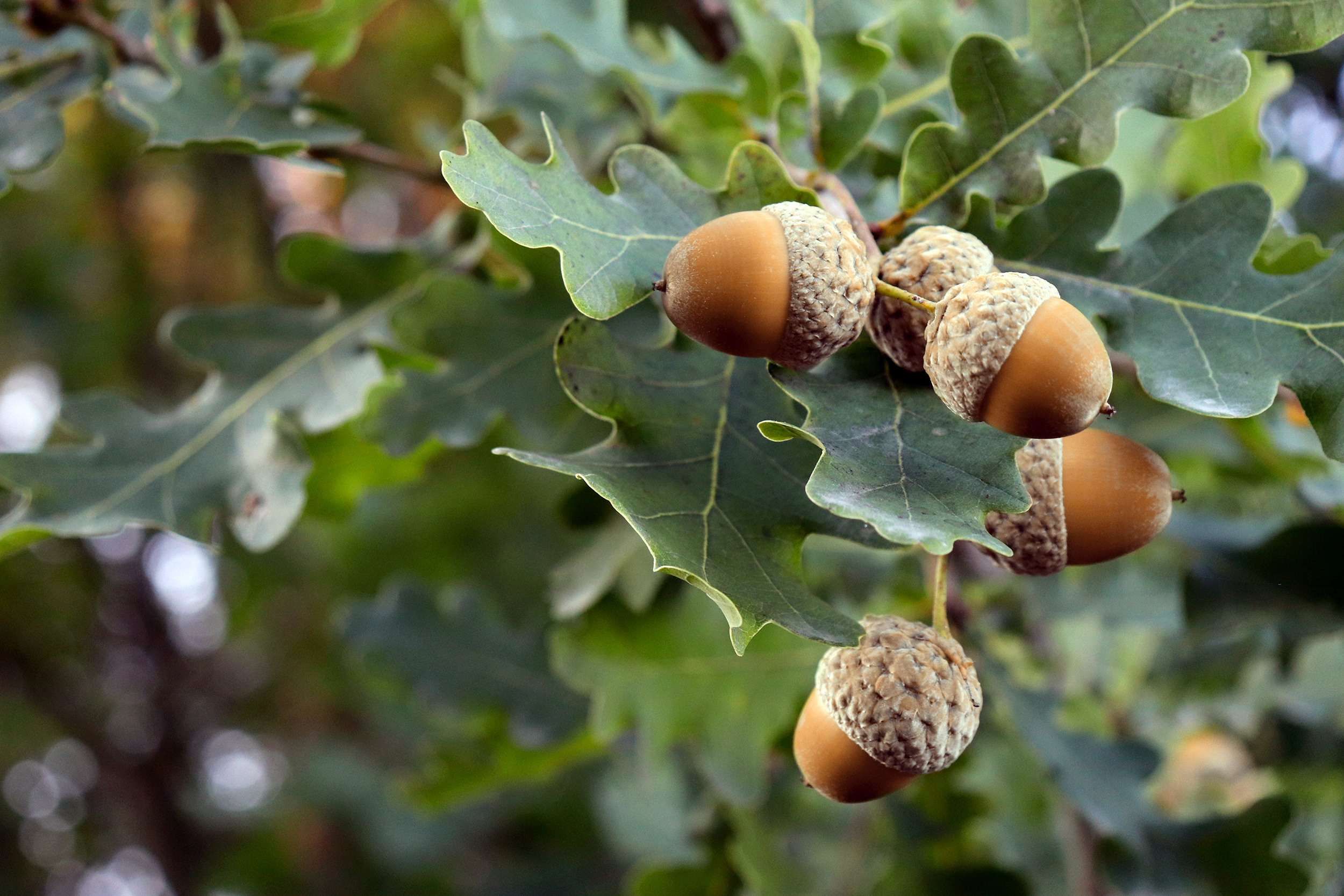
A yard full of acorns always seems to bring the same prediction: “We’re going to have a hard winter.” Oaks, unfortunately, don’t have access to a seasonal forecast.
Heavy acorn years are called mast years. Oaks can produce enormous crops in some years and very few in others. Species, tree health, pollination, weather during flowering and fruit development, and broader biological cycles scientists are still studying all influence the pattern.
The trouble with the winter-weather theory is timing. Acorns start developing months before winter arrives. A tree can’t know a February ice storm is coming and deliberately make extra acorns in response.
Weather does influence the crop, just not as a forecast. A late freeze can damage oak flowers and reduce production. Drought can stress trees. Good growing conditions can support development. Different oak groups also mature acorns on different schedules, so the crop under one tree may not match the crop under another.
Members of the white oak group generally mature acorns in one growing season, while many red oak species take two seasons from pollination to mature acorn. That means the weather that shaped this year’s crop may have hit at different stages depending on the oak.
One reason the myth feels convincing is that people remember the hits. A huge acorn crop followed by a memorable ice storm becomes a story. A huge crop followed by an ordinary winter is quickly forgotten. That is classic confirmation bias, and weather folklore is full of it.
What mast years do
Mast years do have real effects. Deer, squirrels, turkeys and other wildlife take advantage of abundant nuts. When acorns are plentiful, deer may spend less time at feeders or food plots because high-energy food is already scattered under the trees. Rodent populations can also respond to abundant mast.
Scientists study mast years for a better reason than forecasting weather. Large, synchronized seed crops can overwhelm seed predators, so more acorns survive and germinate. Mast also ripples through wildlife populations by providing a temporary burst of high-energy food.
For livestock producers, a bumper crop can be less charming. Cattle eating large amounts of acorns can develop oak toxicity, particularly when forage is scarce and animals eat acorns heavily.
In North Texas, the most useful thing a landowner can do with a heavy acorn crop is watch who is eating it. Deer may shift toward oak bottoms. Hogs can concentrate where mast is abundant. Cattle may start eating acorns if grass is short. Those are immediate management clues, unlike a guess about January temperatures.
Weather forecasting has improved because meteorologists measure the atmosphere and oceans, not because anyone found a better acorn. So enjoy the old saying, but don’t reorganize your winter feed budget around it. A ground covered in acorns tells you quite a bit about the oaks’ recent growing season and much less about weather that is still months away. The oak crop can stay where it belongs: in ecology, wildlife food and an enjoyable piece of fall folklore.
Henrietta
TX 76365
USA
By Ann Asher
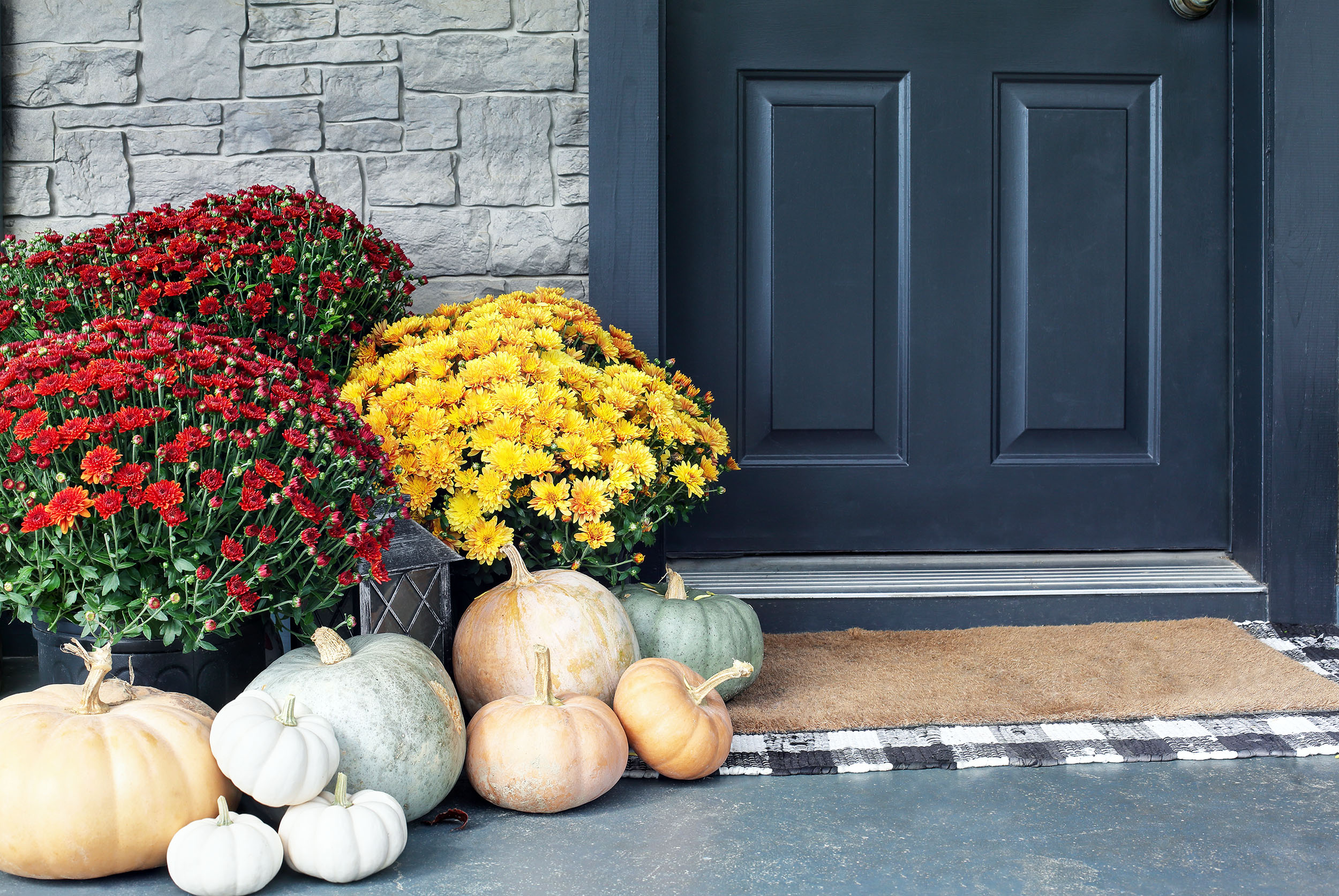
Long before the first pumpkin-spice sign appears in a store, pumpkins start showing up on porches. Some are carved, some are stacked beside mums and hay bales, and some stay right where they were placed until the first hard freeze turns them soft. The tradition feels thoroughly American, but its story crosses the Atlantic.
People in Ireland and other parts of the British Isles carved lanterns from turnips and other root vegetables long before pumpkins became the standard. The practice became tied to Halloween customs and stories of wandering spirits. Carvers hollowed out the vegetables, gave them faces and lit them from within.
Immigrants brought those traditions to North America, where they found a much better carving material. Pumpkins were native to the Americas and were grown here for food long before European settlement. Compared with a hard turnip, a large pumpkin was easier to hollow out and offered a much bigger surface for a face.
The pumpkin has an American agricultural story that predates Halloween by thousands of years. Indigenous peoples domesticated squashes in the genus Cucurbita and grew them for food long before European colonization. Early European settlers quickly adopted squash and pumpkins because they stored well and provided reliable calories.
By the 19th century, pumpkins were increasingly tied to American autumn imagery. They were harvest food, livestock feed and a symbol of rural abundance. American writers were already using them as symbols of country life and harvest. Washington Irving’s 1820 story “The Legend of Sleepy Hollow” famously ends with a shattered pumpkin, although it doesn’t describe a carved jack-o’-lantern. Later 19th-century newspapers and magazines increasingly connected carved pumpkins with Halloween celebrations. Halloween grew into a widely celebrated community holiday, and the jack-o’-lantern became one of its most recognizable decorations.
The porch pumpkin that never gets carved owes as much to harvest decorating as to Halloween. Corn shocks, gourds, apples and pumpkins once represented what had come out of fields and gardens. Today’s fall porch may be more decorative than practical, but it still borrows from the look of harvest.
The modern porch display blends several threads that developed separately: harvest decoration, Halloween lanterns and the pumpkin’s long place in American agriculture. That is why the same pumpkin can look perfectly at home beside a scarecrow in early October and become a jack-o’-lantern by the end of the month.
Commercial pumpkin production eventually reinforced the tradition. Growers selected varieties for carving size, strong stems, unusual colors and long display life as well as eating quality. The pumpkin patch became an attraction of its own, turning harvest into a family outing.
Oklahoma farms now sell everything from classic orange carving pumpkins to white, blue-gray and deeply ribbed heirloom types. The porch display may look modern, but it still depends on a crop bred and grown to handle fall weather better than most garden produce.
Pumpkins also fit the season unusually well. They keep for weeks when handled carefully, come in enough shapes and colors to satisfy any decorator and can move from porch to kitchen if they are edible varieties. Afterward, you can compost sound, undecorated pumpkins instead of sending them to the landfill.
One caution: don’t offer painted or chemically treated pumpkins to livestock or wildlife, and don’t dump even plain pumpkins in large quantities for wild animals. Local rules may also prohibit intentional wildlife feeding.
A pumpkin on an Oklahoma porch may look like nothing more than seasonal decoration. Behind it is a mix of Indigenous agriculture, European folk custom, immigration and American harvest culture. That is a lot of history for something we eventually cut a smile into.




-
 Country Lifestyles4 years ago
Scott & Stacey Schumacher: A Growth Mindset
-
 Country Lifestyles10 years ago
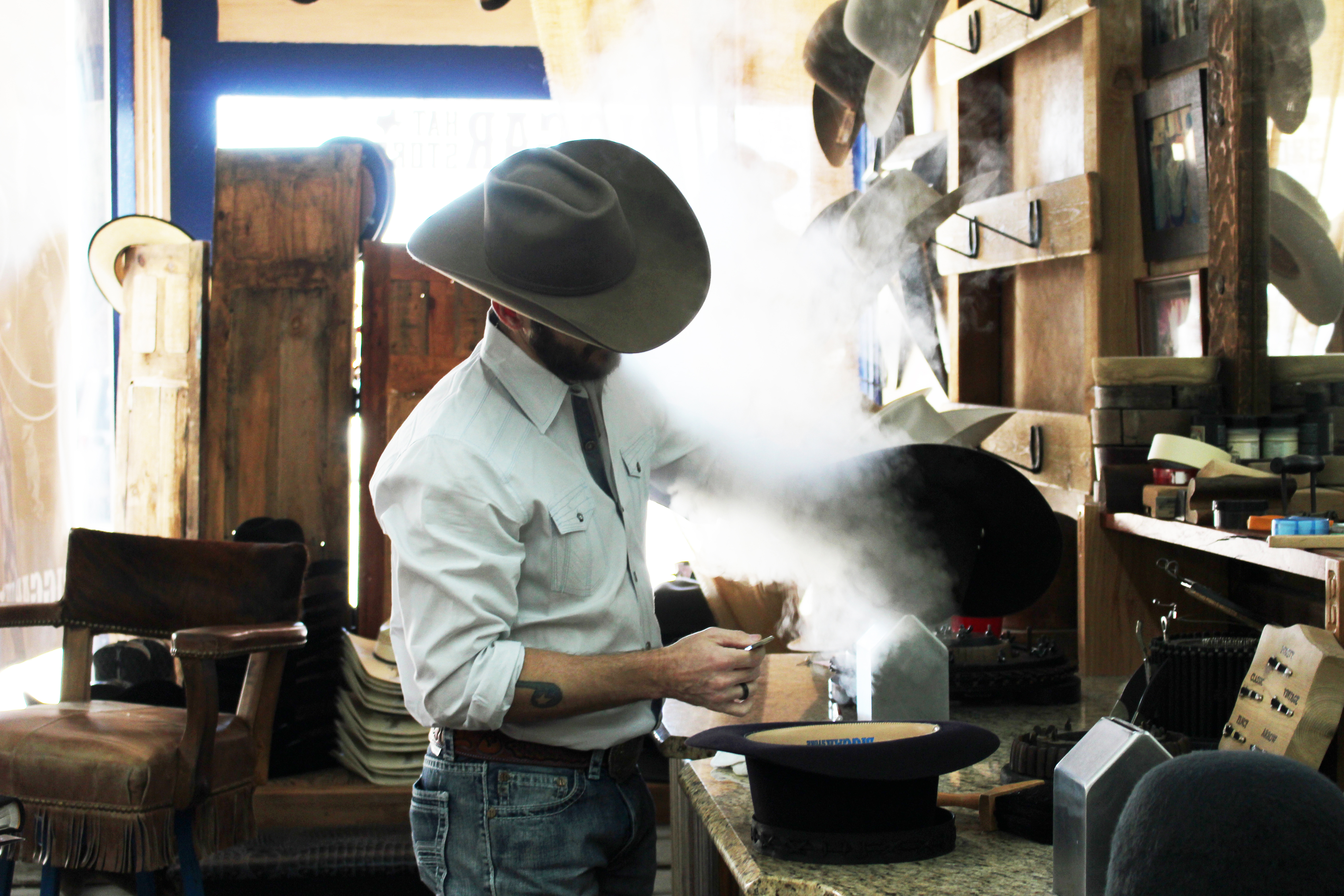
Style Your Profile – What your style cowboy hat says about you and new trends in 2017
-
 Horsefeathers13 years ago
Mount Scott: Country Humor with David Gregory
-
 Outdoor11 years ago
Buttercup or Primrose?
-
 Country Lifestyles10 years ago
June 2016 Profile – The man behind the mic: Bob Tallman
-
 HOME10 years ago
Grazing North Texas – Wilman Lovegrass
-
 Country Lifestyles10 years ago
December 2016 Profile, Rusty Riddle – The Riddle Way
-
 The Natural Horseman9 years ago
This is why we do what we do — RayeAnn and Cisco