Fantasy of Lights Parade

Bowie
TX 76230
USA
Fantasy of Lights Parade
Dec. 2
Downtown Bowie, Bowie TX. Join us for a day of Christmas activities starting at 10 a.m. and finishing up with the 26th Annual Fantasy of Lights Parade at 7 p.m. Daily events will include, at Smythe St., Elf’n Magic at 10:30 a.m. to 12:30 p.m. Community Room performances by Casting Out and Local Choirs 5:30 p.m. to 6:45 p.m. Tree Lighting 6:45 p.m. Concessions by BHS Interact Club 5:30 to 7 p.m. Fantasy of lights Parade 7 p.m.

Bowie
TX 76230
USA
By OKFR Staff
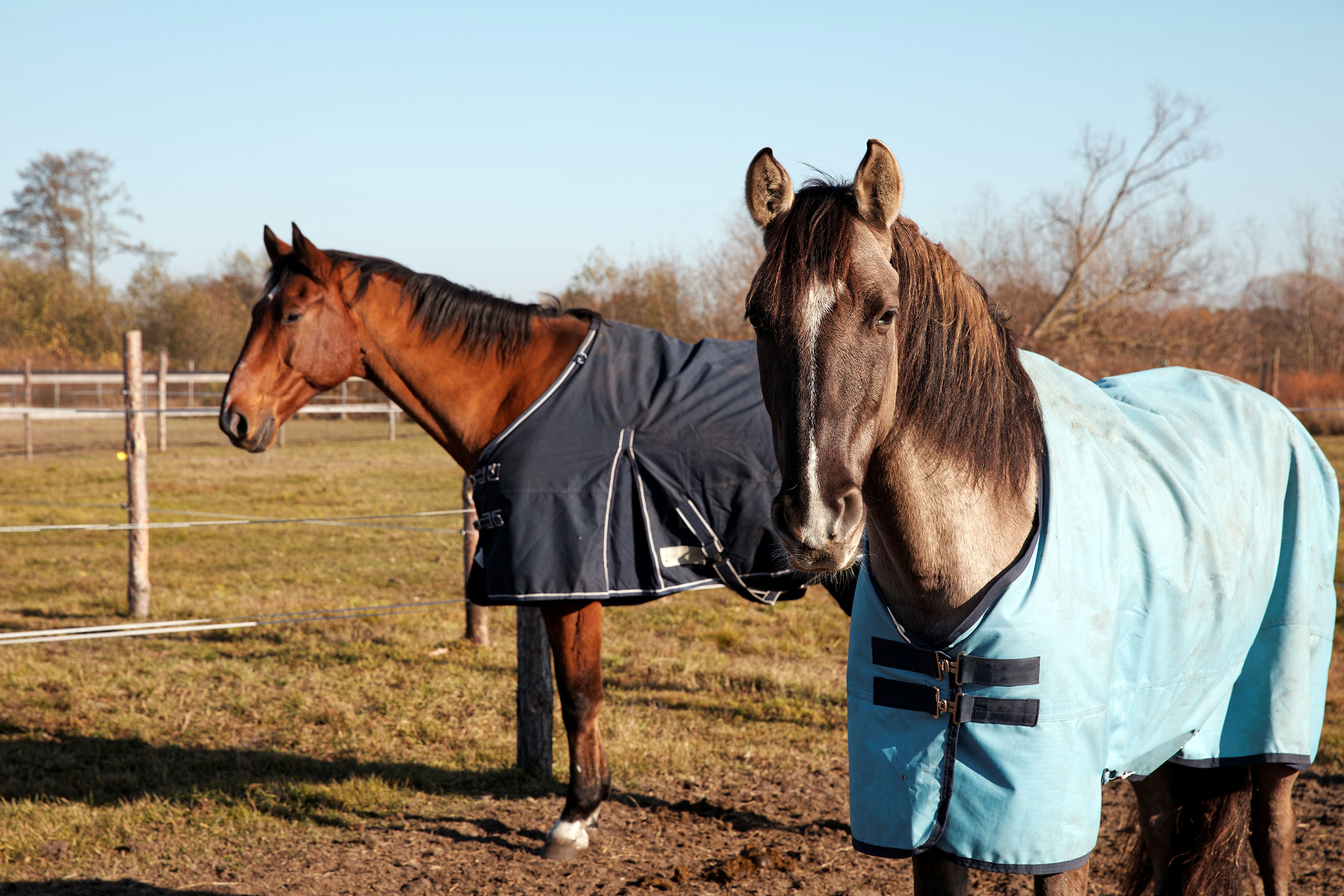
The first cold morning of fall can send a horse owner reaching for a blanket long before the horse needs one. You feel a 45-degree morning and think winter. A healthy horse with a good hair coat may feel something much closer to ordinary weather.
A horse’s winter coat is built to trap air. When the hairs stand up, a response called piloerection, that trapped air insulates the horse. A good layer of body fat helps, too. A flat sheet on an unclipped horse can press the coat down without adding much insulation, which is one reason to base blanketing decisions on the horse and the weather rather than a single temperature.
Rain and wind change things. A dry winter coat handles cold surprisingly well, but once the hair is soaked or plastered with mud, it loses much of its insulating ability. A clipped horse has lost the protection nature gave it. Older horses, thin horses, very young horses and animals recently moved from a warmer climate may need help sooner than a healthy, acclimated adult.
Penn State Extension recommends considering a blanket when a horse has no shelter and temperatures or wind chills fall below about 5 degrees Fahrenheit, when the horse may get wet in cold conditions, when it is body-clipped, or when age, health or low body condition limits its ability to stay warm.
Oklahoma owners may rarely see that first threshold, but cold rain and wind are common enough to matter.
Blankets also create work. They need to fit properly and stay dry, and they should come off regularly so you can check the horse for weight loss, skin problems, rubs and a twisted blanket. On warmer afternoons, a horse can sweat under a blanket that was comfortable overnight.
Instead of asking what temperature calls for a blanket, ask what this horse needs in these conditions. A clipped show horse in a north wind and cold rain may need a blanket, while an unclipped, well-conditioned pasture horse with a shed is perfectly comfortable beside him.
Feed is part of cold-weather protection, too. Fermentation of fiber in the hindgut produces heat, which is one reason adequate forage matters during cold spells. A horse standing at a round bale with shelter and water may regulate its temperature better than one wearing an expensive blanket but short on forage.
Watch the horse, not just the forecast. Shivering, a tucked posture, ears and legs that stay cold, weight loss or reluctance to move can signal a horse is struggling. At the other extreme, sweat under a blanket means the horse is too warm. Slide a hand under the blanket at the shoulder and chest rather than judging by how cold your own hands feel.
If you blanket, have a plan for changing weather. Oklahoma can go from a freezing morning to a sunny 60-degree afternoon, and a blanket chosen at dawn may be far too much by lunch. For that reason, a horse that lives outside without constant supervision can sometimes be easier to manage with its natural coat, as long as it is healthy, acclimated and has shelter from wet wind.
A good shelter doesn’t have to be heated. A three-sided shed or natural windbreak can cut exposure dramatically if the horse can use it to get out of the prevailing wind and driving rain. Bedding in a dry shelter also lets a horse lie down without losing heat to wet ground.
Never let a blanket hide a nutrition problem. Thick fabric makes it easy to miss ribs becoming more prominent. Run your hands over the neck, ribs and topline every few days through winter. A horse can lose a surprising amount of weight before it shows under hair and a blanket.
Bowie
TX 76230
USA
By Ann Asher
For years, fall garden advice read like a cleanup list: cut everything down, rake every leaf, haul off the stems and leave the beds tidy for winter. A neater yard may please people, but it can remove exactly what birds and beneficial insects need.
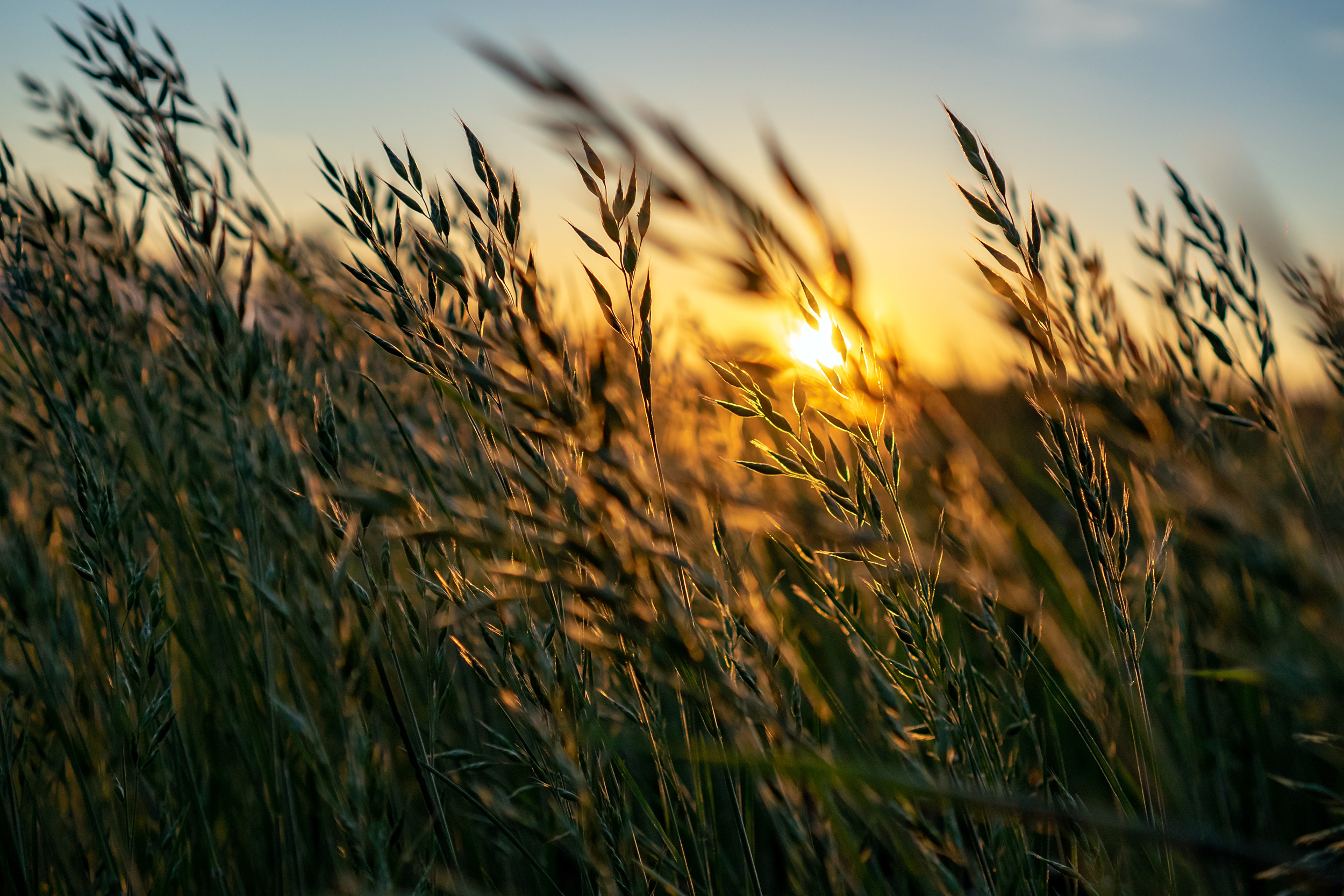
Standing seed heads are winter food. Coneflowers, sunflowers, native grasses and other plants hold seeds that finches, sparrows, quail and other birds can eat long after flowering ends. Hollow or pithy stems can also give native bees and other insects places to spend the winter.
Native bees are one of the strongest arguments for waiting. Many species don’t live in hives. Solitary stem-nesting bees use hollow or pithy stems, while ground-nesting bees depend on undisturbed soil. Cutting every stalk to the ground and hauling it away can remove next year’s pollinators before spring arrives.
Leaf litter matters just as much. Under a layer of leaves are insect eggs, pupae, spiders and other invertebrates that become food for birds. Some butterflies and moths spend part of winter tucked into leaf litter or attached to dead vegetation. Toads and other small animals also use the insulating layer.
Birds use dead vegetation for more than seed. Dense stems break the wind and provide cover from predators. A yard with several layers of vegetation offers far more options than a flat lawn bordered by bare mulch.
Dead wood has value, too. A standing dead tree, or snag, can provide nesting and feeding habitat for woodpeckers and other cavity users. Have a qualified professional remove or reduce any hazardous tree near houses, roads, fences or utility lines, though.
Clean up selectively
None of this means you should abandon your yard until spring. Still remove diseased plant material. Vegetable gardens often benefit from a cleanup that reduces pest and disease carryover. And don’t let thick mats of leaves smother turfgrass. Aim for selective cleanup rather than stripping every bed bare.
One approach is to move leaves off the lawn and into flower beds, around shrubs or into a compost pile. Leave healthy perennial stems standing through winter, especially in less formal areas. Brush piles can provide additional cover if local fire and property rules allow them.
If you worry a less tidy garden will look neglected, design can help. Keep paths and lawn edges crisp while letting the interior of beds stand. Move leaves into defined planting areas instead of leaving them across sidewalks and turf. Habitat doesn’t require making the whole property look abandoned.
You can also clean in stages. Remove diseased vegetables and obvious problem material in fall, leave ornamental and native stems through winter, then do the big cutback after several warm spring days, once insects have had a chance to emerge. Cutting hollow stems too early can destroy insects still developing inside. If you want a tidy look sooner, cut the stems and stack them loosely in an out-of-the-way spot for a few more weeks.
A wildlife-friendly yard in winter won’t look like a July garden. Seed heads turn brown. Leaves collect under shrubs. Stems stay standing. What looks dead to us is often still in use, and a landscape can keep working after the flowers are gone.
This fall, the easiest habitat project may be the one you don’t finish.
Bowie
TX 76230
USA
By Ann Asher
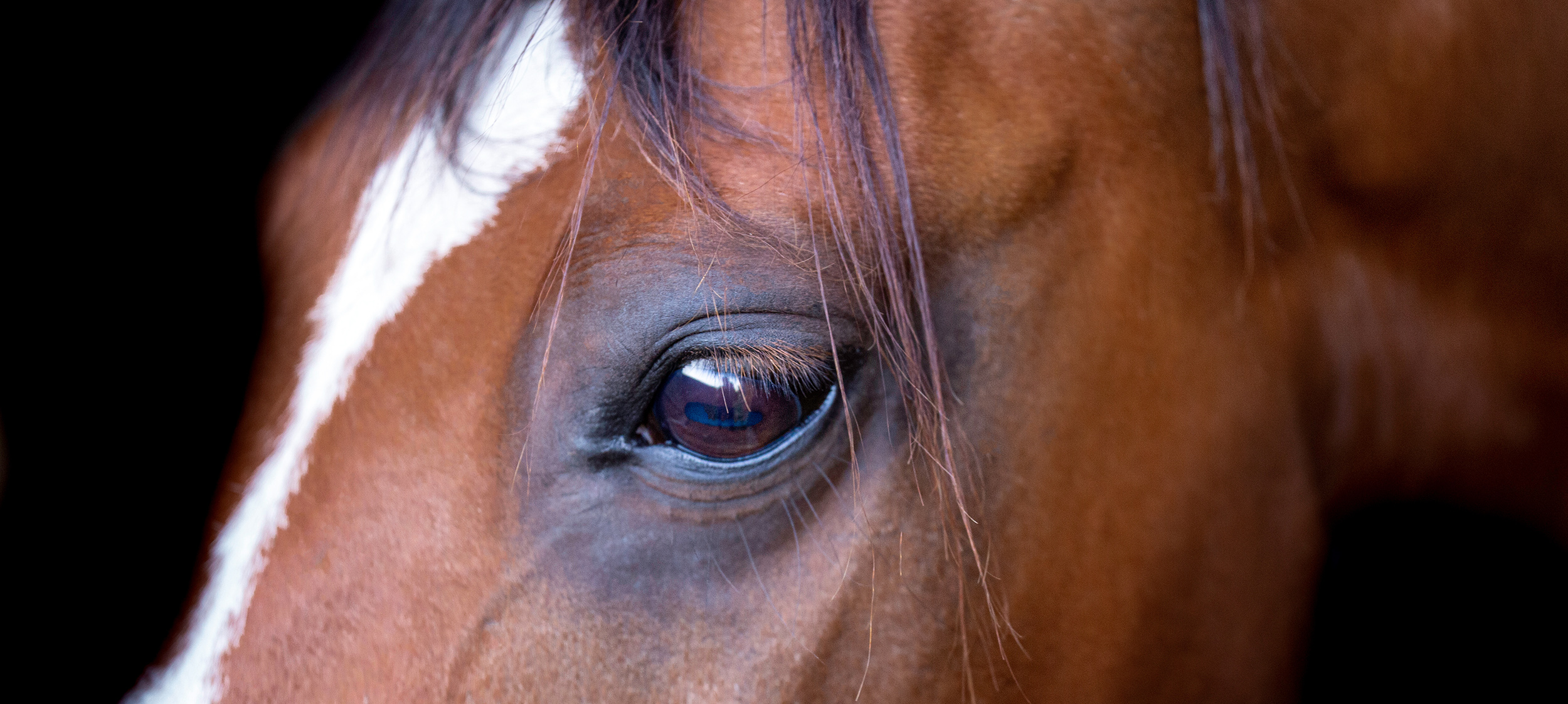
A horse covered in hives sends an owner back through the previous 24 hours. Was it the new bag of feed? A different fly spray? Something blooming in the pasture? Sometimes the answer is obvious. Other times, finding the cause takes real detective work.
Allergy signs vary from horse to horse. One breaks out in raised welts across his neck and body. Another spends weeks rubbing out his mane and tail. A third coughs whenever he’s stalled or runs out of air too soon during exercise.
Many of those signs can also come from something other than allergies, so figuring out whether a horse has one means looking past the most obvious symptom.
More than just hives
Hives, or urticaria, appear as raised swellings under the skin. They range from small bumps to large plaques and can show up within hours. Insects, medications and environmental allergens can all trigger them. Some horses develop hives after eating something, though researchers understand food allergies in horses far less well than feed marketing and online forums suggest.
Your veterinarian will likely start by asking what changed before the reaction: recent medications, vaccinations, feed, supplements, bedding, grooming products and insect exposure. A single episode that clears quickly may stay a mystery, but repeated episodes deserve a closer look.
Itching is another common sign of allergic skin disease. An itchy horse rubs his mane, tail, face or body on anything within reach, and over time the rubbing leads to bald patches, thickened skin, sores and secondary infections.
One of the best-known causes is insect bite hypersensitivity, also called sweet itch, an allergic response to the saliva of biting midges in the genus Culicoides. Affected horses become intensely itchy during insect season, and the location and timing of their lesions help your veterinarian narrow down the cause. Fly sheets, repellents, fans and screened stalls all help, as does keeping the horse in when biting insects are most active.
A horse that rubs his tail doesn’t necessarily have an allergy, though. Parasites, skin infections and other skin conditions produce similar signs, so veterinarians diagnose allergic skin disease from the horse’s history and clinical signs after ruling out other possibilities.
When the problem is in the air
Hay, bedding and barn air carry dust, mold spores, pollen and other particles. In susceptible horses, breathing them in can inflame the lower airways.
Veterinarians now use the term equine asthma for this group of chronic lower-airway conditions. The mild to moderate form was once called inflammatory airway disease, and the severe form went by heaves or recurrent airway obstruction.
A horse with a mild case may cough now and then, lose a step in performance or take longer to recover after work. A horse with a severe case may struggle to breathe while standing still in his stall.
Medication can calm the inflammation, but the improvement won’t last if the horse keeps breathing whatever irritates his airways. Hay is a leading source of respirable dust, even when it looks like good forage. Depending on the horse, your veterinarian may recommend soaking or steaming hay or switching to a lower-dust forage product. Low-dust bedding, good ventilation and moving horses out while you clean stalls also help.
More turnout helps some horses, especially those that get worse in a dusty barn. Others develop summer pasture-associated asthma, triggered by pollen and other outdoor allergens, so the right fix depends on the horse and where he lives.
Finding the trigger
Owners sometimes expect an allergy test to hand them a list of things their horse should avoid. Veterinarians can run intradermal skin tests and blood tests for allergen-specific antibodies, but a positive result doesn’t prove that a given substance is causing the horse’s problem, and healthy horses can test positive, too.
The World Association for Veterinary Dermatology’s consensus guidelines state that these tests should not be used by themselves to diagnose insect bite hypersensitivity or atopic dermatitis. Veterinarians use them mainly to choose allergens for allergen-specific immunotherapy, commonly called allergy shots.
The same guidelines don’t consider blood tests reliable for diagnosing food allergy. If your veterinarian suspects a feed, a controlled elimination diet followed by a challenge with the suspect ingredient gives more meaningful answers. Work through that process with your veterinarian, since pulling hay, feed or supplements without accounting for the horse’s nutritional needs can create new problems.
To evaluate a horse for equine asthma, a veterinarian combines history and a physical exam with procedures such as airway endoscopy or bronchoalveolar lavage, which collects cells from the lower airways for examination.
Managing what you can’t avoid
Once you and your veterinarian identify the trigger, the first step is to reduce exposure to it. That gets hard when the culprit is grass pollen, insects or particles in hay, so management often means reducing exposure rather than eliminating it.
Veterinarians may also prescribe medication to control inflammation or itching. Corticosteroids are a common choice, but they carry risks, including laminitis in some horses. Veterinarians sometimes use antihistamines, though evidence for them in horses is limited.
For some horses with environmental allergies, allergen-specific immunotherapy is an option. The injections expose the horse to selected allergens over months to shift his immune response, and results differ from horse to horse. For insect bite hypersensitivity, the consensus guidelines state that avoiding insects remains the most effective strategy, and evidence supporting commercially available immunotherapy for Culicoides allergy is still limited.
When it’s an emergency
Hives usually look worse than they are, but a severe systemic reaction can kill a horse. Call your veterinarian immediately if your horse shows difficulty breathing, weakness, collapse or other signs of anaphylaxis.
For less dramatic cases, photos and good records help. Write down when symptoms appear, what the horse was eating, where he was housed, any recent medications or vaccines, and changes in grooming products.
The answer may turn out to be the midges that arrive every summer or the dust from one particular hay. The hives, the cough or the rubbed-out mane gets your attention first, and your horse stays comfortable over the long run once you know what’s causing it.




-
 Country Lifestyles4 years ago
Scott & Stacey Schumacher: A Growth Mindset
-
 Country Lifestyles10 years ago
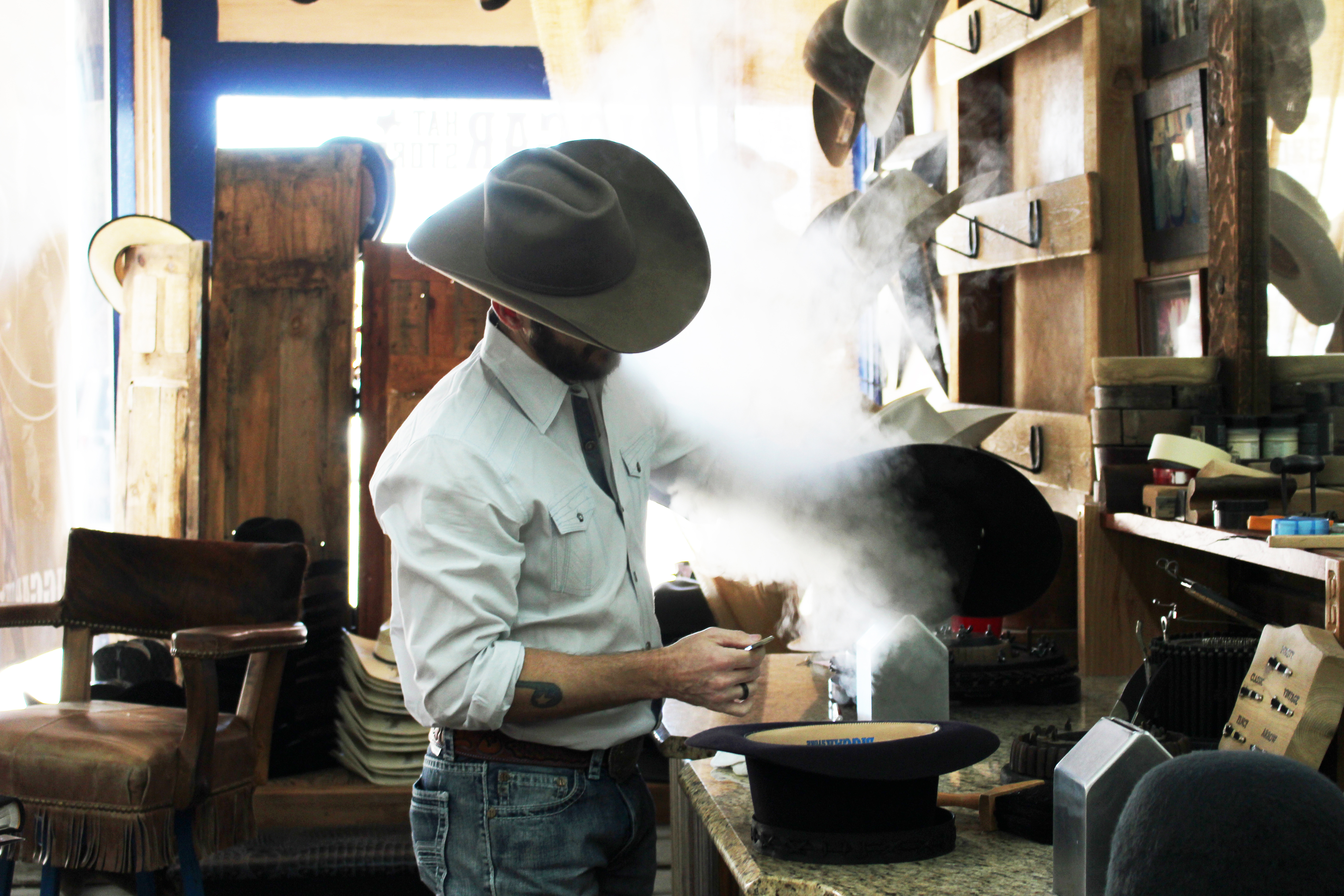
Style Your Profile – What your style cowboy hat says about you and new trends in 2017
-
 Horsefeathers13 years ago
Mount Scott: Country Humor with David Gregory
-
 Outdoor11 years ago
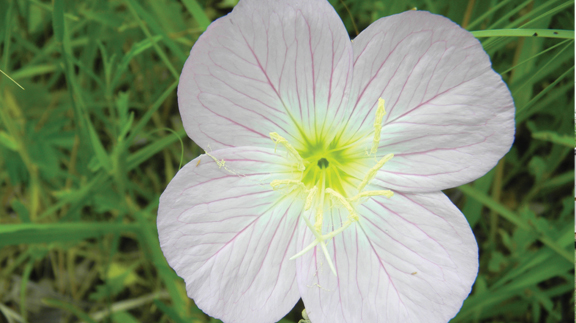
Buttercup or Primrose?
-
 Country Lifestyles10 years ago
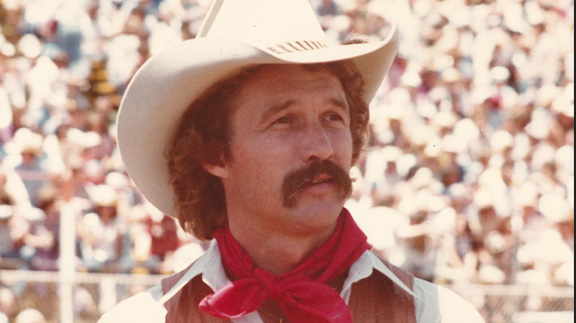
June 2016 Profile – The man behind the mic: Bob Tallman
-
 HOME10 years ago
Grazing North Texas – Wilman Lovegrass
-
 Country Lifestyles10 years ago
December 2016 Profile, Rusty Riddle – The Riddle Way
-
 The Natural Horseman9 years ago
This is why we do what we do — RayeAnn and Cisco