
Farm & Ranch
The Many Benefits of Rabbit Manure


By Landon Moore
Rabbits offer a lot to the home gardener, and perhaps the most useful of all is their waste. Rabbit manure is likely the single most versatile and valuable fertilizer of any animal manure. It’s a “cold” manure, meaning it can be applied directly to plants in any form without the risk of burning them. In contrast, manure from sheep, horses, cows, and especially poultry must be aged before it’s applied, or it may damage plants. Because rabbit manure doesn’t need to be aged, it retains more of its nutrients and is therefore twice as rich as chicken manure and four times more potent than horse or cow manure. Rabbit manure is safe to apply to soil growing edible crops, has virtually no smell, and contains no harmful seeds. It can be used immediately, or be dried, powdered, made into tea, or turned into worm castings. A single trio of rabbits and their offspring can produce up to two cubic yards of fertilizer per year, along with 100 to 200 pounds of meat.
Rabbit manure is in such high demand as a fertilizer, particularly for roses, that it’s often sold online at a premium price. Some rabbitry owners even charge people to come scoop the manure themselves, paying by the bag. Larger rabbitries might sell by the truckload, but many owners keep it all for their own gardens. You may wonder what makes this little mammal’s excrement so uniquely useful. To understand, we first need to look at the qualities that make it special and then explore its various applications.
To begin with, let’s take a closer look at a rabbit’s biology. Contrary to popular belief, rabbits are not rodents but belong to the order Lagomorpha and family Leporidae, along with hares. All domestic rabbits are domesticated European rabbits (Oryctolagus cuniculus) and are unable to produce fertile offspring with American cottontails. Rabbits are considered “pseudo-ruminants” because they have a single-chambered stomach, but they also have an organ called the cecum, which functions similarly to a rumen and makes up about 40% of their digestive tract. They are crepuscular, meaning they are most active at dawn and dusk, typically feeding in the evening.
Rabbits actually produce two kinds of manure. The familiar dry pellets make up most of their waste, while the other type, known as “cecotropes,” is a moist and smelly substance resembling tiny bunches of grapes. Cecotropes are not fully digested, and because rabbits cannot chew their cud, they reingest the cecotropes as they are excreted. This fermented substance allows the rabbit to absorb more nutrients than it would through initial digestion. While cecotropes are occasionally found in cage trays, the feeding behavior that leads to them is usually only witnessed by the rabbit owner.
The dry pellets are the true manure that most people are familiar with. These small, round, dry pellets have almost no smell when kept dry. When crushed, they break down into a powder resembling tiny grass fragments because, in essence, that’s what they are. Some people crush the pellets before applying them to speed up their absorption into the soil, while others appreciate their “slow-release” feature. Additionally, the manure’s water solubility can be exploited in several ways. Soaking a wheelbarrow full of manure creates a potent sludge that can be easily applied to flat surfaces. If the odor is not an issue, the smell will dissipate once the manure is either dissolved by moisture or dried by the sun. Another method is to make manure tea: fill a cloth bag with manure, seal it, and submerge it in a barrel of water for a few weeks. A simpler method involves placing damp manure at the bottom of a barrel, filling it with water, and letting it sit in the sun for a couple of weeks. Stir occasionally, and you’ll have a powerful liquid fertilizer ready for use.
Domestic rabbits should be fed a modern, pelleted feed, which provides all the nutrients they require. This diet eliminates the risk of noxious seeds being present in the manure, making it safe to apply directly to the lawn, especially during winter. Winter and spring rains will break it down, and by late spring, you’ll have a healthy carpet of turf.
Rabbit manure’s nutrient content varies depending on factors like storage, age, and diet, but it generally contains around 2% nitrogen (N), 1.3% phosphorus (P), and 1.2% potassium (K). The Oregon Extension Service gives a range of 3-4.8% nitrogen, 1.5-2.8% phosphorus, and 1-1.3% potassium. Even at the lower end of the scale, rabbit manure has higher nitrogen content than poultry manure and twice the nitrogen content of cattle manure. One reason rabbit manure doesn’t burn plants is due to the biology of birds, which lack bladders and produce more ammonia in their waste. In contrast, rabbits release ammonia in their urine, which is why their manure may have a stronger odor.
Because of its balanced nitrogen-to-phosphorus ratio, rabbit manure promotes a wider variety of species in the same application area. Applying it directly to heavy clay soils will improve them quickly, especially when combined with other organic matter. It can also improve sandy soils by adding texture and helping them retain moisture. Anyone raising rabbits will have a steady supply of manure, as they are efficient producers. A small herd of 17 animals, including their litters, can produce about one ton of manure annually.
Beyond fertilizing, rabbit manure has several other uses. It is considered the best food for earthworms and can be combined with moisture-holding bedding like peat moss, shredded paper, or hay taken from used nestboxes. Many rabbitries (including my own) keep worm beds right under the cages. The resulting castings are rich in nutrients and can be used as-is or incorporated into soil amendments. A couple of feet of manure under a foot of soil in a hotbox can generate enough warmth to start and grow seeds, even in cold climates like Vermont.
In Europe and Asia, the rabbit meat industry is a billion-dollar market. While the Czech Republic leads in per capita consumption (over 8 pounds per person annually), China is the leading producer of rabbit meat. A recent study in China examined the effects of replacing peat moss in seed-starting soil with rabbit manure. The study found no significant difference in germination rates and noted that the manure provided increased nutrients for seedlings. The ideal ratios for seed-starting soil were found to be one-third manure, one-third perlite, and one-third vermiculite, or half manure and half perlite.
Rabbit manure is often overlooked as a nuisance, but as we can see, it’s an incredibly versatile soil conditioner, excellent fertilizer, ideal food for earthworms, and a superior seed-starting medium. Anyone raising rabbits should consider this another benefit, in addition to having a home meat supply, exhibition livestock, or pets.
By Savannah Magoteaux
Two bales can look almost identical and feed very differently. Color, smell and leafiness tell part of the story, but a forage test tells you what your cattle are actually being offered. If you buy hay by the ton or are trying to stretch winter feed, that little lab sheet can be one of the cheapest management tools on the place.
Reading the report
Start with dry matter. Hay contains water, and labs report nutrients either “as fed” or on a dry-matter basis. Feeds are easiest to compare on a dry-matter basis because it takes moisture out of the comparison. Hay that is 90 percent dry matter is about 10 percent water.
Crude protein, usually abbreviated CP, is the number most people recognize. It estimates protein from the forage’s nitrogen content. Higher isn’t automatically better. The goal is to match the hay to the animal. A dry, mature cow in mid-gestation doesn’t need the same protein as a lactating cow, a growing replacement heifer or a young calf.
Energy matters just as much. Beef cattle forage reports commonly estimate energy as total digestible nutrients, or TDN. Low-TDN hay may fill a cow up before it supplies enough energy, particularly when her requirements rise late in gestation or during lactation. That is when you may need better forage, an energy supplement or a different feeding plan.
Fiber numbers explain why some hay looks coarse and why animals may not be able to eat enough of it. Neutral detergent fiber, or NDF, is closely tied to intake. As NDF climbs, cattle generally eat less because the forage moves through the digestive tract more slowly. Acid detergent fiber, or ADF, is tied to digestibility. Higher ADF generally means lower digestibility.
Some reports also include relative feed value or relative forage quality. These indexes help compare lots of forage, particularly alfalfa and mixed hay, but they aren’t a complete ration. They don’t replace looking at protein, energy, minerals, animal class and expected intake.
Then come the numbers you hope are boring. Nitrate testing matters when drought, heavy nitrogen fertilization, cloudy weather or other conditions have stressed the forage enough to cause nitrate accumulation. Sorghum-type forages, johnsongrass, corn and some weeds deserve particular attention. Nitrates stay in hay after it is cut and baled, so a risky crop doesn’t become safe just because it dried.
Minerals deserve a look, but this is where a hay report gets harder to interpret. Calcium, phosphorus, potassium, magnesium and other minerals may be listed, yet a complete mineral program depends on water, other feeds and local conditions. A high number isn’t always an advantage. Excessive potassium, for example, can interfere with magnesium use under some circumstances. If you are balancing a ration for high-risk animals, work with a nutritionist or Extension specialist rather than treating the lab sheet as a stand-alone mineral prescription.
Moisture tells another story. Hay baled too wet is at greater risk of heating and mold, and very wet hay can become a fire hazard as microbial activity raises its internal temperature. A test taken months later can’t reconstruct every storage problem, so inspect the stack, too. A musty odor, visible mold, unusual heat and dark discoloration are all reasons to investigate.
Getting a good sample
A hay test is only as good as the sample, and sampling is the step most likely to ruin a good analysis. A handful pulled from the outside of one convenient bale doesn’t represent a stack of 100 bales. Round bales aren’t uniform from the outside to the center, and one bale may not represent the whole cutting.
Texas A&M AgriLife recommends using a hay probe and collecting cores from multiple bales in a lot, then combining them into one representative sample. A coring probe reaches through the layers of the bale and gives the lab a much better cross-section. Test different cuttings, fields or hay types separately, and don’t blend samples from separate fields or cuttings to save the cost of a test if you will feed them as separate lots.
Putting the numbers to work
The most useful way to read the report is backward from the cattle. What class of animal will eat this hay, at what stage of production, and how much is she likely to eat? Once you answer those questions, the lab numbers start to mean something.
A mature dry cow in good body condition can often use lower-quality forage than a first-calf heifer nursing a calf. Young cattle need nutrients for growth on top of maintenance, and cold stress raises energy demand. A hay test becomes valuable when you pair it with those real-world differences.
Remember that price per bale isn’t the same as price per unit of nutrition. A cheap bale with very low energy and protein may require expensive supplementation, and better hay can turn out to be the lower-cost feed once you count waste and supplements.
Before buying, try putting two hay reports side by side. Compare dry matter, crude protein, TDN and fiber first. Then add delivered cost and likely feeding waste. A heavier, denser bale isn’t automatically more economical, and a greener bale isn’t automatically more nutritious. The numbers make the comparison fair.
Testing is especially valuable after a hard weather year. Drought hay may be lower in yield and higher in nitrate risk. Mature, rain-damaged hay may test lower in protein and energy than it looks. Hay cut from a fertilized field after stress may deserve a safety screen before it ever reaches a feeder.
A forage test won’t make poor hay better. It shows you where the gaps are before your cattle show them through lost condition or lower performance. One report can’t answer every feeding question, but it replaces several guesses with measurements, and that makes winter nutrition planning much more accurate.
By Savannah Magoteaux
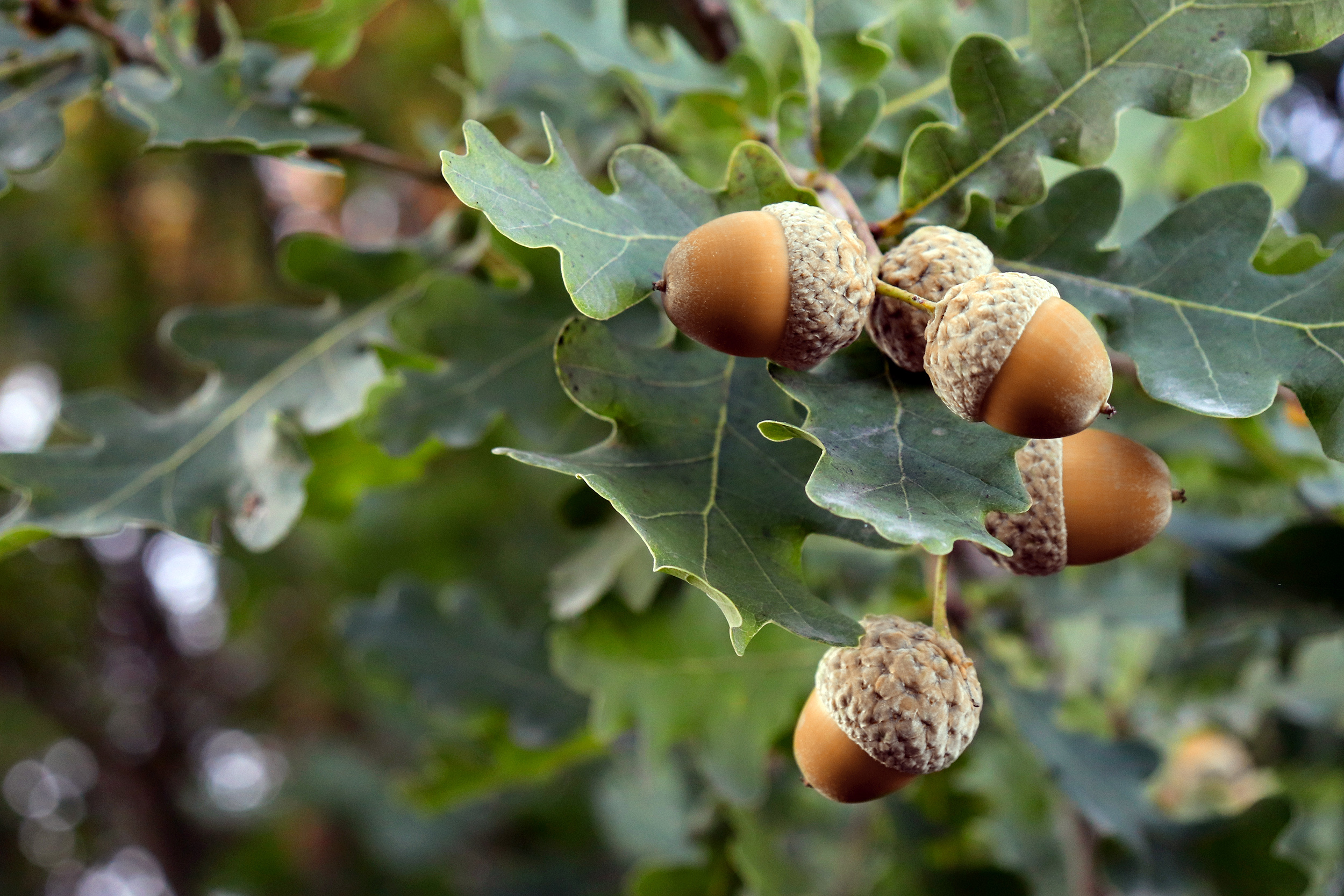
A heavy crop of acorns under an oak tree usually looks more like a sign of fall than a livestock problem. For most cattle in most years, that is all it is. Trouble starts when acorns stop being an occasional bite and become a meaningful part of the diet.
Oak leaves, buds and acorns contain tannins that can damage the digestive tract and kidneys when cattle eat enough of them. Green acorns are generally considered more toxic than mature brown ones, but either can cause problems if cattle eat too many.
The risk climbs when forage is short and cattle go looking for something else to eat. Drought, overgrazed pastures or simply a heavy acorn crop can set up that situation.
Cattle aren’t equally interested in acorns. A few animals in a herd may eat far more than the rest, which helps explain why cases can appear scattered.
Early signs can be vague. Affected cattle may go off feed, look depressed or become constipated. As the damage progresses, you may see dark or bloody manure, abdominal pain, frequent urination followed by reduced urine output, dehydration and weakness. Kidney failure is the most serious concern.
You can’t remove every acorn from a wooded pasture, so prevention comes down to keeping cattle from relying on them. Adequate forage and supplementation take away the incentive to eat large amounts.
You can also fence cattle away from heavily producing oaks for a while, especially when pasture conditions are poor. If several animals seem to be seeking out acorns, take a close look at the rest of the ration instead of assuming they will quit on their own.
If you suspect oak poisoning, call a veterinarian early. Treatment is supportive and does much more good before severe kidney damage sets in. Moving unaffected cattle away from the source and providing good-quality feed and water may prevent more cases.
Acorns are an important fall food for deer, squirrels and other wildlife, and a few acorns generally don’t spell disaster for cattle. The concern is quantity. A pasture full of oaks becomes a different management problem when grass is short, cattle are hungry and the ground is covered with something they are willing to eat.
Oak toxicity comes up most often in cattle, but other livestock can be affected, too. And the risk isn’t limited to acorns. Oak buds and young leaves also contain tannins, so spring can occasionally bring problems as well. In fall, though, the obvious temptation is lying on the ground where cattle can eat it quickly.
Watch where your cattle spend their time. If cows that normally graze open grass start camping under oaks and hunting acorns, that behavior tells you something.
Walk the pasture, estimate how much usable forage is left and check whether a few dominant animals are eating more than the rest. Hay or supplemental feed may help, but place it where all the cattle can reach it rather than assuming one feeder will solve the problem.
Oak poisoning can look like other illnesses, and no one can diagnose kidney damage from pasture observation alone. A veterinarian may use history, clinical signs and lab work to separate it from dehydration, digestive disease or other toxicities. That is another reason to mention a heavy acorn crop when you call. A detail that seems like an ordinary part of fall can be an important part of the history.
Your pasture plan doesn’t have to be complicated. If one wooded trap has a much heavier acorn crop than the rest, use another pasture while you still have the choice.
If you can’t move the herd, make sure hay and supplement are adequate before the animals get hungry enough to seek out acorns aggressively. Salt or mineral by itself won’t make up for a shortage of forage.
The problem usually fades as cattle eat through the crop or the acorns weather or get covered. Don’t return cattle that have already shown signs as soon as they look better, though. Kidney injury can be serious. Follow your veterinarian’s recommendations and reassess the pasture before turning recovered animals back out.

By Jared Groce
Late summer has been brutal on our livestock, our grass and the rural land market in North Texas. We currently have an astounding 42 months of inventory on hand in our report area, and the only properties selling are the ones priced right. Overpriced properties aren’t even getting looked at, much less receiving offers, so pricing your property correctly matters more than ever right now.
Many sellers are still picturing the daily price increases we saw in 2020 to 2023, but those days are behind us, and agents need to be more realistic with listing prices to get any activity for their clients. Hopefully the rains will come soon and bring more land buyers with them this fall, but right now it is still very much a buyer’s market. No one knows how long this dry spell will last, but it will likely take a flood to end it. The same is true of the weather!
They say the best time to plant a tree, or buy land, was 20 years ago, and the second-best time is today.
| County | Area | Acres | $/Acre | List Price | Sold Price | Sale/List | DOM |
|---|---|---|---|---|---|---|---|
| Clay | Henrietta | 120.07 | $5,150 | $714,000 | $618,309 | 86.60% | 434 |
| Clay | Bellevue | 159.44 | $6,184 | $981,000 | $985,959 | 100.50% | 48 |
| Clay | Henrietta | 293 | $4,982 | $1,538,250 | $1,459,600 | 94.90% | 212 |
| Clay | Average | 190.84 | $5,438 | $1,077,750 | $1,021,289 | 94.00% | 231 |
| Collin | Anna | 11.08 | $84,356 | $1,200,000 | $935,000 | 77.90% | 634 |
| Collin | Average | 11.08 | $84,356 | $1,200,000 | $935,000 | 77.90% | 634 |
| Cooke | Muenster | 11 | $18,000 | $209,000 | $198,000 | 94.70% | 250 |
| Cooke | Gainesville | 19.3 | $16,580 | $345,000 | $320,000 | 92.80% | 541 |
| Cooke | Valley View | 96.23 | $15,500 | $1,679,215 | $1,491,565 | 88.80% | 194 |
| Cooke | Average | 42.18 | $16,693 | $744,405 | $669,855 | 92.10% | 328 |
| Denton | Sanger | 16.46 | $39,422 | $649,000 | $649,000 | 100.00% | 47 |
| Denton | Cross Roads | 10.35 | $97,575 | $1,200,000 | $1,010,000 | 84.20% | 40 |
| Denton | Sanger | 300 | $14,000 | $4,999,999 | $4,200,000 | 84.00% | 1,327 |
| Denton | Aubrey | 74.09 | $57,684 | $4,815,525 | $4,273,550 | 88.70% | 302 |
| Denton | Average | 100.22 | $52,170 | $2,916,131 | $2,533,138 | 89.20% | 429 |
| Grayson | Collinsville | 11.61 | $46,516 | $600,000 | $540,000 | 90.00% | 280 |
| Grayson | Van Alstyne | 18.8 | $58,511 | $1,175,000 | $1,100,000 | 93.60% | 280 |
| Grayson | Whitesboro | 30 | $37,984 | $1,170,000 | $1,139,506 | 97.40% | 277 |
| Grayson | Average | 20.14 | $47,670 | $981,667 | $926,502 | 93.70% | 237 |
| Jack | No sales reported | — | — | — | — | — | — |
| Montague | Montague | 485 | N/A | $5,566,000 | N/A | N/A | 333 |
| Montague | Bowie | 26 | $12,244 | $323,500 | $318,352 | 98.40% | 743 |
| Montague | Montague | 37.3 | $10,327 | $428,950 | $385,195 | 89.80% | 1 |
| Montague | Saint Jo | 1,185 | $7,764 | $10,000,000 | $9,199,829 | 92.00% | 19 |
| Montague | Average | 433.33 | $10,112 | $4,079,613 | $3,301,125 | 93.40% | 274 |
| Wise | Sunset | 12 | $19,027 | $234,000 | $228,320 | 97.60% | 16 |
| Wise | Sunset | 12 | $19,027 | $234,000 | $228,320 | 97.60% | 14 |
| Wise | Chico | 11.44 | $24,476 | $299,000 | $280,000 | 93.60% | 24 |
| Wise | Chico | 10.25 | $29,265 | $315,000 | $300,000 | 95.20% | 12 |
| Wise | Average | 11.42 | $22,949 | $270,000 | $259,160 | 96.00% | 17 |
DOM = days on market




-

 Country Lifestyles4 years ago
Scott & Stacey Schumacher: A Growth Mindset
-
 Country Lifestyles10 years ago
Style Your Profile – What your style cowboy hat says about you and new trends in 2017
-
 Horsefeathers13 years ago
Mount Scott: Country Humor with David Gregory
-
 Outdoor11 years ago
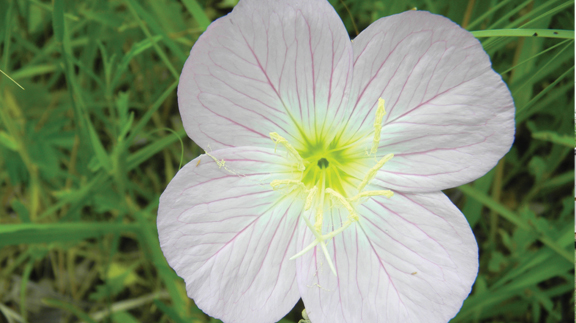
Buttercup or Primrose?
-
 Country Lifestyles10 years ago
June 2016 Profile – The man behind the mic: Bob Tallman
-
 HOME10 years ago
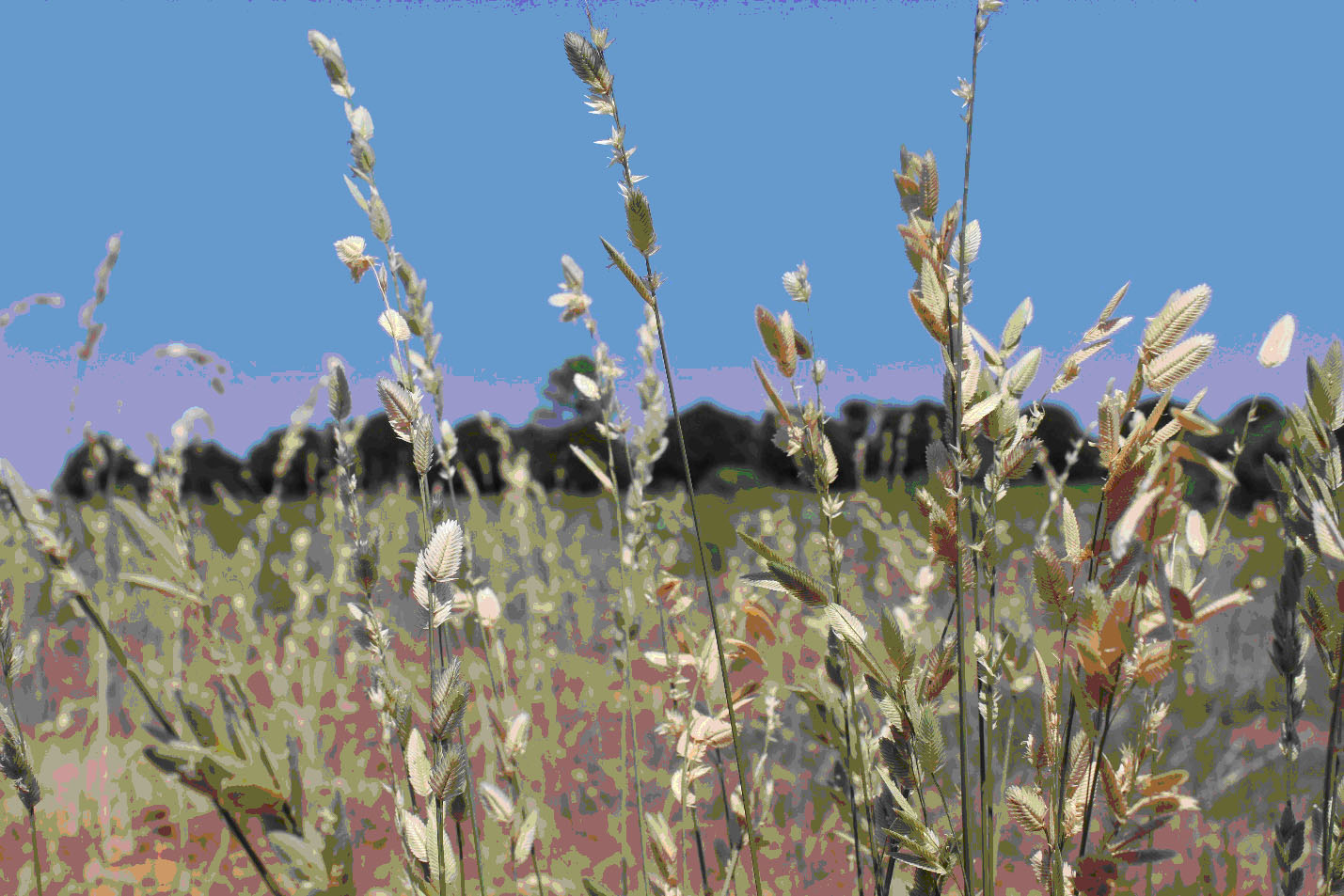
Grazing North Texas – Wilman Lovegrass
-
 Country Lifestyles10 years ago
December 2016 Profile, Rusty Riddle – The Riddle Way
-
 The Natural Horseman9 years ago
This is why we do what we do — RayeAnn and Cisco