
Farm & Ranch
Tiny Terrors: How Small Rodents Can Wreak Havoc on Farm Equipment


When it comes to costly and unexpected farm equipment failures, many farmers first think of mechanical breakdowns, weather-related wear, or fuel issues. However, one of the most overlooked culprits is also one of the smallest—rodents. Mice, rats, and even squirrels have been causing financial headaches for farmers by chewing through wires, clogging air filters, and nesting in engine compartments.
The damage caused by rodents can be extensive and expensive. According to the U.S. Department of Agriculture (USDA), rodents cause millions of dollars in losses each year in the agricultural sector, damaging stored grain, structures, and machinery (USDA, 2024). Farm Progress reports that rodent-related vehicle damage, including farm equipment, can cost as much as $2,000 per repair (Farm Progress, 2023). These tiny pests may seem harmless at first glance, but their presence in and around farm machinery can lead to costly delays and potential safety hazards.
The Scope of the Problem
Rodents are drawn to farm equipment for three primary reasons: shelter, nesting materials, and warmth. In colder months, warm engine compartments provide a safe refuge, while seat cushions, insulation, and even wiring coatings become prime nesting materials. Compounding the problem is that modern machinery often uses soy-based coatings on wires, which rodents find particularly appetizing (Oklahoma State University Extension, 2024).
Rodents can chew through electrical wiring, rendering equipment inoperable, and can clog essential components, such as air intake systems and cooling fans. In some cases, the damage can even lead to dangerous situations, such as engine fires caused by exposed wires shorting out. “I went to start my combine before wheat harvest, and it wouldn’t turn over. Popped the hood and found a huge nest in the engine bay—wires chewed clean through,” recalls an Oklahoma farmer. “It ended up costing over $1,500 in repairs and delayed my harvest by two days.”
Effective Prevention Strategies
Based on the experiences shared above and recommendations from agricultural experts, here are some of the most effective ways to keep rodents out of farm equipment:
- Regular Inspections: Check engine compartments, wiring, and air filters frequently, especially before using machinery after storage.
- Remove Food Sources: Keep grain, feed, and other attractants away from storage areas.
- Physical Barriers: Use metal mesh or rodent-proof containers to protect vulnerable parts of equipment.
- Natural Deterrents: Essential oils like peppermint or predator scents can sometimes discourage nesting.
- Encourage Natural Predators: Barn cats and even installing owl boxes can help control rodent populations.
- Keep Equipment Active: Machinery left idle for extended periods is more likely to become a rodent home.
Conclusion
Rodent damage to farm equipment is an often-overlooked issue that can have serious financial and operational consequences. Farmers who take proactive measures—whether it’s keeping equipment clean, using deterrents, or enlisting barn cats—can save themselves time, money, and frustration in the long run. As one Oklahoma mechanic put it, “Ignoring a mouse problem today can mean a broken-down tractor tomorrow.”
By implementing simple yet effective prevention strategies, farmers can keep these tiny terrors from turning their expensive equipment into costly repair jobs.
References
- U.S. Department of Agriculture (USDA). (2024). Improving Agriculture Production Through Rodent Damage Management. Retrieved from usda.gov
- Farm Progress. (2023). Preventing Winter Rodent Damage. Retrieved from farmprogress.com
- Oklahoma State University Extension. (2024). Rodent Control in the Poultry House. Retrieved from extension.okstate.edu
By Savannah Magoteaux
Two bales can look almost identical and feed very differently. Color, smell and leafiness tell part of the story, but a forage test tells you what your cattle are actually being offered. If you buy hay by the ton or are trying to stretch winter feed, that little lab sheet can be one of the cheapest management tools on the place.
Reading the report
Start with dry matter. Hay contains water, and labs report nutrients either “as fed” or on a dry-matter basis. Feeds are easiest to compare on a dry-matter basis because it takes moisture out of the comparison. Hay that is 90 percent dry matter is about 10 percent water.
Crude protein, usually abbreviated CP, is the number most people recognize. It estimates protein from the forage’s nitrogen content. Higher isn’t automatically better. The goal is to match the hay to the animal. A dry, mature cow in mid-gestation doesn’t need the same protein as a lactating cow, a growing replacement heifer or a young calf.
Energy matters just as much. Beef cattle forage reports commonly estimate energy as total digestible nutrients, or TDN. Low-TDN hay may fill a cow up before it supplies enough energy, particularly when her requirements rise late in gestation or during lactation. That is when you may need better forage, an energy supplement or a different feeding plan.
Fiber numbers explain why some hay looks coarse and why animals may not be able to eat enough of it. Neutral detergent fiber, or NDF, is closely tied to intake. As NDF climbs, cattle generally eat less because the forage moves through the digestive tract more slowly. Acid detergent fiber, or ADF, is tied to digestibility. Higher ADF generally means lower digestibility.
Some reports also include relative feed value or relative forage quality. These indexes help compare lots of forage, particularly alfalfa and mixed hay, but they aren’t a complete ration. They don’t replace looking at protein, energy, minerals, animal class and expected intake.
Then come the numbers you hope are boring. Nitrate testing matters when drought, heavy nitrogen fertilization, cloudy weather or other conditions have stressed the forage enough to cause nitrate accumulation. Sorghum-type forages, johnsongrass, corn and some weeds deserve particular attention. Nitrates stay in hay after it is cut and baled, so a risky crop doesn’t become safe just because it dried.
Minerals deserve a look, but this is where a hay report gets harder to interpret. Calcium, phosphorus, potassium, magnesium and other minerals may be listed, yet a complete mineral program depends on water, other feeds and local conditions. A high number isn’t always an advantage. Excessive potassium, for example, can interfere with magnesium use under some circumstances. If you are balancing a ration for high-risk animals, work with a nutritionist or Extension specialist rather than treating the lab sheet as a stand-alone mineral prescription.
Moisture tells another story. Hay baled too wet is at greater risk of heating and mold, and very wet hay can become a fire hazard as microbial activity raises its internal temperature. A test taken months later can’t reconstruct every storage problem, so inspect the stack, too. A musty odor, visible mold, unusual heat and dark discoloration are all reasons to investigate.
Getting a good sample
A hay test is only as good as the sample, and sampling is the step most likely to ruin a good analysis. A handful pulled from the outside of one convenient bale doesn’t represent a stack of 100 bales. Round bales aren’t uniform from the outside to the center, and one bale may not represent the whole cutting.
Texas A&M AgriLife recommends using a hay probe and collecting cores from multiple bales in a lot, then combining them into one representative sample. A coring probe reaches through the layers of the bale and gives the lab a much better cross-section. Test different cuttings, fields or hay types separately, and don’t blend samples from separate fields or cuttings to save the cost of a test if you will feed them as separate lots.
Putting the numbers to work
The most useful way to read the report is backward from the cattle. What class of animal will eat this hay, at what stage of production, and how much is she likely to eat? Once you answer those questions, the lab numbers start to mean something.
A mature dry cow in good body condition can often use lower-quality forage than a first-calf heifer nursing a calf. Young cattle need nutrients for growth on top of maintenance, and cold stress raises energy demand. A hay test becomes valuable when you pair it with those real-world differences.
Remember that price per bale isn’t the same as price per unit of nutrition. A cheap bale with very low energy and protein may require expensive supplementation, and better hay can turn out to be the lower-cost feed once you count waste and supplements.
Before buying, try putting two hay reports side by side. Compare dry matter, crude protein, TDN and fiber first. Then add delivered cost and likely feeding waste. A heavier, denser bale isn’t automatically more economical, and a greener bale isn’t automatically more nutritious. The numbers make the comparison fair.
Testing is especially valuable after a hard weather year. Drought hay may be lower in yield and higher in nitrate risk. Mature, rain-damaged hay may test lower in protein and energy than it looks. Hay cut from a fertilized field after stress may deserve a safety screen before it ever reaches a feeder.
A forage test won’t make poor hay better. It shows you where the gaps are before your cattle show them through lost condition or lower performance. One report can’t answer every feeding question, but it replaces several guesses with measurements, and that makes winter nutrition planning much more accurate.
By Savannah Magoteaux
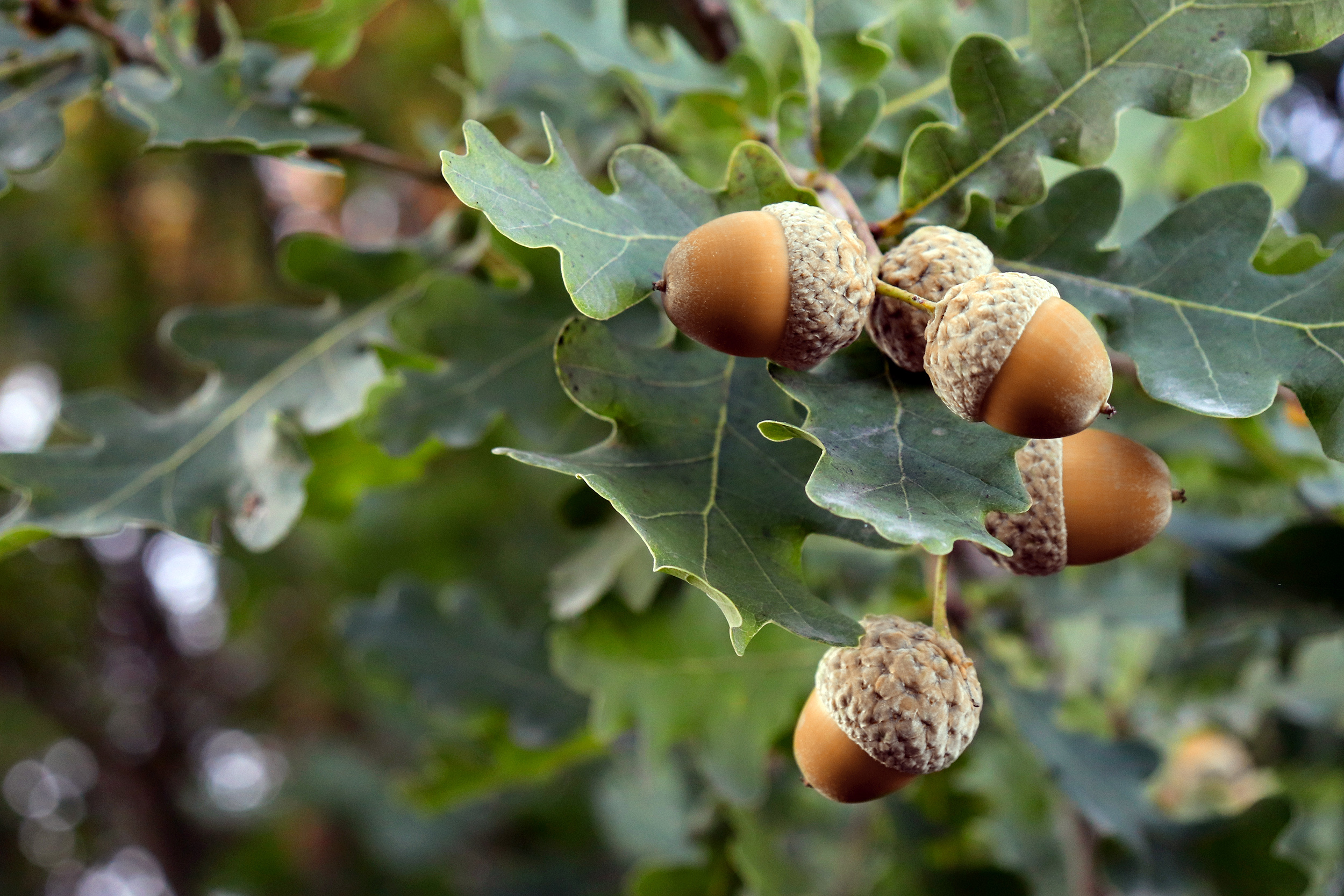
A heavy crop of acorns under an oak tree usually looks more like a sign of fall than a livestock problem. For most cattle in most years, that is all it is. Trouble starts when acorns stop being an occasional bite and become a meaningful part of the diet.
Oak leaves, buds and acorns contain tannins that can damage the digestive tract and kidneys when cattle eat enough of them. Green acorns are generally considered more toxic than mature brown ones, but either can cause problems if cattle eat too many.
The risk climbs when forage is short and cattle go looking for something else to eat. Drought, overgrazed pastures or simply a heavy acorn crop can set up that situation.
Cattle aren’t equally interested in acorns. A few animals in a herd may eat far more than the rest, which helps explain why cases can appear scattered.
Early signs can be vague. Affected cattle may go off feed, look depressed or become constipated. As the damage progresses, you may see dark or bloody manure, abdominal pain, frequent urination followed by reduced urine output, dehydration and weakness. Kidney failure is the most serious concern.
You can’t remove every acorn from a wooded pasture, so prevention comes down to keeping cattle from relying on them. Adequate forage and supplementation take away the incentive to eat large amounts.
You can also fence cattle away from heavily producing oaks for a while, especially when pasture conditions are poor. If several animals seem to be seeking out acorns, take a close look at the rest of the ration instead of assuming they will quit on their own.
If you suspect oak poisoning, call a veterinarian early. Treatment is supportive and does much more good before severe kidney damage sets in. Moving unaffected cattle away from the source and providing good-quality feed and water may prevent more cases.
Acorns are an important fall food for deer, squirrels and other wildlife, and a few acorns generally don’t spell disaster for cattle. The concern is quantity. A pasture full of oaks becomes a different management problem when grass is short, cattle are hungry and the ground is covered with something they are willing to eat.
Oak toxicity comes up most often in cattle, but other livestock can be affected, too. And the risk isn’t limited to acorns. Oak buds and young leaves also contain tannins, so spring can occasionally bring problems as well. In fall, though, the obvious temptation is lying on the ground where cattle can eat it quickly.
Watch where your cattle spend their time. If cows that normally graze open grass start camping under oaks and hunting acorns, that behavior tells you something.
Walk the pasture, estimate how much usable forage is left and check whether a few dominant animals are eating more than the rest. Hay or supplemental feed may help, but place it where all the cattle can reach it rather than assuming one feeder will solve the problem.
Oak poisoning can look like other illnesses, and no one can diagnose kidney damage from pasture observation alone. A veterinarian may use history, clinical signs and lab work to separate it from dehydration, digestive disease or other toxicities. That is another reason to mention a heavy acorn crop when you call. A detail that seems like an ordinary part of fall can be an important part of the history.
Your pasture plan doesn’t have to be complicated. If one wooded trap has a much heavier acorn crop than the rest, use another pasture while you still have the choice.
If you can’t move the herd, make sure hay and supplement are adequate before the animals get hungry enough to seek out acorns aggressively. Salt or mineral by itself won’t make up for a shortage of forage.
The problem usually fades as cattle eat through the crop or the acorns weather or get covered. Don’t return cattle that have already shown signs as soon as they look better, though. Kidney injury can be serious. Follow your veterinarian’s recommendations and reassess the pasture before turning recovered animals back out.

By Jared Groce
Late summer has been brutal on our livestock, our grass and the rural land market in North Texas. We currently have an astounding 42 months of inventory on hand in our report area, and the only properties selling are the ones priced right. Overpriced properties aren’t even getting looked at, much less receiving offers, so pricing your property correctly matters more than ever right now.
Many sellers are still picturing the daily price increases we saw in 2020 to 2023, but those days are behind us, and agents need to be more realistic with listing prices to get any activity for their clients. Hopefully the rains will come soon and bring more land buyers with them this fall, but right now it is still very much a buyer’s market. No one knows how long this dry spell will last, but it will likely take a flood to end it. The same is true of the weather!
They say the best time to plant a tree, or buy land, was 20 years ago, and the second-best time is today.
| County | Area | Acres | $/Acre | List Price | Sold Price | Sale/List | DOM |
|---|---|---|---|---|---|---|---|
| Clay | Henrietta | 120.07 | $5,150 | $714,000 | $618,309 | 86.60% | 434 |
| Clay | Bellevue | 159.44 | $6,184 | $981,000 | $985,959 | 100.50% | 48 |
| Clay | Henrietta | 293 | $4,982 | $1,538,250 | $1,459,600 | 94.90% | 212 |
| Clay | Average | 190.84 | $5,438 | $1,077,750 | $1,021,289 | 94.00% | 231 |
| Collin | Anna | 11.08 | $84,356 | $1,200,000 | $935,000 | 77.90% | 634 |
| Collin | Average | 11.08 | $84,356 | $1,200,000 | $935,000 | 77.90% | 634 |
| Cooke | Muenster | 11 | $18,000 | $209,000 | $198,000 | 94.70% | 250 |
| Cooke | Gainesville | 19.3 | $16,580 | $345,000 | $320,000 | 92.80% | 541 |
| Cooke | Valley View | 96.23 | $15,500 | $1,679,215 | $1,491,565 | 88.80% | 194 |
| Cooke | Average | 42.18 | $16,693 | $744,405 | $669,855 | 92.10% | 328 |
| Denton | Sanger | 16.46 | $39,422 | $649,000 | $649,000 | 100.00% | 47 |
| Denton | Cross Roads | 10.35 | $97,575 | $1,200,000 | $1,010,000 | 84.20% | 40 |
| Denton | Sanger | 300 | $14,000 | $4,999,999 | $4,200,000 | 84.00% | 1,327 |
| Denton | Aubrey | 74.09 | $57,684 | $4,815,525 | $4,273,550 | 88.70% | 302 |
| Denton | Average | 100.22 | $52,170 | $2,916,131 | $2,533,138 | 89.20% | 429 |
| Grayson | Collinsville | 11.61 | $46,516 | $600,000 | $540,000 | 90.00% | 280 |
| Grayson | Van Alstyne | 18.8 | $58,511 | $1,175,000 | $1,100,000 | 93.60% | 280 |
| Grayson | Whitesboro | 30 | $37,984 | $1,170,000 | $1,139,506 | 97.40% | 277 |
| Grayson | Average | 20.14 | $47,670 | $981,667 | $926,502 | 93.70% | 237 |
| Jack | No sales reported | — | — | — | — | — | — |
| Montague | Montague | 485 | N/A | $5,566,000 | N/A | N/A | 333 |
| Montague | Bowie | 26 | $12,244 | $323,500 | $318,352 | 98.40% | 743 |
| Montague | Montague | 37.3 | $10,327 | $428,950 | $385,195 | 89.80% | 1 |
| Montague | Saint Jo | 1,185 | $7,764 | $10,000,000 | $9,199,829 | 92.00% | 19 |
| Montague | Average | 433.33 | $10,112 | $4,079,613 | $3,301,125 | 93.40% | 274 |
| Wise | Sunset | 12 | $19,027 | $234,000 | $228,320 | 97.60% | 16 |
| Wise | Sunset | 12 | $19,027 | $234,000 | $228,320 | 97.60% | 14 |
| Wise | Chico | 11.44 | $24,476 | $299,000 | $280,000 | 93.60% | 24 |
| Wise | Chico | 10.25 | $29,265 | $315,000 | $300,000 | 95.20% | 12 |
| Wise | Average | 11.42 | $22,949 | $270,000 | $259,160 | 96.00% | 17 |
DOM = days on market




-

 Country Lifestyles4 years ago
Scott & Stacey Schumacher: A Growth Mindset
-
 Country Lifestyles10 years ago
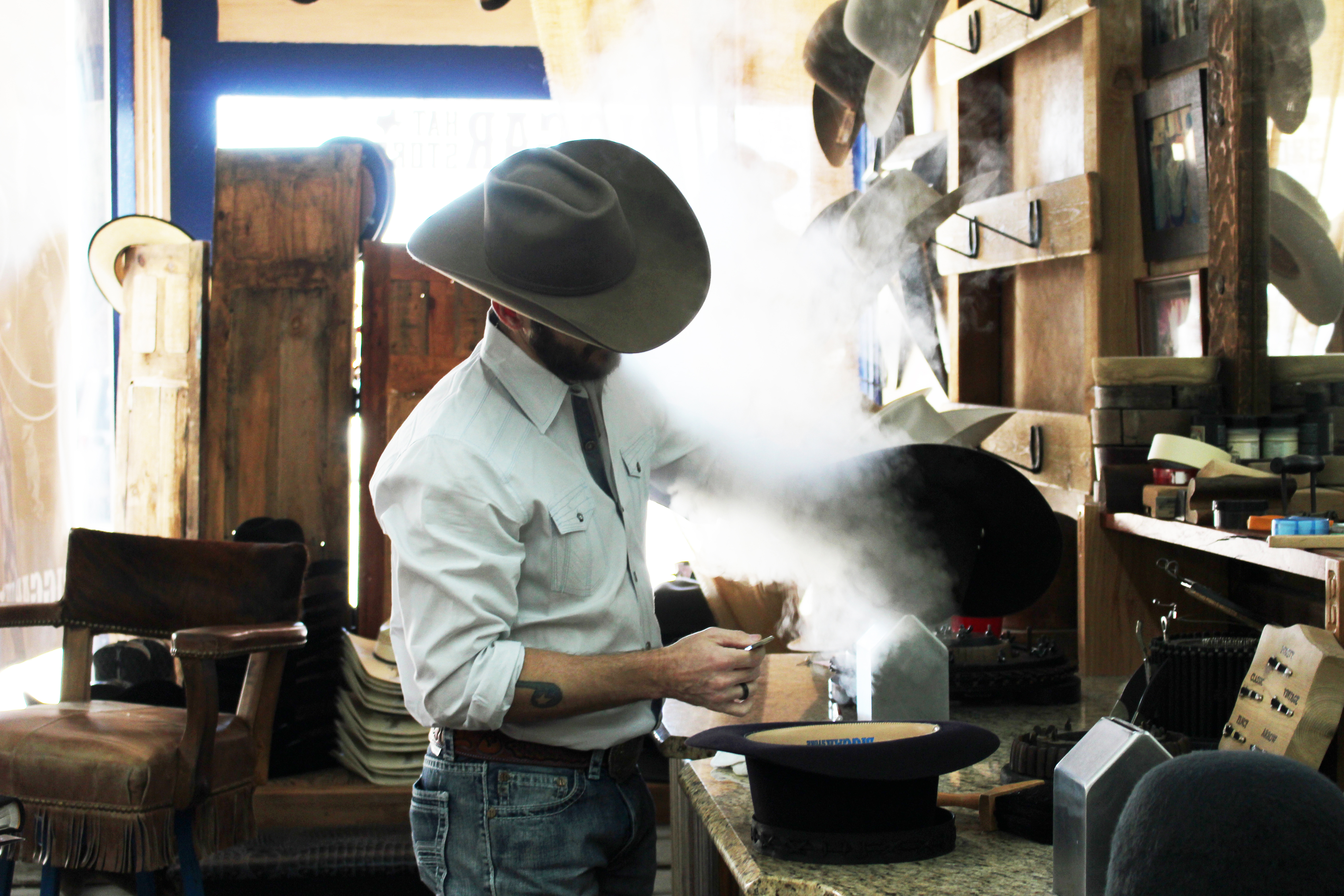
Style Your Profile – What your style cowboy hat says about you and new trends in 2017
-
 Horsefeathers13 years ago
Mount Scott: Country Humor with David Gregory
-
 Outdoor11 years ago
Buttercup or Primrose?
-
 Country Lifestyles10 years ago
June 2016 Profile – The man behind the mic: Bob Tallman
-
 HOME10 years ago
Grazing North Texas – Wilman Lovegrass
-
 Country Lifestyles10 years ago
December 2016 Profile, Rusty Riddle – The Riddle Way
-
 The Natural Horseman9 years ago
This is why we do what we do — RayeAnn and Cisco