Equine
A Memorial Roping

By Krista Lucas Wynn
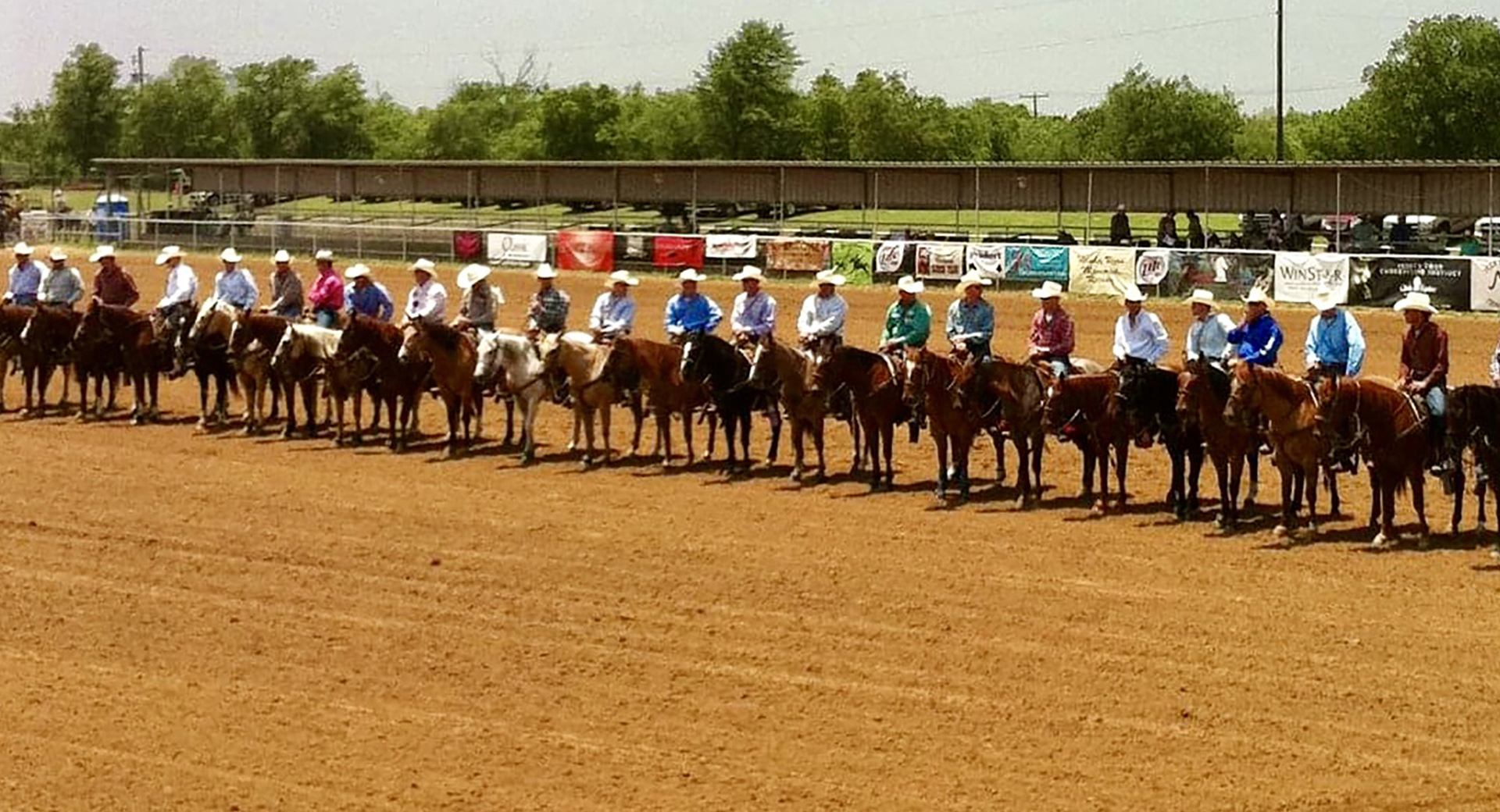
The annual Windy Ryon roping was held on Memorial weekend, May 24-26, 2024. The bucket list event, in Saginaw, Texas, featured exciting competition in team roping, breakaway roping, tie down roping, steer roping, and team tying. Miraculously, the weather did not play much of a factor in the arena conditions, and it was a fun time had by all.
The three days of competition was the 50th year for the Windy Ryon, named after the cowboy businessman who founded Ryon’s Saddle Shop and Western Store, located in the historic Fort Worth Stockyards. The arena is conveniently just 10 minutes from the Stockyards, giving fans a full day of western activities. The weekend kicked off Friday, May 24, with an open breakaway roping, women’s team roping and open team roping.
To read more, pick up a copy of the July issue of NTFR magazine. To subscribe by mail, call 940-872-5922.
Most people don’t notice it all at once.
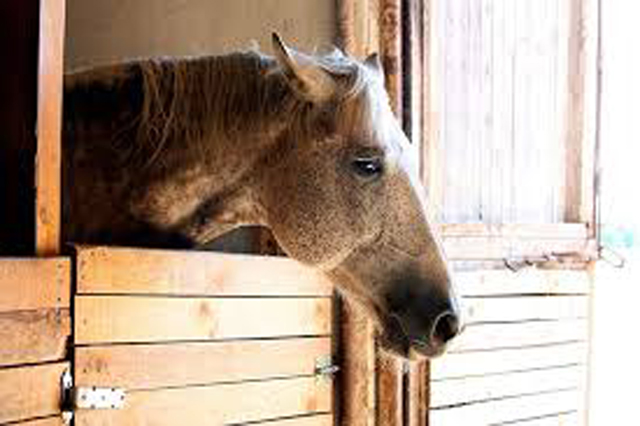
It starts with a coat that doesn’t shed like it used to. Maybe it hangs on a little longer in the spring, or comes off uneven. Then the topline doesn’t look quite as strong. A horse that always held weight well starts to look a little different, maybe carrying more in the belly and less over the back. Sometimes it’s the feet that raise the first real concern.
None of those things, on their own, seem like a big deal. But when they start to stack up, they point in a direction that’s worth paying attention to.
Cushing’s disease, more accurately called Pituitary Pars Intermedia Dysfunction, or PPID, is one of the most common conditions affecting older horses. It’s not something that shows up overnight, and it’s not something that can be cured, but it is something that can be managed if it’s recognized early and handled correctly.
At the center of it all is the pituitary gland, a small but important part of the horse’s endocrine system located at the base of the brain. Under normal conditions, it helps regulate hormones that affect everything from metabolism to immune function. In horses with PPID, a portion of that gland, called the pars intermedia, begins to lose its normal control. The result is an overproduction of hormones, including cortisol, which can have a wide-ranging impact on the body over time.
That increase in cortisol is part of what makes the disease so challenging. It doesn’t just change how a horse looks on the outside. It affects how the body functions. The immune system becomes less effective, healing slows down, and the horse becomes more vulnerable to infections and other complications.
Most cases are diagnosed in horses over the age of 15, but it’s not limited to that age group. It has been identified in younger horses as well, which is why it’s important not to write off physical changes as “just getting older” without taking a closer look.
The signs themselves can be easy to miss in the early stages. The long, shaggy, non-shedding hair coat that people commonly associate with Cushing’s is actually a later development. Before that, the changes are more subtle. A horse may shed later than normal or unevenly. Muscle tone may start to fade, especially along the topline. Some develop a pot-bellied appearance. Others begin drinking more water or seem a little quieter than usual.
Then there are the cases where the first real red flag is laminitis. A horse that suddenly struggles with its feet, or deals with repeated bouts of soreness without a clear cause, often ends up being tested for PPID. In many situations, that’s what finally brings the condition into focus.
Diagnosis itself is fairly straightforward, but it does require some attention to detail. Blood tests are used to measure hormone levels, particularly ACTH, along with glucose and insulin in some cases. Timing matters, as hormone levels naturally shift with the seasons, especially in the fall. Testing at the wrong time without accounting for those changes can lead to inaccurate results, which is why veterinarians may recommend specific testing windows or additional procedures like a TRH stimulation test to confirm what’s going on.
Once a diagnosis is made, the conversation turns to management. There isn’t a cure for PPID, but there is a reliable way to control it. The most commonly prescribed medication is Prascend, which contains pergolide. It works by helping restore balance in the hormone system that the pituitary gland has disrupted. Given daily in tablet form, it has become the standard treatment for horses with PPID.
For many horses, the response is noticeable. Coats begin to normalize, weight stabilizes, and overall condition improves. That said, PPID is a progressive disease, which means management doesn’t stay static. Dosages may need to be adjusted over time, and follow-up testing becomes part of the routine. Some horses experience a decrease in appetite when starting the medication, which may require small adjustments, but overall it remains the most effective option available.
Beyond medication, the day-to-day care of a horse with PPID becomes just as important. Good nutrition is at the top of that list, particularly when it comes to limiting sugars and starches. Horses with PPID are often more susceptible to metabolic issues, and managing diet plays a major role in reducing the risk of laminitis. Regular dental care, consistent deworming, and attentive hoof care all become even more important in maintaining overall health.
There are also the practical realities. Horses that don’t shed properly often need to be body clipped, sometimes more than once a year, just to stay comfortable in warmer weather. Some may require more frequent bathing or cooling if they sweat excessively. Others need closer monitoring for small issues that could turn into larger problems if left unchecked.
Of all the complications associated with PPID, laminitis remains the most serious. It’s also the one that most often determines long-term outcome. Chronic or repeated laminitis can lead to ongoing pain and, in severe cases, the decision to euthanize. That’s why early recognition and consistent management matter. The sooner the disease is identified, the better the chances of preventing that kind of progression.
A diagnosis of PPID isn’t the end of the road for a horse. Many continue to live comfortable, useful lives for years with the right care in place. But it does require a shift in how that horse is managed. It becomes less about routine maintenance and more about paying attention to the details, watching for changes, and working closely with a veterinarian and farrier to stay ahead of potential problems.
In most cases, the first signs are easy to overlook. A coat that lingers. A body that changes. Feet that don’t quite stay right. But those small details tend to matter more than people think. Recognizing them early, and acting on them, is what allows a manageable condition to stay that way.

By Krista Lucas Wynn
Summer is soon to be in full swing, and equine enthusiasts will be traveling to rodeos, trail rides and other events with their equine partners. Whether traveling across North Texas or across the country, it is important to know the tricks of the trade before leaving home.
It is vital to carry fresh water when traveling. Offering clean, cool water to horses keeps them hydrated and ready to perform. Water can be hung in a trailer, stall or while tied to the trailer for a horse to be able to drink at leisure. Stalled horses should have at least two buckets in front of them at all times. It may even be beneficial to pack electrolytes to help replace any lost hydration while on the road. Fans are important to have on hand as well. Box fans may be used while stalling away from home, to keep air flowing during these hot summer days.
Be sure to take plenty of hay and feed, depending on the duration of the trip. If going away for a few hours, one hay bag may suffice. When staying overnight somewhere, it is vital to be able to feed the horse’s usual grain from home while on the road, and owners may need to bring bags of shavings for stalls or the trailer, for more comfortable bedding.
Grooming supplies are also important to have on hand. Brushes, curry combs and hoof picks are a few to not leave home without, along with fly spray and ShowSheen for the mane and tail. Depending on the discipline, owners may need a few other things besides a saddle, pad, bridle, leg wraps, and bell boots. If going very far from home, it is a good idea to bring multiple of each, just in case something breaks. Some owners even pack a few extra horseshoes and shoeing tools in case of an emergency.
Speaking of emergencies, it is also important to have certain medical supplies on hand. A veterinarian may not always be on hand or convenient to get ahold of. Horses that are traveling up and down the road, may experience episodes of colic, tying up or other illnesses due to the stress of traveling. Always seek a veterinarian’s help when available, but be prepared by packing an emergency first aid kit. There are plenty of lists available online to help decide what a horse may need while on the road. Properly taking care of and knowing the horse can be critical in avoiding emergencies while traveling.
Weather can play a factor in travel, and it is important to be prepared for all types. Being weather aware can also help avoid catastrophe on the road with horses. Other items to consider if going very far include auto products like spare tires and tools to change a flat. Also, always fuel up when the opportunity arises. Many northern states do not have as many diesel pumps or diesel exhaust fluid available like Texas.
Horses will also need proper papers to travel across state lines. Negative coggins papers and a health certificate is a must. Most events or public places require both. Coggins is a yearly blood test checking for antibodies against the transmissible viral disease, Equine Infectious Anemia, and a clean health certificate can be obtained for one specific address or for up to six months if traveling multiple places.
Before leaving home, go over this checklist to get started on packing for the next adventure with an equine partner. Whether staying in North Texas, or traveling across the country, remember to enjoy the experience, and hopefully this list will help to prepare.

By Garrett Metcalf, DVM
Splint bone issues in horses are a common problem across various ages and disciplines. These injuries can be caused by excessive work in young horses or by traumatic injuries. The splint bones play an important role in the stability of the joints they help form at the knee or hock level. This article will discuss the different types of splint bone injuries and their treatments.
The splint bones are small bones that are intimately attached to the inside and outside of the cannon bone. To understand which section is injured, it’s helpful to break the splint bone down into three parts: the head, the mid-body section, and the button. The head of the splint bones forms part of the carpus (knee) in the forelimb and part of the hock in the hindlimb. Research has demonstrated the important role splint bones play in the stability of these joints. A study conducted at Colorado State College of Veterinary Medicine noted that when larger portions of the splint bone were removed, rotational stability in the carpus was significantly impacted, and other directional forces were also affected.
Diagnosing splint bone injuries is generally straightforward with radiographs, though in some cases, ultrasound can also be helpful. Bone or callus formation around these splint bone injuries can compress the suspensory ligament, leading to chronic pain and lameness issues.
Popped Splints
“Popped splints” refer to injuries that generally occur in younger horses entering training and work. These injuries typically affect the inside forelimb splints and can be quite painful, leading to loss of training time. A popped splint is the result of tearing the ligament that holds the splint bone to the cannon bone, known as the interosseous ligament. When the ligament is torn, bleeding can occur, disrupting the periosteum of the bones and causing a callus or firm bony lump.
The inside splint on the forelimb is more prone to injury because it bears direct load with the second carpal bone at the head of the splint bone. This places direct force on the splint bone, while other splint bones share the load with adjacent carpal or hock bones.
Popped splints are often painful, with noticeable swelling near the splint bone and heat present. When palpated, a moderate amount of pain will be elicited.
Treatment for popped splints typically includes rest, systemic anti-inflammatory drugs, and local anti-inflammatory treatments. Acute inflammation can be soothed with ice, cold therapies, and bandaging. Alternative therapies such as cold laser therapy, MagnaWave, or shockwave therapy can also be incorporated into the treatment plan. In more extreme cases, surgical removal of the bone callus may be necessary to prevent compression of the suspensory ligament.
Splint Bone Fractures
Splint bone fractures can occur at any level of the splint bone, but some areas are more commonly fractured. The distal one-third of the splint bone is most often fractured in the forelimbs. These fractures are occasionally associated with forelimb suspensory ligament issues. The suspensory ligament has a small attachment to the button of the splint bone, and when the lower limb is heavily extended, bending forces on the lower part of the splint bones can lead to fractures.
In the hind limb, the outside (lateral) splint bone is the most commonly fractured. These fractures often result from kicking injuries. When two horses don’t get along and kick at each other, the lateral splint bone is often the one that gets broken. These injuries are particularly problematic due to the open wounds that are heavily contaminated with manure, hair, and dirt, as well as injuries to flexor tendons.
Fractures near the head of the splint are especially problematic and can sometimes be career-ending or life-threatening. These fractures can involve the joints of the carpus or hock, leading to septic arthritis, severe lameness, and possibly serious instability of the corresponding joint. The rule of thumb for equine veterinarians when surgically removing damaged or fractured splint bones is the “two-thirds, one-third rule.” This means the lower two-thirds of the splint bone can be safely removed, but the upper one-third should be preserved whenever possible. Complete removal of the upper one-third of the splint bone can lead to chronic lameness or, worse, catastrophic joint dislocation when the horse attempts to rise from anesthesia. In some cases, the fractured upper one-third of the splint can be repaired using plates and screws to maintain stability in the joint.
Smaller traumatic injuries to the splint bone often occur from interference injuries or when the horse’s own feet hit the inner splint bones during work. These injuries can be prevented with the use of splint boots on the lower limbs during exercise. Some lower limb boots provide support to the fetlock and suspensory ligament, which can help prevent distal splint bone fractures, although they are not always fully protective.
Conclusion
Some splint bone injuries are relatively simple and common issues that many horse owners can address. However, more serious traumatic fractures and wounds related to splint injuries should be examined by a veterinarian. If you suspect a splint bone injury, it’s best to consult a professional to ensure proper treatment and prevent further complications.
Read more in the September 2025 issue of North Texas Farm & Ranch.



-
 Country Lifestyles3 years ago
Scott & Stacey Schumacher: A Growth Mindset
-
 Country Lifestyles9 years ago
Style Your Profile – What your style cowboy hat says about you and new trends in 2017
-
 Horsefeathers12 years ago
Mount Scott: Country Humor with David Gregory
-
 Country Lifestyles10 years ago
June 2016 Profile – The man behind the mic: Bob Tallman
-
 Country Lifestyles10 years ago
December 2016 Profile, Rusty Riddle – The Riddle Way
-
 Outdoor11 years ago
Buttercup or Primrose?
-
 HOME9 years ago
Grazing North Texas – Wilman Lovegrass
-
 The Natural Horseman9 years ago
This is why we do what we do — RayeAnn and Cisco