
Attractions
Cowboy Cuisine: The Cajun Kid — Paradise, Texas

By Steve Stevens
If you have read my past columns, you know how fond I am of Cajun food. In the cowboy food pyramid, Cajun food is royalty.
Unfortunately, here in North Texas, it is not easy making our southeast Louisiana brothers proud of us.
Although there are a handful of good joints in North Texas, they are few and far between that send you home feeling like you can wrestle an alligator and go to sleep humming Zydeco tunes.
You have to be careful when you praise a Cajun joint, as my dear friends in swamp country could throw punches on the color of your gumbo roux.
Wouldn’t it be fitting that in a little town in Wise County named Paradise, population less than 500, there is a unique little Cajun restaurant named “The Cajun Kid.”
For me, paradise is whenever I am taken back to my time spent in Cajun country with my Cajun family, the Daleys, who taught me a little about duck hunting, crabbing, southern hospitality at its best and what authentic Cajun food is about.
The one thing I know without a doubt is the special ingredient that makes Cajun food so good is Tony Chachere’s special seasoning. Yeah, it should be put on everything, but I am talking about the love that Cajuns put into their cooking. I have never been around a culture that takes so much pride in sharing their food.
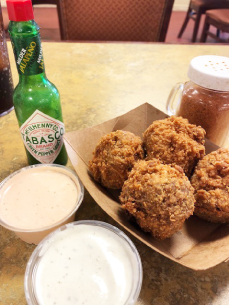
Even if it was only for an hour on a hot weekday afternoon, I was brought back to a nice relaxing drive on the Creole nature trail. The Cajun Kid offers some unique Cajun dishes that are hard to find around these parts. I started my meal with some fried boudin balls. Boudin is a sausage made from a pork-rice dressing stuffed in pork casings.
To read more pick up a copy of the July 2018 NTFR issue. To subscribe call 940-872-5922.
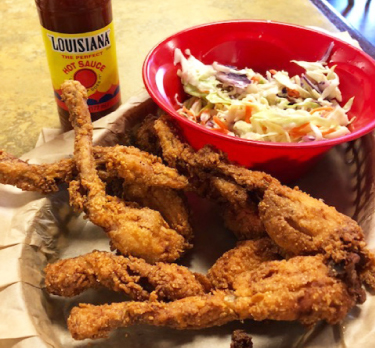
Frog legs. (Photos by Steve Stevens)
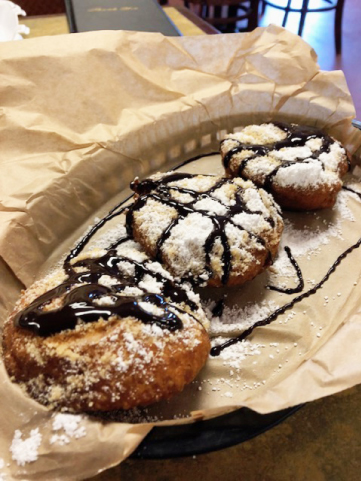
Mama’s beignets.
By Shannon Gillette
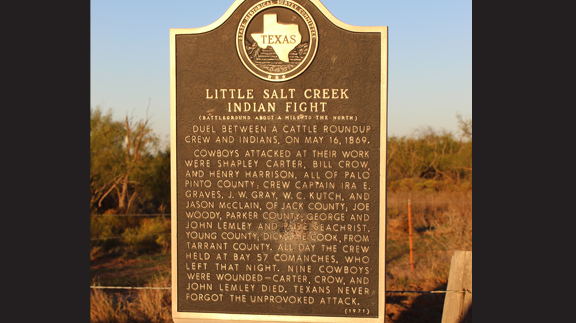
The Salt Creek Prairie with its rolling natural grasses and rampant wildflowers was a deceptive backdrop to the most dangerous prairie in Texas. Located in the northern section of Young County, the prairie absorbed an abundant amount of blood, shed from the battles between the encroaching white man and the Indians desperately trying to hold on to their home lands.
The Salt Creek Prairie was the location of several encounters between the Kiowa, Comanche and the area ranchers. The Indian Raid of Elm Creek on Oct. 13, 1867, resulted in the death of seven ranchers, five former Confederate Soldiers, the kidnapping of six women and children and the theft of 10,000 head of cattle. On May 18, 1871, the prairie witnessed another massacre when the Warren Wagon Train was hit by Kiowa under the command of Satanta, Satank and Big Tree. Seven members of the wagon train were murdered and forty-one mules stolen. But perhaps one of the bloodiest encounters was the Salt Creek fight on May 16, 1869.
Eleven cowboys under the watchful eye of their foreman, Captain Ira Graves were in the process of rounding up about five hundred head of their cattle about five miles southeast of present day Olney, Texas. The ranch hands were William Crow, John and George Lemley, C. L. Carter, Jason McClain, W. C. Kutch, J. W. Gray, Henry Harrison, Rube Secris, Joe Woody and a former slave known as Dick. They had noticed signs of recent Indian activity and were vigilant as they gathered the herd together. Each was armed with cap and ball six shooters. They had pointed the cattle towards the ranch and had made about four miles headway when they noticed a few more head grazing in the distance. Graves sent Carter and Kutch to gather them up. They had advanced about two miles when they spotted a large band of Indians approaching fast. Carter and Kutch could have taken cover in the sparse timber, but realized they would be leaving their companions in serious danger. The two groups met in the middle and tried to take cover in a small ravine that drained into the Salt Creek. The shallow-make shift fox hole offered very little protection.
The Indians attacked again and again. Arrows rained down on the cowboys in a continuous stream of painful blows. They attacked and retreated and attacked and retreated, but each time were met with volleys of gunfire from the small group of ranch hands. Each time the Indians retreated, they conferenced with their leader, who had stationed himself on a small hill away from the battle. After six hours of the constant onslaught, Graves developed a plan. When the Indians retreated, he ordered his men to stand and wave as wildly as they possibly could. The band of Indians, numbering over fifty strong, retreated for a final time, leaving the small band of cowboys alone.
As the dust settled the ranch hands evaluated their losses. In Kutch’s personal account given several years later, he described the aftermath: “Wm. Crow had been dead for several hours, and C. L. Carter had a severe arrow wound in his body, and had been also painfully injured with a rifle ball. John Lemley was mortally wounded in the abdomen with an arrow; J. W. Gray had been twice struck with rifle balls, once in the body and one in the leg; W. C. Kutch had two arrow heads in his knee and one in his shoulder; Jason McClain had been twice wounded with arrows; Rube Secris had his mouth badly torn, and his knee shattered; Geo Lemley had his face badly torn, and an arrow wound in his arm; and Ira Graves and Dick were also wounded.” Harrison was sent to Harmison Ranch for help.
The exhausted and wounded cowboys braved a very long and frightful night. With great relief, the morning hours brought the welcome sight of an incoming wagon. The rescuers patched the wounded as well as they could and sent word that doctors were needed desperately. The doctors did not arrive until a full twenty-four hours later. Carter passed away the next day from the injuries received during the battle. Two years later, McClain died while on another cattle drive. The cause of his death was blamed on the substantial injuries incurred on that fateful day in 1869.
While today the prairie grasses still wave and the wildflowers bloom in gorgeous arrays of colors nestled between cactus and mesquite, the blood shed is a distant memory. On crisp spring mornings it is easy to picture the deadly predicament that the cowboys faced.
This article originally appeared in the January 2016 issue of NTFR.
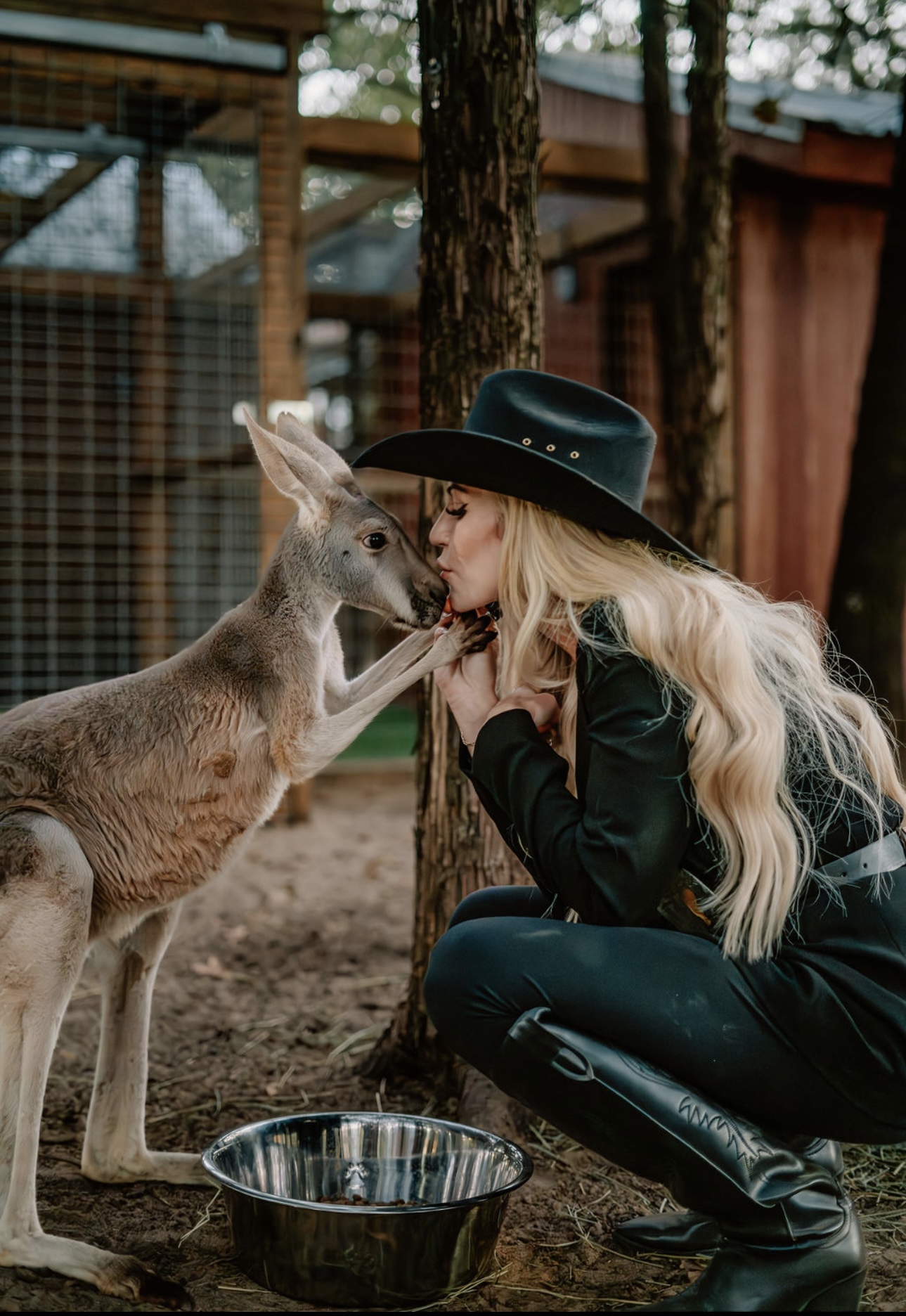
On The Road With Dave Alexander
Rarely will you find an event center that includes a music venue, a steakhouse and a wildlife refuge all rolled into one.
Oak Meadow Ranch has been welcoming guests for over two decades with one thing in mind, your complete happy experience.
The Chef Dinner and Exotic Animal Experience includes a four-course meal followed by a hands-on experience with exotic animals.
You can catch up with Dave at the Birthplace of Western Swing Festival in Fort Worth, Texas on November 7, or at the Irving Symphony Orchestra in Irving, Texas on November 9. To read more about his experience at Oak Meadow Ranch, pick up a copy of the October edition of North Texas Farm & Ranch magazine, available digitally and in print.
To subscribe by mail, call 940-872-5922.
By: Lindsey Monk
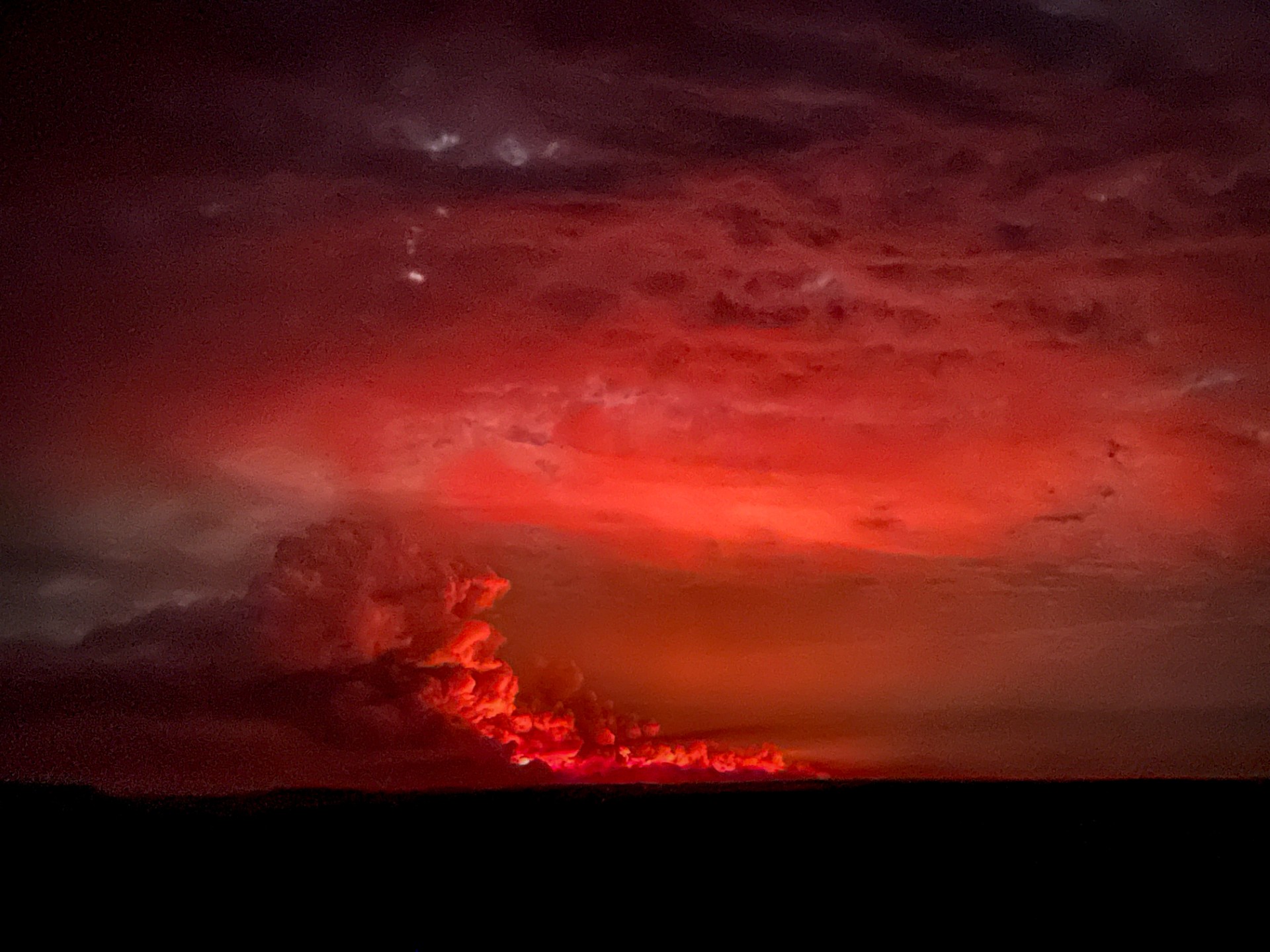
On Aug. 22, 2024 at 11:40 p.m., the Remington fire jumped the line in Wyoming to burn towards Montana at a high rate of speed. The fire burned 194,459 acres and over 41 miles from one end to the other in a span of two days. Livestock producers will be feeling the effects for years to come.
Pick up a copy of the October edition of North Texas Farm & Ranch magazine, available digitally and in print. To subscribe by mail, call 940-872-5922.




-

 Country Lifestyles3 years ago
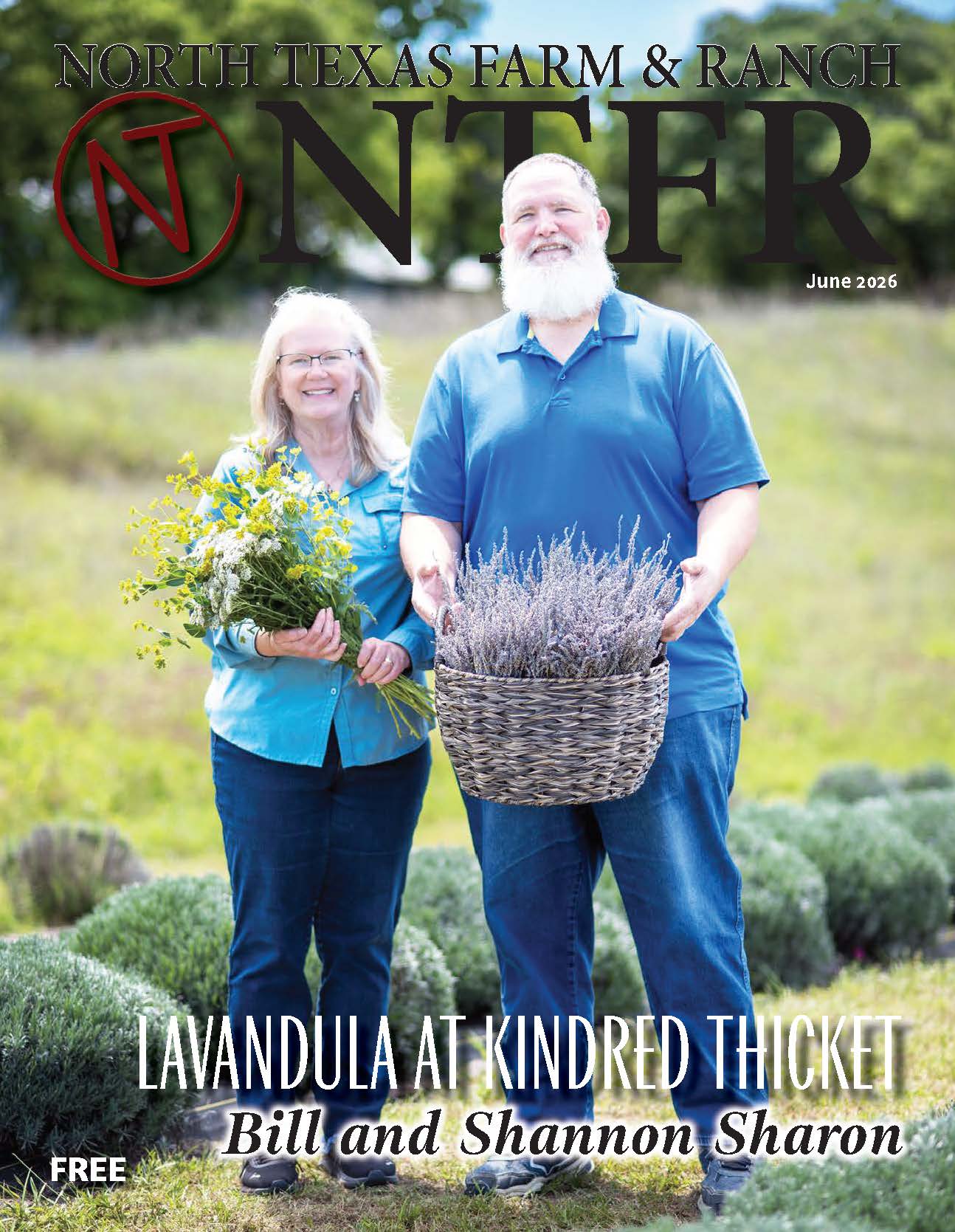
Scott & Stacey Schumacher: A Growth Mindset
-
 Country Lifestyles9 years ago
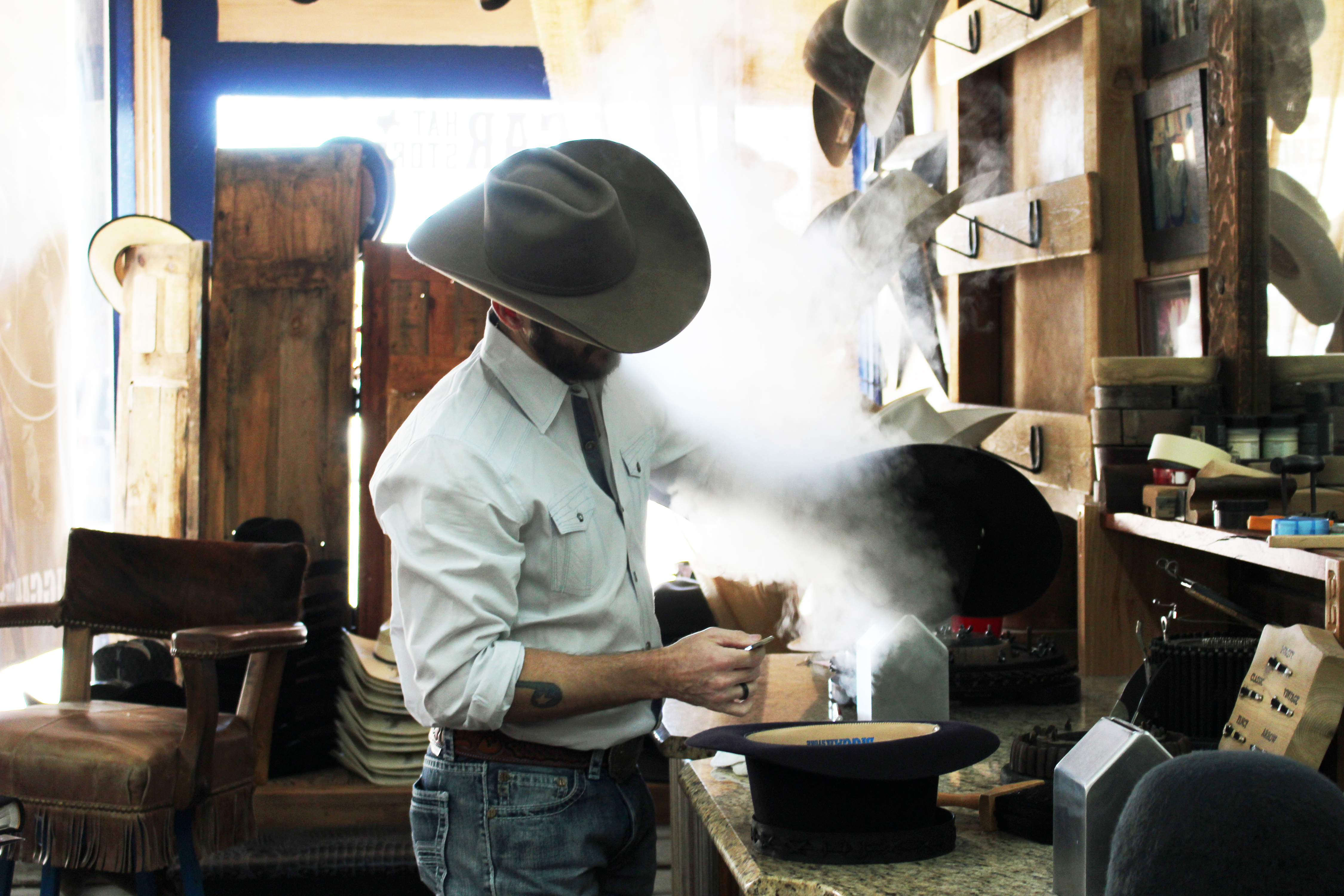
Style Your Profile – What your style cowboy hat says about you and new trends in 2017
-
 Horsefeathers12 years ago
Mount Scott: Country Humor with David Gregory
-
 Country Lifestyles10 years ago
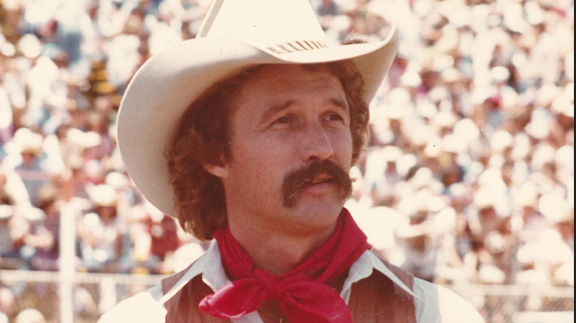
June 2016 Profile – The man behind the mic: Bob Tallman
-
 Country Lifestyles10 years ago
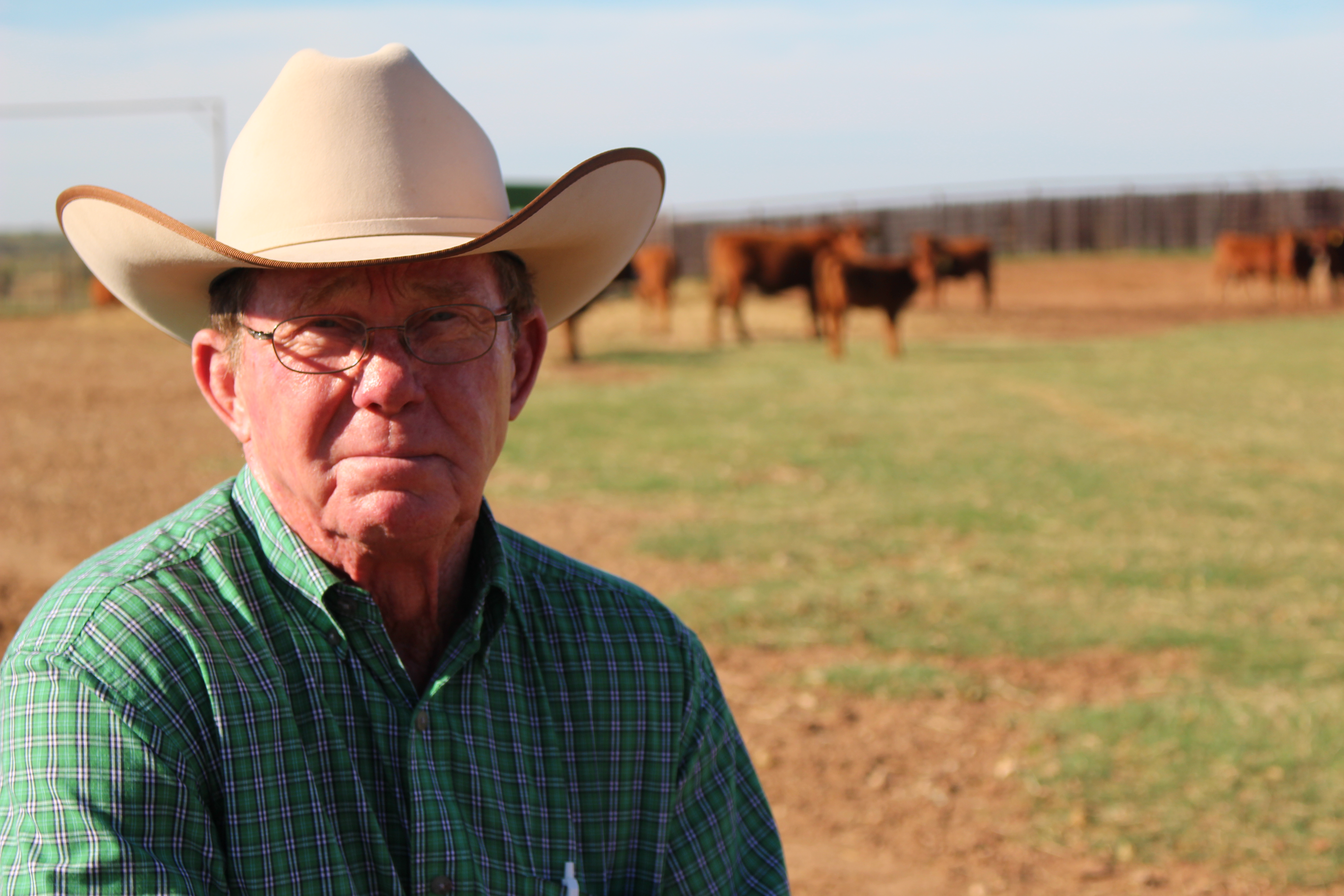
December 2016 Profile, Rusty Riddle – The Riddle Way
-
 Outdoor11 years ago
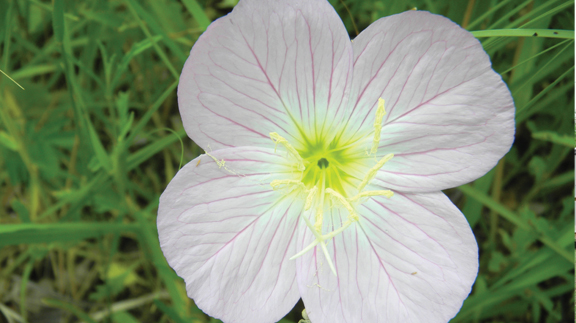
Buttercup or Primrose?
-
 HOME9 years ago
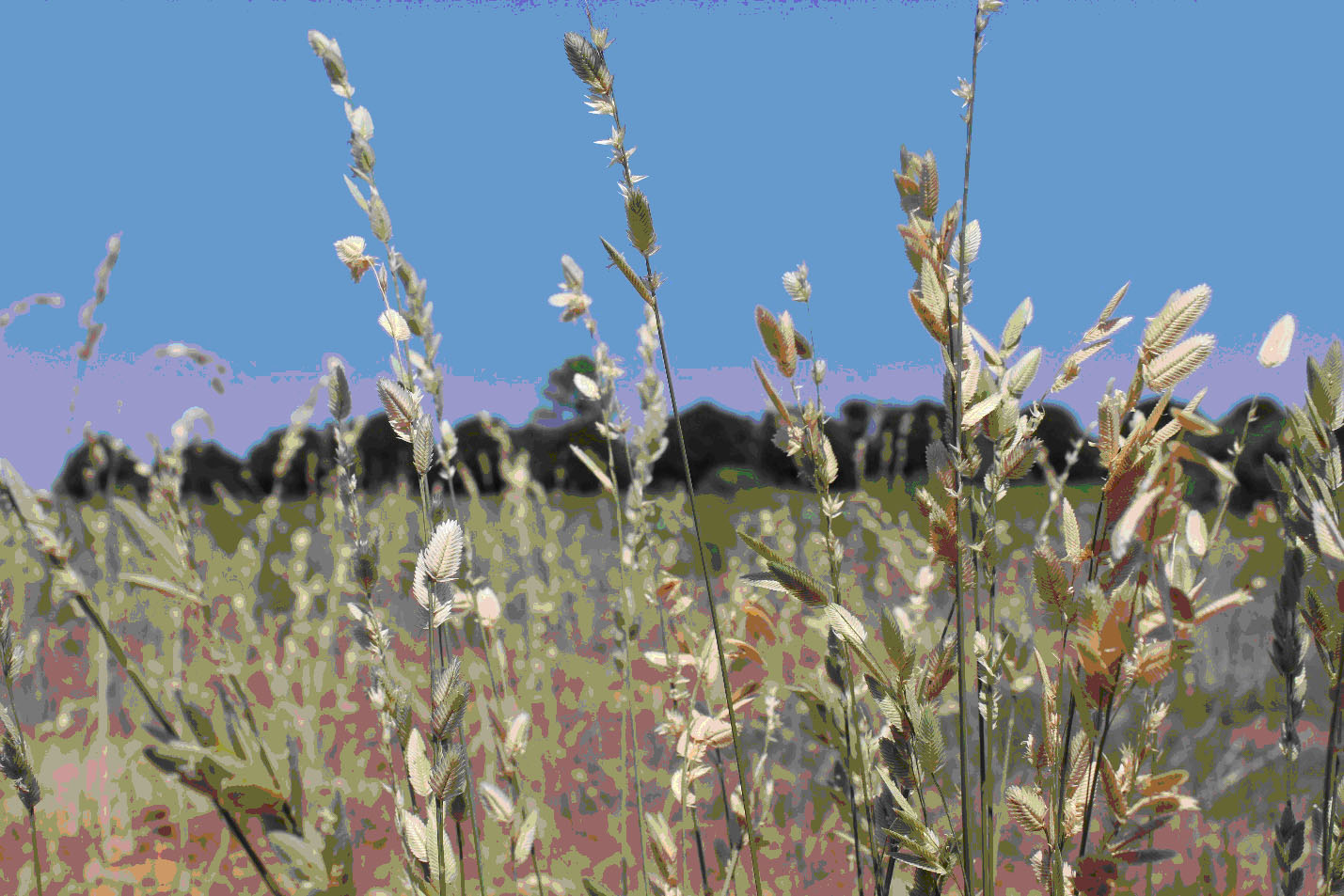
Grazing North Texas – Wilman Lovegrass
-
 The Natural Horseman9 years ago
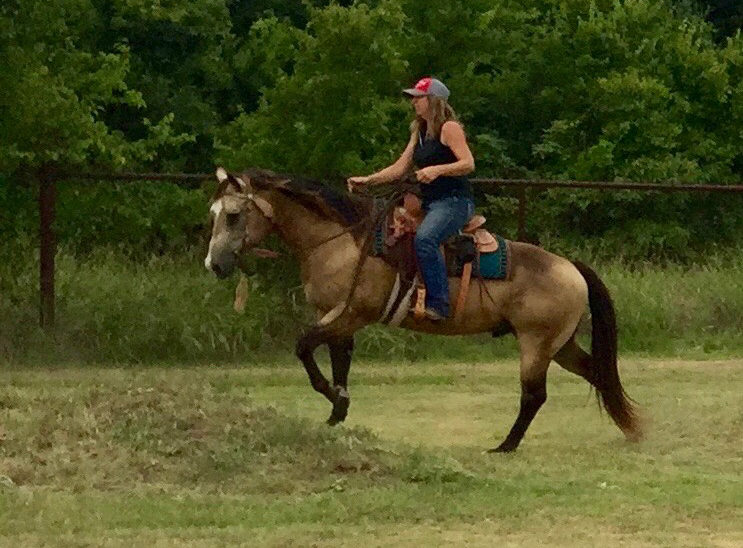
This is why we do what we do — RayeAnn and Cisco