
Country Lifestyles
AQHA Recognizes Local as 50-Year Breeder – Mike Major

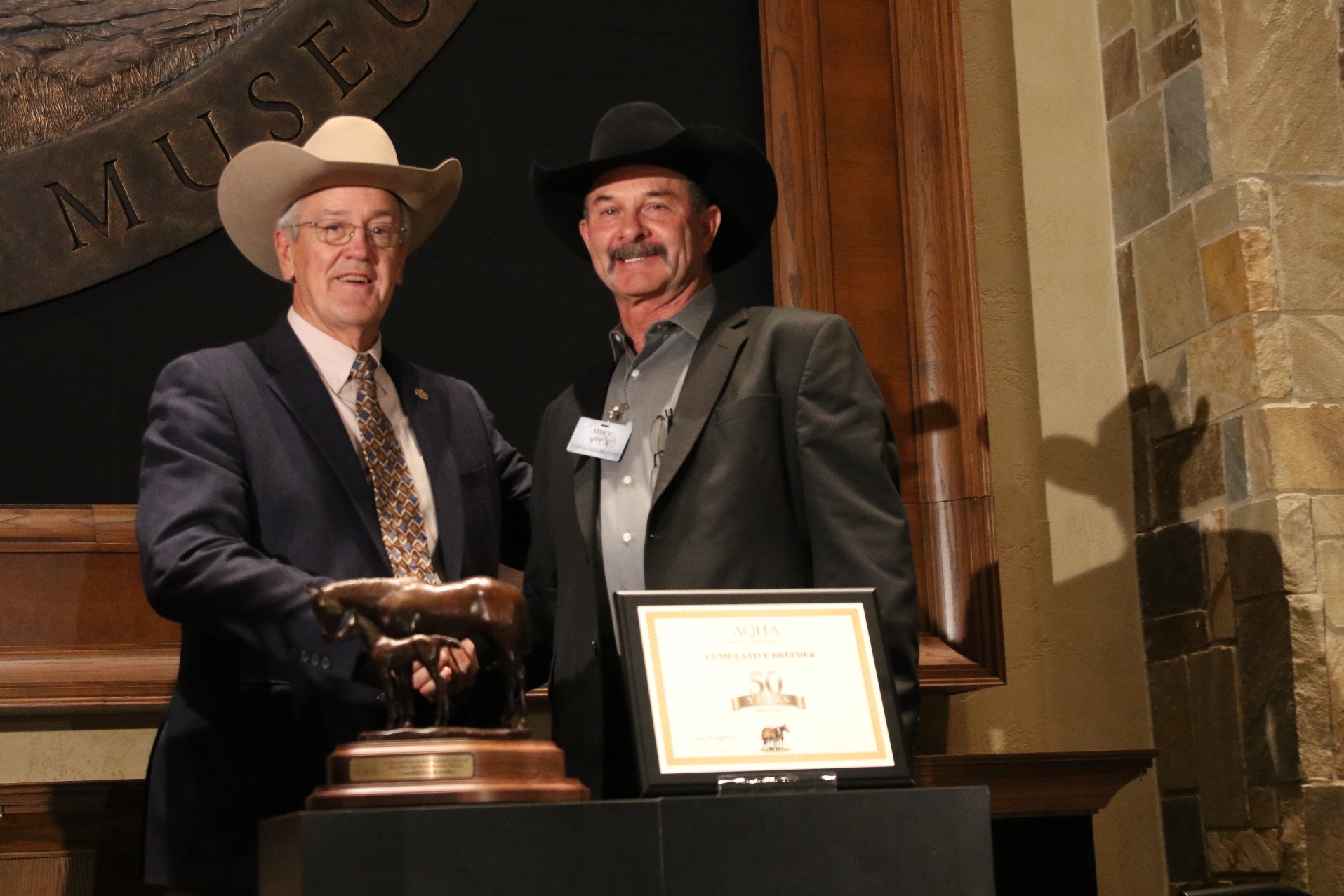
The American Quarter Horse Association, Amarillo – The American Quarter Horse Association honored this year’s 50-year breeders at a ceremony September 25 at the American Quarter Horse Hall of Fame & Museum in Amarillo. Mike A. Major of Bowie, Texas, was honored as a cumulative breeder.
Each year, AQHA honors breeders who have dedicated their livelihoods to maintaining the integrity of the American Quarter Horse. These horsemen and families see their biggest accomplishments and proudest moments in the horses they breed.
“What has intrigued me has always been the horses,” Mike says. “They have been a big part of my life and it’s neat to be able to have horses that go back to some of the horses that we started with when I was a kid.”
This year, the honorees included 13 legacy award winners and 11 cumulative award winners. Legacy breeders are those who have registered at least one foal for 50 consecutive years. Cumulative breeders are those who have registered at least one foal for 50 years cumulatively.
“Fifty-year breeders are the backbone of the American Quarter Horse industry,” said AQHA Executive Vice President Craig Huffhines. “They have dedicated so much of their lives to the American Quarter Horse, and they make the vision of our founders a reality through their knowledge and dedication.”
Honorees ranged from people who have bred American Quarter Horses for reining, racing, cutting, ranch and rodeo. All have dedicated 50 years to taking their best and making it better.
For more information on the 50-year breeders, visit www.aqha.com/news.
-30-
Photo courtesy of The American Quarter Horse Journal. From left to right: AQHA President Ralph Seekins and Mike Major.
AQHA News and information is a service of the American Quarter Horse Association. For more news and information, follow @AQHAnews and visit www.aqha.com/news.
If you have questions, please contact AQHA Manager of Publicity and Special Events Sarah Davisson at sdavisson@aqha.org or 806-378-4368.

By Bryce Angell
Eleven teenage cowboys saddled up to hit the trail. If I’d have known what lay ahead I might have turned around to bail.
We’d planned our trip, so many nights, I’d say dang near a year. My cousin was the one in charge of all the food and gear.
We rode back in some twenty miles. The horses all but spent. Then set up camp and cooked the steaks inside our new cook tent.
The horses were all fenced in or were tied up for the night. ’Twas time to sit next to the fire. A well-deserved delight.
With bellies full of grub and sitting by the fire’s glow, Old Mother Nature made her call. Said, “Time for you to go!”
I quizzed my cousin, “Toilet Paper?” Desperate in my plea. I won’t forget his wide eyes if I live to ninety-three.
He said, “I plumb forgot about the toilet paper roll! Ya better start to gather leaves and dig yourself a hole.”
The frightful news sure traveled fast out to the young cowboys. They calculated lynching but were full of hot air noise.
So, we gathered leaves, then hurried off, the well-known, “Two Step Stride.” But all too soon the leaves were scratchy for our young backside.
My cousin said, “Just do your job then head down to the lake. But don’t forget your Ivory Soap and scrub for goodness sake!”
We were finally back to normal. No more scratchy, itchy seats. Compared to leaves and grass the Ivory Soap was hard to beat.
The youngest of the cowboys said, “Let’s contact Ivory Soap. We could be an advertisement for how we’d all lost hope.
“Then Ivory to the rescue. Now our cheeks are super clean.” Another cowboy hollered, “That would be a gruesome scene!”
So that night, while sleeping in my bag, I heard the loudest splash. I rolled on out then headed for the lake in one fast dash.
The sky was clear, the moon so bright, heard yodeling calls from Loons. But on that fateful night, I swear, I witnessed two full moons.
By NTFR Staff
By September, many North Texas gardens look tired. Tomato plants have slowed down, squash vines may have surrendered to insects, and the summer heat has worn on plants and gardeners alike.
The growing season may seem to be ending, but September can give you a second chance.
Fall vegetable gardens can be especially productive in Texas. Cooler weather eases heat stress, and several common garden pests become less of a problem as the season goes on. The key is choosing vegetables that can mature before winter and helping young plants survive the lingering heat of early fall.
Start by clearing out plants that have stopped producing. Throw away diseased or heavily insect-damaged plants instead of composting them. Healthy plant material can go in the compost pile, but discard weeds that have already gone to seed.
Once the bed is clear, loosen the soil and add a layer of finished compost. If you need fertilizer, base the amount on a soil test whenever possible. Garden soil should drain well, and most vegetables need at least eight hours of direct sun each day.
What you plant in September depends partly on the weather and where you live in North Texas. You can plant quick-growing vegetables such as radishes, turnips, mustard greens, lettuce and spinach from seed. Carrots and beets are also good fall crops, though they may take patience and steady moisture while they germinate.
Broccoli, cabbage and cauliflower are usually easier to establish from healthy transplants than from seed sown directly in the garden. Kale and collards can go in from seed or transplants. Garden centers often start stocking fall vegetable transplants as temperatures improve.
Texas A&M AgriLife Extension recommends planting fall vegetables early enough that they can grow and mature under good conditions. Texas has several growing regions, so check the planting dates for your area rather than a calendar meant for another part of the state.
September can still bring afternoon highs in the 90s, so new seeds and transplants need extra attention. Water the bed before planting, then keep the top layer of soil evenly moist while seeds germinate. A light layer of mulch can slow evaporation, but don’t lay it so thick that small seedlings can’t push through.
Transplants may benefit from temporary afternoon shade for their first several days in the garden. Shade cloth, an overturned nursery flat or another lightweight cover can protect tender leaves while the roots settle in. Leave room for air to move, and don’t let covers rest directly on the plants.
Succession planting can stretch your harvest. Instead of sowing every radish, lettuce or turnip seed at once, plant a small amount every week or two. You’re less likely to end up with more produce than your household can use at one time.
Keep frost in mind, too. Count backward from your area’s average first freeze and compare that window with the days to maturity on the seed packet. Cooler fall weather can slow growth, so give yourself extra time rather than waiting until the last possible planting date.
A fall garden doesn’t have to be large or complicated. One prepared bed, a few rows of greens and several broccoli or cabbage transplants can keep fresh vegetables coming long after the summer garden has faded.
September isn’t the end of the gardening year in North Texas. In many ways, it is a chance to begin again.
By Annette Bridges
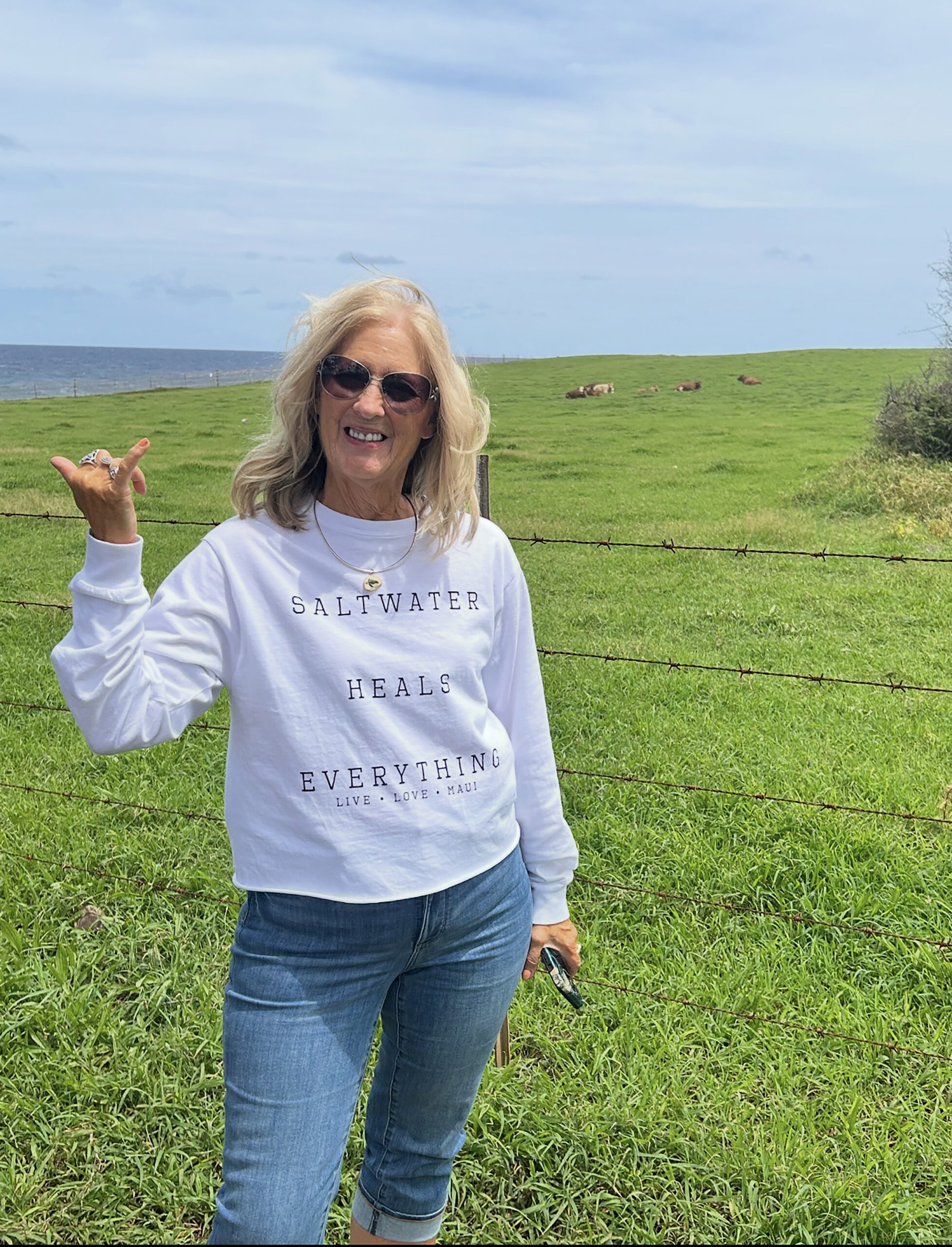
In September 2022, I wrote a column titled “Merry Maui Cows,” featuring a photograph of me with a group of Maui cows grazing in a seaside pasture.
This photo was taken in that same spot a few weeks ago, in March 2026.
Standing there again, looking out over that green hillside rolling toward the ocean, I couldn’t help but smile. I’m quite certain those cows were just as merry then as they are now, and I realized I am, too.
My husband and I had returned to Maui to celebrate our 45th wedding anniversary.
Forty-five years! I can hardly say it out loud without wondering where in the world the time has gone. The years flew by, and yet so much life happened in them: joys, challenges, ordinary days and unforgettable moments, the kind of life that shapes you.
This trip carried an extra layer of celebration for me. Since that first “Merry Maui Cows” photo, I’ve lost over fifty pounds. I found myself happily shopping for new tropical clothes, smiling in dressing rooms and picking up sizes I hadn’t worn in years. It was lighthearted fun, but it also meant something deeper to me. Change is still possible, even later in life.
At this stage of life, birthdays and anniversaries feel less like markers of time passing and more like invitations to look back, take stock and notice what has changed and what has stayed the same.
When I placed my new photo beside the one from 2022, I noticed the differences, of course. What stood out most was what hadn’t changed. I was still merry, and those two simple words felt like a quiet declaration.
Being “still merry” after years of life, with all its beauty and difficulty, says something. It says we’ve held onto joy and chosen gratitude. It says we’ve weathered what needed weathering and still found reasons to smile.
Life doesn’t stay the same, and it isn’t meant to. We get seasons of ease and seasons of challenge, moments that take your breath away and moments that take your strength. Through all of it, we can carry a steady thread of merriness forward.
It may be quiet, and life may be far from perfect, but I’m still merry. Maybe that’s enough. Maybe it’s everything.




-
 Country Lifestyles4 years ago
Scott & Stacey Schumacher: A Growth Mindset
-
 Country Lifestyles10 years ago
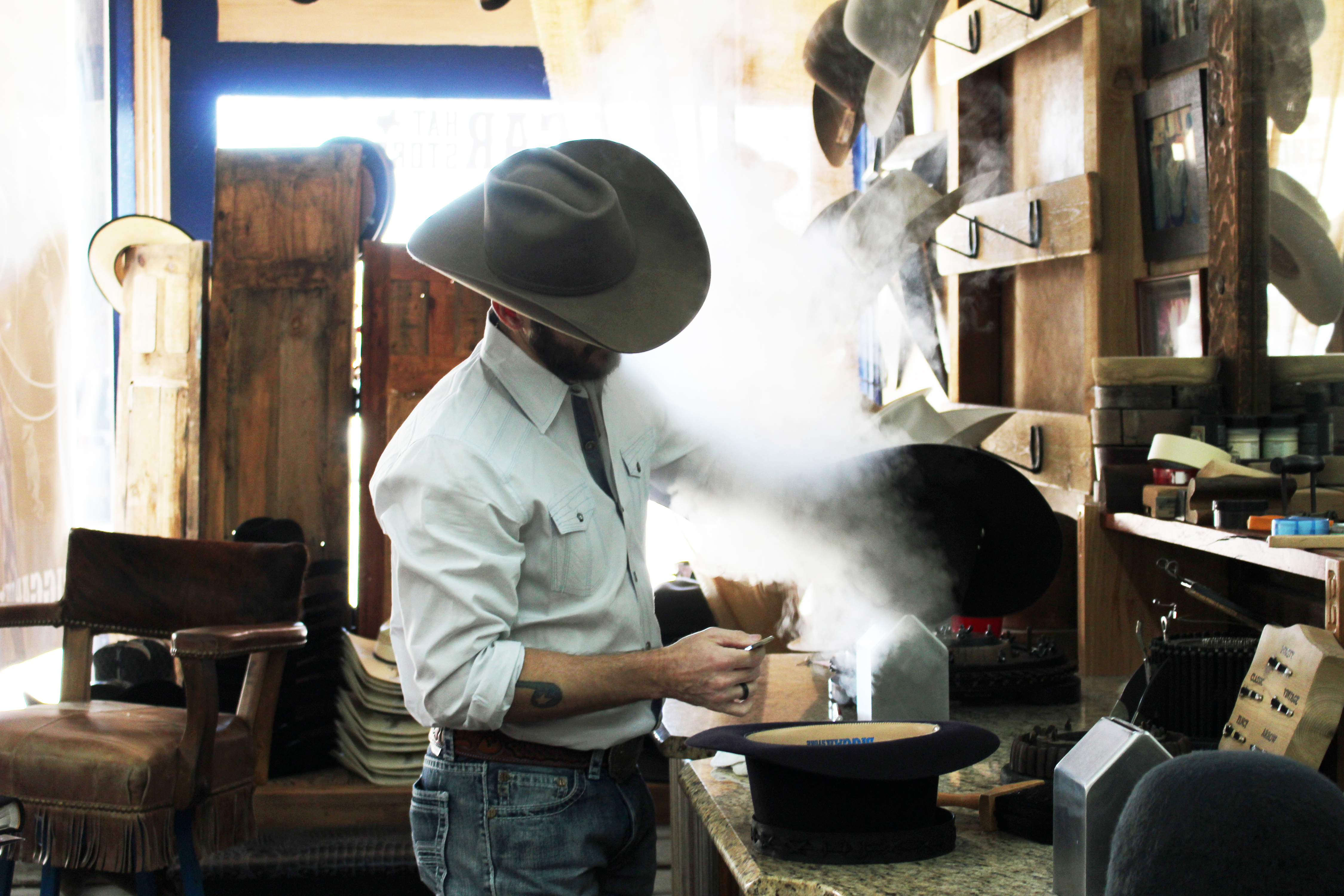
Style Your Profile – What your style cowboy hat says about you and new trends in 2017
-
 Horsefeathers12 years ago
Mount Scott: Country Humor with David Gregory
-
 Country Lifestyles10 years ago
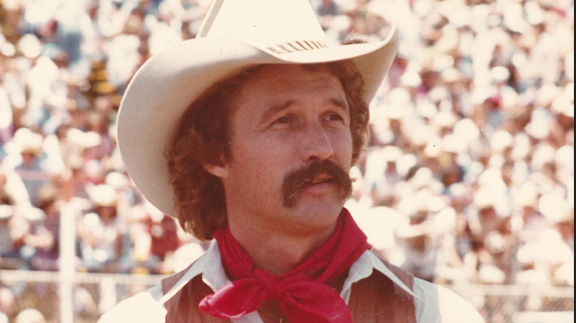
June 2016 Profile – The man behind the mic: Bob Tallman
-
 Outdoor11 years ago
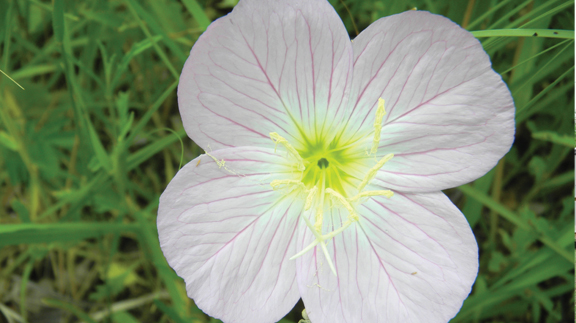
Buttercup or Primrose?
-
 Country Lifestyles10 years ago
December 2016 Profile, Rusty Riddle – The Riddle Way
-
 HOME10 years ago
Grazing North Texas – Wilman Lovegrass
-
 The Natural Horseman9 years ago
This is why we do what we do — RayeAnn and Cisco