
Equine
Stallion Auction For Fire Victims


By Corsi Crumpler
If you picked up last month’s issue of NTFR, perhaps you took a peek at the article written about Lowrance Performance Horses. However, if you missed the article, you may have noticed a story circulating in every form of social media about a small family that was able to raise more than $100,500+ for the victims of the fires in the Texas panhandle. That small family was none other than Melanie and John Lowrance, owners and operators of Lowrance Performance Horses.
What would normally take a team of breeders was done single-handedly by a girl in her 20’s. “We organized a stallion auction that would benefit the victims of the 2017 wildfires,” Mel said. “Stallion owners were able to donate breeding contracts to this online Facebook auction for people to bid on. We facilitate Facebook Auctions on our Lowrance Horses page to sell some of our horses, so we utilized our business page to host the auction.”
By using Facebook, the Lowrances were making it easier and more accessible for people not only to bid in the auction, but to share the auction as well. Eventually, this auction was viral among the horse community on Facebook.
This was not an overnight task, however. What was supposed to be a small auction to help out a few people who were affected by the fires turned into more than 100 stallions being donated to this cause. After the Lowrances realized how much others were willing to help out, they decided to make a set of rules and guidelines for people to follow so that when it came time to close the bids, everything could happen smoothly.
To read more pick a copy of the May 2017 NTFR issue. Call 940-872-5922 to subscribe.
By OKFR Staff
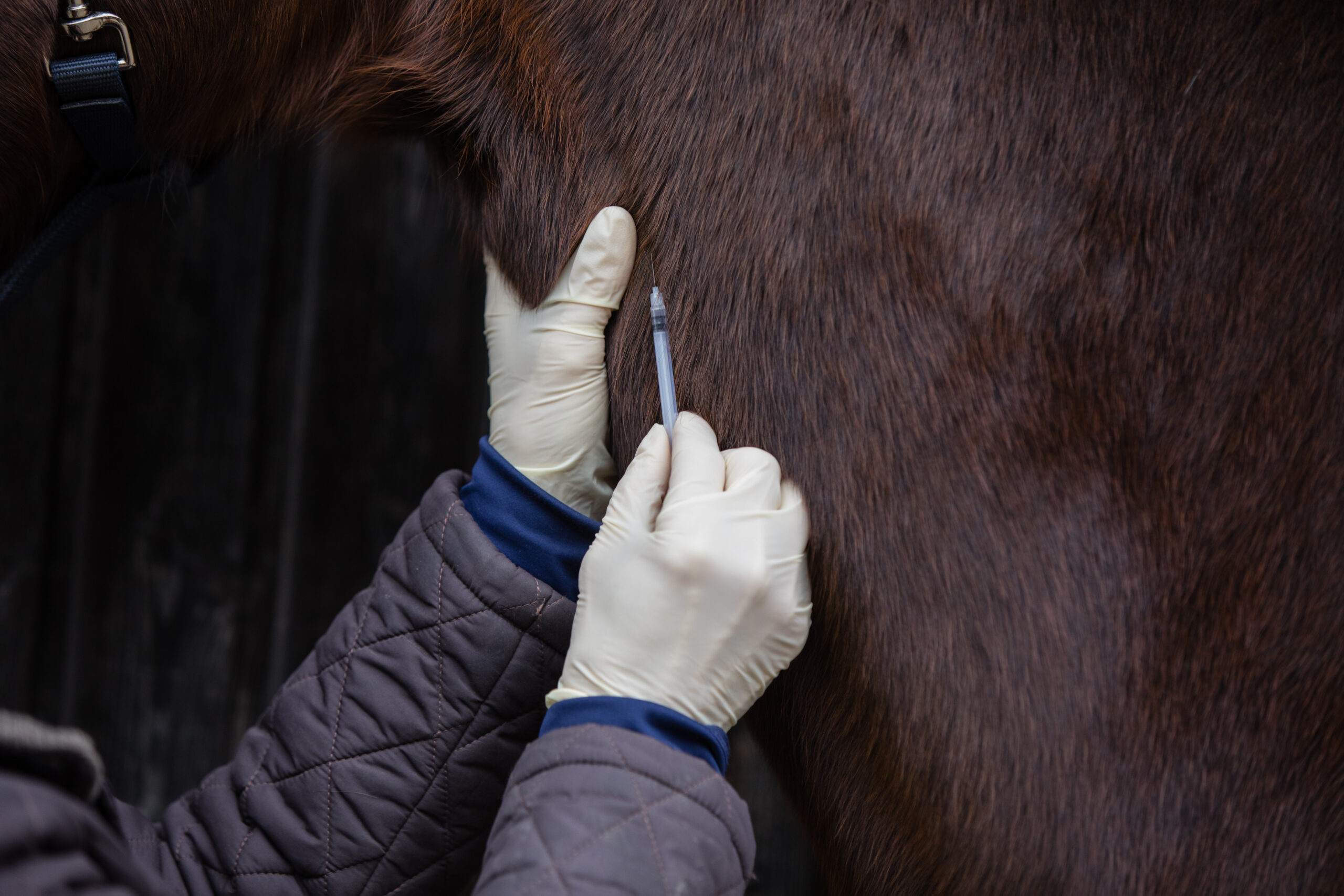
Vaccinations may not prevent every case of illness, but they remain one of the most effective tools horse owners have for reducing the risk of serious and sometimes fatal disease. The right vaccination program depends on the horse, where it lives, how often it travels and the animals it may encounter.
The American Association of Equine Practitioners divides vaccines into two categories: core and risk-based. Core vaccines are recommended for all horses because the diseases pose a significant health risk, may have public health implications or are spread by sources that owners cannot completely control.
The core vaccines for horses are tetanus, Eastern and Western equine encephalomyelitis, West Nile virus and rabies.
Tetanus is caused by bacteria commonly found in soil and manure. The organism can enter through puncture wounds, cuts, surgical sites and other damaged tissue. Even a wound that appears minor can create an opportunity for infection.
Previously vaccinated adult horses generally receive a tetanus booster annually. An additional booster may be recommended following a penetrating injury or before surgery if more than six months have passed since the horse’s last dose.
Eastern and Western equine encephalomyelitis and West Nile virus are spread primarily through mosquitoes. These diseases can affect the nervous system and may cause weakness, loss of coordination, behavioral changes, difficulty standing or death.
Vaccination is generally scheduled before mosquito season begins. In regions with long mosquito seasons, a veteri
narian may recommend boosters more frequently than once a year.
Rabies is uncommon in horses, but it is fatal and can be transmitted to people. Horses may be exposed through contact with infected wildlife, including bats, skunks, raccoons and foxes. Because horses frequently interact with owners, veterinarians, farriers and other handlers, annual rabies vaccination protects more than the individual animal.
Risk-based vaccines are recommended according to a horse’s individual circumstances. These may include vaccines for equine influenza, equine herpesvirus, strangles, leptospirosis, botulism and other diseases. A horse that remains on one farm with a closed herd may have different needs than a show horse that travels regularly, shares barns with unfamiliar
horses and encounters animals from several states.
Influenza and equine herpesvirus vaccines are commonly considered for horses that travel or are frequently exposed to new horses. Equine influenza spreads quickly through respiratory droplets and contaminated equipment. Horses at increased risk may need boosters every six months, and some competitions or facilities require proof of recent vaccination.
Timing also matters. Vaccines do not provide immediate protection, and an unvaccinated horse may require an initial series of two or more doses. The AAEP recommends completing the primary series and needed boosters at least 14 days before likely exposure. Waiting until the day before a show or hauling trip does not give the immune system enough time to respond.
Mild soreness, swelling or a
temporary fever can occur after vaccination. Serious reactions are rare, but owners should contact their veterinarian if a horse develops significant swelling, breathing difficulty, hives, weakness or other concerning signs.
There is no single vaccination schedule that fits every horse. Age, pregnancy, health, travel, local disease activity and previous vaccination history all affect the plan.
A veterinarian can also make sure vaccines have been properly stored, administered and recorded.
Vaccination works best alongside good management. Clean equipment, limited contact with unfamiliar horses, isolation of new arrivals and prompt attention to illness remain important.
Together, vaccination and basic biosecurity provide horses with a stronger line of defense against preventable disease.
By Ann Asher
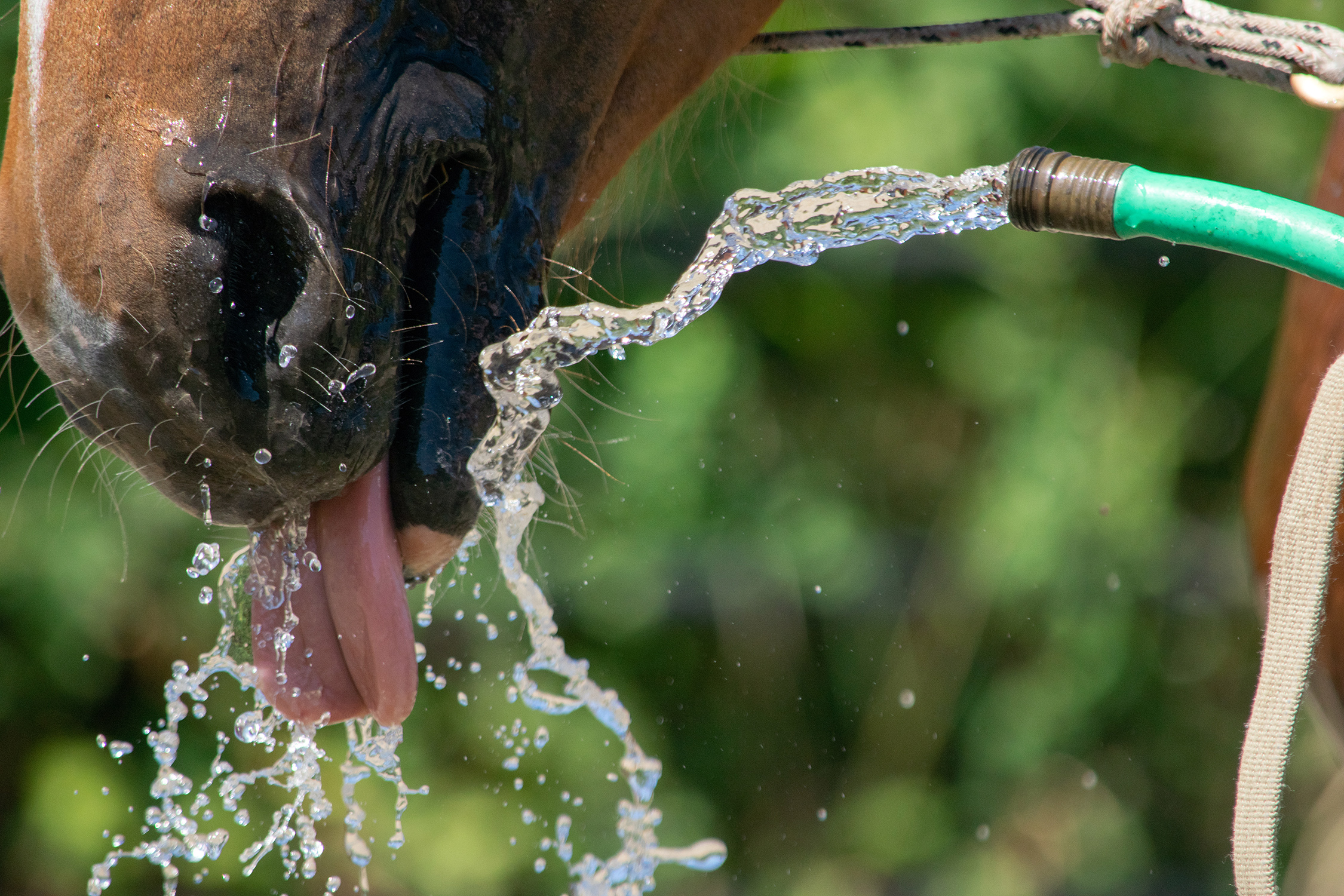
Good horse care usually starts with the basics: clean water, quality forage, a balanced ration and common sense. Still, there are times when water alone may not be enough to help a horse recover from hard work, hauling or heavy sweating. That is where electrolytes can be useful.
Electrolytes are minerals that help the body manage fluid balance, muscle function and nerve function. In horses, the main electrolytes of concern include sodium, chloride, potassium, calcium and magnesium. When a horse sweats, he does not just lose water. He also loses these important minerals, especially sodium and chloride. That is one reason a horse can appear tired, dull or slow to recover after a long ride, a hard workout or a hot day in the trailer.
For most horses in light work, electrolytes do not need to be complicated. A horse on a good forage-based diet will usually get many of the minerals he needs from hay, pasture and feed. The one thing that is commonly short is salt. Because of that, horses should have access to salt daily, either through a plain white salt block, loose salt or salt added to the feed. Some horses do not consume enough from a block, so loose salt can be a better option for horses that need encouragement.
Electrolyte supplements are different from plain salt because they usually contain a blend of minerals designed to replace what is lost in sweat. They can be helpful for horses in regular training, horses that travel, horses competing in hot weather, horses that sweat heavily or horses that are expected to work hard for a long period of time. They may also be useful
when a horse has had an unusual amount of fluid loss, though illness, diarrhea, colic signs or a horse that is not drinking should always involve a veterinarian.
The best way to use electrolytes is to plan ahead and use them according to the label. They can be given in feed, mixed into water or administered as a paste. For many horse owners, adding them to a small amount of feed is the easiest and most reliable method, because the horse is less likely to reject his water. If electrolytes are added to a water bucket, a second bucket of plain water should always be available. A horse should never be put in a situation where
the only water offered tastes salty or unfamiliar.
That point is important. Electrolytes are meant to support hydration, not replace water. They work best when the horse has free access to fresh, clean water before and after they are given. Giving electrolytes to a horse that cannot or will not drink can make a bad situation worse. If a horse is dehydrated, depressed, showing signs of colic, refusing water or not recovering normally after exercise, that is a veterinary issue, not a supplement issue.
There can also be such a thing as too much. More electrolytes do not automatically
mean better care. Overuse may cause a horse to refuse feed or water, and too much salt without adequate water can irritate the digestive tract and contribute to dehydration concerns. Owners should avoid stacking several electrolyte products at once, especially if the horse is already receiving a fortified feed, mineral supplement or additional salt. It is also worth reading labels carefully. A good electrolyte product should be built around sodium, chloride and other major sweat minerals, not mostly sugar or filler.
Timing matters, too. Electrolytes are most useful when matched to actual need. A horse
standing in the pasture with minimal sweating may only need salt and water. A horse hauled several hours, ridden hard, worked in humid weather or sweating through a saddle pad may benefit from an electrolyte product before, during or after the event, depending on the situation and the product directions. For competition horses, it is wise to test any electrolyte routine at home first. Show day is not the time to find out a horse dislikes a certain powder or will refuse treated water.
Owners should also remember that electrolytes are only one part of heat and hydration management. Shade, ventilation, fitness level, rest breaks, cooling with water, and avoiding the hardest work during the worst heat all matter. An out- of-shape horse asked to do too much can get into trouble even if he has been given electrolytes.
Likewise, a fit horse still needs time to cool down and rehydrate after heavy work.
Used correctly, electrolytes are a practical tool. They can help replace minerals lost in sweat and encourage normal recovery when a horse has been working, hauling or sweating hard. Used carelessly, they can create problems, especially if they are given without enough water or used as a substitute for veterinary care. The safest approach is simple: provide salt every day, keep clean water available at all times, reserve electrolyte supplements for horses that truly need them, and follow the product label. When in doubt, especially with a horse that is not drinking or does not seem right, call the veterinarian. Electrolytes can be helpful, but they work best as part of good horsemanship, not as a shortcut around it.
By NTFR Staff
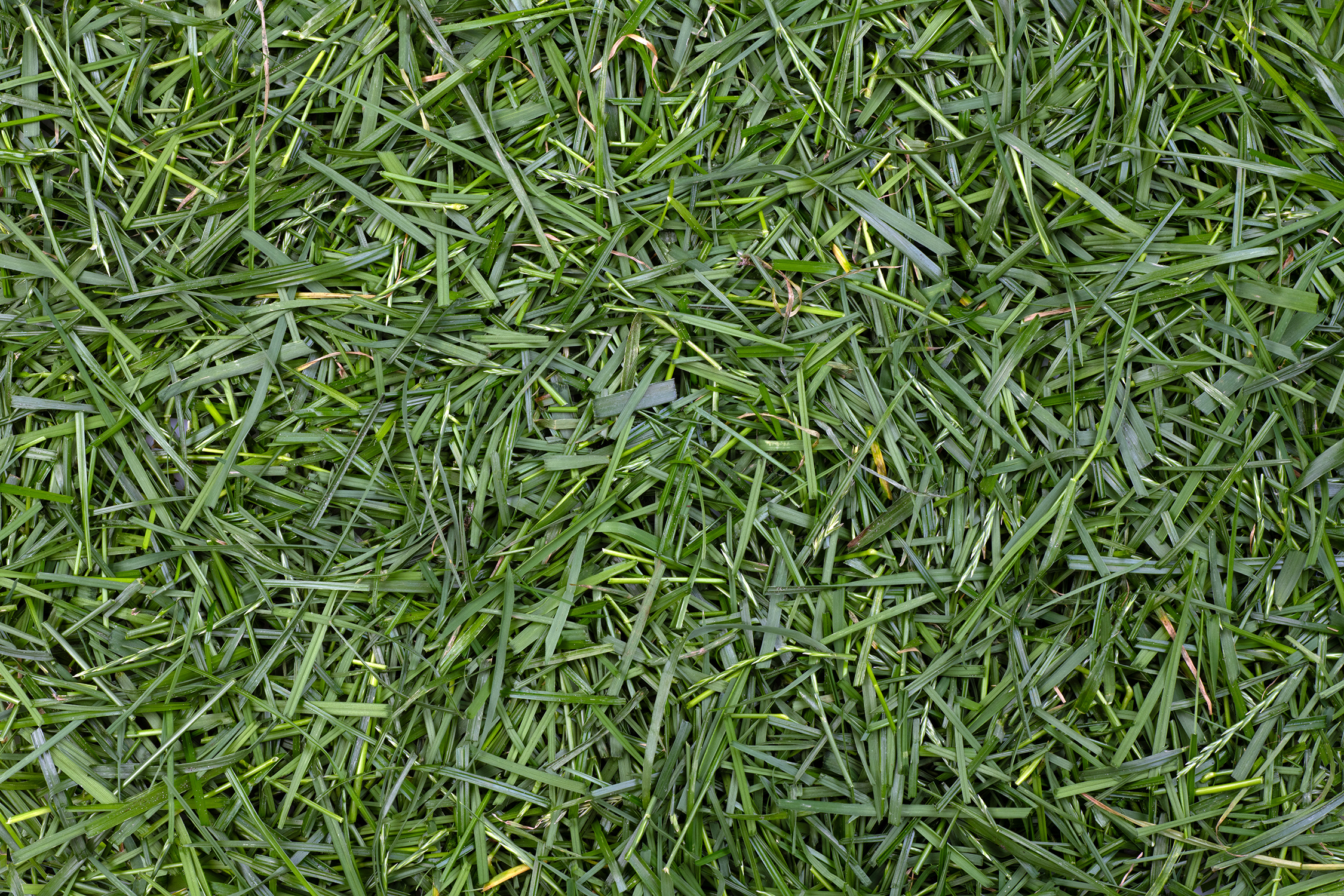
Every summer, as lawn mowers start making their rounds, the same warning seems to surface among horse owners: “Don’t throw those grass clippings over the fence.” For many people, the explanation has always been that fresh grass clippings will cause an impaction. Like many pieces of horse barn wisdom, the advice is sound, but the reason behind it isn’t exactly what most people think.
Veterinarians and equine nutritionists generally agree that horses should never be intentionally fed lawn clippings. However, the concern is not that chopped grass is likely to plug up the digestive tract. In fact, grass is highly digestible and contains a significant amount of moisture. Impaction colic is more commonly associated with dehydration, poor-quality forage, inadequate water intake, or other factors that slow the movement of feed through the intestines.
The real problem is how horses consume grass clippings. A grazing horse spends hours slowly eating small bites of forage throughout the day. A pile of freshly cut grass, on the other hand, allows a horse to consume a large amount in just a matter of minutes. That sudden intake can upset the delicate balance of microbes in the horse’s hindgut, increasing the risk of digestive upset, gas colic, and, in some horses, even laminitis.
Another concern is choke. Because grass clippings are already chopped into short pieces, horses often gulp them without chewing as thoroughly as they would standing in a pasture. If a large mouthful becomes lodged in the esophagus, the horse may develop choke, which requires prompt veterinary attention.
Grass clippings also begin to change quickly once they are piled together. Heat builds as the clippings start to ferment, and mold can develop surprisingly fast, particularly during warm, humid weather. Feeding spoiled or moldy forage is never recommended, and grass clippings are no exception.
One hazard that is easy to overlook has nothing to do with the grass itself. Many residential lawns have been treated with herbicides, insecticides, fertilizers, or other lawn care products that are not intended for grazing animals. Even if the grass looks healthy, chemical residues can remain on the clippings. A well-meaning neighbor tossing extra clippings over the fence may have no idea they are introducing a potentially dangerous substance into a horse’s diet.
There is one important distinction worth making. Mowing a horse pasture is not the same as dumping a pile of lawn clippings into a pen. When a pasture is clipped, the small pieces are spread across the field, and horses continue grazing normally. They consume only small amounts of the clipped grass as
they eat the standing forage. The concentrated pile, not the fact that the grass has been cut, is what creates the greatest risk.
Just remember that it isn’t an impaction horse owners should be worried about. It’s the combination of rapid consumption, digestive upset, spoilage, and potential chemical contamination that makes grass clippings a risk not worth taking.
The takeaway is simple. If your lawn needs mowing, keep the clippings out of the horse pasture.
Compost them, bag them, or dispose of them another way, but don’t be tempted to treat them as a free snack.
Sometimes the best horse advice has been passed from one generation to the next for good reason. In this case, the old warning still deserves a place around every barn.




-

 Country Lifestyles4 years ago
Scott & Stacey Schumacher: A Growth Mindset
-
 Country Lifestyles10 years ago
Style Your Profile – What your style cowboy hat says about you and new trends in 2017
-
 Horsefeathers12 years ago
Mount Scott: Country Humor with David Gregory
-
 Country Lifestyles10 years ago
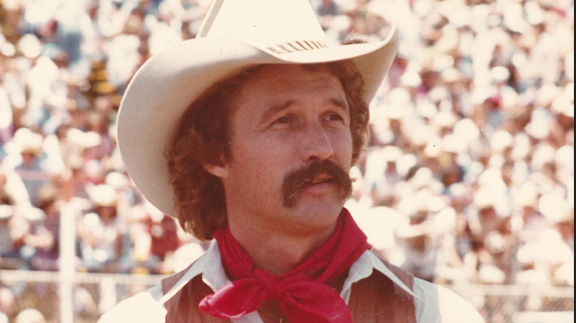
June 2016 Profile – The man behind the mic: Bob Tallman
-
 Outdoor11 years ago
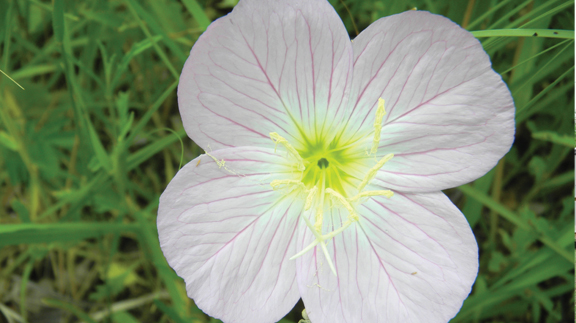
Buttercup or Primrose?
-
 Country Lifestyles10 years ago
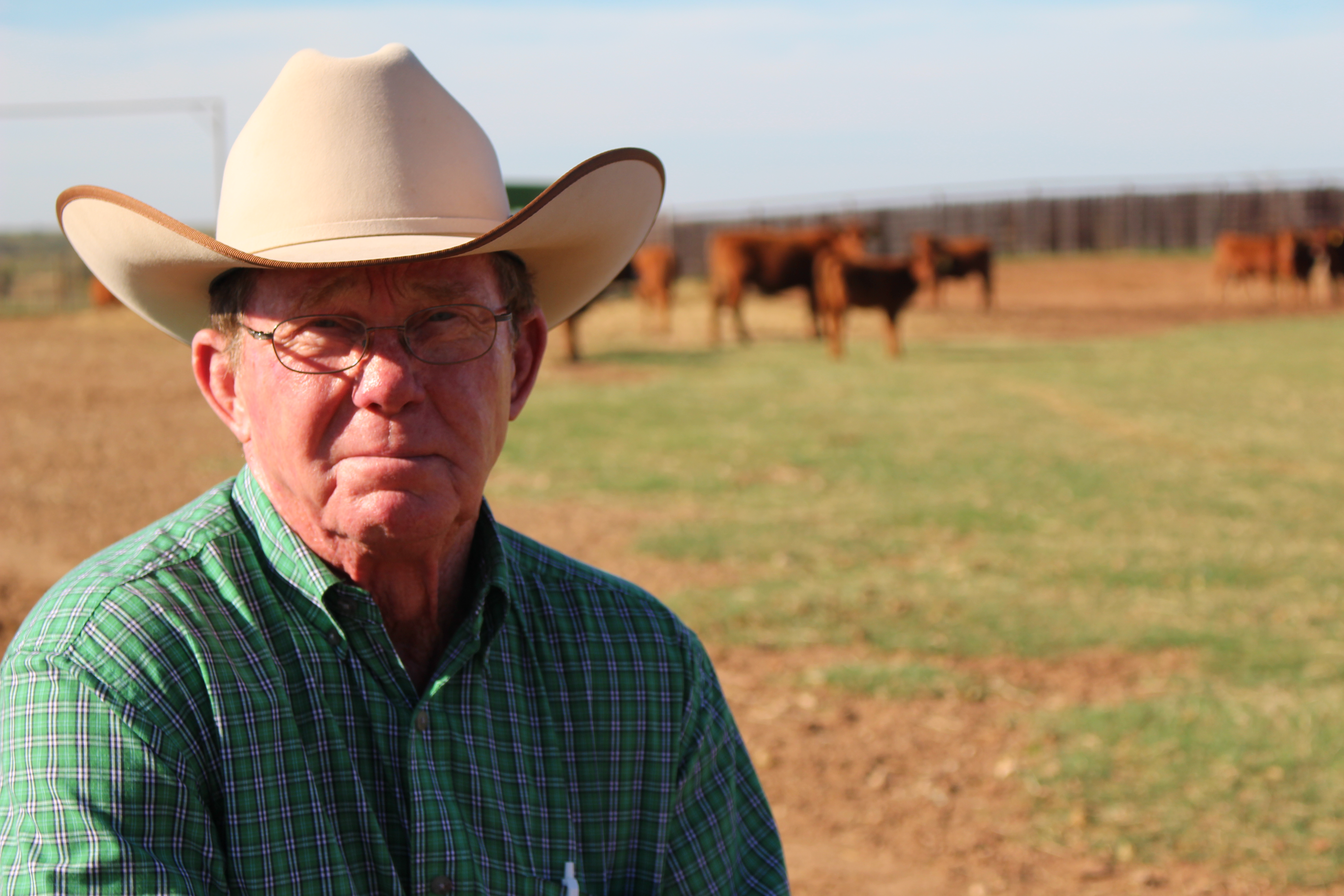
December 2016 Profile, Rusty Riddle – The Riddle Way
-
 HOME10 years ago
Grazing North Texas – Wilman Lovegrass
-
 The Natural Horseman9 years ago
This is why we do what we do — RayeAnn and Cisco