
Outdoor
Grazing North Texas – Silver bluestem

By Tony Dean
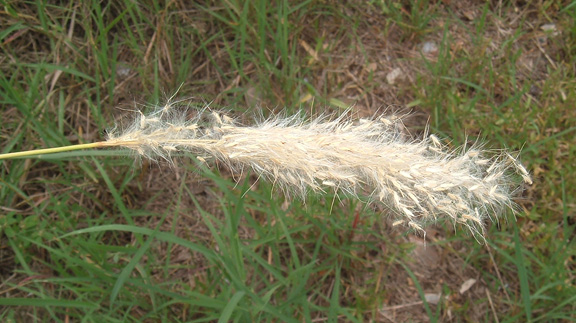
Silver bluestem is one of several native bluestems
that are important grasses on North Texas
grazing lands. It is a perennial bunchgrass growing
one and one-half to three feet tall. Leaves are
flat, up to one-fourth inch wide and extending two
to eight inches in length. The upper surface of the
leaves is rough to the touch.
To read more pick up the October 2015 issue of NTFR.
By Ann Asher
Walk through a pasture, garden or wooded trail on a September morning, and the spiders seem to have taken over overnight. Large webs stretch between fence wires, across tall weeds and from one side of a path to the other. Covered with dew and caught in early sunlight, they show how many spiders have been working through the night.
Spiders are around all year, but many become more noticeable in late summer and early fall as they mature and build larger webs. The insects they eat are also plentiful, giving spiders plenty to feed on before cold weather arrives.
If you’ve ever walked face-first into a web, it can be hard to think of spiders as welcome neighbors. Most, however, are harmless to people and valuable in gardens, pastures and barns.
Spiders are predators that feed on insects and other small arthropods. Their prey can include flies, moths, beetles, grasshoppers, leafhoppers, aphids and caterpillars. Oklahoma State University Extension notes that their role in controlling insects far outweighs the limited risk from the few species capable of medically significant bites.
Builders and hunters
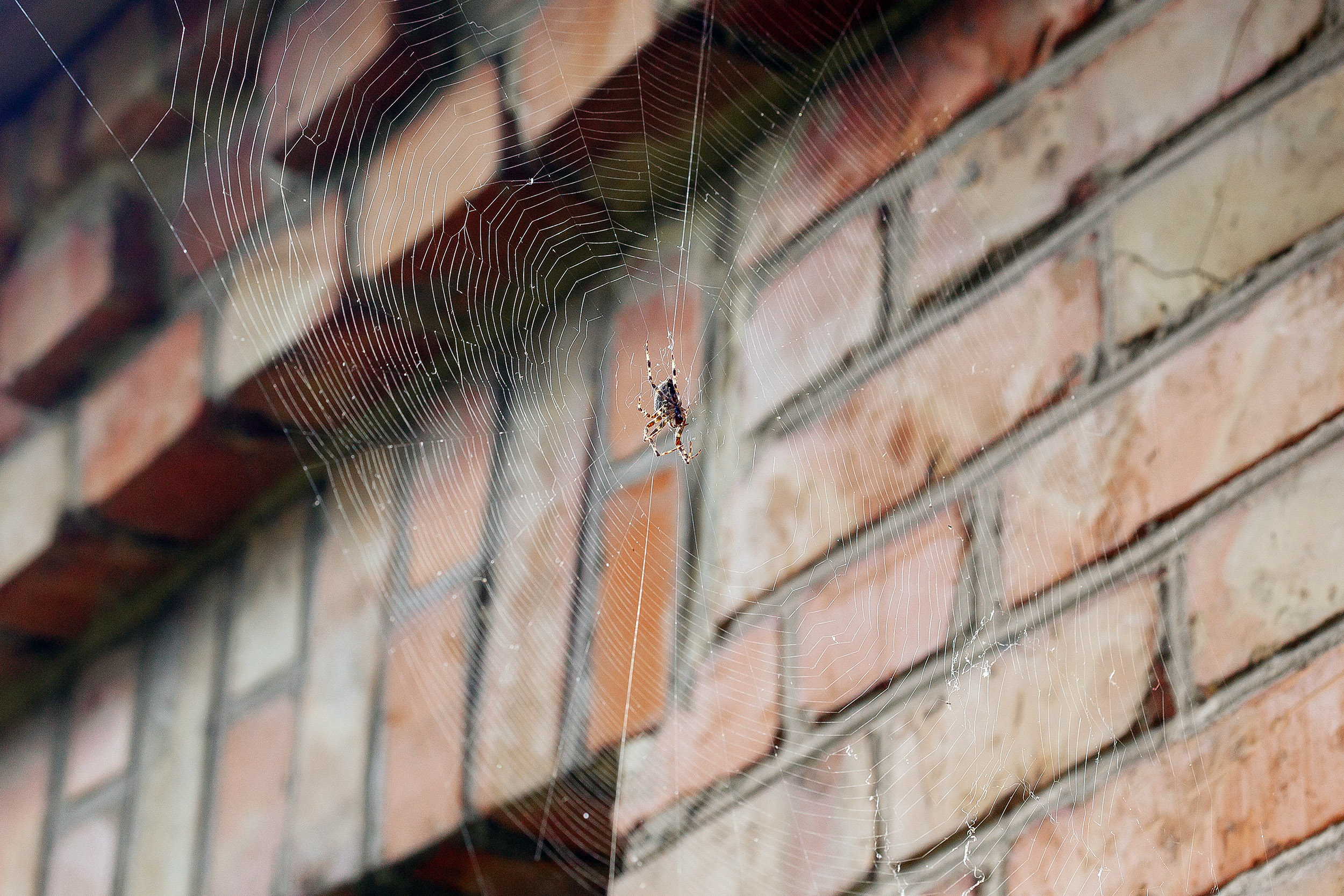
The webs most people notice in September usually belong to orb-weaving spiders. Their flat, circular webs have the familiar spokes and spirals of a storybook spider web. Orb-weavers set these traps where flying or jumping insects are likely to pass, including between plants, along fence lines and across openings in wooded areas.
One of the best-known orb-weavers in North Texas is the black-and-yellow garden spider. A mature female can be big enough to cause alarm, with long legs and bold yellow, black or orange markings. Her web may have a thick zigzag of silk down the center. Despite her size and looks, the garden spider is generally harmless to people.
These spiders can catch surprisingly large prey. Texas A&M AgriLife reports that large garden spiders often catch and eat grasshopper-sized insects. Their webs may be a nuisance across a walkway or gate, but the spiders provide natural insect control around gardens and fields.
Not every spider needs a web to catch a meal. Wolf spiders hunt on the ground, moving through grass, leaf litter and bare soil in search of prey. You’ll often see them after dark or around outdoor lights, where insects gather.
Their size and speed sometimes get them mistaken for more dangerous species, but wolf spiders aren’t considered a significant hazard to people.
Female wolf spiders care for their young in an unusual way. They carry a round egg sac attached beneath the abdomen. After the eggs hatch, the tiny spiderlings climb onto their mother’s back and ride there until they are ready to hunt on their own.
Jumping spiders are smaller, compact hunters that use excellent vision and quick movements to stalk insects. Look for them on fences, tree trunks, porch railings or plant leaves. Rather than building a web, they creep close and leap when the moment is right.
Crab spiders also hunt without webs. Often found on flowers, they use camouflage to wait for visiting insects. Some are white, yellow or green, letting them blend into petals and leaves. Web builders and active hunters alike help keep insects in check.
The two to watch for
Most spiders you meet outdoors aren’t dangerous, but North Texas is home to black widows and brown recluse spiders. Both generally prefer protected, undisturbed places rather than open webs across a garden path.
Black widows often build irregular webs in sheltered spots, including woodpiles, storage areas, outdoor furniture, meter boxes and unused containers. Brown recluses prefer dark, quiet places such as boxes, sheds, lumber stacks and the spaces beneath stored items. They don’t usually build the large, circular webs you see in open vegetation.
Neither species goes looking for people. Bites often happen when a spider gets trapped against the skin or disturbed while someone moves stored materials. Wear gloves when handling firewood, boards, boxes or debris, and shake out shoes and clothing that have been stored in a shed or garage before you put them on.
Correct identification matters. People often mistake wolf spiders, grass spiders and other harmless species for brown recluses. A dark marking on a spider’s back isn’t enough for a reliable ID. If you think a medically important spider is around, contact your county Extension office or a qualified pest professional.
Let them work
Outdoors, spiders rarely need controlling. Sweeping a web away from a doorway or busy path is usually enough. The spider may rebuild nearby or move somewhere quieter. Broad insecticide treatments can kill spiders along with many beneficial insects and are often unnecessary in gardens or open landscapes. Oklahoma State University recommends leaving most garden spiders alone because they help suppress pests.
Spiders are also part of the food chain. Birds, reptiles, small mammals and other arthropods eat them, and their presence reflects the steady trade between predators and prey in even a small patch of grass.
The web across your trail may be an inconvenience, but it also means an effective hunter is at work. By morning, that web may hold the remains of moths, flies or grasshoppers that might otherwise have moved into your garden, barn or pasture.
Late summer belongs to the spiders. Their webs catch the dew, mark the paths of insects and reveal a part of the outdoors most of us overlook. Most aren’t waiting to harm anyone. They are doing the work they’ve done all season, one strand at a time.
By Ann Asher
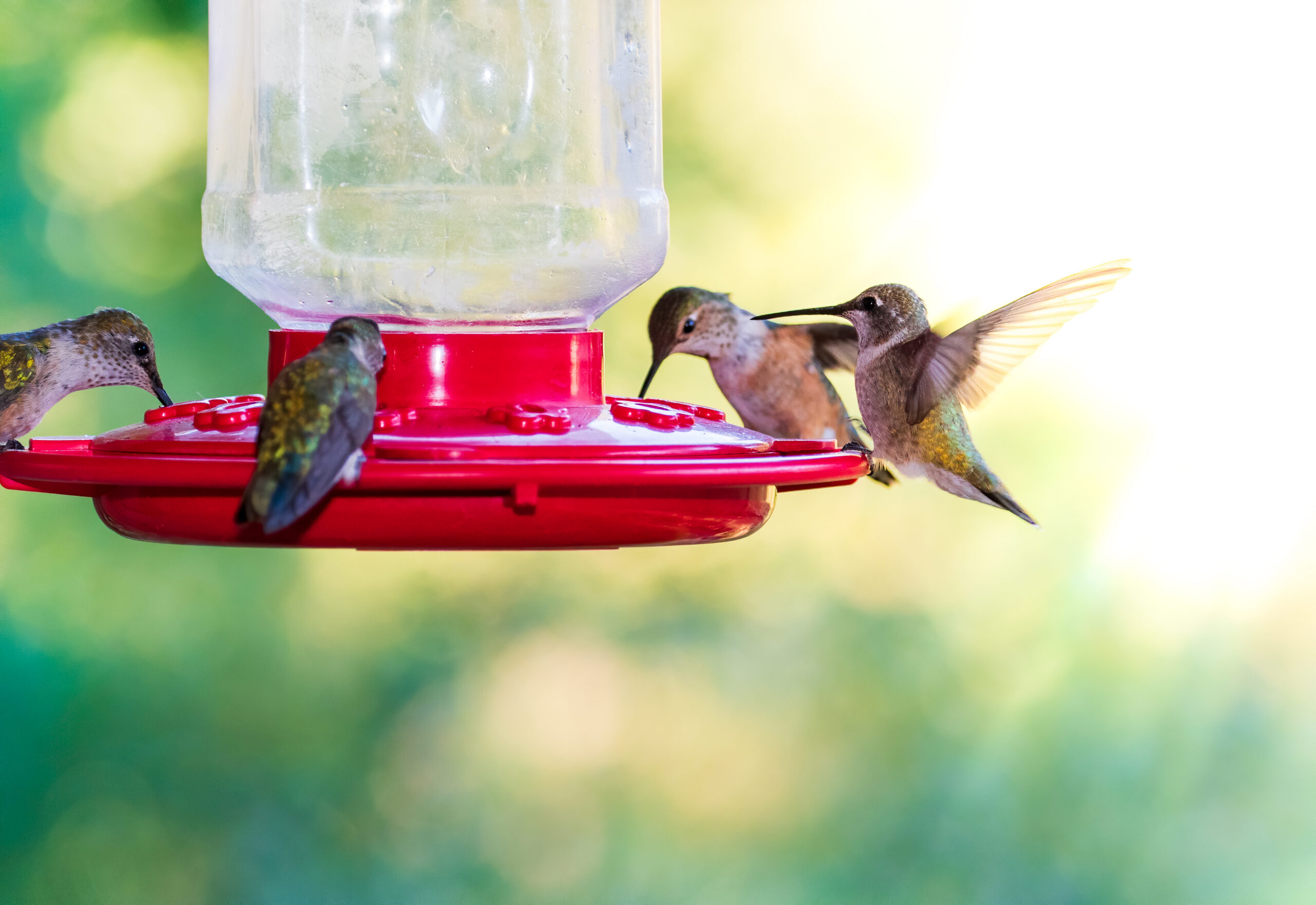
Hummingbirds may be tiny, but they rarely go unnoticed as they dart between flowers, hover at a feeder or chase another hummingbird away from whatever they have decided belongs to them.
By September, the hummingbirds visiting North Texas backyards are starting an impressive seasonal change. Fall migration is underway, and for many ruby-throated hummingbirds, Texas is an important stop on the long trip south.
Ruby-throated hummingbirds are the most familiar hummingbird across eastern Texas. By early fall, they are leaving their breeding grounds across the eastern United States and southern Canada and heading for wintering areas in Mexico and Central America. Texas Parks and Wildlife Department notes that large numbers pass through Texas during fall migration, concentrating along the Gulf Coast before continuing south.
For North Texans, that can mean more activity around feeders in September, not less. Some birds may have spent the summer nearby, while others showing up in the yard may have already traveled hundreds of miles.
Migration follows a natural order, too. Adult males generally leave first, followed later by females and young birds. So if you’ve watched a brilliant red-throated male all summer, you may suddenly notice he’s gone while other hummingbirds keep visiting the feeder. Cornell Lab researchers note that males can disappear weeks before females during fall migration.
The size of the traveler makes the trip remarkable. Ruby-throated hummingbirds generally weigh only a few grams. Before migrating, they feed heavily and can greatly increase their body weight as they build the fat reserves the trip requires. Some eventually make a nonstop flight across the Gulf of Mexico, while others follow the coastline around it.
That makes a North Texas flower bed or backyard feeder more than a convenient place to grab a meal. During migration, it can be one of many refueling stops along the way.
Keep the feeders up
One of the most persistent hummingbird myths says you should take feeders down in the fall so the birds will know it’s time to migrate.
There’s no need. Leaving a feeder up won’t convince a healthy hummingbird to skip migration. Seasonal changes, including shorter days, help trigger migratory behavior. A feeder gives a bird another food source while it prepares to leave or keeps moving south. Audubon recommends leaving feeders up as long as hummingbirds keep using them, because late migrants may still pass through after the summer residents have gone.
The bigger concern during a North Texas September is keeping the feeder fresh.
Warm weather can spoil sugar water fast. Audubon recommends cleaning feeders every day or two in hot weather and about every three days in milder conditions. Clean any feeder that shows mold or other contamination right away.
You don’t need to buy red nectar, either. A basic mix of one part plain white sugar to four parts water works well. Avoid honey, artificial sweeteners and food coloring. The red parts of the feeder are enough to attract birds.
Natural food matters just as much. Hummingbirds don’t live on nectar alone. They also eat small insects and spiders for protein.
Flowering plants offer nectar and a chance to find those tiny insects. Native plants and flowers with tubular blooms are particularly useful, and hummingbirds are commonly drawn to red, orange and pink flowers.
If you want to help fall migrants, September probably isn’t the time to deadhead every bloom and clean out every wild corner of the yard. Late-blooming flowers can provide valuable food while hummingbirds are feeding heavily.
Then, sometimes seemingly overnight, the feeder goes quiet. The bird that guarded it all summer disappears. The buzzing and chattering stop, and another North Texas summer feels a little closer to over.
There’s still no reason to rush to take the feeder down. Keep it clean, keep it filled and give the stragglers a little more time. The next hummingbird at your kitchen window may have started its trip hundreds of miles north of Texas and still have a long way to go.
By Ann Asher
The first time I saved seeds, it felt a little like cheating.
After spending all spring and summer buying plants, watering them, pulling weeds and hoping they survived Oklahoma’s heat, it occurred to me that nature had figured this out long before seed catalogs showed up in my mailbox.
Every tomato, pepper, bean and flower in my garden was trying to make next year’s garden on its own.
Somewhere along the way, I had forgotten that.
Like many gardeners, I had always bought fresh seed packets every spring. Nothing is wrong with that. Seed companies offer incredible varieties bred for everything from disease resistance to better production. But once I began learning about saving seeds, I found something satisfying about planting seeds from vegetables I grew myself.
I also learned that not every seed is created equal.
One of the first lessons was the difference between heirloom and hybrid varieties. People often use the terms interchangeably, but they mean different things.
Heirloom plants are open-pollinated varieties passed from generation to generation, often for 50 years or more. Because they reproduce “true to type,” the seeds you save from a healthy heirloom tomato should produce plants very similar to the parent the following year, as long as they haven’t cross-pollinated with another variety.
Plant breeders create hybrid plants by crossing two carefully selected parent plants to combine desirable traits, such as better disease resistance, higher yields or improved vigor. Those qualities make hybrids wonderful garden plants, but their seeds don’t reliably grow into the same plant the following season. You might get something similar, or you might get a surprise.
Neither type is better than the other. Each serves a different purpose.
As a beginner, I found seed saving much easier than I expected.
Beans do most of the work for you. Leave a few pods on the vine until they dry completely, shell them, and the seeds are ready to store. Peppers are almost as simple. Once the fruit is fully ripe, remove the seeds, spread them out to dry for several days and store them in a cool, dry place.
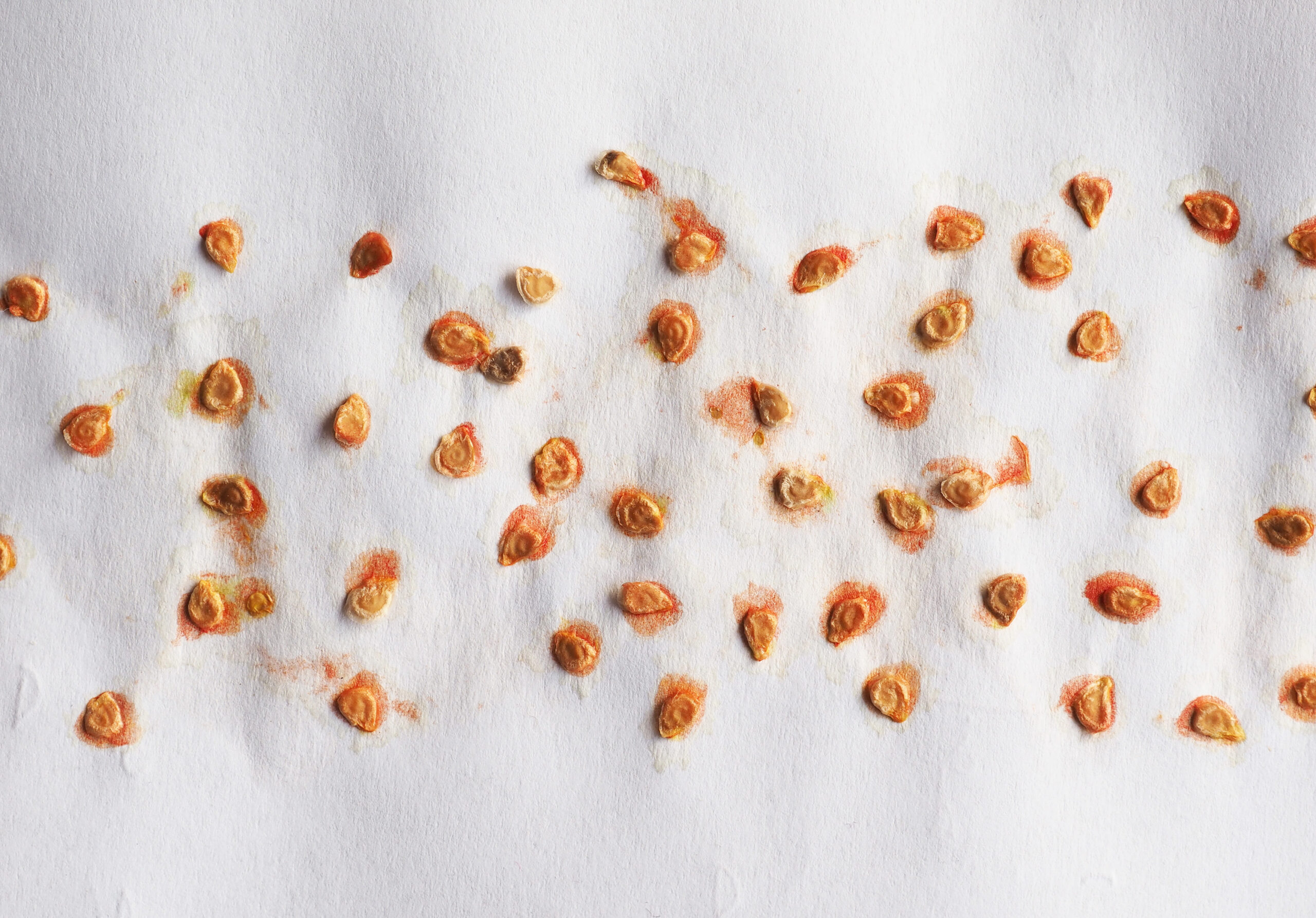
Tomatoes sounded intimidating until I tried them. A gelatinous coating surrounds the seeds and keeps them from sprouting inside the fruit. To remove that coating, you usually let the seeds ferment in a little water for a couple of days, then rinse and dry them. It sounds more complicated than it is, and once you’ve done it, you’ll wonder why you waited so long.
Flowers have become one of my favorite places to experiment. Watching seed heads dry on coneflowers, zinnias, marigolds and sunflowers reminds me that every bloom is already preparing for another season. Instead of cutting everything down the moment it finishes flowering, I’ve started paying attention to what comes afterward.
I’ve also learned that patience matters.
Seeds need to be fully mature before you collect them and completely dry before you store them. Otherwise, moisture invites mold and can ruin months of work. A paper envelope labeled with the variety and the year often works better than an airtight plastic bag, especially until the seeds have finished drying.
The biggest surprise has been how seed saving changed the way I look at gardening.
I used to see the end of the growing season as the finish line. Now I see it as the start of the next one. Every healthy plant is a potential source for next year’s garden, and even the vegetables I once hurried to pull out have one last job to do.
Will I still order seeds every winter? Absolutely.
There are too many interesting varieties to stop exploring, and I’ll probably always have room in the garden for something new. But I’ll also be opening a small box of envelopes from this year’s harvest, each one a reminder that a garden can last longer than a single season.
Sometimes, if we let it, the garden grows itself right into the next year. I have to admit, that’s pretty rewarding.




-

 Country Lifestyles4 years ago
Scott & Stacey Schumacher: A Growth Mindset
-
 Country Lifestyles10 years ago
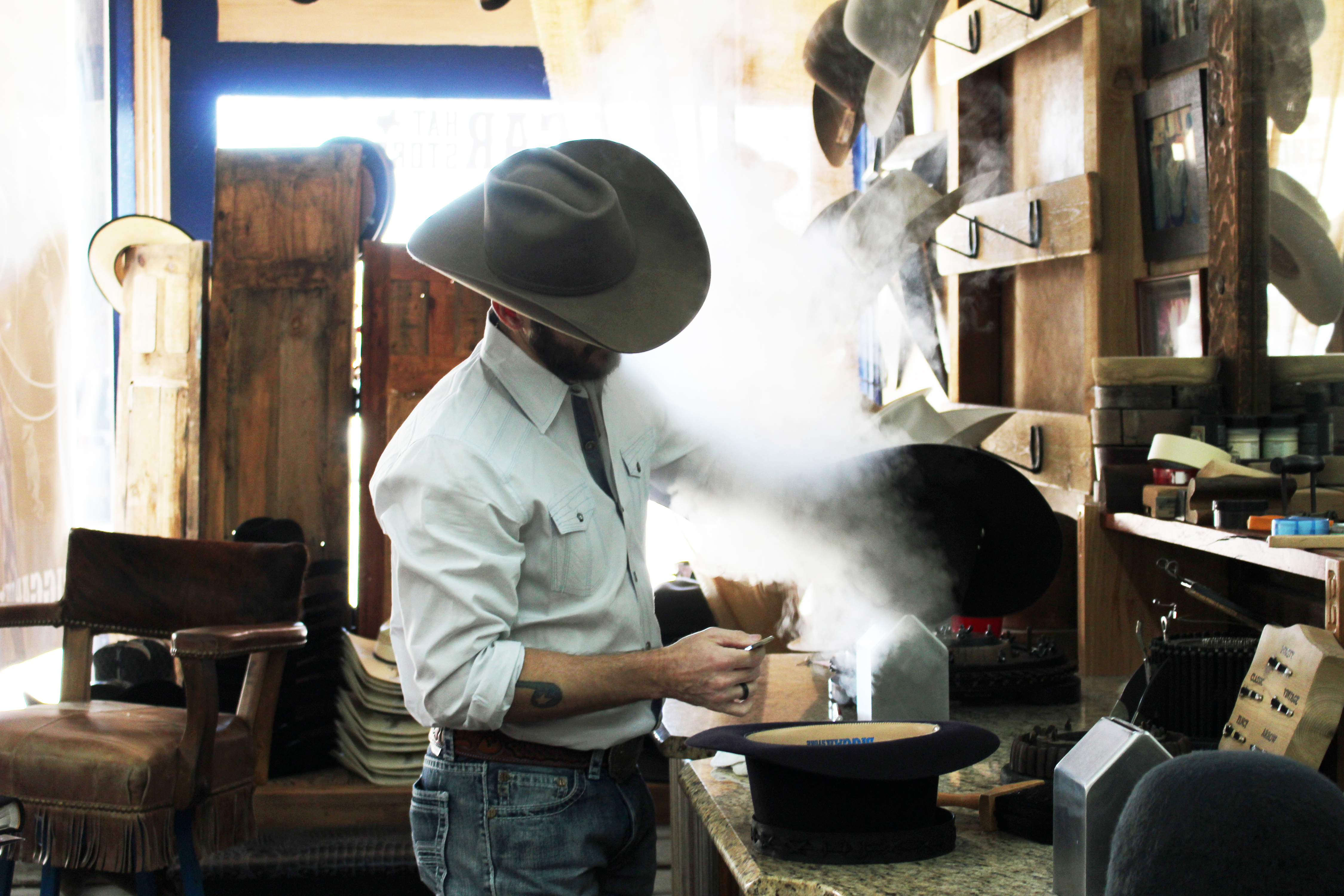
Style Your Profile – What your style cowboy hat says about you and new trends in 2017
-
 Horsefeathers12 years ago
Mount Scott: Country Humor with David Gregory
-
 Country Lifestyles10 years ago
June 2016 Profile – The man behind the mic: Bob Tallman
-
 Outdoor11 years ago
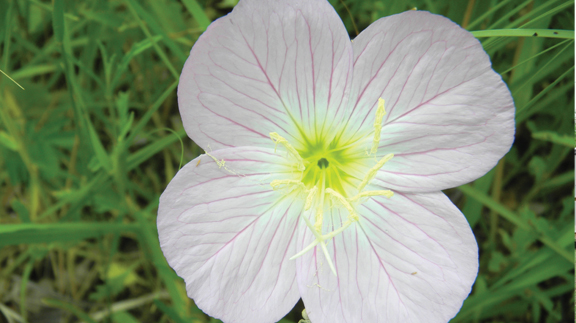
Buttercup or Primrose?
-
 Country Lifestyles10 years ago
December 2016 Profile, Rusty Riddle – The Riddle Way
-
 HOME10 years ago
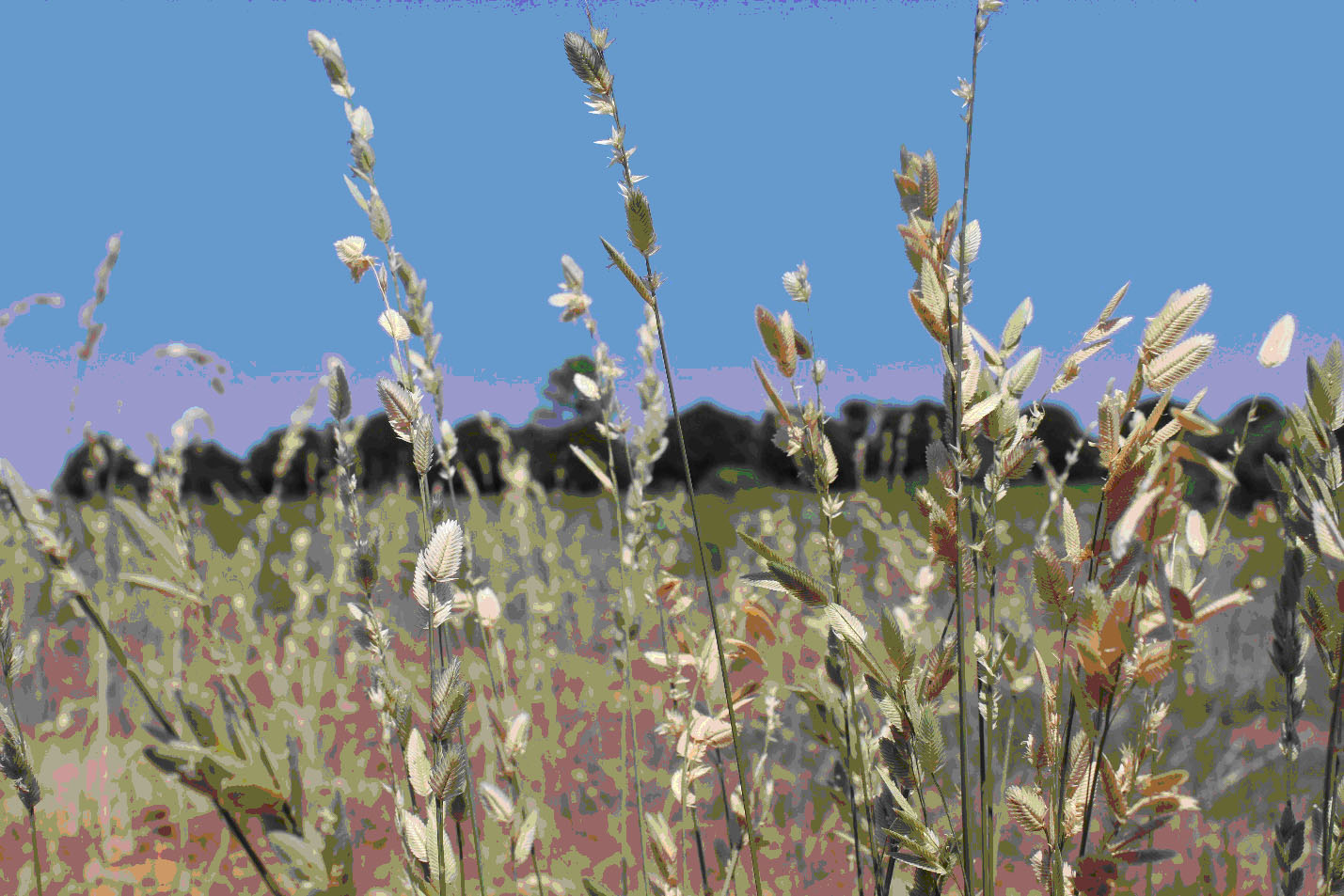
Grazing North Texas – Wilman Lovegrass
-
 The Natural Horseman9 years ago
This is why we do what we do — RayeAnn and Cisco