
HOME
Texas crop, weather for June 16, 2015

By: Robert Burns
Pre-harvest wheat sprouting not as severe as anticipated
Writer: Robert Burns, 903-834-6191, rd-burns@tamu.edu
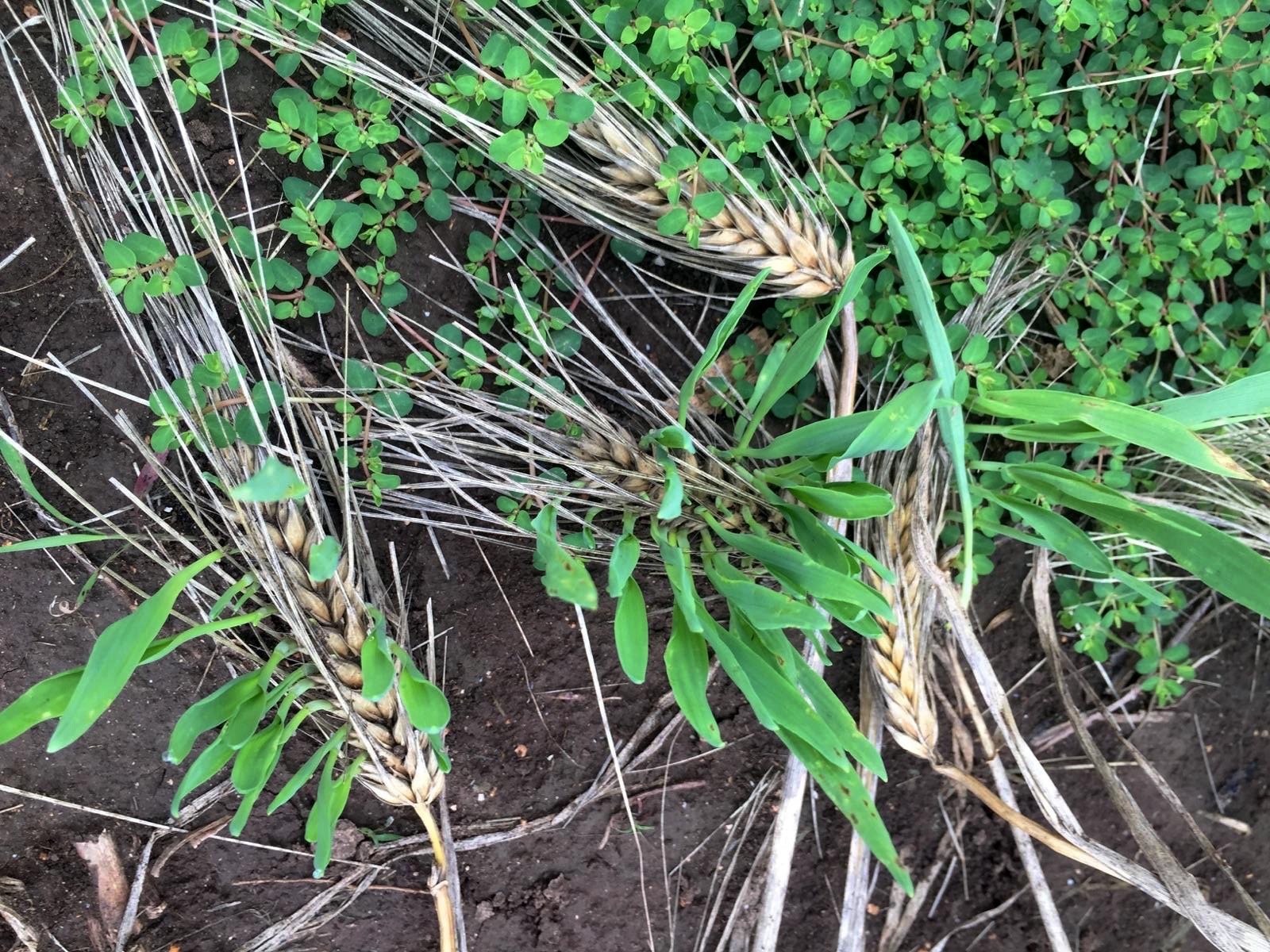
COLLEGE STATION – In late May, it appeared many wheat growers were poised to suffer big discounts because of pre-harvest sprouting of winter wheat, said a Texas A&M AgriLife Extension Service agronomist.
“In the Blacklands and East Texas, from the reports I’ve heard, the sprouting is fairly widespread but not quite as severe as we first anticipated,” said Dr. Clark Neely, AgriLife Extension small grains and oilseed specialist in College Station.
“I’ve heard a lot of reports of producers getting 1 or 2 percent sprouting, which generally doesn’t elicit too much dockage at the elevator,” Neely said. “I also heard of some reports of producers getting loads rejected that had 10 to 20 percent sprouting. Elevators can either reject or impose severe dockage when the sprouting gets that high.”
Download or preview a two-minute MP3 audio version of this report
“I think the sprouting was not as severe due to the fact that once it got wet, it stayed wet,” Neely said. “Sprouting becomes worse each time it goes through a wet and then dry period, but in many cases this year once the fields got wet, they never dried out until recently, and then they were harvested soon after.”
That isn’t to say Central and East Texas wheat growers haven’t had other problems, such wheat being laid down in the fields from high winds and heavy rains, along with hail and increased fungus diseases, Neely said.
Rolling Plains wheat is just now reaching physiological maturity with harvesting beginning some places, and sprouting does not appear to be a major problem there, he said.
“I think we dodged the bullet for the most part in that part of the state,” Neely said. “Wheat has to reach physiological maturity before sprouting becomes an issue.”
As of June 12, “High Plains wheat was still in soft or hard dough stage, and sprouting hasn’t been a concern there thus far,” he said. “However, forecasts indicate another 5-plus inches of rain for parts of the Panhandle. And if that pattern continues over the course of the next couple of weeks we could run into many of the same issues the Blacklands growers were facing earlier this season.”
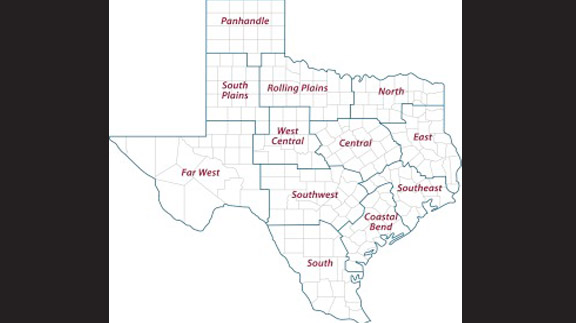
AgriLife Extension district reporters compiled the following summaries:
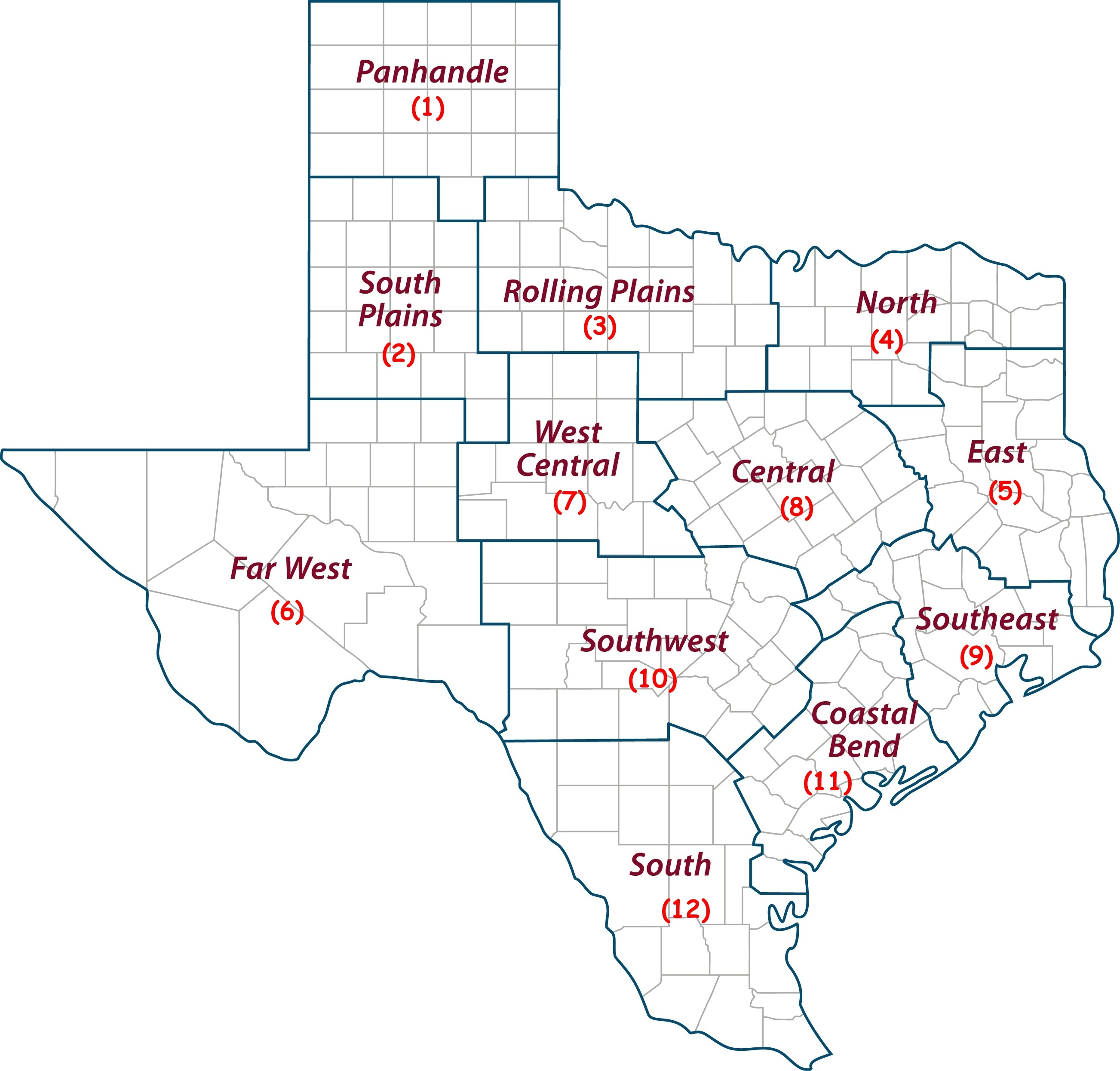
Central: Soil moisture, rangeland and pastures, and livestock were all in good condition. Crops were generally in fair condition. Producers were harvesting hay; everyone expected good yields, averaging four to six big round bales per acre. Oats and wheat were in poor condition, and harvesting was proceeding slowly. Grain sorghum and corn were in poor condition because of the long-lasting, overly wet conditions. Pecan orchards we re looking very good. Stock-water tanks were full, and creeks were flowing.
Coastal Bend: Hot, dry conditions persisted until the weekend, allowing farmers and ranchers to get some much-needed fieldwork done. Many hay fields were top dressed with fertilizer. Insect pressure was increasing on sorghum, including sugarcane aphids. With less standing water in fields, crops were improving. Southern corn rust of corn was found, but most corn was mature enough that yield losses were not expected. Soybeans were flowering and setting pods. A lot of hay was harvested during the last couple of weeks. The demand for replacement heifers was extremely strong. Livestock and pastures remained in good shape.
East: The region had many sunny days. Producers took advantage of the drier weather to bale hay where they could get into the fields. Hay quality suffered due to over-maturity of the forage, but quantities were good. Producers also were able to do some spraying and fertilization as pastures dried out. Most counties changed their ratings of subsoil and topsoil moisture from surplus to adequate. Cherokee County had grasshopper infestations. Floodwaters along the Trinity River receded somewhat, but some Anderson County fields of grain sorghum and corn were a total loss due to long-term standing water. Some Henderson County vegetable producers had total losses due to flood damage. Truck farmers continued to battle the lingering results of the overly wet spring and early summer, which included higher populations of insects as well as fungi. Trees were also showing results of too much moisture. The blueberry and blackberry harvests began. Cattle were generally in good to excellent condition, though some producers were reporting foot rot in their herds. Producers continued to sell market-ready and cull cows. Mosquito and fly numbers further increased. Feral hogs continued to damage fields and crops.
Far West: Hot and windy weather prevailed throughout. Ward and Presidio counties had a few thunderstorms. Cotton, corn, sunflowers and grain sorghum plantings were completed, and the wheat harvest was in full swing across the region. Pasture and rangeland were in good condition. Subsoil and topsoil moisture were adequate.
North: Topsoil moisture was mostly adequate with a few counties reporting short. The previous week was mostly dry with temperatures reaching the mid-90s. Some areas received a trace to 0.25 inch of rain. The hot, humid days made for excellent forage growing conditions. The harvesting of wheat began, with early reports of average yields of about 50 bushels per acre. However, test weights were low. Some fields still had soggy areas, making harvest a little difficult. What little corn was planted looked alright, though stands were very uneven, which was probably due to areas that earlier had standing water. The same held true for grain sorghum and soybeans. Hay producers were taking an early season hay crop; the hay was overly mature as it should have been harvested about three weeks ago. Hay yields were below average with low quality. Pastures looked very good because of all the spring rains. There were reports of pneumonia in c attle. There were many disease and fungal issues in crops, as well as large numbers of spider mites.
Panhandle: The week started off dry and windy, but more rain came during the weekend. Temperatures were nearly normal for mid-June. Soil moisture continued to be mostly adequate. Collingsworth County producers tried to catch up on planting until the area received as much as 5 inches of rain. Acres not planted in cotton will likely be switched over to grain sorghum. Stock-water tanks were replenished, and pastures were greening up nicely. Deaf Smith County producers were also trying to catch up on the planting of all crops, including corn, sunflowers, grain sorghum and hay crops. Wheat was suffering from diseases and problems associated with hail and earlier freeze problems. Corn planting was nearly finished. Some Hansford County dryland wheat was not in that great of shape; other fields were looking good. The wheat harvest was expected to start soon. Areas around the city of Gruver and north of Spearman in Hansford County re ceived 2-inch diameter hail, which may have damaged wheat and cornfields. Corn planting was almost complete, and some sorghum planting began. Cattle were making great gains on grassland. Weeds were starting to become a problem. Hemphill County received about 2.5 inches of rain; many parts of the county have received 20 inches and more for the year. Cows and calves were making extremely good gains as grass was plentiful. Heavy rains in Lipscomb County over the weekend washed out planted corn that had not yet germinated. Because of rain, Randall County producers were only able to plant about 40 percent of intended cotton acreage and only 60 percent of the corn. Most producers will plant grain sorghum in place of the lost cotton and sorghum acreages. Sorghum acreage in Randall County was expected to go up some 40 percent.
Rolling Plains: Wheat yields were good on the fields not destroyed by earlier severe weather conditions. Cotton producers were able to plant a lot of cotton, raising hopes for average to better yields. Soil moisture was good. June 12 rains stopped harvesting and saturated soils again. Livestock were in generally excellent condition. Rangeland and pastures were in good condition. Lakes and stock-water tanks were full.
South: The weather was dry and warm with no rain except for some light, scattered showers. Rangeland and pastures were fair to excellent throughout the region, with fair to good being the most common ratings. In the northern part of the region, peanut planting was completed and there was some hay harvested. Wheat harvesting was completed in some areas. Potato harvesting continued, and peanut planting was in full swing. Early planted cotton was flowering, while late-planted cotton was squaring. Grain sorghum was heading, and corn was in the soft-dough stage. Soil moisture was adequate through the northern counties. In the eastern part of the region, warmer weather with scattered showers allowed row crops to progress rapidly. Well-drained grain sorghum fields headed out, but wetter fields were not progressing on schedule. Corn was maturing in fields that began to dry out. Cotton was well behind schedule but was expected to catch up soon. There were some reports of thrips on cotton. Soil moisture conditions were adequate to surplus in the eastern counties. In the western part of the region, no rain was received, but planting was still delayed in some counties as a result of wet field conditions. Irrigation producers began applying water to corn, cotton, sorghum and pecans. Soil moisture was adequate in Dimmit County, but 100 percent short in Zavala County. In the southern part of the region, sunflower harvesting began, and corn, cotton and sorghum were in good condition. Hay harvesting continued in Starr County. Soil moisture was adequate in the southern counties.
South Plains: A few dry days enabled most producers to get cotton planted before the crop insurance deadline. More rains came Friday, Saturday and Sunday to many counties. The wheat harvest started, but the rains kept producers out of fields for the weekend. Hale County had heavy rains and lots of weeds. Cochran crops were in excellent condition, but subsoils and topsoils were starting to dry out. Pastures and rangeland remained in good condition. Lubbock County received 2 to 3 inches from the weekend rains. Some hail hit the southern half of the county, but the extent of the damage was yet to be determined. In Garza County, the cotton-planting deadline was June 10, which the majority of producers met on most of their cotton acreage. Mitchell County producers got a lot of acres planted before the weekend rains, which should help emergence in some fields; in other fields, the rains put the crop under water.
Southeast: Soil moisture varied widely, but was mostly adequate to surplus. Rangeland and pasture ratings were mostly good to excellent, with good ratings being the most common. In Montgomery County, drier weather allowed for some hay harvesting and herbicide applications. A few showers came late in the week but amounted to less than 1 inch. Brazoria County producers were preparing for the coming tropical storm. Fort Bend County row-crop producers were finally able to get into fields. Livestock were in good condition with plenty of grass to eat.
Southwest: Rangeland, crops and forages were responding well to last month’s rains. Some counties received an additional 2 to 4 inches this week, and the runoff improved the levels of stock-water tanks. Some counties needed more rain to improve soil moisture. Horn fly populations continued to increase. Producers finished their first hay cutting. The remaining wheat was harvested, though a significant amount was lost due to flood damage. Livestock were in good condition but will need to be monitored for internal parasites and flies in the coming weeks because of the earlier wet conditions.
West Central: Days were hot and humid, with scattered showers in a few areas that continued to hinder crop harvesting. Soil moisture was good, and stock-water tanks and pond levels were high. Where conditions permitted, producers were busy cutting and baling hay, and getting above-average yields. Cotton planting was in full swing. Early planted cotton was off to a good start. Grain sorghum looked great. The wheat harvest was underway where producers were able to get into the fields. Wheat yields were fair to good. Rangeland and pastures were in great shape and continued to improve. Weed control was still an issue. Flies and mosquitoes were abundant in many areas. All classes of livestock were in good to excellent condition.
-30-

By Landon Moore
The holidays are coming up, and for many people this is a favorite time to do canning. Whether it is putting up the last harvest from the garden or making a unique gift for family and friends, canning is often on the mind. However, there is some confusion when it comes to certain kinds of canned goods. Many people use the terms “jam” and “jelly” interchangeably, and when you add in “butters,” “preserves,” and “conserves,” it can become a recipe for confusion. To clear things up, let’s take a look at what these different forms of canned goods are and what sets them apart.
This article focuses on jellied fruit products. Other canned goods such as pickles, chutneys, and fruit in syrup will not be discussed. The goal is to explain the forms of canned goods that are essentially the same thing with only minor variations. The word “form” is used intentionally, since many of these are the same basic product with a few small changes, extra ingredients, or longer cooking times. Before we dive into each variety, it helps to understand the process that allows these spreads to form in the first place.
As fruit cooks, its cells break down and release pectin, a material that gives the fruit structure. When enough sugar and acid are present, the pectin will resolidify as it cools, creating the gel-like consistency that makes a spreadable product. This is how canning was originally done. It is time-consuming and easy to burn, since it must be cooked to just the right consistency. The long, slow cooking gives the finished product a distinct caramel-like flavor. If it is taken off the heat too soon, it will not set. If it stays on too long, the result can be hard candy or burned sugar. Some fruits also lack enough pectin to gel properly, but powdered pectin is now available and makes canning much easier. Still, certain products such as fruit butters must be cooked the traditional way and are best attempted once you have a little experience.
The simplest form of canned goods is jam. At its most basic, jam can be made with nothing more than crushed fruit and sugar. Many berry jams contain only these two ingredients. This kind is often called “old-fashioned jam.” To make sure enough pectin is present, it helps to use about one-quarter slightly under-ripe fruit. Even then, old-fashioned jam tends to be a bit softer than those made with added pectin. The long cooking time allows the water to slowly evaporate. Too much water, and the jam will not set. Too little, and you will have made hard candy. The jam thickens gradually as the water cooks off. Recipes may give a general idea of cooking time, but it depends on your stove. Some cooks use a candy thermometer, while others rely on watching the consistency.
For fruits that do not have enough natural pectin, or for those who do not have the time or patience for the trial and error of cooking old-fashioned jam, powdered pectin is the solution. It greatly shortens the cooking time and makes it easier to get consistent results. To make a traditional jam, the crushed fruit and pectin are combined in a pot before turning on the stove. Once it reaches a boil, sugar is added all at once and the mixture is brought back to a boil for a short time, usually about a minute. After that, it can be taken off the heat and poured into jars. Liquid pectin is another option, but it usually requires much more sugar and can make the finished product overly sweet.
Preserves are only slightly different from jam. They contain larger pieces of fruit suspended in jelly. While jam is made from completely crushed fruit, preserves are made from roughly chopped pieces. Pectin helps shorten the cooking time and keeps the chunks of fruit from breaking down too much.
Conserves are another variation, though not as common. They are essentially jam that includes dried fruit and nuts. Conserves are often spiced and served at breakfast. They usually feature one main fruit as the base, with added dried fruit, nuts, and sometimes citrus for extra flavor.
Marmalade is a more familiar term. It consists of fruit pieces and small slices of citrus peel suspended in a jelly. The long cooking time softens the peel, but leaves a slight bitterness that contrasts with the sweetness of the jelly, creating a complex flavor. Orange marmalade is the best known, but the original was actually made with quince. Marmalades can also be made with apples, onions, chiles, or tomatoes. While they might sound intimidating, they are easier to make than many people expect.
Jelly is made from strained fruit juice and sugar. It is clear, firm, and smooth. Though beautiful and delicious, jelly can be time-consuming and somewhat wasteful, since it takes a lot of fruit to make a small batch. The fruit is usually simmered in a small amount of water, then poured through a cheesecloth-lined sieve to drain for several hours. Only a few fruits have enough natural pectin to set without added pectin, but traditional jellies made this way have a rich and distinctive flavor.
For those who like a challenge, fruit butters are worth trying. They are not difficult, but they require attention and patience. When made correctly, fruit butter is silky smooth with a deep caramelized flavor. When made incorrectly, it can turn into a pot of scorched sugar and wasted fruit. To make fruit butter, puree the fruit, usually with spices, and cook it slowly for an hour or more. This reduces the water content while caramelizing the mixture. It is finished when a spoonful holds its shape and spreads smoothly on a chilled plate.
Finally, there are fruit honeys and syrups. Fruit honey is made by cooking crushed fruit and juice until it reaches the thickness of real honey. Pear honey is the most common example. Syrups are similar but thinner, made to remain pourable. Some recipes include corn syrup to increase thickness without making the result too sweet.
Even within this small area of canning, there are many directions a person can go. From soft jams to smooth butters and glossy jellies, the possibilities are endless. Canning combines creativity with science, and the results are as varied as your imagination.

By: Landon Moore
Landon Moore is the Wise County 4-H President and a member of the Wise County 4-H County Council. He is involved in beekeeping, as well as raising rabbits and poultry.
This essay was one that he wrote, and it was named the champion for both the Texas and National chapters of the Foundation For The Preservation of Honey Bees.
Varietal honey is honey that comes from a single source.
This honey has a flavor derived from the source flower and can even have a similar scent. In general, lighter colored honeys have a more subtle taste and dark honeys are more intense. Varietal honey has been compared to wine, in that honeys produced in different years can be distinguished, even if they come from the same flower and location.
This phenomenon is called terroir and is responsible for the individual taste of each honey harvest.
To read more, check out the digital edition of the 2024 October issue North Texas Farm & Ranch magazine. To subscribe by mail, call 940-872-5922.
By: Norman Winter | Horticulturist, Author, Speaker
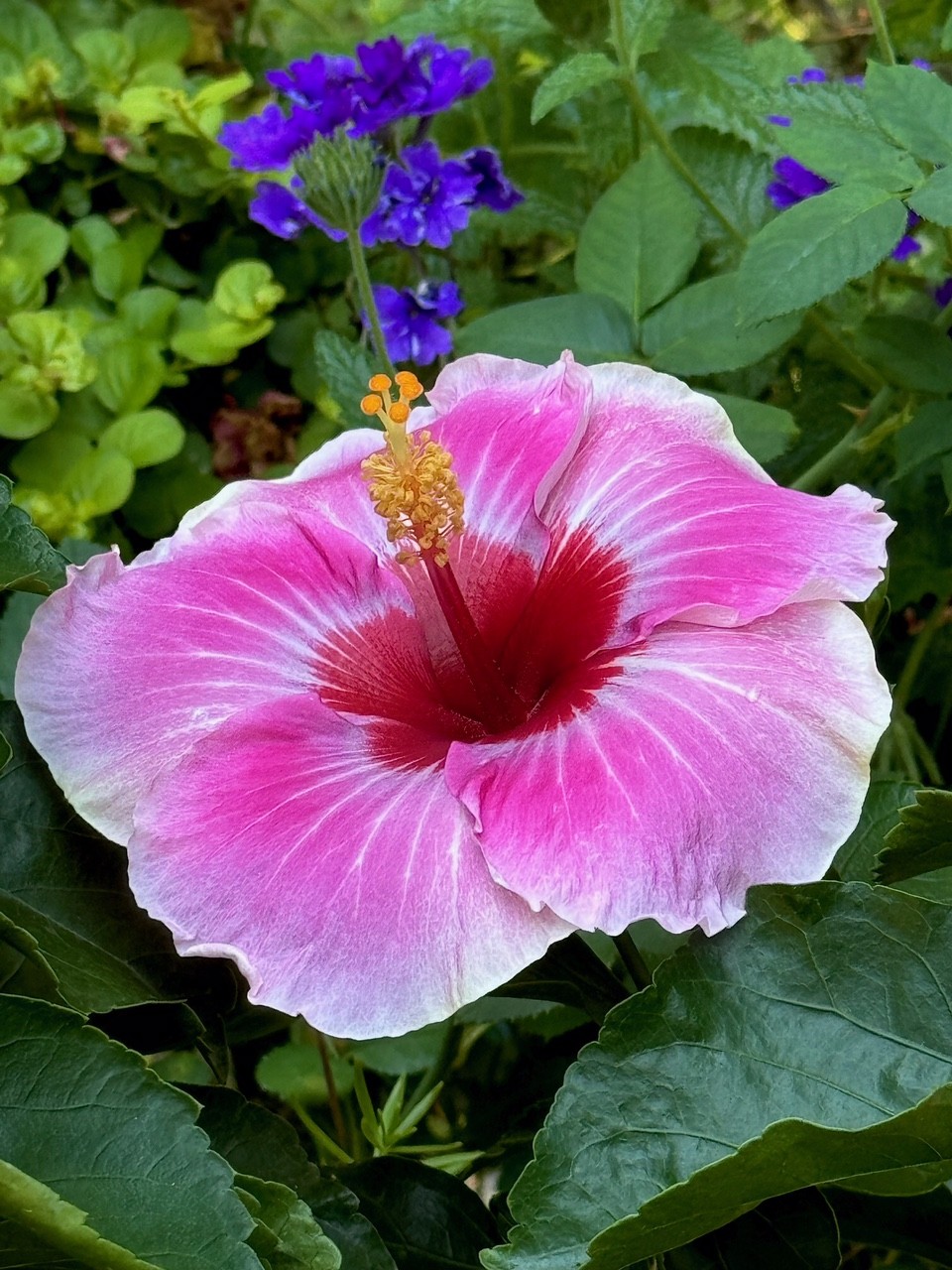
Early in the summer, I was sent a press release that caused one of those holy wow moments. The headline said it all, “Proven Winners ColorChoice Expands Catalog with the Addition of Hollywood Hibiscus.”
I had already become familiar with the Hollywood Hibiscus series and was thrilled that the Proven Winners was adding this to their lineup.
This flower is nothing short of beautiful and exhibits prolific flower production. The flowers show three distinct colors, deep red in the very center, then the majority which is a rich rose pink with lighter pink to white along the margins.
To read more, read the 2024 October digital edition of North Texas Farm & Ranch magazine. To subscribe by mail, call 940-872-5922.




-

 Country Lifestyles4 years ago
Scott & Stacey Schumacher: A Growth Mindset
-
 Country Lifestyles10 years ago
Style Your Profile – What your style cowboy hat says about you and new trends in 2017
-
 Horsefeathers12 years ago
Mount Scott: Country Humor with David Gregory
-
 Country Lifestyles10 years ago
June 2016 Profile – The man behind the mic: Bob Tallman
-
 Outdoor11 years ago
Buttercup or Primrose?
-
 Country Lifestyles10 years ago
December 2016 Profile, Rusty Riddle – The Riddle Way
-
 HOME10 years ago
Grazing North Texas – Wilman Lovegrass
-
 The Natural Horseman9 years ago
This is why we do what we do — RayeAnn and Cisco