
Farm & Ranch
[AgriLife Today] Beef cattle producers should seek every pound of gain possible


By: Blair Fannin
Writer: Blair Fannin, 979-845-2259, b-fannin@tamu.edu
Contact: Mac Young, 361-265-9203, amyoung@ag.tamu.edu

Mac Young, Texas A&M AgriLife Extension Service economist, Corpus Christi, told cattle producers at the recent Texas and Southwestern Cattle Raisers Association convention they should produce as many pounds of beef possible to improve their bottom line whether it’s a high-price or low-price market environment. (Texas A&M AgriLife Extension Service photo by Blair Fannin)
FORT WORTH – In a high or low cattle market environment, capturing the most pounds per calf affects a producer’s bottom line, said a Texas A&M AgriLife Extension Service economist.
Mac Young, AgriLife Extension economist in Corpus Christi, told attendees at the recent Texas and Southwestern Cattle Raisers Association convention in Fort Worth that beef producers have obviously enjoyed the record -high prices they’ve received the past couple of years.
However, purchasing replacement females has been an expensive proposition, he said.
“Prices for 2016 are obviously higher than 2012. That’s great if you are selling, but not so great if you are buying replacement heifers or cows,” he said. “We’ve seen those record-high prices come down a bit since late last year and you need to do everything you can to put as many pounds on your calves as possible.”
Young said Texas beef cow inventory was at 4.3 million head at the beginning of 2016 with approximately 134,000 farms averaging 32 cows per farm. Beef cattle inventory continues to rebound after the devastating drought of 2011-2013.
Young emphasized even though beef numbers in Texas herds are gradually increasing, an all-calf management program can help produce extra dollars in an operation. A 2014 AgriLife Extension study led by the Farm Assistance program revealed that an all-calf management program could dramatically increase income, he said.
“With all-calf management, you are attempting to produce as many pounds as possible,” he said. “What is important whether you have low or high prices, you need to maximize the number of calves you get out of your herd and improve the quality to increase the prices you receive. Even when you have high prices or whether you have a low-price scenario, it does affect your bottom line.”
The Farm Assistance study focused on a 2,000-acre ranch consisting of 1,800 acres of native pasture and 200 acres of established Coastal Bermuda grass used for grazing only. Under normal stocking rates, the cowherd included 200 cows or a stocking rate of one animal unit to 10 acres and eight bulls, or one bull to 25 cows.
The study took in consideration production inputs, yields, costs and overhead charges based on typical rates for the region. In 2014, hunting income for the ranch was $10 an acre. Assets, debts, machinery inventory and scheduled equipment replacements for the projection period were the same in all management scenarios.
A group of yearlings at the 2016 Texas and Southwestern Cattle Raisers Convention. (Texas A&M AgriLife Extension Service photo by Blair Fannin)
A group of calves at the 2016 Texas and Southwestern Cattle Raisers Convention. (Texas A&M AgriLife Extension Service photo by Blair Fannin)
With no selected calf management practices, average net cash farm income was $76,970 a year or $385 a cow per year and $428 a calf per year. An all calf-management program of clostridial vaccinations, castration/implants and deworming led to net cash farm income of $89,360, representing $477 a cow per year and $496 a calf per year.
“This reflects a 16.1 percent increase or $12,390 increase versus no calf management practices,” Young said. “All of these practices help produce more dollars when selling calves. The worst thing you can do is have a cow out there that isn’t having a calf. That’s cutting into your profits.
“The points I’m trying to make is you are going to have good market prices and you are going to have bad market prices. That’s why as a producer you need to produce as many pounds as possible. To me, it’s a hedge. You are trying to increase your volume of calves, which in the end will help your bottom line.”
-30-
LikeTweet
Find more stories, photos, videos and audio at http://today.agrilife.org
By Savannah Magoteaux
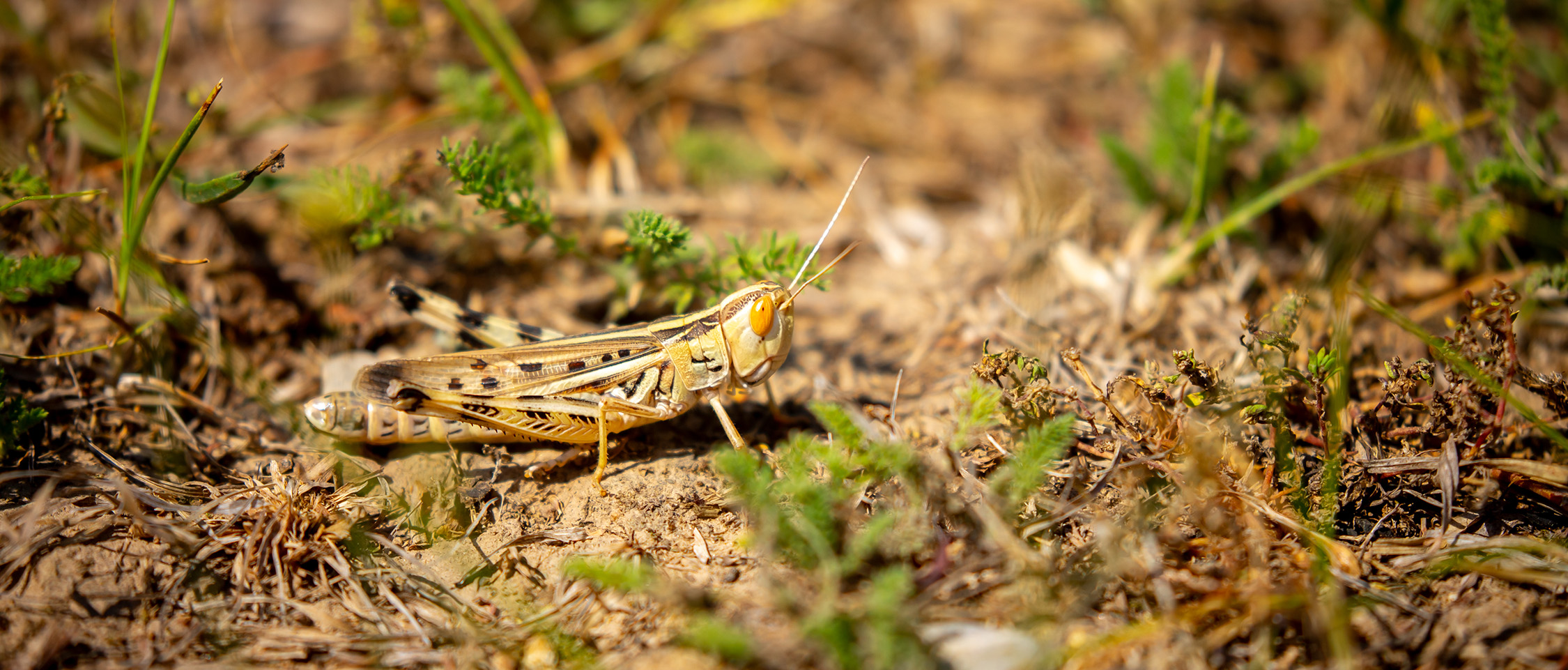
Walk across a pasture in a bad grasshopper year, and you’ll hear them before you see them. Hundreds of insects scatter with every step, springing out of the grass in all directions. A few grasshoppers are a normal part of the landscape, but a population explosion can frustrate farmers, ranchers and homeowners alike.
Grasshoppers can eat tremendous amounts of vegetation. They strip forage from pastures, damage gardens, defoliate young trees and feed on many row crops. In drought years, when forage is already short, heavy grasshopper pressure makes a hard situation worse.
You can reduce the damage. The challenge is knowing when control will work and when it is too late to make much difference.
Why are there so many this year?
Grasshopper numbers rise and fall from year to year, and weather plays a major role in whether they stay manageable or explode.
Warm, dry springs generally favor grasshopper survival. Females lay egg pods in undisturbed soil during late summer and fall. Those eggs stay in the ground through winter and hatch the following spring.
If the winter is mild and the spring stays dry, more young grasshoppers survive. Dry weather also suppresses many of the fungal diseases that normally help keep grasshopper numbers down.
By summer, millions of young insects may already be feeding across rangeland and pastures.
Timing is everything
One of the biggest mistakes landowners make is waiting until grasshoppers have fully developed wings before deciding to act.
Young grasshoppers, called nymphs, are much easier to control. They stay concentrated near where they hatched, can’t fly long distances and take much less insecticide if treatment becomes necessary.
Once they become winged adults, the picture changes. Adult grasshoppers move easily and can fly into treated areas from neighboring fields. Even if a treatment knocks down the local population, new insects may keep arriving all summer.
That is why many Extension specialists stress early monitoring instead of waiting until the damage is obvious.
How much damage can they cause?
Grasshoppers feed on hundreds of plant species. In pastures, they eat grass your livestock would otherwise graze. During severe outbreaks, they may also feed on broadleaf plants, garden vegetables, flowers and young shrubs.
In drought years, the damage shows even more because forage is already stressed. Grasshoppers often gather along field edges first, then move deeper into pastures as food runs short.
Young trees can suffer, too. Newly planted windbreaks, fruit trees and ornamental trees may lose a lot of foliage when grasshopper numbers are high.
What can you do?
No single solution eliminates grasshoppers, but several practices can reduce the damage.
Start with regular scouting. Walking fields every week in late spring and early summer lets you spot rising populations before serious feeding begins.
Good pasture management helps, too. Healthy, vigorous forage generally holds up to feeding better than drought-stressed or overgrazed pasture. Avoiding overgrazing leaves plants more leaf area to recover after insects feed.
Around gardens and homes, mowing tall weeds and unmanaged vegetation can reduce the places where grasshoppers feed and reproduce. It won’t stop an outbreak, but it can make your property less attractive to them.
Natural predators pitch in. Birds, wild turkeys, guineas, chickens, spiders, robber flies and praying mantises all eat grasshoppers. They rarely provide full control in outbreak years, but they help keep numbers lower in normal seasons.
Insecticides can work, but don’t treat them as an automatic solution. Treatment generally works best while most grasshoppers are still immature nymphs. By the time adults are flying, you may need repeated applications because new insects keep moving into treated areas.
Whether treatment pays often depends on how heavy the infestation is and how valuable the crop or pasture is. Extension recommendations commonly use population thresholds to help decide whether control is economically justified, rather than treating every field just because grasshoppers are present.
If you use insecticides, choose products labeled for the site, and follow all label directions on application rates, grazing restrictions and environmental precautions.
Once adult females start laying eggs in late summer, there is little you can do. Those eggs stay in the soil until spring, so early monitoring the next year matters even more after a big outbreak.
Grasshopper populations rarely stay at outbreak levels forever. Weather, predators, disease and natural cycles eventually bring numbers back down. In years that favor grasshoppers, though, producers who scout early and respond quickly usually fare far better than those who wait until the pasture appears to be moving.
No one can eliminate grasshoppers from the landscape, and no one should try. They are a natural part of the ecosystem and an important food source for many wildlife species. The goal is to hold damage to an acceptable level while protecting the long-term health of your pastures, crops and beneficial insects.
By the time grasshoppers are flying up with every step you take through the pasture, much of the damage is already done. The best defense starts weeks earlier, while the insects are young, populations are easier to manage and you have more options.
By Tony Dean, tonydean.tx1@gmail.com
Who qualifies as your neighbor? Webster says it is someone who lives nearby, but it isn’t always that simple. Is my neighbor the person next door, or someone in the next county? It could be both.
Our neighbors are an important part of life on the ranch and the grazing lands we share. Many of us find comfort in knowing another human being is somewhere in our neck of the woods, and that someone nearby cares what happens to us.
Being a good neighbor is part of being a productive and responsible rancher, so let’s look at some of the qualities that make a good one.
Protect your neighbor
Watch out for him.
The cattle business is dangerous. Almost everything we work with is bigger and faster than we are. A mad cow can turn an otherwise wonderful day into a disaster. Sooner or later, all of us will need some help.
The average age of today’s rancher keeps climbing. Be aware of your neighbors’ ages, limitations or disabilities, and keep an eye out for anything outside their normal routine.
More women own and operate ranches today, too. Some may suddenly find themselves responsible for parts of the operation that a spouse or family member used to handle. As neighbors, we can be a valuable backup system, helping one another learn, adjust and keep the operation moving.
And then there is wildfire. It can be on us in minutes. You may need to help move a family down the road to safety or move livestock out of harm’s way. Have a plan in mind before the emergency happens.
Be a friend
Some of us who live in the country drive to town for work or make regular trips for other reasons. Others are stay-at-home ranchers, and life can get a little lonely. A friendly smile, a phone call or an invitation to lunch can mean more than we realize.
Things aren’t always wine and roses at the ranch. Few occupations ask people to juggle such a mix of complex markets, weather, natural resource management, livestock management and countless other issues.
Spirits can get low. If we are listening, we can hear and feel the stress in someone’s life. On those days, you have a chance to be a special kind of friend.
Help your neighbor
Have you ever tried to load a trailer by yourself and needed someone to stand in the gate for a couple of minutes? All of us will need help at some point, and our neighbors should be among the people we can call.
Do your best to be there when needed, and your neighbors will likely be there when it is your turn to ask. Sometimes it will be a small job. Other times, it will be a big one. It doesn’t matter. We help our neighbors.
It’s also smart to make sure someone nearby knows your ranching program and understands the land you use. At some point, one of you may need to take care of business for the other for several days.
Be cooperative
There is no end to the situations that can involve more than one family. Fencing, road maintenance and livestock getting where they don’t belong are common ones.
If you don’t handle these things with a friendly, cooperative attitude, they can create problems between neighbors that last for years.
Good fences are something to be proud of. Nothing is gained by years of bickering. Reaching an agreement may be hard at times, but neighbors should be able to work things out. Clear your head, use common sense and come up with an answer everyone can live with.
If your cattle get mixed up with your neighbor’s, make it a priority to separate them as soon as possible. It is rude to let your cattle stay in your neighbor’s pasture eating his grass while you do nothing about it.
One good way to handle strays is for the rancher whose pasture they are in to pen his own cattle along with the strays. The other rancher can then load his cattle and take them home. Afterward, both ranchers can work together on any fence repairs.
By the way, a gate between neighbors is almost always a good policy.
Take ownership
The only way to avoid mistakes is to do nothing. But it isn’t in us as ranchers to sit around and watch the world go by. We are men and women of action, so things are going to go sideways from time to time.
When that happens, and it will, own your mistakes. Decisive action can prevent misunderstandings and make a problem go away much faster.
Be honest, and never, ever lie.
Be patient
We all have bad days. When your neighbor is a little grouchy, he or she probably has something weighing on them.
That is a chance to be a good neighbor. Be patient. Be a good listener. Help your neighbor through the turmoil if you can.
Respect property boundaries
Trespassing is wrong, illegal and rude. Never do it except in an emergency.
In the Southwest, where we live, land ownership is considered a sacred right, and it is a right available to anyone. With ownership comes an expectation of privacy and respect. When you trespass, you violate those rights.
And yes, it is trespassing when you cross a fence to fish or hunt without permission. Texas is a private-property state, which makes respecting these boundaries especially important.
That doesn’t mean you can’t have an understanding with your neighbors that lets you onto their land. Many good friends and neighbors work together on one another’s ranches, but both parties should always communicate well.
You have a cell phone. Use it any time you doubt whether you have the right to go through the gate. An invitation onto another person’s ranch is a privilege, so don’t abuse it.
Your word
Your word as a rancher, neighbor, man or woman helps define you in your community and throughout your life. Your neighbors want to trust you. They want to know that all they need from you is a handshake and that they can depend on what you say.
It is a blessing to live in North Texas, where people still respect and honor a life lived with truth and love.
A good life to live
Having good neighbors is a great way to live. It brings comfort and enjoyment to life. Sometimes it takes a little extra effort, but a friendly neighborhood, even one that covers many acres, is enjoyable and can help keep all of us safer.
It is worth the effort.
The Bible
The Bible has many references to being a good neighbor. Being a good neighbor was good judgment 2,000 years ago, and it is good judgment today. Jesus made it clear that love should guide a good neighbor.
Leviticus 19:18 tells us to love our neighbors as ourselves. That is a tall order. In Matthew 5:44, Jesus takes it further, telling us to love our enemies and pray for those who persecute us.
Our goal should always be to love one another, lift each other up, and help and protect our neighbors.
All of us face drought, floods, wildfire, tornadoes, low cattle prices, rattlesnakes and feral hogs, so let’s fight the fight together. Stand by your neighbor’s side, and he will stand by yours.
A North Texas minister was recently asked, “What do you do if you have a neighbor who is really hard to love?”
His answer was short and to the point: “Love him anyway.”
By NTFR Staff
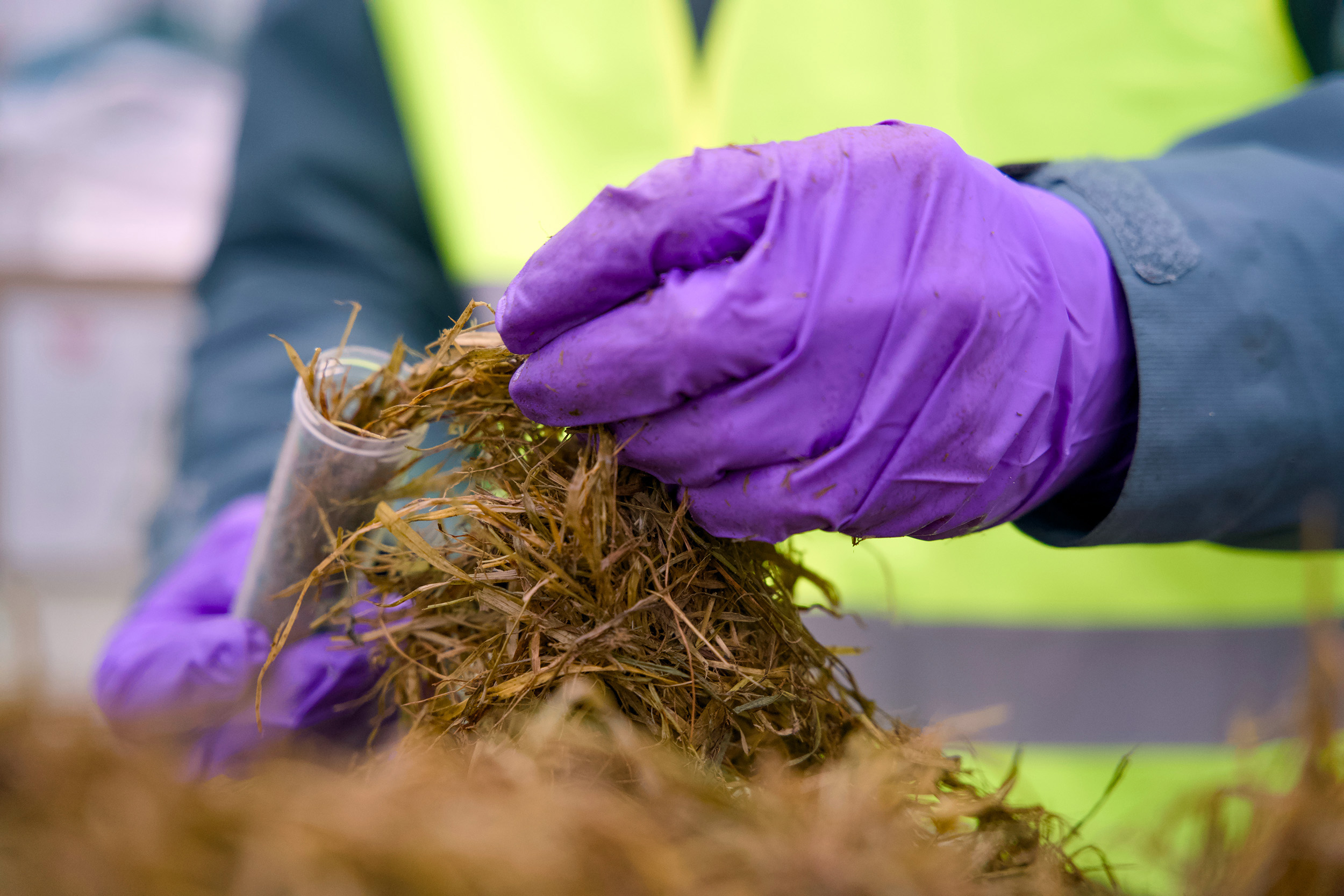
A stack of hay may look good from the outside. The bales may be heavy, green and free of obvious weeds or mold. None of that tells a cattle producer what the hay will provide once it reaches the feed bunk.
Two bales from the same field can differ noticeably in nutrition if they were cut at different stages of maturity, weathered differently or stored under different conditions. The differences grow even larger when you compare hay bought from separate farms or produced in different growing seasons.
A forage analysis takes much of the guesswork out by showing what the hay contains and where you may need to supplement.
Crude protein is often the first number producers check, but it is only one part of the report. Energy, fiber, moisture and possible toxicity concerns can matter just as much when deciding whether a lot of hay suits dry cows, lactating cows, replacement heifers or growing calves.
Reading beyond the protein number
Most forage reports show results on both an “as received” and a dry-matter basis. The as-received column includes the water in the hay. The dry-matter column takes moisture out of the calculation so you can compare feeds with different moisture levels fairly.
For ration planning, the dry-matter values are usually the most useful. If you’re comparing dry hay with silage, cubes or another feed, make the comparison on a dry-matter basis rather than on the numbers as fed.
Moisture still deserves attention. Hay baled too wet is more likely to heat, mold or deteriorate in storage. In severe cases, heating can create a fire risk. Moisture also affects how many pounds of actual nutrients you are buying. A heavy bale isn’t necessarily a nutrient-dense bale if much of its weight is water.
Crude protein, usually listed as CP, estimates the protein in the forage based on its nitrogen content. Protein keeps the rumen microbes that help cattle digest forage working. When forage protein drops too low, intake and digestion may decline because those microbes can’t function as well.
The amount of protein a cow needs changes a great deal through the year. A mature, dry cow in mid-pregnancy needs less than a cow in late pregnancy or early lactation. Young, growing cattle and first-calf heifers may also need more protein than mature dry cows. Hay that is adequate for one group may fall short for another.
Always compare a forage report with the needs of the cattle that will eat the hay. Oklahoma State University notes that cattle requirements vary with weight, age, stage of production, desired gain and milk production. A single protein target can’t describe the needs of an entire herd.
Energy is another major piece of the feeding decision. Many forage reports express energy as total digestible nutrients, or TDN, an estimate of the digestible energy in the feed. Protein supports rumen function and tissue growth, while energy fuels maintenance, pregnancy, milk production and weight gain.
Hay can test well for protein and still come up short on energy. That matters most for cows nearing calving or producing milk. Low-energy hay may leave cattle feeling full without giving them enough nutrition to hold body condition. University of Nebraska Extension stresses evaluating both protein and energy when judging the feeding value of forage.
Fiber measurements help explain why cattle eat one hay readily and less of another. Neutral detergent fiber, or NDF, represents much of the plant’s structural material, including cellulose, hemicellulose and lignin. As NDF rises, cattle generally eat less because bulky, fibrous forage stays in the digestive tract longer.
Acid detergent fiber, or ADF, includes the least digestible parts of the plant. Higher ADF generally means lower digestibility and less available energy. Put simply, high NDF can limit how much cattle eat, and high ADF can mean they get less energy from what they do eat.
Both numbers tend to climb as forage plants mature. Mature hay usually has more stem and less leaf than hay cut earlier. It may still be acceptable feed for animals with lower needs, but it is less likely to support lactating cows or growing cattle without supplementation.
Some reports also include relative feed value, or RFV. This index uses ADF and NDF to compare forage quality, particularly for alfalfa and other legumes. It can help when you compare similar types of hay, but it doesn’t account for every nutrient cattle need. Don’t let RFV replace a closer look at crude protein, energy and the animal’s stage of production.
Depending on the lab package you choose, the report may include minerals. Labs commonly report calcium and phosphorus, but a forage analysis can’t replace a well-designed mineral program. Water quality, other feeds and interactions among minerals all affect mineral needs and availability. Work with an Extension specialist, veterinarian or livestock nutritionist before making major mineral changes.
Nitrate and prussic acid
A standard forage analysis may not include nitrates, and you often have to request that test separately. Nitrate testing is especially important for drought-stressed forage, heavily fertilized fields and crops such as sorghum, sudangrass, sorghum-sudan hybrids, millet, oats and some weeds.
Nitrate can remain in cured hay and doesn’t reliably disappear in storage. Test any hay you suspect of high nitrate before feeding it. Oklahoma State University recommends a laboratory analysis because field screening tests can show that nitrate is present but can’t measure how much.
Prussic acid is a different concern. Unlike nitrate, prussic acid usually dissipates as properly cured hay sits in storage, though suspect forage still needs careful management and professional guidance. Be sure which test you need, and don’t treat the terms nitrate and prussic acid as interchangeable.
Putting the numbers to work
A hay test pays off when it leads to a feeding plan. Once you have the results, you can match the hay to the right class of cattle. Save better hay for replacement heifers, thin cows, late-gestation cows or cows with calves at side. Feed lower-quality hay to mature dry cows with modest requirements.
Testing can also prevent unnecessary supplementation. Without an analysis, you may buy protein tubs, cubes or other supplements your cattle don’t need. The opposite mistake costs just as much. Assuming hay is better than it is can lead to lost body condition, lower milk production, poor breed-back rates and lighter calves.
Visual inspection still matters. Don’t ignore mold, foreign material, weeds, dust or heat damage because a lab report shows acceptable numbers. At the same time, color and appearance can’t reliably predict nutrient content. University of Nebraska notes that forage nutrient values vary widely, which makes average book values a poor substitute for testing the feed you have on hand.
A forage analysis won’t make poor hay better, but it can show you how to use that hay well. For the cost of a test, you get information that can guide hay purchases, cut supplement waste and put each lot of hay where it will do the most good.
The protein number may get the most attention, but it doesn’t tell the whole story. Understanding moisture, TDN, NDF, ADF and potential toxicity gives you a much clearer picture of what is inside the bale.




-
 Country Lifestyles4 years ago
Scott & Stacey Schumacher: A Growth Mindset
-
 Country Lifestyles10 years ago
Style Your Profile – What your style cowboy hat says about you and new trends in 2017
-
 Horsefeathers12 years ago
Mount Scott: Country Humor with David Gregory
-
 Country Lifestyles10 years ago
June 2016 Profile – The man behind the mic: Bob Tallman
-
 Outdoor11 years ago
Buttercup or Primrose?
-
 Country Lifestyles10 years ago
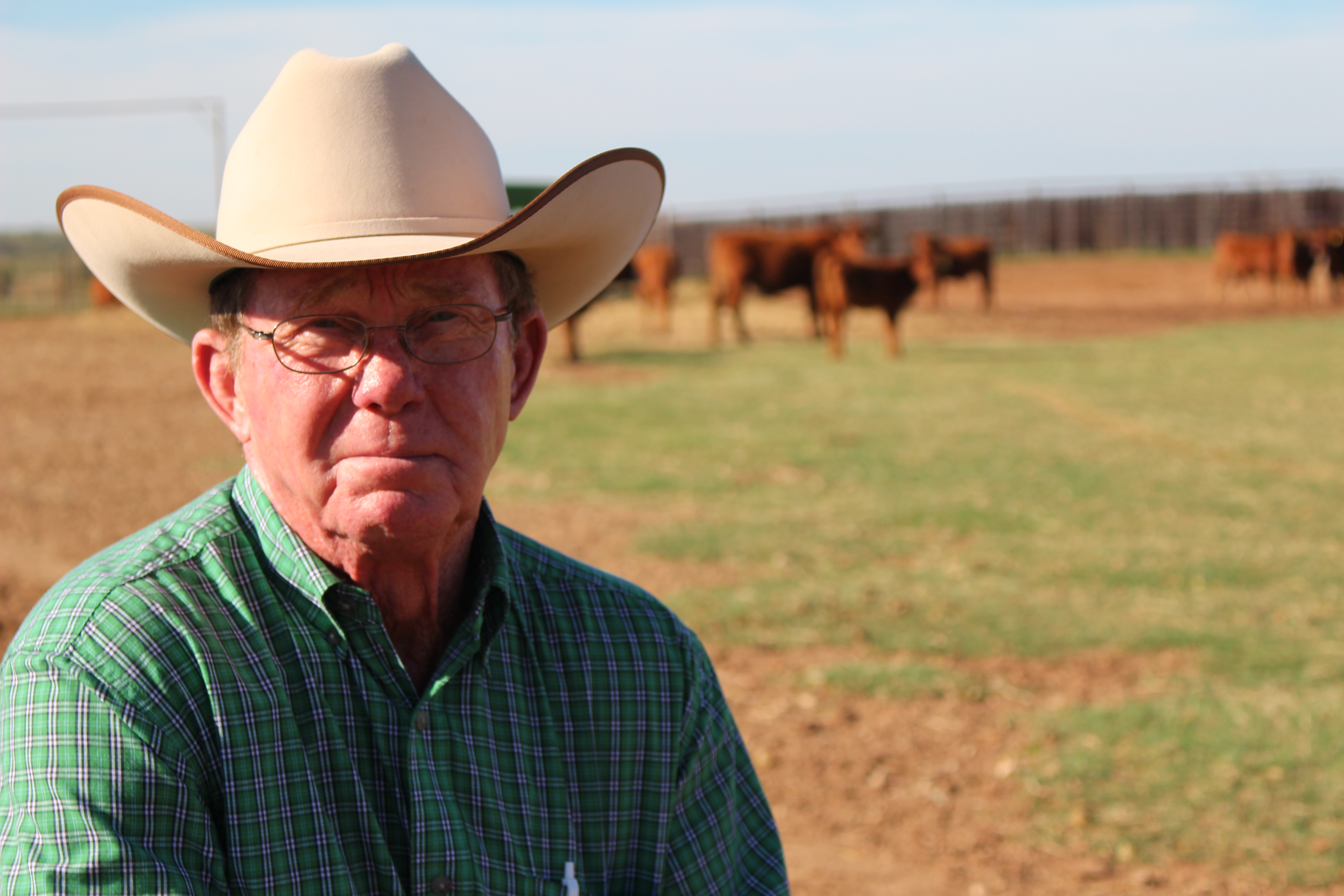
December 2016 Profile, Rusty Riddle – The Riddle Way
-
 HOME10 years ago
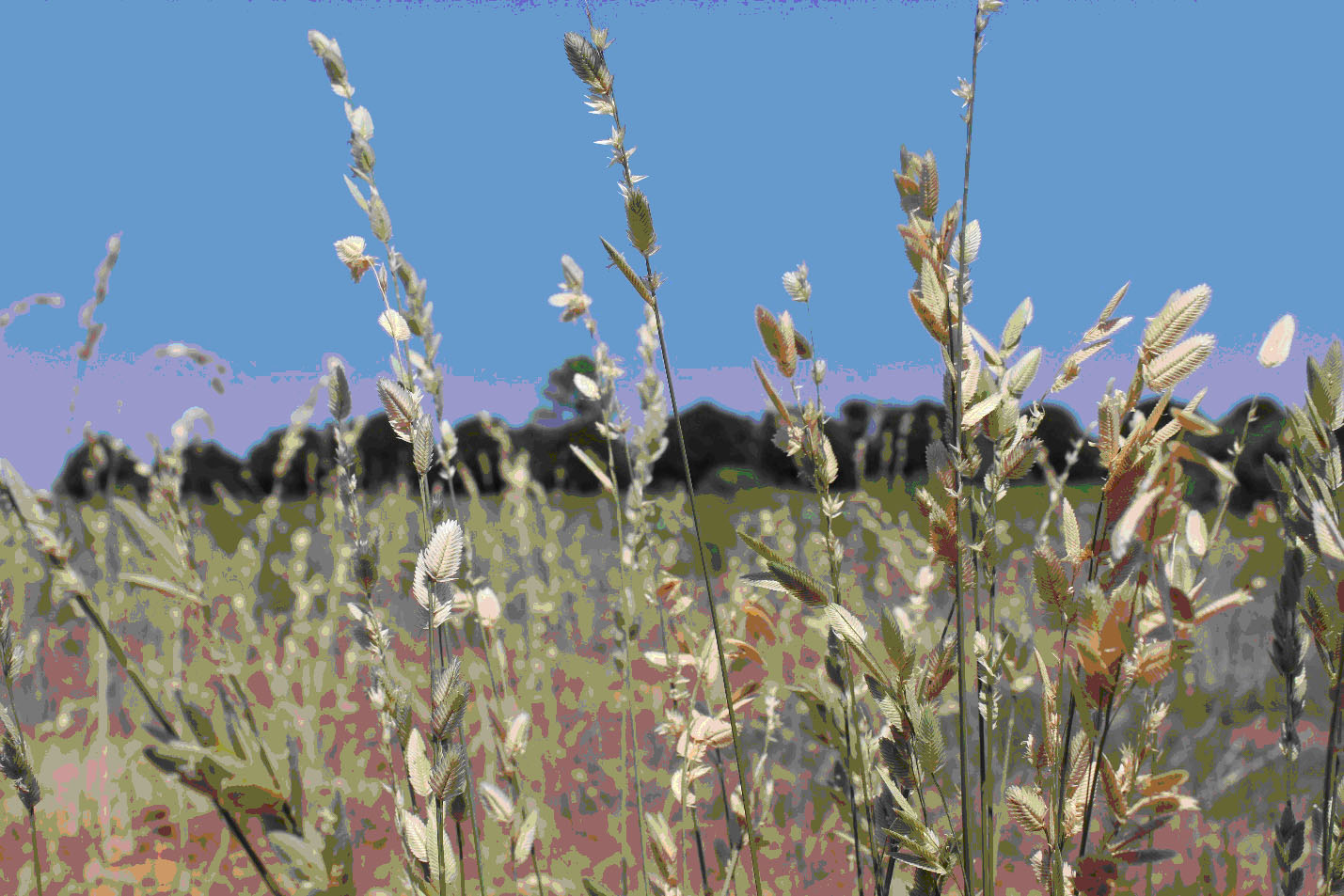
Grazing North Texas – Wilman Lovegrass
-
 The Natural Horseman9 years ago
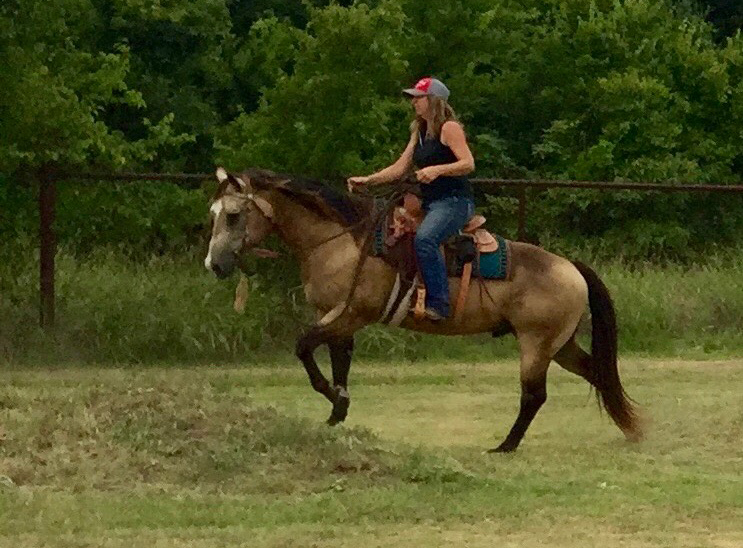
This is why we do what we do — RayeAnn and Cisco