Farm & Ranch
[AgriLife Today] ‘Internet of things’ to create big data for irrigated agriculture

By: Kay Ledbetter
Writer: Kay Ledbetter, 806-677-5608, skledbetter@ag.tamu.edu
Contact: Dr. Charles Hillyer, 806-677-5600, charles.hillyer@ag.tamu.edu
AMARILLO – Big data is big business, and everyone wants a part of the pie, however agricultural irrigators should take a careful look before accepting irrigation advice from new technology sources, according to a Texas A&M AgriLife Extension Service specialist.

A web-connected plant sensor such as this infrared thermometer could be part of an “internet of things” product. (Texas A&M AgriLife photo by Kay Ledbetter)
Dr. Charles Hillyer, AgriLife Extension irrigation specialist in Amarillo, said a recent survey on emerging irrigation technologies identified the “internet of things” or IoT as the most important issue.
What is that? Big data, Hillyer said.
“Most mentioned by the survey takers is having lots of devices being used by irrigators communicating with each other so collectively the products can do more than individually,” he said.
“There are dozens of startups offering products, but it is surprising who is doing it,” Hillyer said. “Are you ready to get irrigation advice from your cell phone company?”
He said IoT products are based on a communication chain. The chain starts in the field, usually with many inexpensive sensors. The chain goes to the cloud where the data is stored, analyzed and transformed into useful information.
The chain ends back in the field, either on the producer’s cell phone where he or she sees the field in a new way, or it ends at another IoT device that uses the new information to control valves, pumps or other smart devices, Hillyer said.
“Basically, it’s the process of taking data from one device, sending it to the cloud and then back to you as useful information rather than just data,” Hillyer said.
The final part is analytics – taking all the data and deriving new information from that data, he said.
“This is where big data comes into play. By having more data, and by receiving it more frequently, data scientists can apply sophisticated algorithms that reveal patterns and trends no individual sensor can reveal,” Hillyer said.
“It’s not just one of these steps, it’s the whole process of getting all this to work together – that’s the basis of IoT,” he said. “The idea is to make it easier to base decisions on data rather than intuition. But it will be new, something you are not accustomed to.”
Concerns pointed out by the survey takers were power supply, security and hardware compatibility, Hillyer said. Every new product should be analyzed for its ability to address these issues.
Some battery-powered devices don’t last as long as might be expected, he said. Typically, manufacturers estimate battery life based on how often the device will communicate with the cloud. But consumers often want more frequent communication, especially when the devices are first installed.
Security is also a concern, Hillyer said.
“The IoT devices are constantly streaming data to the cloud, and while the cloud may have good security, the devices may not,” he said. “Some early IoT solutions got a bad rap because the devices themselves could be hacked. So that is one of the first questions you should ask – what about security? Find out what the manufacturer does to protect the information both in the field and in the cloud.
“Then consider compatibility,” Hillyer said. “Be careful that the integrators are selecting compatible hardware so damage is not done. Some IoT vendors are vertically integrated: they provide all the hardware, connectivity, and cloud services. Other vendors are sourcing hardware from third parties.”
Hillyer said distributed sensor networks have a greater density of information. Having more information, and receiving it sooner, means producers can do things more accurately and more precisely.
Some products will offer other services such as analytics, off-farm integration and supply chain management. These data have value and some companies will want to aggregate the data and sell it to third parties.
“If you are looking at one of these services, be sure you know where your data is going.” Hillyer said.
Most IoT companies will say the producer owns the data but that doesn’t always mean the company can’t derive more value from the data, he said.
“If folks start showing up to offer you IoT products, ask questions,” Hillyer warned. “Many will be offering service, but may not be selling the hardware. When you look at the product, be sure you understand what exactly you are paying for. Sometimes you are buying hardware and sometimes you are buying a service.”
Know where the data is going to be stored – “your cloud or their cloud. Can the data be exported or are you limited by where you can look at it, thus limiting your use?”
And, he said, know who is in the connectivity chain.
“IoT vendors don’t always make each element in the connectivity chain, they are doing the integration,” Hillyer said. “Are they doing a full integration or are they reselling parts and packaging them together? A full product is going to be better integrated. “
Also find out what is offered in the way of support, he advised.
“These sensors are predicated on being small and expensive. Some are going to break. Who supports it? If one company makes everything, there is only one place to go,” Hillyer said.
“Producers need to know and understand how IoT solutions increase their accuracy,” he said. “Is the new information something you can act on or is it just informative? Can you make calculations based on the information? Are the data actual measurements or modeled information?”
Getting answers to these questions will help producers decide if an IoT product will actually help their management or just add to the avalanche of data they are already receiving, he said.
-30-


Find more stories, photos, videos and audio at http://today.agrilife.org
By NTFR Staff
Farm country has never been short on rules that begin with “My granddad always said.” Some grew out of years of careful observation. Others survived because they were memorable, even if they were never accurate. Fall is a good time to sort a few of them out.
Take the old advice to feed livestock before bad weather. It makes real sense, especially when cold, wind and moisture raise an animal’s energy needs. For cattle and horses, good-quality forage also creates heat through digestion. The useful part of the saying is that animals heading into cold stress need water, forage, shelter and enough energy available before conditions get bad. A full belly won’t protect them from a storm by itself.
Then there is the belief that animals can predict the weather. Cattle lying down don’t reliably forecast rain. Horses running the pasture aren’t a dependable sign that a front is coming. Animals do respond to changes in temperature, wind, insects and barometric pressure, and experienced stockmen often notice behavior before they notice the weather. That still falls short of a proven forecast.
Persimmon seeds are another favorite. Split the seed and, according to folklore, a spoon-shaped kernel means heavy snow, a knife means cutting cold and a fork predicts a mild winter. It’s a fun tradition, but the shape inside a persimmon seed is the developing plant embryo. It can’t model a season’s weather.
The same goes for woolly worms. People have long used the width of the brown band on woolly bear caterpillars to predict how hard the winter will be. Entomologists haven’t found evidence that the color pattern can forecast months of weather. The band can vary with the insect’s age, species and growing conditions.
Some sayings are based on real natural signals but are too broad to use literally. “When the leaves turn early, winter will be hard” confuses plant stress with forecasting. Early color can come from drought, disease, heat or local conditions. Likewise, unusually thick coats on horses or cattle may reflect genetics, day length, age and health rather than an animal preparing for a particular winter.
Bird and insect behavior inspires plenty of predictions, too. Large flocks, low-flying birds or busy squirrels may coincide with changing weather because animals respond to current conditions. That doesn’t mean wildlife can predict a whole winter months ahead. Pay attention to what animals are doing now, but don’t build a seasonal forecast from it.
The same caution applies to other signs. A red sunrise may point to moisture under some conditions, but it isn’t a guarantee. A big acorn crop doesn’t prove a hard winter is coming. Livestock lying down doesn’t mean rain is on the way. Trouble starts when observation turns into certainty.
The sayings that hold up
Other old advice has held up much better. “Don’t turn hungry cattle onto lush pasture” is still sound management. Hungry animals eat fast and are more likely to overeat unfamiliar or risky forage. Gradual transitions are still recommended when cattle move to high-quality forage, grain or pastures where bloat or plant toxicity is a concern.
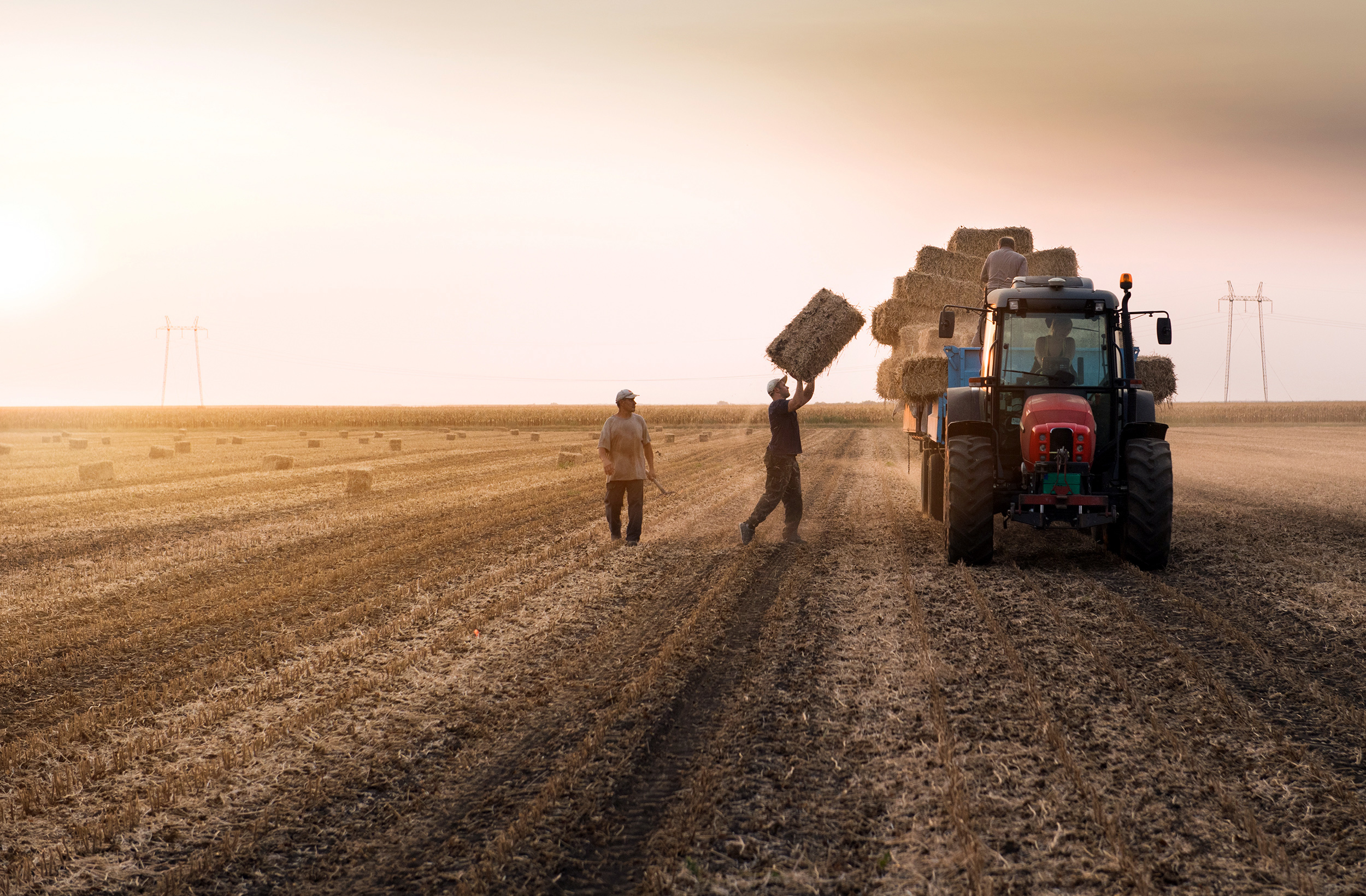
“Make hay while the sun shines” also deserves its reputation. Hay quality depends heavily on curing conditions. Rain after cutting can leach nutrients, shatter leaves and raise the chance of mold when hay is baled too wet. Modern equipment makes hay faster, but you still need a good weather window.
One of the most useful pieces of old farm wisdom is simply to watch what is normal. A cow that hangs back, a horse that leaves feed, a water trough that empties faster than usual or a patch of pasture cattle suddenly avoid can all be early clues. Producers who work with the same animals and ground every day build a baseline no phone app can replace.
Another old rule worth keeping: fix small problems before weather makes them big. A loose gate hinge in September becomes a gate on the ground during a north wind. A slow water leak becomes an ice problem. A thin cow that looks acceptable in warm weather may lose condition fast once her maintenance requirements rise. That is the advantage of doing work while conditions are still forgiving.
The strongest farm sayings tend to be the least magical. “Never let the water tank go dry.” “Buy the best hay you can afford, then waste as little as possible.” “A good fence is cheaper than a bad neighbor.” They survive because they point toward management, not prophecy.
Some old advice also survives because it was built for a world with less margin for error. If the well failed, no delivery truck was coming with water. If hay spoiled, you couldn’t always replace winter feed with a phone call. Preparing early was risk management, and that part still translates. Technology gives producers better forecasts, better diagnostics and faster communication, but none of it fixes a broken water line during an ice storm.
There is value in keeping the folklore anyway. Weather signs and sayings are part of rural culture, and they often start conversations about how people watched the seasons before radar apps and seven-day forecasts. The trick is knowing which sayings belong in the toolbox and which belong around the coffee pot.
The persimmon seed can stay, as long as nobody mistakes it for the National Weather Service. The old rule most worth keeping may be the simplest: pay attention early enough that you still have choices.
By Tony Dean, tonydean.tx1@gmail.com
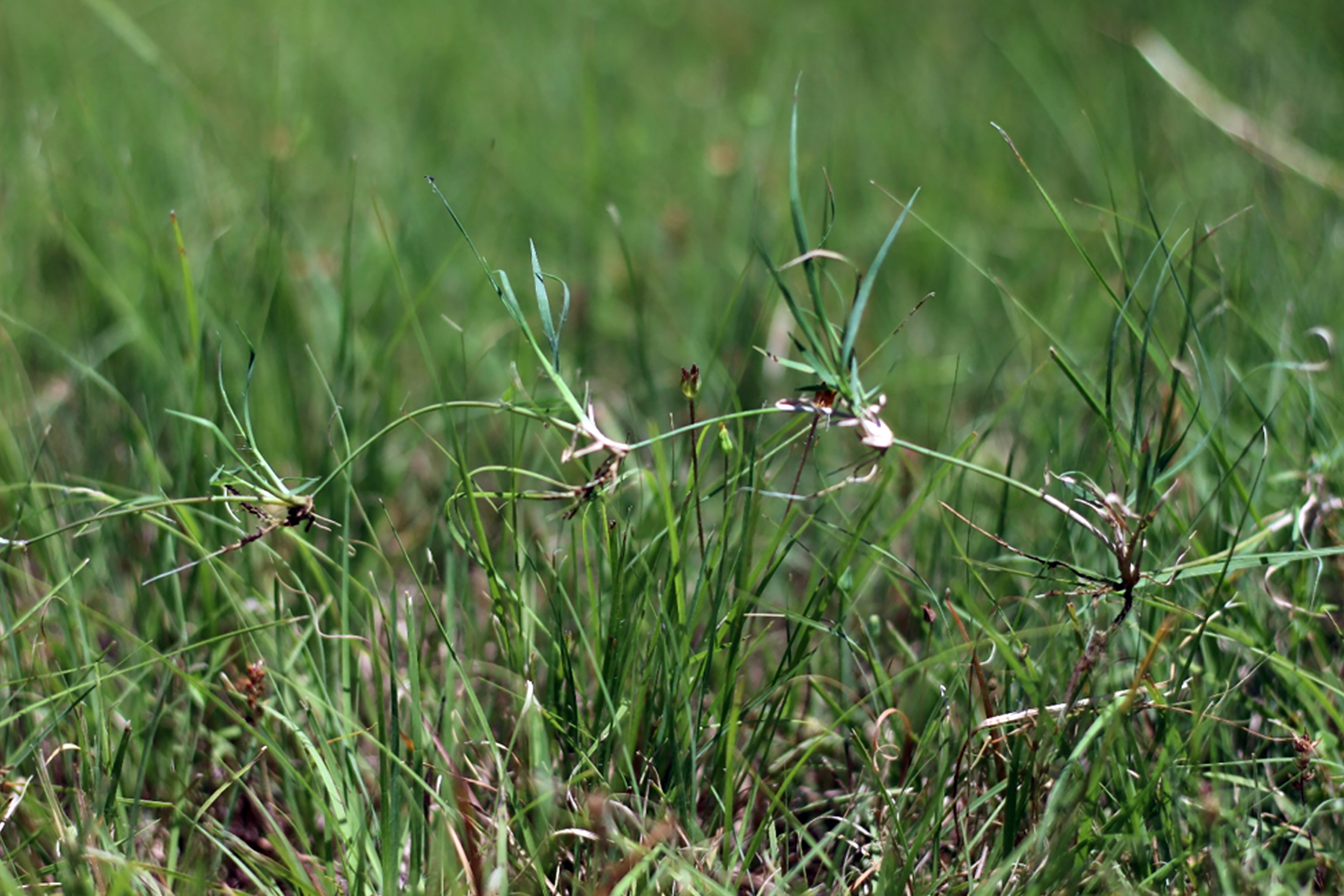
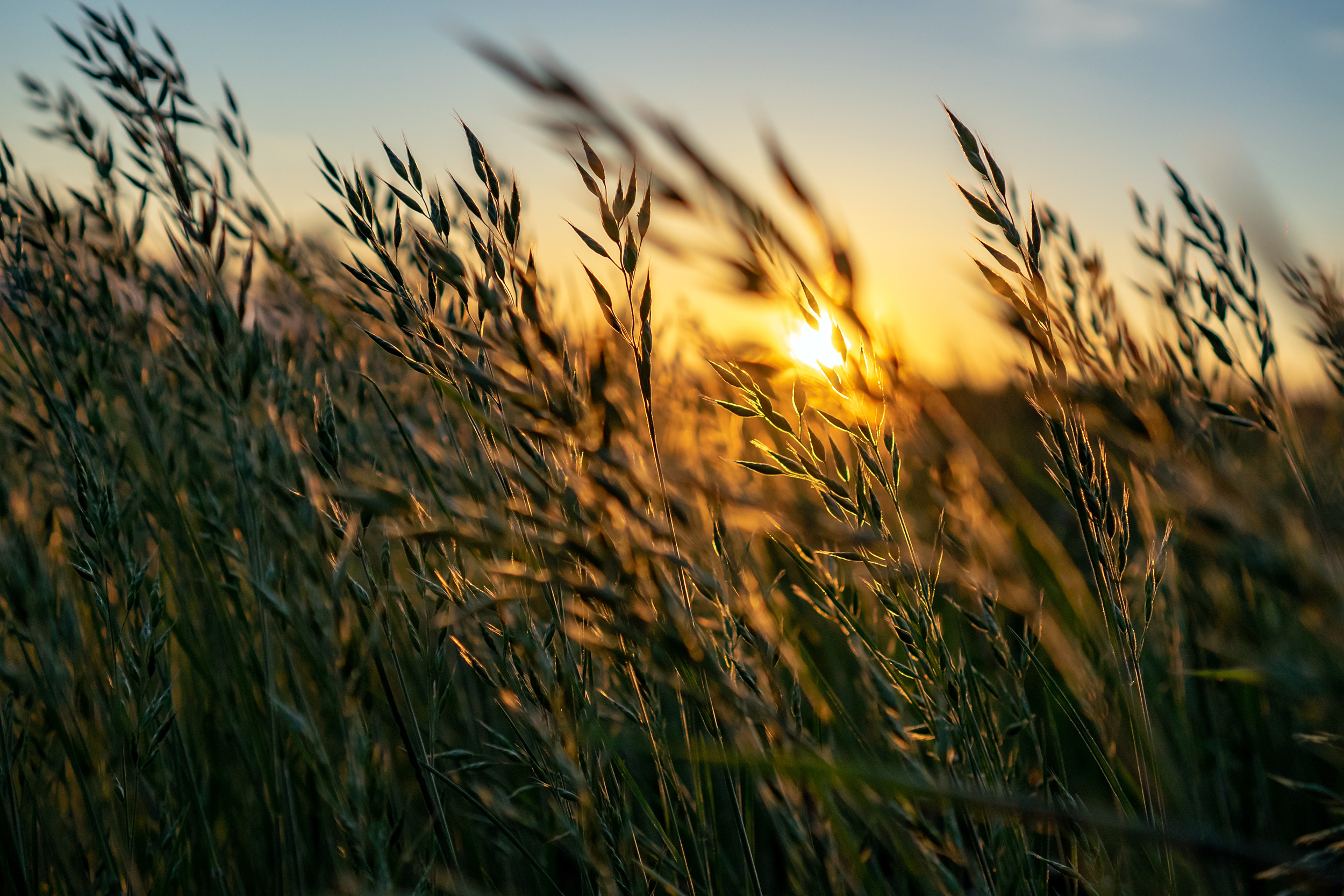
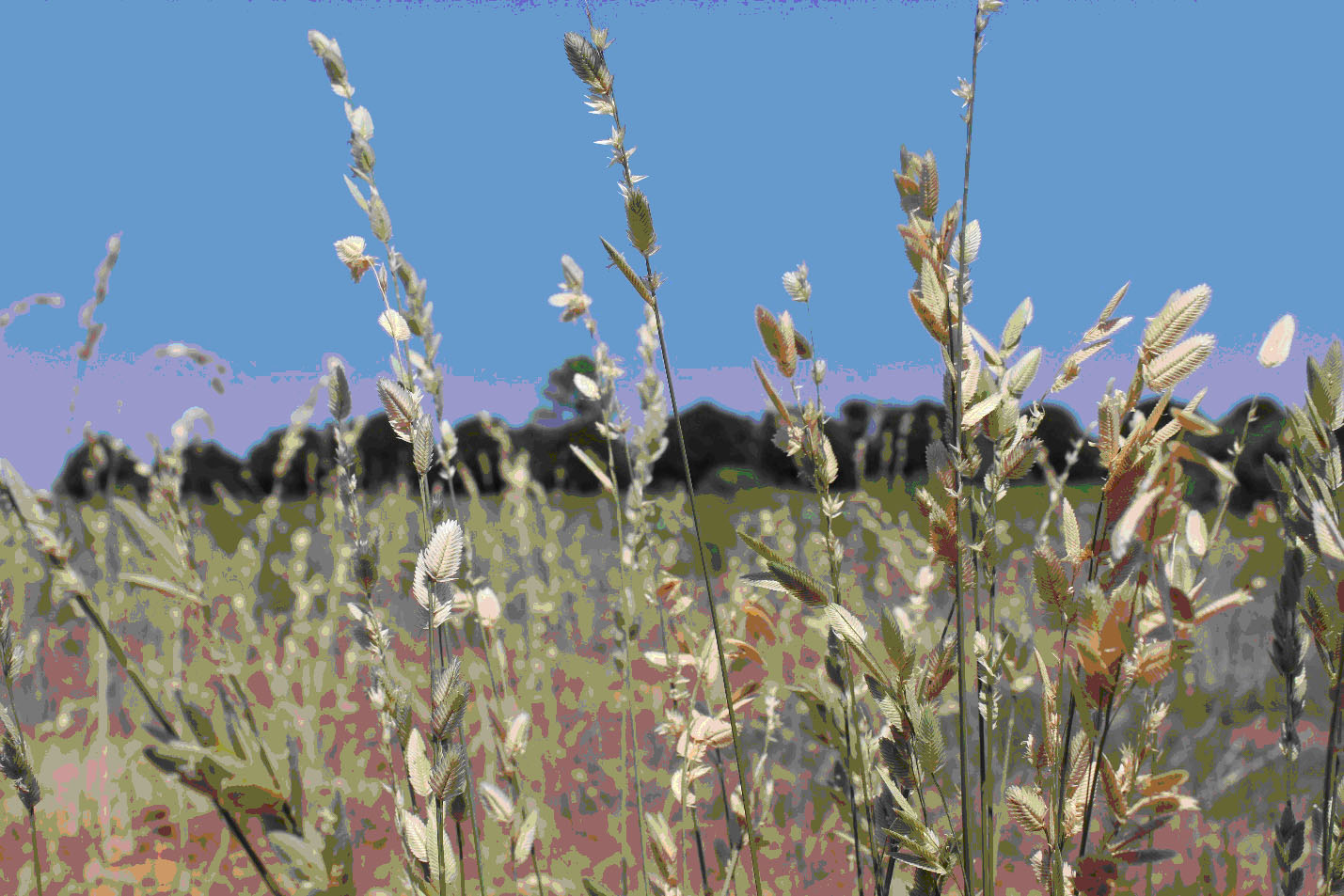
Buffalograss is one of the historically important grasses of the plains. It is adapted to a wide area of the central U.S., from Texas to Montana, and it was an important source of grazing for the vast herds of bison that roamed the plains. It is still an important forage resource for cattle and other grazing animals today.
Buffalograss is a low-growing, warm-season perennial. It is adapted to clay and loamy soils and grows best in the 15- to 30-inch rainfall belt. In Texas, you rarely see it in far East Texas or on deep sandy soils. During the growing season it has a soft grayish-green color, then turns straw-colored when dormant.
It can grow across large areas in a virtually solid stand or blend with other grasses if conditions allow. In Texas, its companions normally include blue grama, hairy grama, Texas grama and possibly sideoats grama.
Buffalograss doesn’t produce much volume, growing no more than 5 to 8 inches tall, but cattle strongly prefer it. Crude protein during the summer months runs 10 to 12 percent, and it cures well during the winter dormant season. Cattle will choose it in most pastures but usually don’t overgraze it heavily because of its short growth form. It keeps its vigor if grazed no shorter than 2 to 3 inches.
Male and female plants
Buffalograss is one of the few native grasses that produces male and female plants separately. The small seed heads, or flags, mark the male plants. Buffalograss sometimes forms small colonies a few square feet in size dominated by either male or female plants. The female plants produce the seed, a hard bur that sits low among the leaves near the ground.
Buffalograss reproduces by seed and by runners called stolons. Stolons grow along the soil surface and can root down at the nodes. A good way to identify buffalograss is the many stolons growing from both male and female plants. Stolons from male plants are male, and stolons from female plants are female.
Those stolons give buffalograss added erosion control. It is considered a sod-forming grass.
Telling it apart
People sometimes confuse buffalograss with curly mesquite, another low-growing grass. Before flowering, you can tell them apart by pulling up a stolon and running the stretch between the nodes across your lips. If it feels rough like sandpaper, it is curly mesquite. If it is smooth, it is buffalograss.
In the yard
Besides its value as forage, buffalograss is often used in lawns designed to tolerate drought. With irrigation and fertilizer, it doesn’t get much taller, but it forms a denser sod and turns darker green. During drought, it fades to a lighter straw color but can survive long dry periods if it has a healthy root system. It isn’t particularly shade tolerant and doesn’t do well in high-traffic areas.
Seed is available for planting, and treated seed usually germinates more readily than untreated seed. Soil temperatures in May normally favor germination, but the seed won’t germinate until it has adequate moisture.
By Savannah Magoteaux
Two bales can look almost identical and feed very differently. Color, smell and leafiness tell part of the story, but a forage test tells you what your cattle are actually being offered. If you buy hay by the ton or are trying to stretch winter feed, that little lab sheet can be one of the cheapest management tools on the place.
Reading the report
Start with dry matter. Hay contains water, and labs report nutrients either “as fed” or on a dry-matter basis. Feeds are easiest to compare on a dry-matter basis because it takes moisture out of the comparison. Hay that is 90 percent dry matter is about 10 percent water.
Crude protein, usually abbreviated CP, is the number most people recognize. It estimates protein from the forage’s nitrogen content. Higher isn’t automatically better. The goal is to match the hay to the animal. A dry, mature cow in mid-gestation doesn’t need the same protein as a lactating cow, a growing replacement heifer or a young calf.
Energy matters just as much. Beef cattle forage reports commonly estimate energy as total digestible nutrients, or TDN. Low-TDN hay may fill a cow up before it supplies enough energy, particularly when her requirements rise late in gestation or during lactation. That is when you may need better forage, an energy supplement or a different feeding plan.
Fiber numbers explain why some hay looks coarse and why animals may not be able to eat enough of it. Neutral detergent fiber, or NDF, is closely tied to intake. As NDF climbs, cattle generally eat less because the forage moves through the digestive tract more slowly. Acid detergent fiber, or ADF, is tied to digestibility. Higher ADF generally means lower digestibility.
Some reports also include relative feed value or relative forage quality. These indexes help compare lots of forage, particularly alfalfa and mixed hay, but they aren’t a complete ration. They don’t replace looking at protein, energy, minerals, animal class and expected intake.
Then come the numbers you hope are boring. Nitrate testing matters when drought, heavy nitrogen fertilization, cloudy weather or other conditions have stressed the forage enough to cause nitrate accumulation. Sorghum-type forages, johnsongrass, corn and some weeds deserve particular attention. Nitrates stay in hay after it is cut and baled, so a risky crop doesn’t become safe just because it dried.
Minerals deserve a look, but this is where a hay report gets harder to interpret. Calcium, phosphorus, potassium, magnesium and other minerals may be listed, yet a complete mineral program depends on water, other feeds and local conditions. A high number isn’t always an advantage. Excessive potassium, for example, can interfere with magnesium use under some circumstances. If you are balancing a ration for high-risk animals, work with a nutritionist or Extension specialist rather than treating the lab sheet as a stand-alone mineral prescription.
Moisture tells another story. Hay baled too wet is at greater risk of heating and mold, and very wet hay can become a fire hazard as microbial activity raises its internal temperature. A test taken months later can’t reconstruct every storage problem, so inspect the stack, too. A musty odor, visible mold, unusual heat and dark discoloration are all reasons to investigate.
Getting a good sample
A hay test is only as good as the sample, and sampling is the step most likely to ruin a good analysis. A handful pulled from the outside of one convenient bale doesn’t represent a stack of 100 bales. Round bales aren’t uniform from the outside to the center, and one bale may not represent the whole cutting.
Texas A&M AgriLife recommends using a hay probe and collecting cores from multiple bales in a lot, then combining them into one representative sample. A coring probe reaches through the layers of the bale and gives the lab a much better cross-section. Test different cuttings, fields or hay types separately, and don’t blend samples from separate fields or cuttings to save the cost of a test if you will feed them as separate lots.
Putting the numbers to work
The most useful way to read the report is backward from the cattle. What class of animal will eat this hay, at what stage of production, and how much is she likely to eat? Once you answer those questions, the lab numbers start to mean something.
A mature dry cow in good body condition can often use lower-quality forage than a first-calf heifer nursing a calf. Young cattle need nutrients for growth on top of maintenance, and cold stress raises energy demand. A hay test becomes valuable when you pair it with those real-world differences.
Remember that price per bale isn’t the same as price per unit of nutrition. A cheap bale with very low energy and protein may require expensive supplementation, and better hay can turn out to be the lower-cost feed once you count waste and supplements.
Before buying, try putting two hay reports side by side. Compare dry matter, crude protein, TDN and fiber first. Then add delivered cost and likely feeding waste. A heavier, denser bale isn’t automatically more economical, and a greener bale isn’t automatically more nutritious. The numbers make the comparison fair.
Testing is especially valuable after a hard weather year. Drought hay may be lower in yield and higher in nitrate risk. Mature, rain-damaged hay may test lower in protein and energy than it looks. Hay cut from a fertilized field after stress may deserve a safety screen before it ever reaches a feeder.
A forage test won’t make poor hay better. It shows you where the gaps are before your cattle show them through lost condition or lower performance. One report can’t answer every feeding question, but it replaces several guesses with measurements, and that makes winter nutrition planning much more accurate.



-
 Country Lifestyles4 years ago
Scott & Stacey Schumacher: A Growth Mindset
-
 Country Lifestyles10 years ago
Style Your Profile – What your style cowboy hat says about you and new trends in 2017
-
 Horsefeathers13 years ago
Mount Scott: Country Humor with David Gregory
-
 Outdoor11 years ago
Buttercup or Primrose?
-
 Country Lifestyles10 years ago
June 2016 Profile – The man behind the mic: Bob Tallman
-
 Country Lifestyles10 years ago
December 2016 Profile, Rusty Riddle – The Riddle Way
-
 HOME10 years ago
Grazing North Texas – Wilman Lovegrass
-
 The Natural Horseman9 years ago
This is why we do what we do — RayeAnn and Cisco