
Country Lifestyles
[AgriLife Today] Research shows Texas Grow! Eat! Go! interventions having positive impact on youth


By: Paul Schattenberg
COLLEGE STATION — Research has shown that efforts through the Texas Grow! Eat! Go! program have had a positive effect on improving the health and wellness of youth in the five participating Texas counties.
The study is a five-year collaboration among AgriLife Extension, the University of Texas School of Public Health at the Austin Regional Campus, Texas A&M University and the Texas A&M Health Science Center School of Public Health.
“The goal of the study was to determine the effect of specific interventions on improving the physical activity and eating behaviors of children and families, especially in low-income and underserved areas, and prevent obesity and overweight in children,” said Dr. Alex McIntosh of Texas A&M AgriLife Research, College Station.

The Texas Grow! Eat! Go! study engaged 28 resource-limited Title I elementary schools in five geographically diverse counties to determine the efficacy of two programs in conjunction with Coordinated Approach to Child Health, or CATCH, efforts, said Dr. Judy Warren, AgriLife Extension special initiatives coordinator and principal investigator for the study.
“CATCH is a coordinated school health program of the type mandated by the state,” Warren explained. “The programs being assessed in the study are two AgriLife Extension programs — Walk Across Texas, which promotes physical activity, and the Junior Master Gardener program, which promotes youth gardening and nutrition.”
She said these programs were selected for study as interventions because they had already been successful in engaging youth, but had never been evaluated on health outcomes using typical research methods and practices.
McIntosh, who is among a team of cross-university researchers involved with the Texas Grow! Eat! Go! study, said the study was designed to help assess the separate and joint effects of the two experiential programs on weight status, diet and physical activity among third-grade students.

“Schools in the research study were randomly assigned to four treatment groups, using schools implementing the CATCH program,” McIntosh said. “The four groups were CATCH-only, CATCH and Walk Across Texas, CATCH and Junior Master Gardeners, and CATCH in combination with both programs.”
The study was conducted in schools with a high degree of ethnic diversity. Youth enrollment in the study was 54 percent Hispanic and 18 percent African-American. Forty-three percent of their parents indicated some degree of family food insecurity.
“We collected data from 28 elementary schools in the diverse geographic areas of Texas — north central, coastal south, central and east central areas — with from three to eight classrooms in each participating school,” McIntosh said. “There were 759 third-graders in the group that participated in the first year of the study and 567 who participated in the second year.”
Data were collected from student, parent and teacher questionnaires, interviews with principals and program coordinators and from public sources. Student body mass index, or BMI, was also measured for students. Research methodology called for the data to be collected at four points in time: pre-test or baseline, immediate post-test, four-month post-test and one-year post-test.
The seven key outcome variables to be assessed for the students in the study were knowledge of nutrition and gardening, vegetable preference, usual vegetable consumption, vegetable consumption at school, sugar-sweetened beverage consumption, physical activity behaviors and sedentary behaviors.
The four key outcome variables to be assessed for parents in the study were home availability of vegetables, home availability of sugar-sweetened beverages, parental support of physical activity and parental support for decreasing sedentary behavior.
The four key child-parent interaction outcome variables for the study were gardening together, preparing food together, being physically active together and eating meals together.
“To determine within-group effects, pre-post differences for each condition were examined,” McIntosh said. “For each outcome, pre-post differences in each treatment condition were compared against the pre-post differences observed in the comparison group.”
Preliminary results from the overall study showed single and combined interventions were effective in changing variables related to weight status in children, significantly improving twelve of the fifteen behaviors targeted, while maintaining child weight status.
“We also were able to determine through our data analysis that positive behavioral and knowledge changes were largely due to the in-person participation of the students in these interventions, such as the physical activity of Walk Across Texas and working and tending the school gardens that were established as part of Junior Master Gardener activities,” McIntosh said.
-30-


Find more stories, photos, videos and audio at http://today.agrilife.org

By Bryce Angell
Eleven teenage cowboys saddled up to hit the trail. If I’d have known what lay ahead I might have turned around to bail.
We’d planned our trip, so many nights, I’d say dang near a year. My cousin was the one in charge of all the food and gear.
We rode back in some twenty miles. The horses all but spent. Then set up camp and cooked the steaks inside our new cook tent.
The horses were all fenced in or were tied up for the night. ’Twas time to sit next to the fire. A well-deserved delight.
With bellies full of grub and sitting by the fire’s glow, Old Mother Nature made her call. Said, “Time for you to go!”
I quizzed my cousin, “Toilet Paper?” Desperate in my plea. I won’t forget his wide eyes if I live to ninety-three.
He said, “I plumb forgot about the toilet paper roll! Ya better start to gather leaves and dig yourself a hole.”
The frightful news sure traveled fast out to the young cowboys. They calculated lynching but were full of hot air noise.
So, we gathered leaves, then hurried off, the well-known, “Two Step Stride.” But all too soon the leaves were scratchy for our young backside.
My cousin said, “Just do your job then head down to the lake. But don’t forget your Ivory Soap and scrub for goodness sake!”
We were finally back to normal. No more scratchy, itchy seats. Compared to leaves and grass the Ivory Soap was hard to beat.
The youngest of the cowboys said, “Let’s contact Ivory Soap. We could be an advertisement for how we’d all lost hope.
“Then Ivory to the rescue. Now our cheeks are super clean.” Another cowboy hollered, “That would be a gruesome scene!”
So that night, while sleeping in my bag, I heard the loudest splash. I rolled on out then headed for the lake in one fast dash.
The sky was clear, the moon so bright, heard yodeling calls from Loons. But on that fateful night, I swear, I witnessed two full moons.
By NTFR Staff
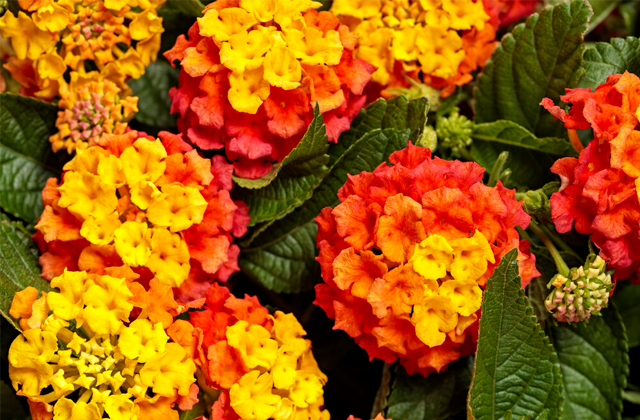
By September, many North Texas gardens look tired. Tomato plants have slowed down, squash vines may have surrendered to insects, and the summer heat has worn on plants and gardeners alike.
The growing season may seem to be ending, but September can give you a second chance.
Fall vegetable gardens can be especially productive in Texas. Cooler weather eases heat stress, and several common garden pests become less of a problem as the season goes on. The key is choosing vegetables that can mature before winter and helping young plants survive the lingering heat of early fall.
Start by clearing out plants that have stopped producing. Throw away diseased or heavily insect-damaged plants instead of composting them. Healthy plant material can go in the compost pile, but discard weeds that have already gone to seed.
Once the bed is clear, loosen the soil and add a layer of finished compost. If you need fertilizer, base the amount on a soil test whenever possible. Garden soil should drain well, and most vegetables need at least eight hours of direct sun each day.
What you plant in September depends partly on the weather and where you live in North Texas. You can plant quick-growing vegetables such as radishes, turnips, mustard greens, lettuce and spinach from seed. Carrots and beets are also good fall crops, though they may take patience and steady moisture while they germinate.
Broccoli, cabbage and cauliflower are usually easier to establish from healthy transplants than from seed sown directly in the garden. Kale and collards can go in from seed or transplants. Garden centers often start stocking fall vegetable transplants as temperatures improve.
Texas A&M AgriLife Extension recommends planting fall vegetables early enough that they can grow and mature under good conditions. Texas has several growing regions, so check the planting dates for your area rather than a calendar meant for another part of the state.
September can still bring afternoon highs in the 90s, so new seeds and transplants need extra attention. Water the bed before planting, then keep the top layer of soil evenly moist while seeds germinate. A light layer of mulch can slow evaporation, but don’t lay it so thick that small seedlings can’t push through.
Transplants may benefit from temporary afternoon shade for their first several days in the garden. Shade cloth, an overturned nursery flat or another lightweight cover can protect tender leaves while the roots settle in. Leave room for air to move, and don’t let covers rest directly on the plants.
Succession planting can stretch your harvest. Instead of sowing every radish, lettuce or turnip seed at once, plant a small amount every week or two. You’re less likely to end up with more produce than your household can use at one time.
Keep frost in mind, too. Count backward from your area’s average first freeze and compare that window with the days to maturity on the seed packet. Cooler fall weather can slow growth, so give yourself extra time rather than waiting until the last possible planting date.
A fall garden doesn’t have to be large or complicated. One prepared bed, a few rows of greens and several broccoli or cabbage transplants can keep fresh vegetables coming long after the summer garden has faded.
September isn’t the end of the gardening year in North Texas. In many ways, it is a chance to begin again.
By Annette Bridges
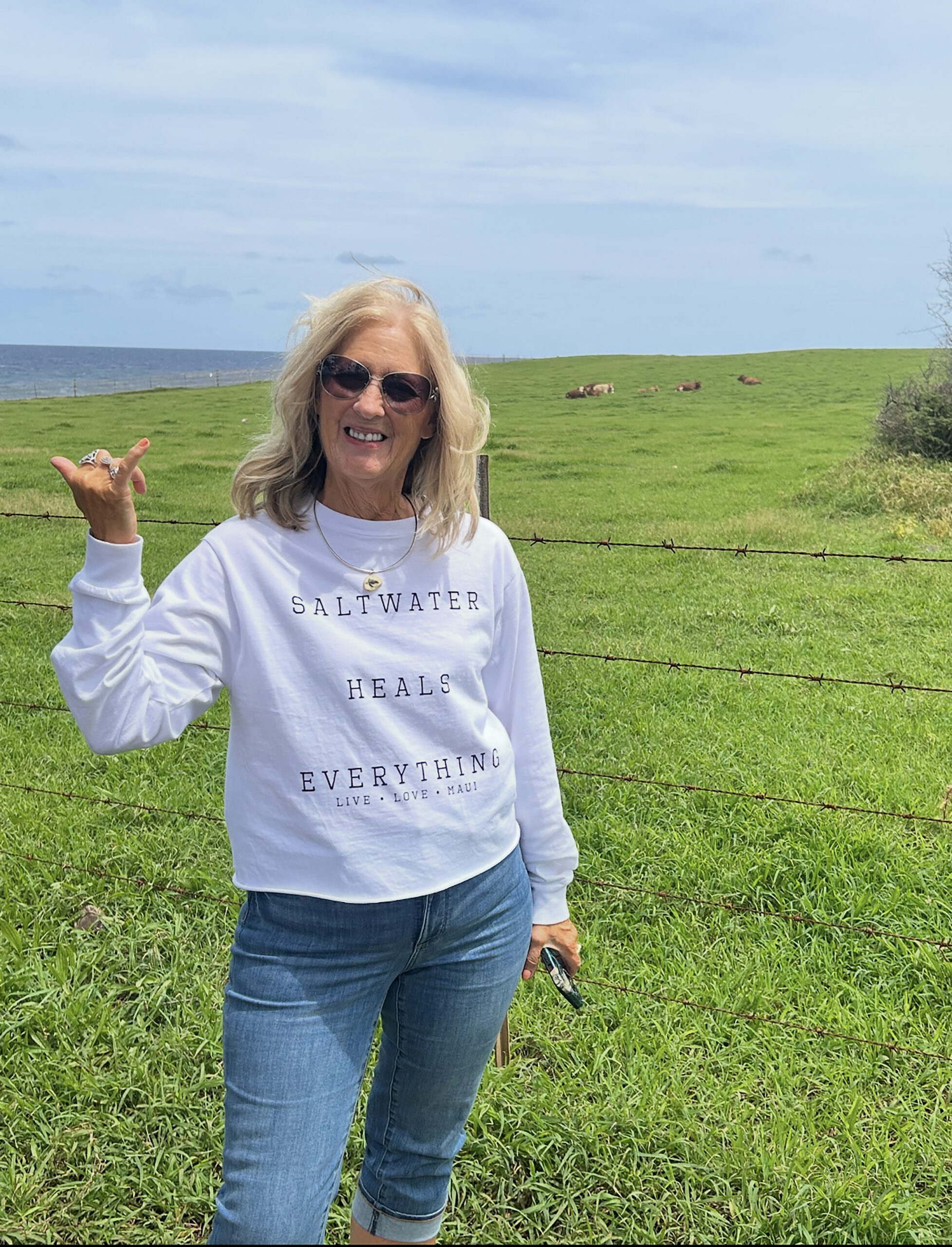
In September 2022, I wrote a column titled “Merry Maui Cows,” featuring a photograph of me with a group of Maui cows grazing in a seaside pasture.
This photo was taken in that same spot a few weeks ago, in March 2026.
Standing there again, looking out over that green hillside rolling toward the ocean, I couldn’t help but smile. I’m quite certain those cows were just as merry then as they are now, and I realized I am, too.
My husband and I had returned to Maui to celebrate our 45th wedding anniversary.
Forty-five years! I can hardly say it out loud without wondering where in the world the time has gone. The years flew by, and yet so much life happened in them: joys, challenges, ordinary days and unforgettable moments, the kind of life that shapes you.
This trip carried an extra layer of celebration for me. Since that first “Merry Maui Cows” photo, I’ve lost over fifty pounds. I found myself happily shopping for new tropical clothes, smiling in dressing rooms and picking up sizes I hadn’t worn in years. It was lighthearted fun, but it also meant something deeper to me. Change is still possible, even later in life.
At this stage of life, birthdays and anniversaries feel less like markers of time passing and more like invitations to look back, take stock and notice what has changed and what has stayed the same.
When I placed my new photo beside the one from 2022, I noticed the differences, of course. What stood out most was what hadn’t changed. I was still merry, and those two simple words felt like a quiet declaration.
Being “still merry” after years of life, with all its beauty and difficulty, says something. It says we’ve held onto joy and chosen gratitude. It says we’ve weathered what needed weathering and still found reasons to smile.
Life doesn’t stay the same, and it isn’t meant to. We get seasons of ease and seasons of challenge, moments that take your breath away and moments that take your strength. Through all of it, we can carry a steady thread of merriness forward.
It may be quiet, and life may be far from perfect, but I’m still merry. Maybe that’s enough. Maybe it’s everything.




-

 Country Lifestyles4 years ago
Scott & Stacey Schumacher: A Growth Mindset
-
 Country Lifestyles10 years ago
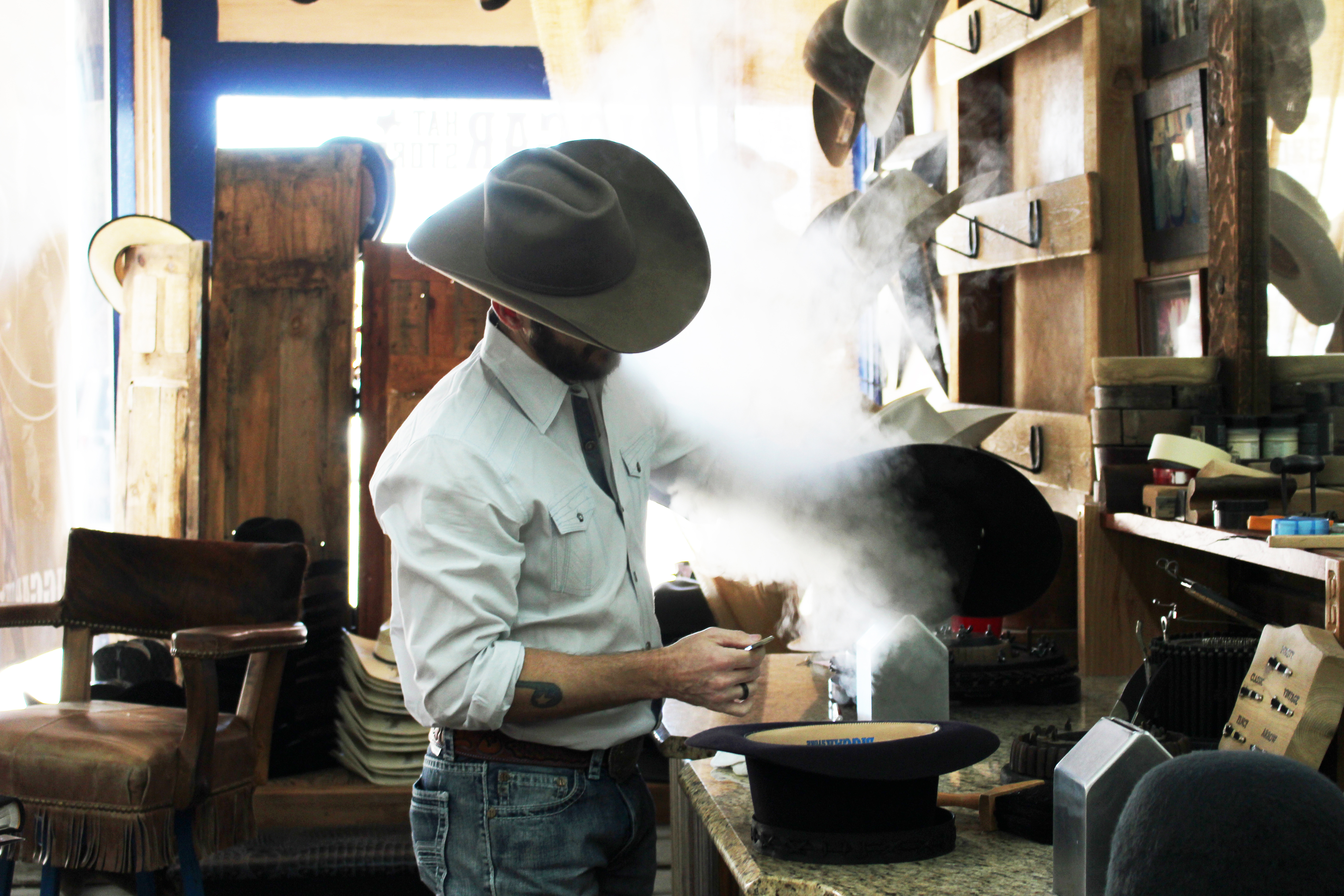
Style Your Profile – What your style cowboy hat says about you and new trends in 2017
-
 Horsefeathers12 years ago
Mount Scott: Country Humor with David Gregory
-
 Country Lifestyles10 years ago
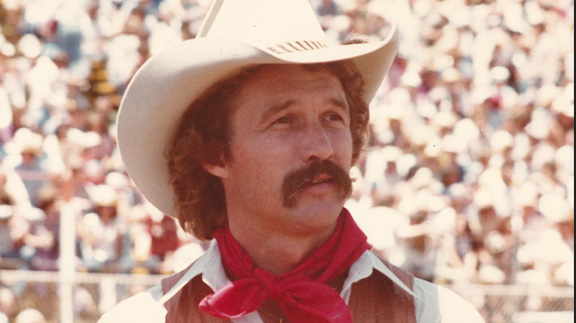
June 2016 Profile – The man behind the mic: Bob Tallman
-
 Outdoor11 years ago
Buttercup or Primrose?
-
 Country Lifestyles10 years ago
December 2016 Profile, Rusty Riddle – The Riddle Way
-
 HOME10 years ago
Grazing North Texas – Wilman Lovegrass
-
 The Natural Horseman9 years ago
This is why we do what we do — RayeAnn and Cisco