
Country Lifestyles
Cowboy Culture – Spring Branding


By Clay Reid
Well, it’s that time of year in the old cowboy world, that time which most cowpunchers look forward to each year, the time when everybody comes together to get all them little fur bearing meat wagons branded, ear notched and vaccinated as well as taking care of their mamas, too.
This is a time where you look forward to seeing some fellars you might not see but a few times a year as well as show off your cowboy skills in the dragging pen or cut gate.
Even though it’s a work house filled with early morning long trots and lots of sore muscles from flanking and roping, it’s a time we look forward to.
This year at my place it didn’t start out too well for this old fat boy. We were gathering an old brushy pasture over near Holliday, Texas, and I was riding one of the gentlest horses I got in my remuda.
This horse is so gentle that when I went to buy him up in Frederick, Okla., a little fat boy in flip flops who looked to be about maybe 13 years old, and to tell you the truth he looked as if he didn’t know one end from the other about a horse, met me out front upon arrival.
Then when we walked around back, he hollars for old Thunderbolt and pretty quick he comes a running up to meet us.
To read more pick up a copy of the May 2017 NTFR issue. To subscribe call 940-872-5922.

Spring branding. (Photos by Clay Reid)


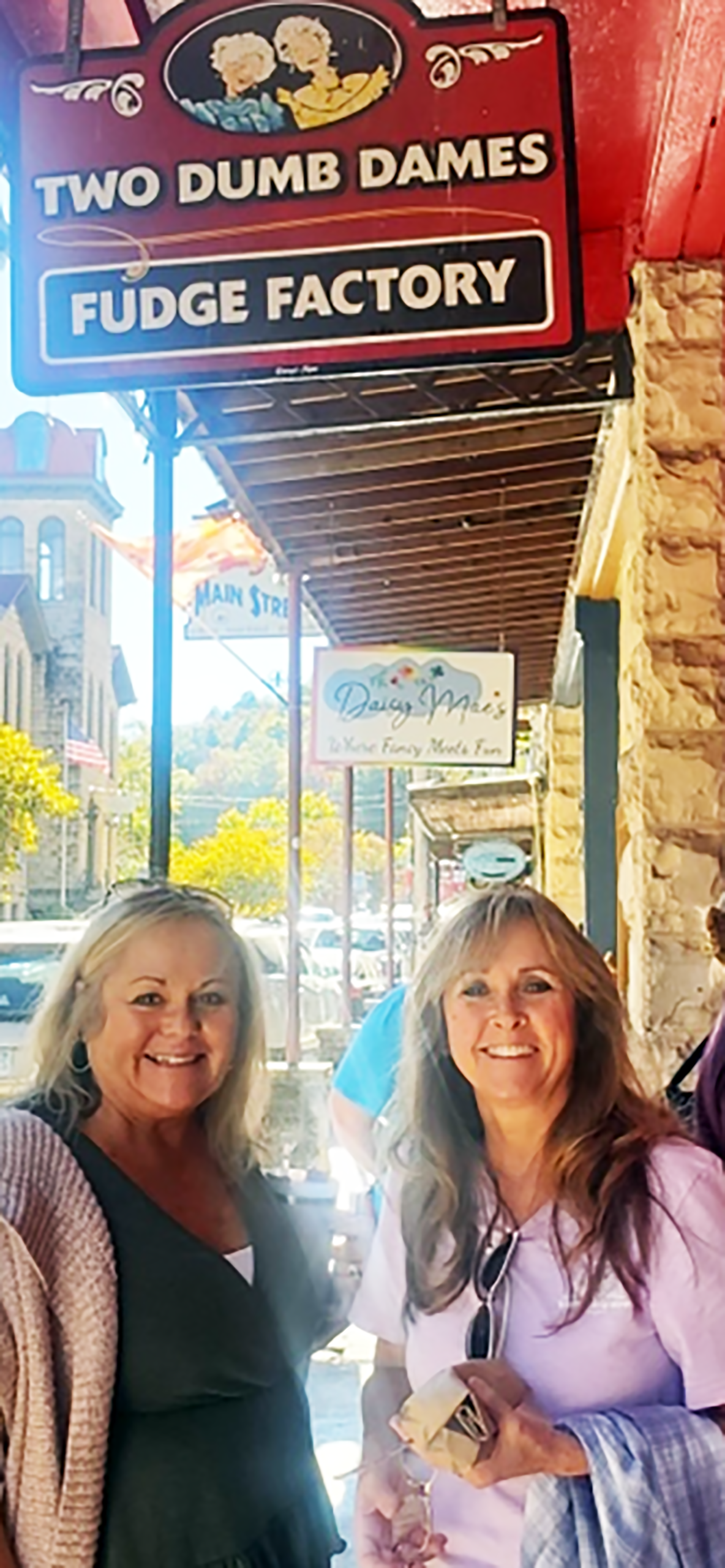
By Beth Watkins
I have started this over and over.
Usually, when that happens, it’s because I can’t think of anything to say. This time, it’s because I have too much.
Too many memories. Too many feelings. A heart full of gratitude mixed with a sadness that feels a little silly when you consider I never actually knew Dolly Parton.
And yet, somehow, didn’t we all feel like we did?
When the news came that Dolly had died, a collective sadness seemed to settle over people from every walk of life. Country music fans, rock stars, grandmothers, little girls, people from the mountains and people who wouldn’t know which end of a cow the feed goes in.
Everybody had a Dolly story.
Mine begins in a little trailer house.
My sister and I shared a bedroom growing up, and although I couldn’t tell you exactly how old we were, I can still picture that room. It wasn’t much bigger than the full-size bed pushed against the wall. There wasn’t room for matching nightstands, reading chairs or any of the things Pinterest would now tell us a bedroom requires.
There was just enough room for two sisters.
And at night, my sister would sing me to sleep.
She has always had a beautiful voice, and the song that seemed to send me off to sleep best was Dolly Parton’s “Coat of Many Colors.”
I can still hear it.
Funny how memories work. I couldn’t tell you what color the curtains were or what was hanging on the wall. I couldn’t tell you what pajamas I had on or what we had eaten for supper. But more than fifty years later, I can close my eyes and hear my sister singing about a little girl whose mama stitched together a coat made from rags and told her the Bible story of Joseph and his coat of many colors.
Every stitch was sewn with love.
Back then, I only knew it was a pretty song that somehow soothed my little-girl soul. I didn’t know I was listening to a lesson.
A lesson about poverty without shame. About finding abundance in what the world might call lack. About the difference between what something costs and what something is worth.
Maybe that is why Dolly’s death feels strangely personal to so many of us.
Her songs found their way into bedrooms and kitchens, old pickups and beauty shops. They became part of weddings, funerals, childhoods and long drives home. Somewhere along the way, Dolly Parton became woven into the fabric of our lives.
Since her passing, I have seen one phrase repeated again and again:
Be like Dolly.
Be kind like Dolly. Love people like Dolly. Give like Dolly. Don’t judge people. Treat everyone with dignity. Stay humble. Stay true to who you are.
I understand exactly what people mean. Lord knows the world could use a whole lot more of that.
But I keep thinking… those ideas didn’t begin with Dolly Parton.
The Bible was here long before Dolly. The Ten Commandments were here long before Dolly. “Love your neighbor as yourself” was spoken long before somebody glued the first rhinestone onto a guitar.
And Dolly herself would have known that better than most.
She grew up dirt poor in the mountains of Tennessee, one of twelve children, in a family where faith wasn’t reserved for Sunday morning. She grew up singing in church, and throughout her life she spoke openly about prayer, God, forgiveness and her belief that the gifts she had been given came with a purpose.
She believed God had His hand on her life and that she was supposed to do something good with it.
I’d say she did.
Dolly didn’t spend her life preaching Christianity at people. She lived much of it in front of them.
She fed people. She helped people. She put books into the hands of millions of children who might otherwise never have owned one. She poured money back into the poor mountain community she came from. She stepped forward when disaster devastated families. She treated the powerful and the powerless with the same dignity.
And somehow, she became one of the most famous women in the world without deciding that made her better than anybody else.
She also seemed to understand something we have forgotten lately: Not every conversation has to become a political argument.
Dolly was asked plenty of times to weigh in on politics, and she repeatedly made it clear that she was an entertainer, not a politician. She had opinions, of course she did, but she didn’t seem to believe every opinion needed a microphone.
Well, mercy. Imagine that.
Today we can’t seem to buy tomatoes without somebody wanting to know how we vote. Dolly somehow managed to welcome people without first requiring them to agree with her.
Maybe that’s part of the void we feel now. We didn’t just lose a singer. We lost one of those increasingly rare people almost everybody had agreed we could simply love.
But I think we need to be careful here.
If we say, “Don’t let Dolly’s spirit die,” and all we mean is play her music louder, wear rhinestones, visit Dollywood and quote her funny sayings, then I think we’ve missed the best part of what she left us.
Honor her by doing what she did.
See people. Help somebody who can’t repay you. Give quietly. Speak kindly. Remember where you came from. Laugh at yourself. Use whatever God placed in your hands to make somebody else’s road a little easier.
And for heaven’s sake, sometimes keep your opinion to yourself.
Maybe the message isn’t really Be like Dolly. Maybe it’s this: Remember who Dolly was trying to be like: Jesus.
A woman who understood that she had been blessed, and therefore had a responsibility to bless somebody else. A light. And lights aren’t meant merely to be admired. They’re meant to help somebody else find their way.
Somewhere in my memory, there will always be a little trailer-house bedroom, a full-size bed pushed against the wall, and my sister’s beautiful voice singing a Dolly Parton song until her big sister drifted off to sleep.
I didn’t know then that the song would follow me through nearly every season of my life. Even now, when my sister and I take one of our sister trips and end up sharing a hotel room, I still make the same request:
Sing me my song.
And she does.
I didn’t know, lying in that little bed all those years ago, that the woman who wrote those words would one day leave such an enormous empty space behind.
But even through the sadness, I can’t help but smile. Somewhere beyond what we can see, I like to imagine Heaven’s choir sounding just a little sweeter now.
Dolly left a void here on earth, but she also left something behind that death cannot take away: the example of a life lived with faith, generosity, humor, humility and love.
Maybe we don’t keep her light alive by trying to become Dolly. Maybe we keep it alive by remembering what she knew all along:
The light was never hers to begin with. It came from God. She simply let it shine.
And now it’s our turn.
By Annette Bridges
After nearly fifty years of raising cattle, you would think we had seen it all.
Spring calves come and go in steady rhythm. Strong ones. Spotted ones. Long-legged ones. Some we remember. Most we don’t.
But on April 2, 2025, one calf captured our heart with his.
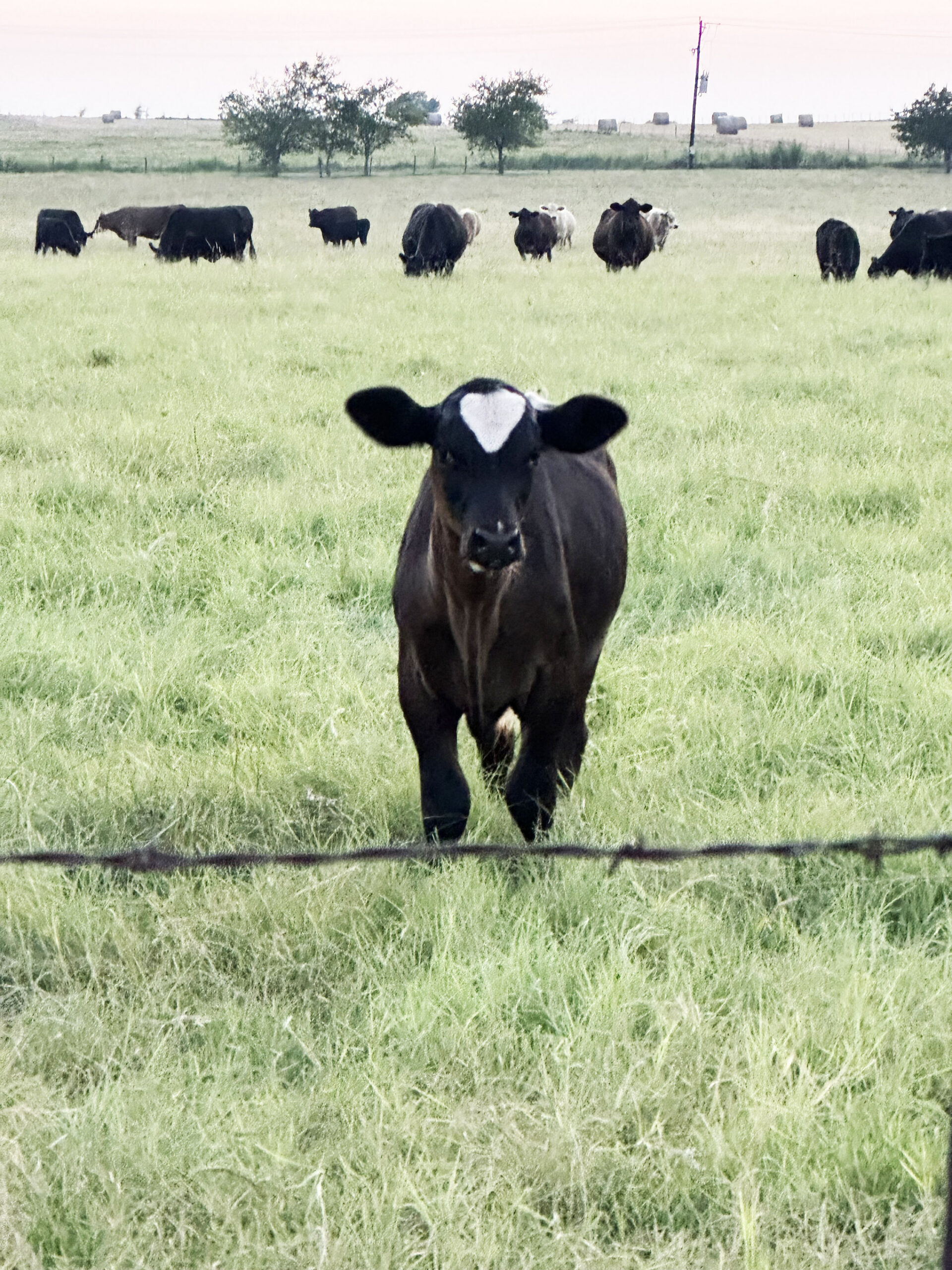
He stood beside his mama in the green spring grass, still unsteady on new legs, and right there in the center of his forehead was a perfectly shaped white heart.
Not a dot. Not a crooked patch. A heart.
I blinked. I tilted my head. I walked closer. Surely it was just the angle of the light. But no, it was there. Clear as day.
We named him Valentine.
His mother, Blackie, is the matriarch of our herd: tall, steady and wise in the way good cows are. She has raised strong calves year after year, and each one carries her little signature, a white tip on the tail. Valentine does too.
His sire, Jimbo, is our registered Black Angus bull, with a calm temperament and solid build. Between the two of them, Valentine has good bones beneath that charming marking.
As he’s grown, so has the heart. It hasn’t faded or blurred. If anything, it’s become more defined.
Strangers who see his photograph often ask if I edited it in. I didn’t. I wouldn’t know how if I tried.
John reminds me that hearts don’t add pounds at the sale barn.
He’s right, of course. Ranching is business. Calves grow, calves sell. That’s the rhythm.
But every now and then, something small interrupts the practical march of it all, a reminder that even in a life built on feed schedules, breeding charts and market reports, there is still room for wonder.
Valentine will soon leave our pasture, whether through private treaty or the auction ring. What I know is simple: after half a century spent welcoming new life into the pasture, I’ve never seen a calf take its first breath with a heart so boldly stitched on.
Maybe that’s the point. Some things don’t change the numbers. They just change you.
By NTFR Staff
By the end of summer, I’m usually ready to blame the weather for everything that went wrong in my garden. The heat was too intense. The rain came at the wrong time, or it didn’t come at all. The squash bugs were relentless, and the weeds somehow grew better than anything I planted on purpose.
All of that may be true, but this year I’ve also had to admit something else: some of my garden soil is tired.
After seasons of planting, watering, digging and walking through the beds, soil can become compacted, low in organic matter or out of balance. It may drain poorly after a heavy rain, then turn hard and cracked a few days later. Water may run across the surface instead of soaking in. Plants can stay small, develop pale leaves or struggle to produce even with regular care.
Healthy soil doesn’t have to be perfectly dark, loose or full of earthworms, but it should give roots access to water, nutrients and air. Improving it takes more than dumping on a bag of fertilizer and hoping for the best.
Starting with what the soil needs
My first step is a soil test.
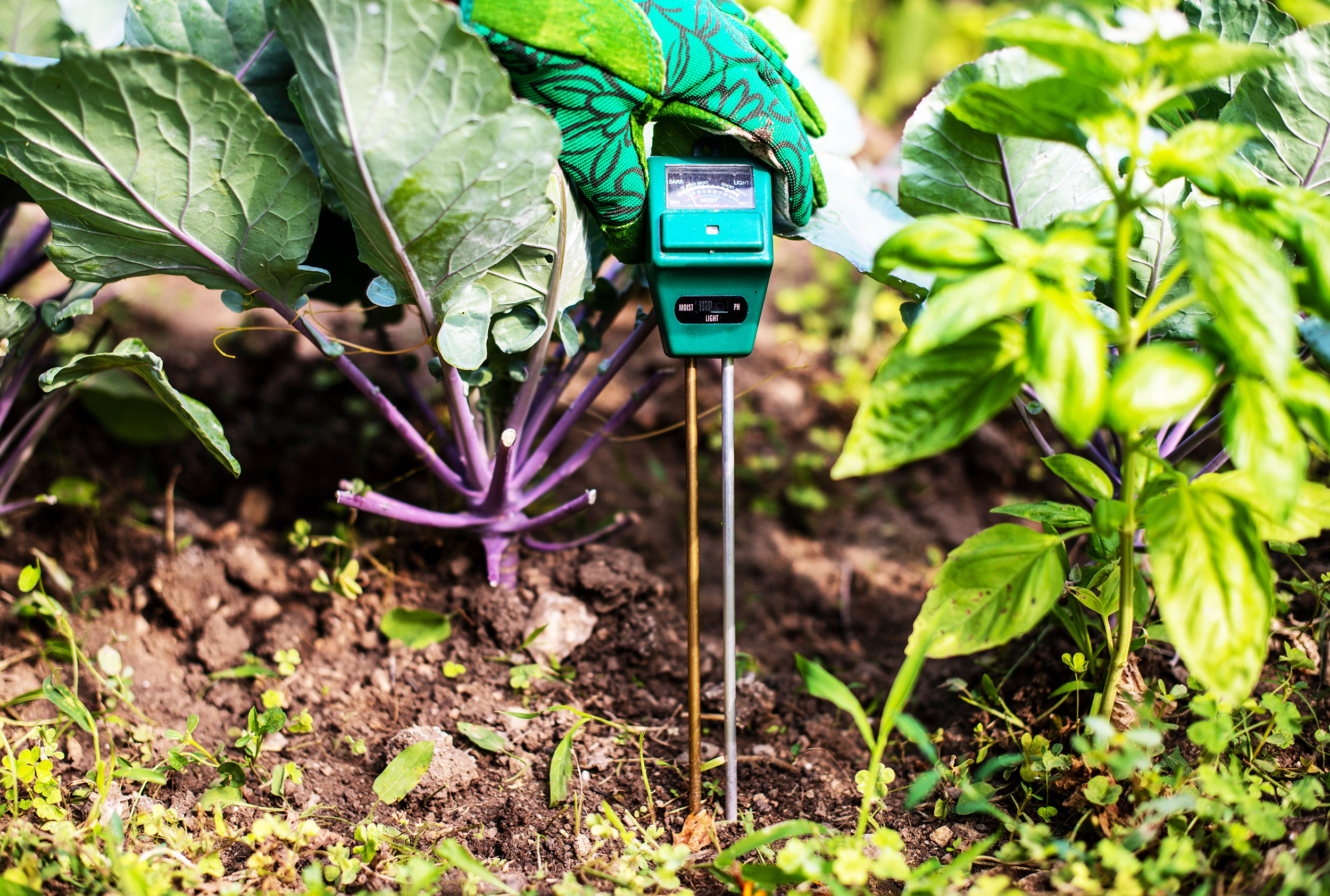
It isn’t the most exciting garden project, but it may keep me from spending money on products my soil doesn’t need. A soil test reports pH and nutrient levels, then recommends fertilizer based on what I plan to grow. Texas A&M AgriLife runs a soil-testing laboratory for gardeners and landowners, and local Extension offices can explain how to collect and submit a representative sample.
The important word is representative. Soil can vary from one side of a garden to the other, so a useful sample should combine soil from several spots in the same growing area. Problem spots that are clearly different should generally be tested separately instead of mixed into the main sample.
Until I get those results, I don’t need to assume every struggling plant wants more fertilizer. Too much fertilizer can damage plants, waste money and add to nutrient runoff. The problem may not be a shortage of nutrients at all. It could be the wrong pH, poor drainage, compaction or roots that can’t reach what’s already there.
Next, I’ll add organic matter, particularly finished compost. Organic matter improves the soil’s physical condition and makes many soils easier to work. In heavy soil, compost helps air and water move. In sandy soil, it helps the ground hold more moisture and nutrients.
Texas gardeners work with a wide range of soils, but Texas A&M AgriLife notes that almost any garden soil improves with organic matter. When you prepare a fall garden, that material should be well decomposed, not fresh or half-broken-down.
I’ve been guilty of thinking more compost is always better. It isn’t. Compost contains nutrients, and repeated heavy applications can eventually build up excessive nutrient levels. Apply finished compost with some thought, especially if it contains manure. A soil test can tell you whether the garden needs nutrients, organic matter or both.
For an established vegetable or flower bed, I can spread a modest layer of finished compost on the surface and gently work it into the top of the soil where needed. I don’t need to turn the whole garden upside down. Heavy tilling can break down soil structure, disturb beneficial organisms and leave a loose surface sitting on top of a compacted layer.
Protecting the beds
Compaction is one of my bigger problems, and I know exactly how it happened. I step into the garden to pull weeds, pick vegetables, fix irrigation and reach plants at the back of the bed. After enough trips, especially when the ground is wet, the soil packs down.
My fix won’t be a more powerful tiller. It will be better garden design. I can lay out permanent walking paths and keep my feet out of the planting areas. Beds should be narrow enough that I can reach the center from the edge. Limiting foot traffic protects the spaces where roots need loose soil, water and oxygen.
I also need to stop leaving soil bare.
Bare soil may look neat, but it takes the full force of pounding rain, runoff, erosion, weeds and moisture loss. In Texas heat, uncovered soil dries fast and forms a hard crust. Mulch protects it by reducing evaporation, moderating soil temperature and blocking the sunlight weed seeds need. Organic mulch also adds organic material as it breaks down.
Depending on the bed, I can use shredded leaves, clean straw, compost, grass clippings that haven’t been treated with herbicides or other suitable organic materials. I’ll keep mulch a few inches away from plant stems and tree trunks instead of piling it against them.
Mulch won’t solve every soil problem, but it makes the garden easier to keep up. Soil that stays evenly moist is less likely to swing between waterlogged and powder-dry. Fewer weeds mean less hoeing and pulling, which also means less disturbance around roots.
In beds I won’t plant right away, I may try a cover crop. Cover crops keep living roots in the soil, protect the surface and add organic material when they are cut or worked in. Some grow deep roots that can help loosen compacted ground, and legumes may add nitrogen through their partnership with soil bacteria. The right crop and planting time depend on the season and how soon I need the bed again.
I also plan to leave healthy roots in the ground when I can. Instead of pulling every finished plant and taking the attached soil with it, I can cut some plants off at the surface and let their roots decompose in place. Diseased plants and aggressive weeds still have to go, but healthy roots can become part of the soil’s organic cycle.
A long-term project
The hardest part may be accepting that I can’t fix tired soil in one weekend. Soil improves gradually. Compost decomposes, mulch thins, plants use up nutrients, and Texas weather keeps testing every garden plan I make. I’ll have to keep replenishing organic matter and keep checking the soil rather than treating it once and forgetting it. Oklahoma State University Extension describes healthy garden soil as an ongoing project built through composting, mulching, soil testing and other regular practices.
That takes some pressure off. I don’t have to create perfect soil before I plant another seed. I need to stop guessing, protect what I already have and make choices that leave the ground a little better than I found it.
This fall, my garden may still have hard spots, weeds and areas that need more attention. I’m not expecting an overnight transformation. I’m starting with a soil test, finished compost, protected planting beds and a good layer of mulch.
The garden spent the summer working hard. Now it’s my turn to give back some of what I’ve taken from it.




-
 Country Lifestyles4 years ago
Scott & Stacey Schumacher: A Growth Mindset
-
 Country Lifestyles10 years ago
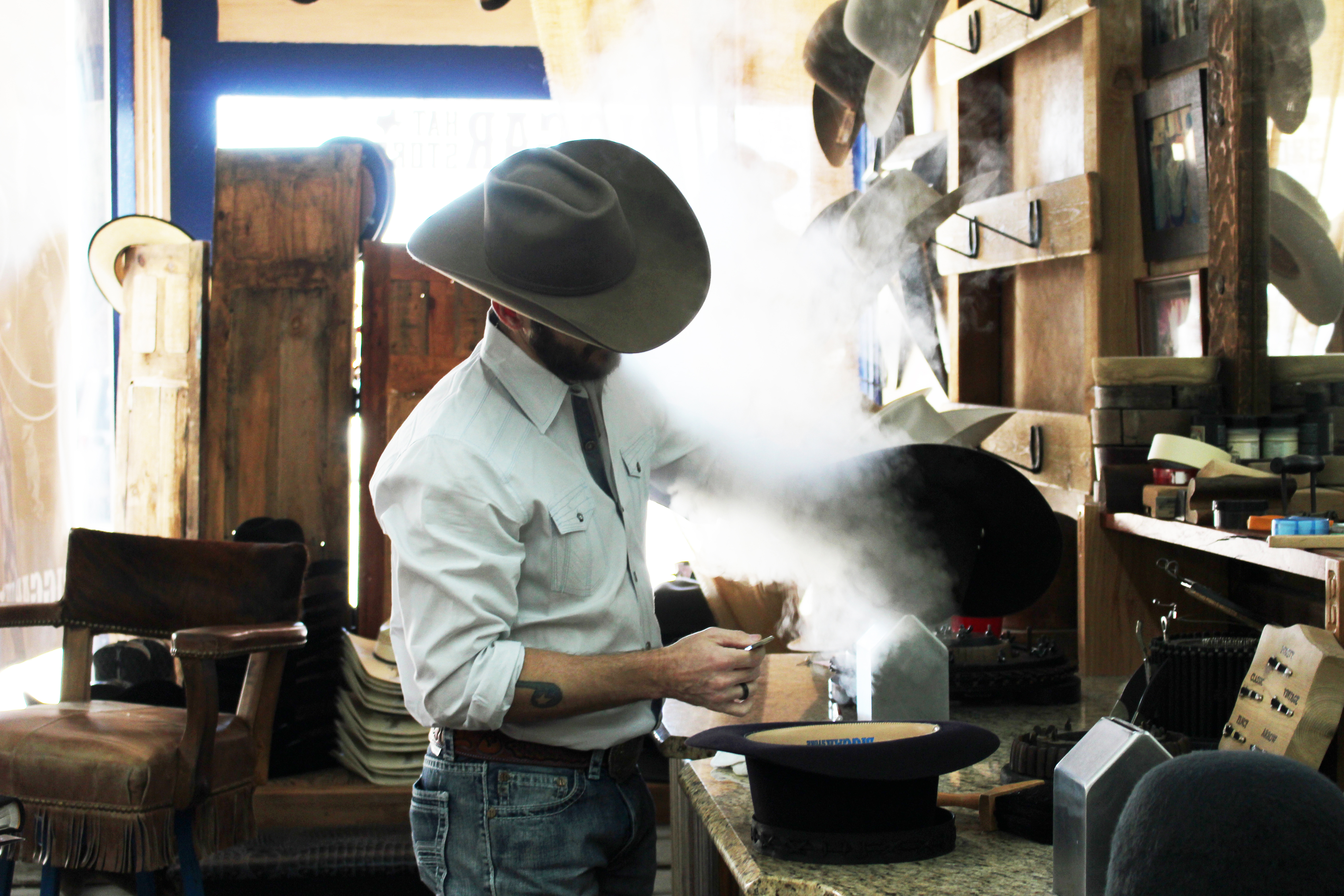
Style Your Profile – What your style cowboy hat says about you and new trends in 2017
-
 Horsefeathers12 years ago
Mount Scott: Country Humor with David Gregory
-
 Country Lifestyles10 years ago
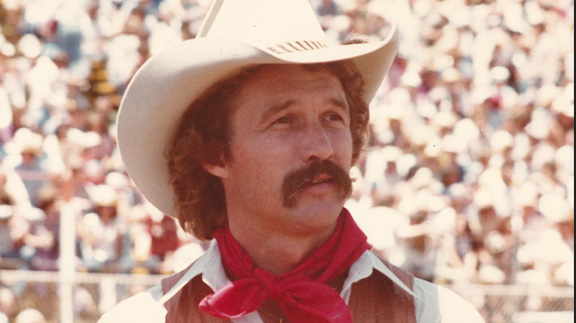
June 2016 Profile – The man behind the mic: Bob Tallman
-
 Outdoor11 years ago
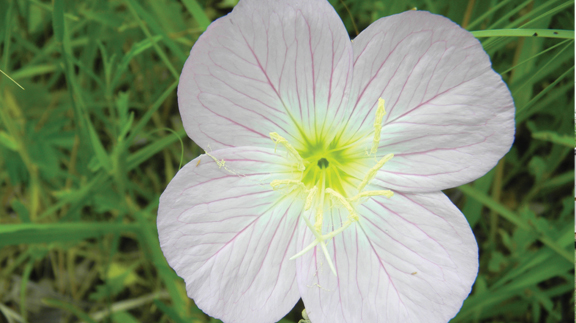
Buttercup or Primrose?
-
 Country Lifestyles10 years ago
December 2016 Profile, Rusty Riddle – The Riddle Way
-
 HOME10 years ago
Grazing North Texas – Wilman Lovegrass
-
 The Natural Horseman9 years ago
This is why we do what we do — RayeAnn and Cisco