
Country Lifestyles
Pam Blanscet Schenk’s Story of the Sesquicentennial Wagon Train

By Judy Wade
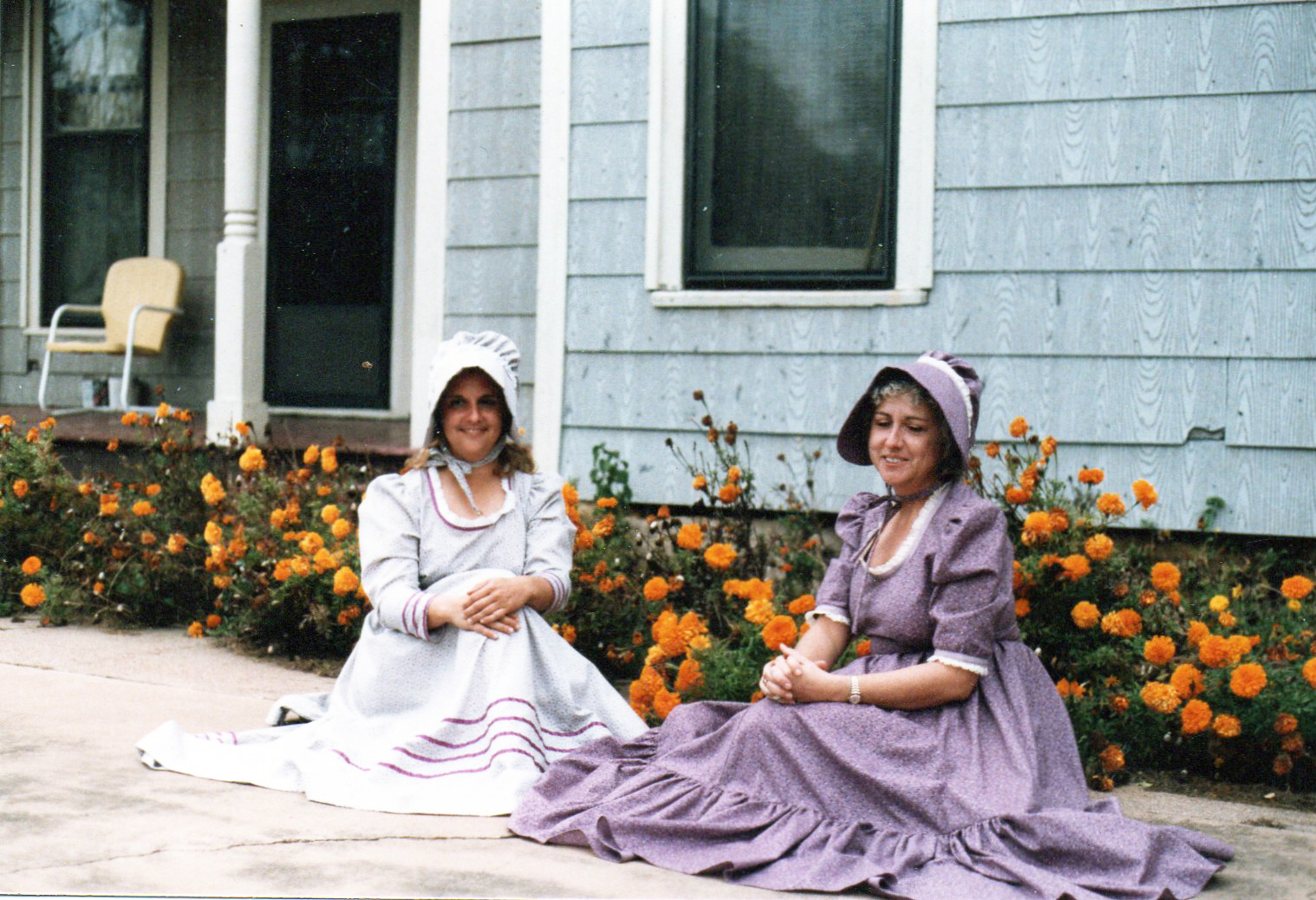
“I was one of five women who rode horseback or in the wagon every day that the wagon train moved,” Pam Blanscet Schenk said about her trip with the 1986 Sesquicentennial Wagon Train that zig-zagged its way across 3,000-plus miles of Texas celebrating the 150th anniversary of the state’s independence from Mexico.
“I was in Jacksboro working in my uncle’s ice plant when I heard and ad on WBAP radio about the wagon train. I thought, ‘That’s the closest thing I’ll ever get to living like it was 100 years ago,’” Schenk recalled.
Frances Johnson told her about Betty McGaha, who was outfitting a wagon in Henrietta, and Schenk was able to join her and her driver and horse wrangler Randy Chadwick for the journey. “My plan was to ride my mare Roxy and pack my other horse Bo with my supplies. I got a pack saddle and panniers and learned how to balance the load and pack everything,” she explained.
Her plan didn’t work out quite the way she thought it would. “I found out Roxy was pregnant, so I took my dad’s big thoroughbred, Duke. That didn’t make my dad too happy,” Schenk related.
Schenk is 5’ 1”, and Duke was a conservative 16 hands, or at least 5’ 4” at the withers, so saddling and mounting proved a challenge for the cowgirl every day, but she managed. However, Duke proved to be a challenge several times. “During one of our ‘practice wagon trains’ before we actually set out, we were camped on the Ross Ranch in Jolly. A pump jack started up, Bo and Duke spooked and Bo got a rope wrapped around my leg,” she recalled.
To read more pick up a copy of the September 2018 NTFR issue. To subscribe call 940-872-5922.
By NTFR Staff
By the end of summer, I’m usually ready to blame the weather for everything that went wrong in my garden. The heat was too intense. The rain came at the wrong time, or it didn’t come at all. The squash bugs were relentless, and the weeds somehow grew better than anything I planted on purpose.
All of that may be true, but this year I’ve also had to admit something else: some of my garden soil is tired.
After seasons of planting, watering, digging and walking through the beds, soil can become compacted, low in organic matter or out of balance. It may drain poorly after a heavy rain, then turn hard and cracked a few days later. Water may run across the surface instead of soaking in. Plants can stay small, develop pale leaves or struggle to produce even with regular care.
Healthy soil doesn’t have to be perfectly dark, loose or full of earthworms, but it should give roots access to water, nutrients and air. Improving it takes more than dumping on a bag of fertilizer and hoping for the best.
Starting with what the soil needs
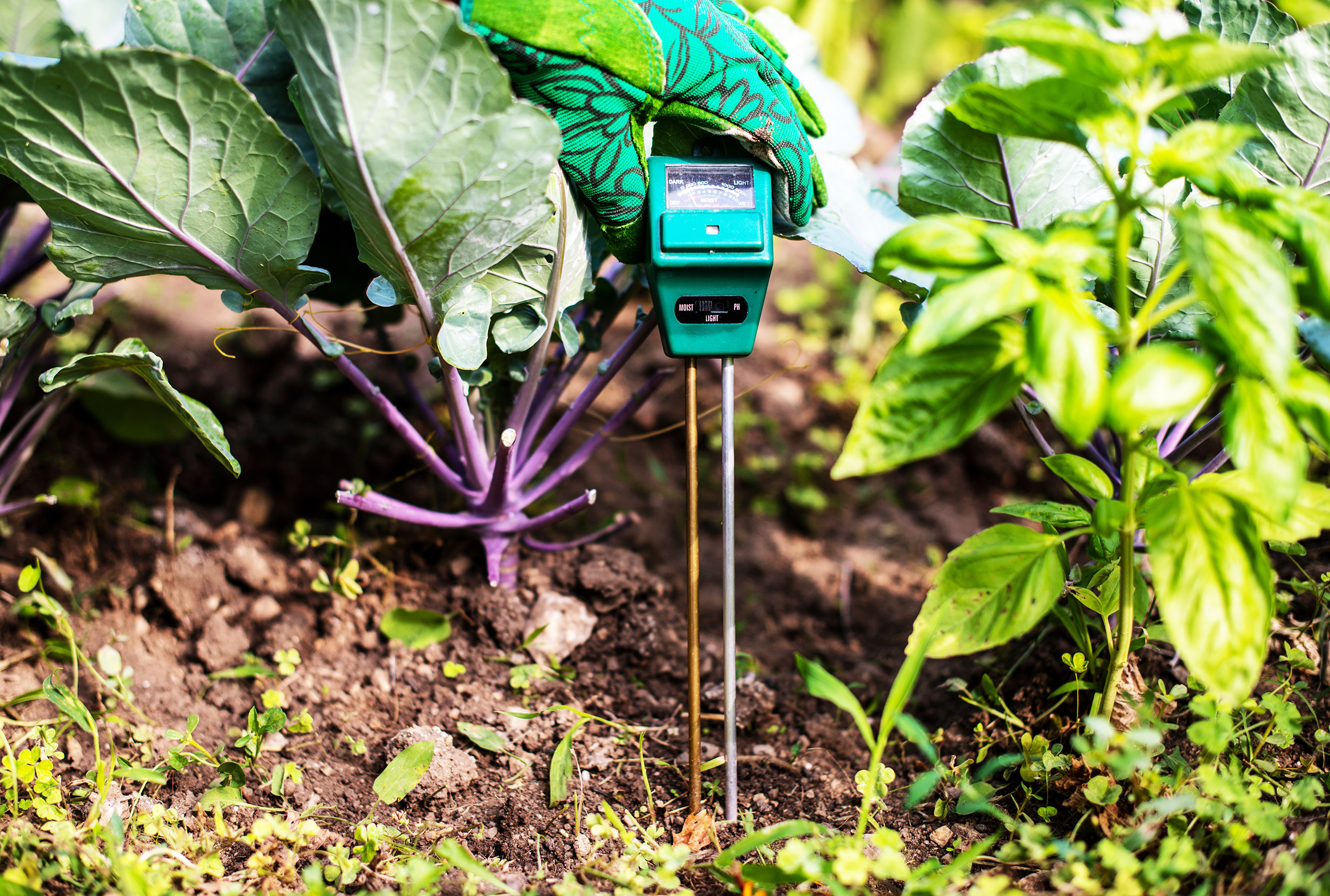
My first step is a soil test.
It isn’t the most exciting garden project, but it may keep me from spending money on products my soil doesn’t need. A soil test reports pH and nutrient levels, then recommends fertilizer based on what I plan to grow. Texas A&M AgriLife runs a soil-testing laboratory for gardeners and landowners, and local Extension offices can explain how to collect and submit a representative sample.
The important word is representative. Soil can vary from one side of a garden to the other, so a useful sample should combine soil from several spots in the same growing area. Problem spots that are clearly different should generally be tested separately instead of mixed into the main sample.
Until I get those results, I don’t need to assume every struggling plant wants more fertilizer. Too much fertilizer can damage plants, waste money and add to nutrient runoff. The problem may not be a shortage of nutrients at all. It could be the wrong pH, poor drainage, compaction or roots that can’t reach what’s already there.
Next, I’ll add organic matter, particularly finished compost. Organic matter improves the soil’s physical condition and makes many soils easier to work. In heavy soil, compost helps air and water move. In sandy soil, it helps the ground hold more moisture and nutrients.
Texas gardeners work with a wide range of soils, but Texas A&M AgriLife notes that almost any garden soil improves with organic matter. When you prepare a fall garden, that material should be well decomposed, not fresh or half-broken-down.
I’ve been guilty of thinking more compost is always better. It isn’t. Compost contains nutrients, and repeated heavy applications can eventually build up excessive nutrient levels. Apply finished compost with some thought, especially if it contains manure. A soil test can tell you whether the garden needs nutrients, organic matter or both.
For an established vegetable or flower bed, I can spread a modest layer of finished compost on the surface and gently work it into the top of the soil where needed. I don’t need to turn the whole garden upside down. Heavy tilling can break down soil structure, disturb beneficial organisms and leave a loose surface sitting on top of a compacted layer.
Protecting the beds
Compaction is one of my bigger problems, and I know exactly how it happened. I step into the garden to pull weeds, pick vegetables, fix irrigation and reach plants at the back of the bed. After enough trips, especially when the ground is wet, the soil packs down.
My fix won’t be a more powerful tiller. It will be better garden design. I can lay out permanent walking paths and keep my feet out of the planting areas. Beds should be narrow enough that I can reach the center from the edge. Limiting foot traffic protects the spaces where roots need loose soil, water and oxygen.
I also need to stop leaving soil bare.
Bare soil may look neat, but it takes the full force of pounding rain, runoff, erosion, weeds and moisture loss. In Texas heat, uncovered soil dries fast and forms a hard crust. Mulch protects it by reducing evaporation, moderating soil temperature and blocking the sunlight weed seeds need. Organic mulch also adds organic material as it breaks down.
Depending on the bed, I can use shredded leaves, clean straw, compost, grass clippings that haven’t been treated with herbicides or other suitable organic materials. I’ll keep mulch a few inches away from plant stems and tree trunks instead of piling it against them.
Mulch won’t solve every soil problem, but it makes the garden easier to keep up. Soil that stays evenly moist is less likely to swing between waterlogged and powder-dry. Fewer weeds mean less hoeing and pulling, which also means less disturbance around roots.
In beds I won’t plant right away, I may try a cover crop. Cover crops keep living roots in the soil, protect the surface and add organic material when they are cut or worked in. Some grow deep roots that can help loosen compacted ground, and legumes may add nitrogen through their partnership with soil bacteria. The right crop and planting time depend on the season and how soon I need the bed again.
I also plan to leave healthy roots in the ground when I can. Instead of pulling every finished plant and taking the attached soil with it, I can cut some plants off at the surface and let their roots decompose in place. Diseased plants and aggressive weeds still have to go, but healthy roots can become part of the soil’s organic cycle.
A long-term project
The hardest part may be accepting that I can’t fix tired soil in one weekend. Soil improves gradually. Compost decomposes, mulch thins, plants use up nutrients, and Texas weather keeps testing every garden plan I make. I’ll have to keep replenishing organic matter and keep checking the soil rather than treating it once and forgetting it. Oklahoma State University Extension describes healthy garden soil as an ongoing project built through composting, mulching, soil testing and other regular practices.
That takes some pressure off. I don’t have to create perfect soil before I plant another seed. I need to stop guessing, protect what I already have and make choices that leave the ground a little better than I found it.
This fall, my garden may still have hard spots, weeds and areas that need more attention. I’m not expecting an overnight transformation. I’m starting with a soil test, finished compost, protected planting beds and a good layer of mulch.
The garden spent the summer working hard. Now it’s my turn to give back some of what I’ve taken from it.
By Bryce Angell
Eleven teenage cowboys saddled up to hit the trail. If I’d have known what lay ahead I might have turned around to bail.
We’d planned our trip, so many nights, I’d say dang near a year. My cousin was the one in charge of all the food and gear.
We rode back in some twenty miles. The horses all but spent. Then set up camp and cooked the steaks inside our new cook tent.
The horses were all fenced in or were tied up for the night. ’Twas time to sit next to the fire. A well-deserved delight.
With bellies full of grub and sitting by the fire’s glow, Old Mother Nature made her call. Said, “Time for you to go!”
I quizzed my cousin, “Toilet Paper?” Desperate in my plea. I won’t forget his wide eyes if I live to ninety-three.
He said, “I plumb forgot about the toilet paper roll! Ya better start to gather leaves and dig yourself a hole.”
The frightful news sure traveled fast out to the young cowboys. They calculated lynching but were full of hot air noise.
So, we gathered leaves, then hurried off, the well-known, “Two Step Stride.” But all too soon the leaves were scratchy for our young backside.
My cousin said, “Just do your job then head down to the lake. But don’t forget your Ivory Soap and scrub for goodness sake!”
We were finally back to normal. No more scratchy, itchy seats. Compared to leaves and grass the Ivory Soap was hard to beat.
The youngest of the cowboys said, “Let’s contact Ivory Soap. We could be an advertisement for how we’d all lost hope.
“Then Ivory to the rescue. Now our cheeks are super clean.” Another cowboy hollered, “That would be a gruesome scene!”
So that night, while sleeping in my bag, I heard the loudest splash. I rolled on out then headed for the lake in one fast dash.
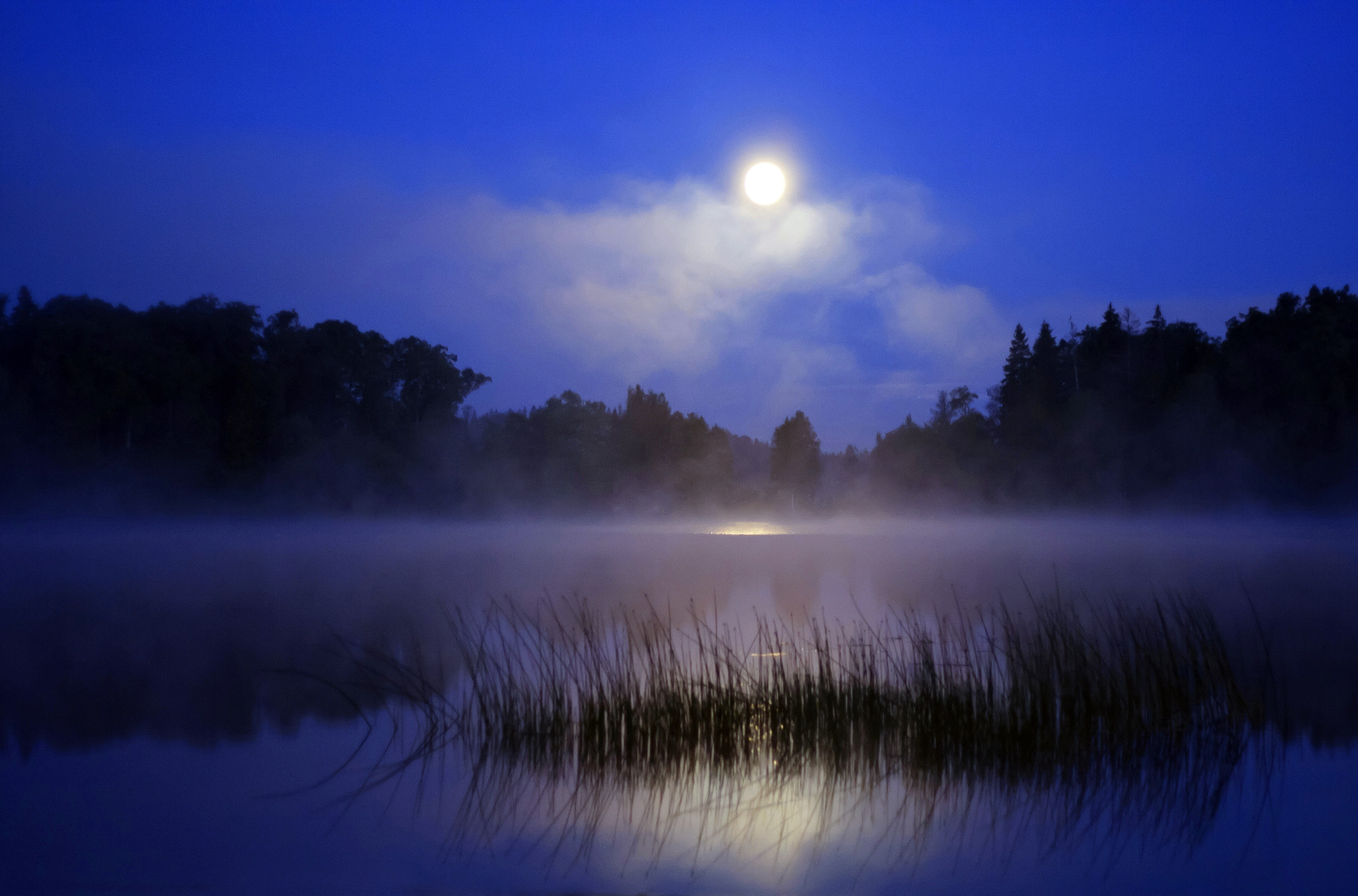
The sky was clear, the moon so bright, heard yodeling calls from Loons. But on that fateful night, I swear, I witnessed two full moons.
By NTFR Staff
By September, many North Texas gardens look tired. Tomato plants have slowed down, squash vines may have surrendered to insects, and the summer heat has worn on plants and gardeners alike.
The growing season may seem to be ending, but September can give you a second chance.
Fall vegetable gardens can be especially productive in Texas. Cooler weather eases heat stress, and several common garden pests become less of a problem as the season goes on. The key is choosing vegetables that can mature before winter and helping young plants survive the lingering heat of early fall.
Start by clearing out plants that have stopped producing. Throw away diseased or heavily insect-damaged plants instead of composting them. Healthy plant material can go in the compost pile, but discard weeds that have already gone to seed.
Once the bed is clear, loosen the soil and add a layer of finished compost. If you need fertilizer, base the amount on a soil test whenever possible. Garden soil should drain well, and most vegetables need at least eight hours of direct sun each day.
What you plant in September depends partly on the weather and where you live in North Texas. You can plant quick-growing vegetables such as radishes, turnips, mustard greens, lettuce and spinach from seed. Carrots and beets are also good fall crops, though they may take patience and steady moisture while they germinate.
Broccoli, cabbage and cauliflower are usually easier to establish from healthy transplants than from seed sown directly in the garden. Kale and collards can go in from seed or transplants. Garden centers often start stocking fall vegetable transplants as temperatures improve.
Texas A&M AgriLife Extension recommends planting fall vegetables early enough that they can grow and mature under good conditions. Texas has several growing regions, so check the planting dates for your area rather than a calendar meant for another part of the state.
September can still bring afternoon highs in the 90s, so new seeds and transplants need extra attention. Water the bed before planting, then keep the top layer of soil evenly moist while seeds germinate. A light layer of mulch can slow evaporation, but don’t lay it so thick that small seedlings can’t push through.
Transplants may benefit from temporary afternoon shade for their first several days in the garden. Shade cloth, an overturned nursery flat or another lightweight cover can protect tender leaves while the roots settle in. Leave room for air to move, and don’t let covers rest directly on the plants.
Succession planting can stretch your harvest. Instead of sowing every radish, lettuce or turnip seed at once, plant a small amount every week or two. You’re less likely to end up with more produce than your household can use at one time.
Keep frost in mind, too. Count backward from your area’s average first freeze and compare that window with the days to maturity on the seed packet. Cooler fall weather can slow growth, so give yourself extra time rather than waiting until the last possible planting date.
A fall garden doesn’t have to be large or complicated. One prepared bed, a few rows of greens and several broccoli or cabbage transplants can keep fresh vegetables coming long after the summer garden has faded.
September isn’t the end of the gardening year in North Texas. In many ways, it is a chance to begin again.




-

 Country Lifestyles4 years ago
Scott & Stacey Schumacher: A Growth Mindset
-
 Country Lifestyles10 years ago
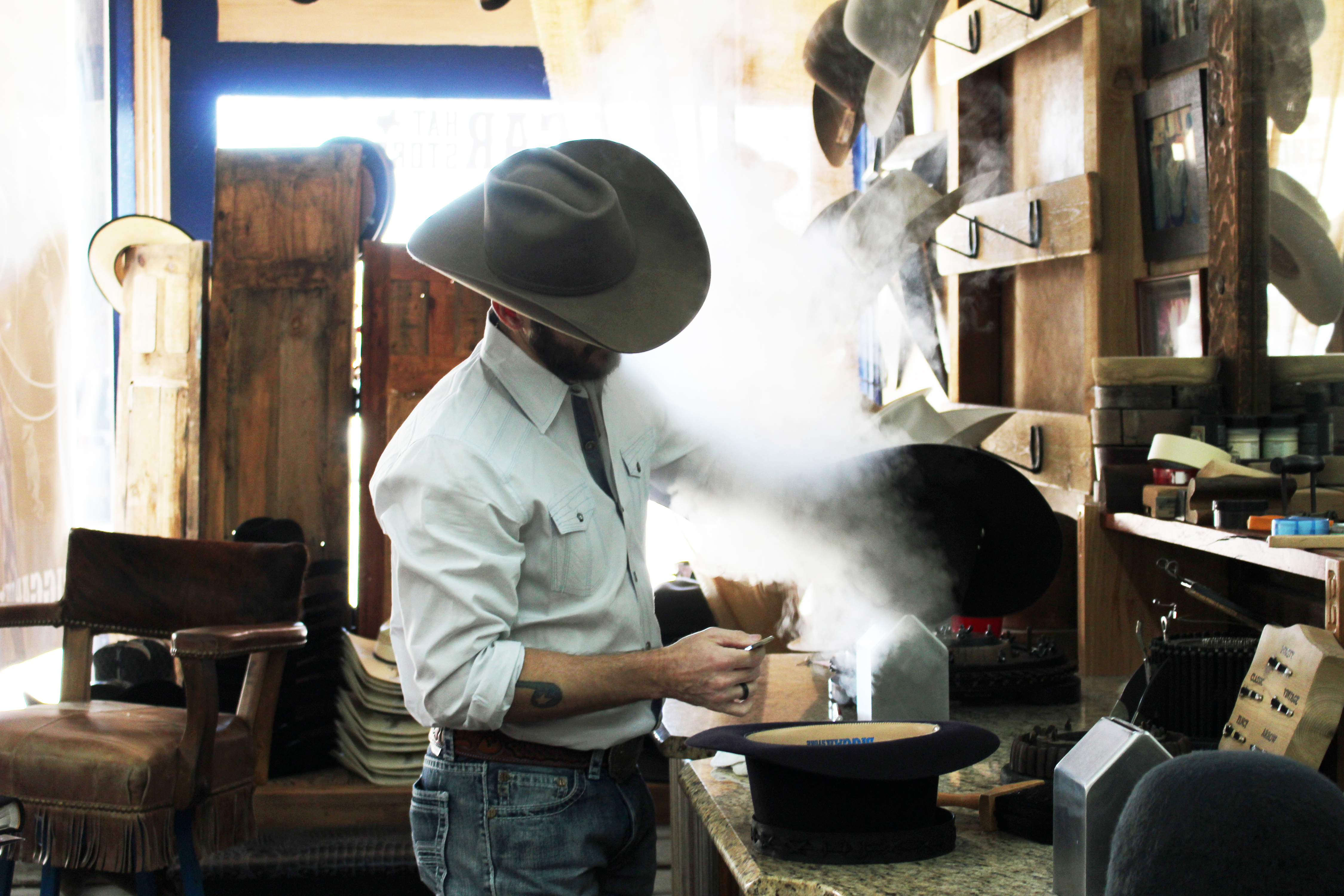
Style Your Profile – What your style cowboy hat says about you and new trends in 2017
-
 Horsefeathers12 years ago
Mount Scott: Country Humor with David Gregory
-
 Country Lifestyles10 years ago
June 2016 Profile – The man behind the mic: Bob Tallman
-
 Outdoor11 years ago
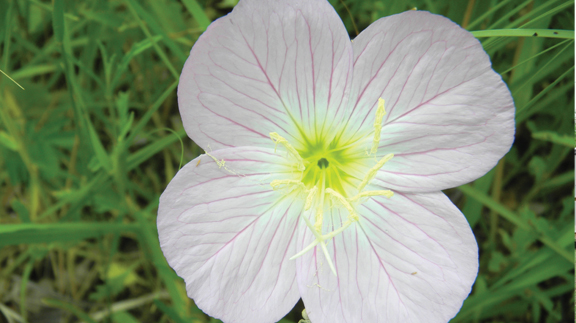
Buttercup or Primrose?
-
 Country Lifestyles10 years ago
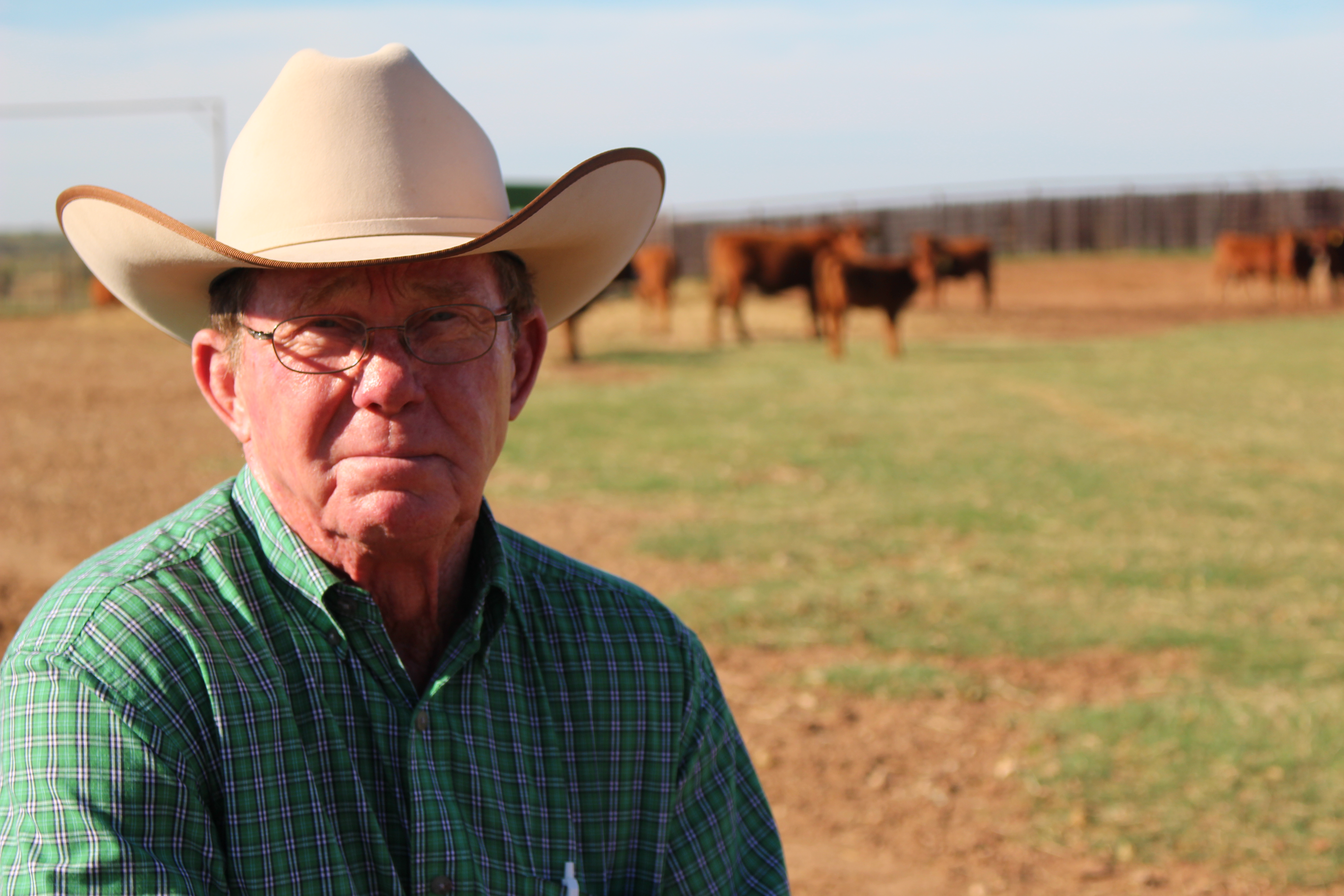
December 2016 Profile, Rusty Riddle – The Riddle Way
-
 HOME10 years ago
Grazing North Texas – Wilman Lovegrass
-
 The Natural Horseman9 years ago
This is why we do what we do — RayeAnn and Cisco